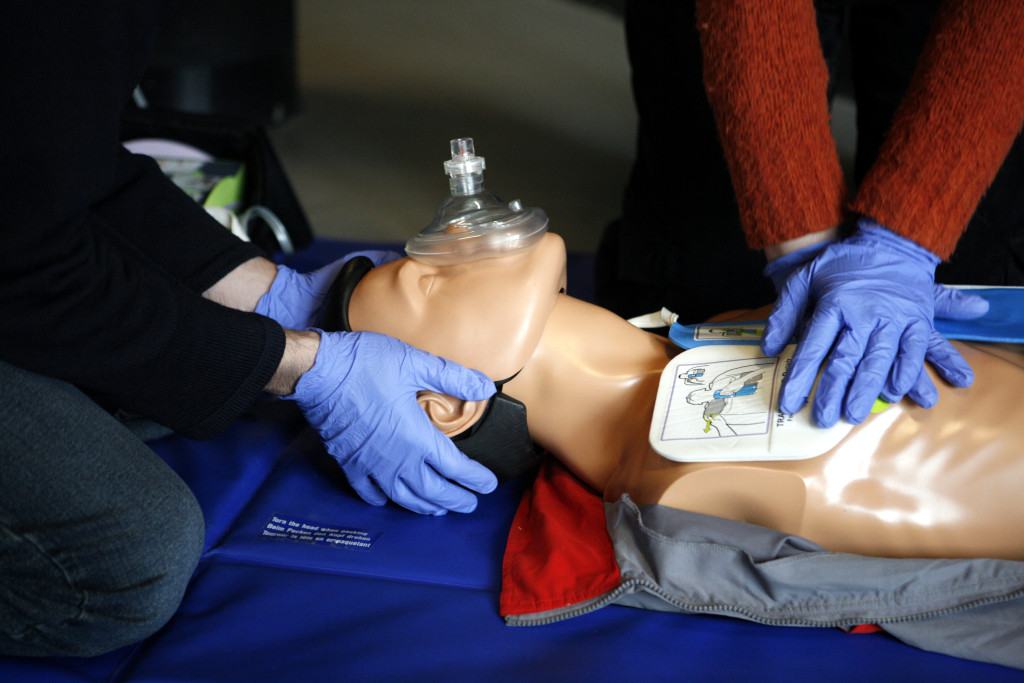
How to Do CPR UK: A Simple Guide That Could Save Someone You Love
How to Do CPR UK: Knowledge Everyone Should Have
Knowing how to do CPR UK guidelines recommend could mean the difference between life and death for someone you care about. Cardiac arrests happen without warning, and bystander CPR doubles or triples survival chances.
In This Article
- How to Do CPR UK: Knowledge Everyone Should Have
- In This Article
- Recognising Cardiac Arrest
- Step-by-Step Adult CPR
- CPR for Children (Age 1-18)
- CPR for Infants (Under 1 Year)
- Using a Defibrillator
- Getting Formal Training
- Frequently Asked Questions
- Can I hurt someone by performing CPR?
- Am I legally protected if I perform CPR?
- How long should I continue CPR?
- Where can I find my nearest defibrillator?
This how to do CPR UK guide follows the latest Resuscitation Council UK guidelines. It is not a substitute for formal training, but understanding the basics prepares you to act when it matters most.
In This Article
- Recognising when CPR is needed
- Step-by-step CPR for adults
- CPR for children and infants
- Using a defibrillator
- Where to get formal training
Recognising Cardiac Arrest
A person in cardiac arrest is unresponsive and not breathing normally. They may make occasional gasping sounds, but these are not effective breathing. If someone collapses and does not respond when you shake their shoulders and shout, assume cardiac arrest.
Do not waste time checking for a pulse. Even trained healthcare professionals find this unreliable under stress. If the person is unresponsive and not breathing normally, start CPR immediately.
Step-by-Step Adult CPR
Call 999 immediately or ask someone nearby to call while you begin CPR. If you are alone, use your phone’s speaker function so you can talk to the operator while performing compressions.
Place the heel of one hand on the centre of the person’s chest. Place your other hand on top and interlock your fingers. Keep your arms straight and position your shoulders directly above your hands.
Push hard and fast. Compress the chest by approximately 5-6 centimetres at a rate of 100-120 compressions per minute.
If you are trained and willing, give two rescue breaths after every 30 compressions. Tilt the head back, lift the chin, pinch the nose, and breathe into their mouth until the chest rises. Each breath should take about one second.
If you are not trained or uncomfortable with rescue breaths, continuous chest compressions alone significantly improve survival. Hands-only CPR is far better than no CPR at all.
Continue until emergency services arrive, the person starts breathing normally, or you become too exhausted to continue. If others are present, take turns performing compressions to maintain quality.
CPR for Children (Age 1-18)
The technique is similar but adjusted for size. Use one hand for smaller children rather than two. Compress to approximately one-third of the chest depth.
For children, start with five initial rescue breaths before beginning the 30:2 compression-to-breath cycle. Children’s cardiac arrests are more commonly caused by breathing problems, making rescue breaths particularly important.
CPR for Infants (Under 1 Year)
Use two fingers on the centre of the chest rather than your hand. Compress to approximately one-third of the chest depth, which is roughly 4 centimetres.
Cover the infant’s mouth and nose with your mouth when giving rescue breaths. Use gentle puffs rather than full breaths. Start with five rescue breaths before beginning compressions.
Using a Defibrillator
Automated External Defibrillators are increasingly available in public places across the UK. They are designed for untrained members of the public and provide clear voice instructions.
Turn the device on and follow the spoken prompts. It will tell you exactly where to place the pads and will only deliver a shock if the heart rhythm requires one. You cannot harm someone by using an AED incorrectly because it makes the decision for you.
Continue CPR between defibrillator prompts. The machine will tell you when to stop compressing and when to resume.
Getting Formal Training
The British Red Cross and St John Ambulance offer CPR and first aid courses across the UK. Courses range from free online sessions to full-day in-person training with practical assessment.
Workplace first aid training is a legal requirement for many employers. Ask your HR department about available courses. Many are provided at no cost to employees.
Refreshing your skills annually is recommended. Technique deteriorates without practice, and guidelines update periodically as research advances.
Frequently Asked Questions
Can I hurt someone by performing CPR?
Rib fractures can occur during compressions, particularly in elderly people. However, a person in cardiac arrest will die without CPR. Broken ribs heal. Always perform CPR when indicated.
Am I legally protected if I perform CPR?
Yes. The Social Action, Responsibility and Heroism Act 2015 protects people who act in good faith during emergencies. You cannot be successfully sued for attempting to save a life.
How long should I continue CPR?
Until paramedics arrive and take over, the person starts breathing normally, or you are physically unable to continue. Do not stop unless one of these conditions is met.
Where can I find my nearest defibrillator?
The defibfinder.uk website maps registered AED locations across the UK. Many are accessible 24 hours a day in phone boxes, public buildings, and sports facilities.
Read more health and safety guides on our site. For comprehensive first aid training information, visit the British Red Cross.
For more on building everyday wellbeing into a routine, see our take on healthy daily habits worth making in 2026, and our home blood test review covers the at-home checks worth running if you want a clearer baseline before an emergency, not after – small things that compound into bigger margins of safety when something goes wrong.
For more on building everyday wellbeing into a routine, see our take on healthy daily habits worth making in 2026, and our home blood test review covers the at-home checks worth running if you want a clearer baseline before an emergency, not after – small things that compound into bigger margins of safety when something goes wrong.