

Magnesium for Sleep in 2026: Britain’s Favourite Bedtime Supplement Rests on Trials of Just 151 People
The strongest evidence anyone can offer you for taking magnesium for sleep comes from a pooled analysis of three clinical trials. Between them, those trials managed 151 participants. All of them were older adults, most had diagnosed insomnia, and the researchers who ran the numbers graded their own evidence “low to very low” quality. That’s the foundation under a supplement Britain now buys by the pallet-load.
In This Article
- How a mocktail turned a mineral into a bestseller
- What the trials on magnesium for sleep actually found
- The deficiency question nobody asks first
- Glycinate, citrate, oxide, threonate: the ranking the labels won't give you
- The cheaper fix sitting in the vegetable aisle
- When the problem was never magnesium
- If you're taking it anyway, do it like this
Magnesium has become the main character of the supplement aisle. One large US retailer told trade press its magnesium sales grew 16.5% in 2025, nearly double the previous year’s rate, and British shelves tell the same story: glycinate capsules, citrate powders, “triple complex” blends, sprays, bath flakes, gummies shaped like moons. Nearly all of it gets sold on a single promise – better sleep.
And that promise is running a long way ahead of the science.
How a mocktail turned a mineral into a bestseller
You can date the boom with unusual precision. In January 2023, a TikTok creator posted a bedtime drink she called the “sleepy girl mocktail” – tart cherry juice, a scoop of magnesium glycinate powder, a splash of something fizzy. A second creator picked it up a few months later, claimed it knocked her out cold, and the videos went on to rack up tens of millions of views. Magnesium went from the mineral your nan took for leg cramps to the centrepiece of the 9.30pm wind-down routine, somewhere between the skincare and the phone going on charge in another room.
The industry response wrote itself. New formats, new flavours, ready-mixed mocktail powders, magnesium body butter for people who’d rather absorb their minerals through a moisturiser. In Holland & Barrett you can now stand in front of an entire bay of the stuff, priced anywhere from £6 to £45 for what is, at bottom, the same element.
It’s the same pipeline that turned cortisol into wellness’s favourite villain – we covered that in our look at the cortisol detox myth – and it follows the same shape: a real piece of physiology, stretched until it covers half of modern life.
None of which means magnesium does nothing. It means the size of the market tells you nothing about the size of the effect.

What the trials on magnesium for sleep actually found
The biochemistry is real, and nobody serious disputes it. Magnesium is involved in hundreds of enzyme reactions, including several that matter for sleep – it plays a role in regulating GABA, the neurotransmitter that quiets the nervous system down, and it feeds into melatonin production. A plausible mechanism exists. The argument is over whether swallowing extra does anything measurable for a person who isn’t short of it.
The reference point is still a 2021 systematic review and meta-analysis in BMC Complementary Medicine and Therapies, which pooled every randomised controlled trial it could find on oral magnesium for insomnia in older adults. It found three. Combined, they covered 151 people. The headline result: participants fell asleep around 17 minutes faster on magnesium than on placebo. Total sleep time rose by 16 minutes, but that didn’t reach statistical significance. The authors flagged moderate-to-high risk of bias in all three trials and concluded, in polite academic phrasing, that the literature isn’t good enough for doctors to make a recommendation either way.
Seventeen minutes isn’t nothing, mind. If it held up in larger trials, plenty of people would take that deal for the price of a capsule.
Since then the picture has sharpened slightly without changing shape. A placebo-controlled trial published in 2025 gave magnesium bisglycinate to healthy adults reporting poor sleep and found a modest improvement in insomnia severity scores. Worth having – but the outcomes were self-reported, there was no objective sleep measurement, and the authors themselves called for longer studies with proper sleep tracking before anyone gets excited. Meanwhile a separate review of the wider evidence found the pattern that has dogged this field for a decade: observational studies keep linking magnesium status to sleep quality, while the intervention trials keep splitting – two showed improvements in sleep measures, three showed no significant effect at all.
But notice who’s carrying the evidential weight here: elderly insomniacs and questionnaires. If you’re 34, broadly fine, and hoping glycinate will turn six restless hours into eight solid ones, no trial has shown that. Not one.
The deficiency question nobody asks first
Here’s the wrinkle the sceptics skate past, though. A decent chunk of Britain isn’t getting enough magnesium in the first place.
The National Diet and Nutrition Survey – the government’s long-running audit of what the country actually eats – has repeatedly found that around half of teenage girls have magnesium intakes below the lower reference nutrient intake, the level at which deficiency becomes a realistic concern rather than a wellness talking point. Across all 11 to 18-year-olds it’s roughly four in ten. Among adult women it’s about one in eight. These aren’t people falling short of some influencer’s target; they’re under the floor.
The NHS puts the daily requirement at 300mg for men and 270mg for women, and says most people should be able to get that from a varied diet. “Should” is doing some quiet work in that sentence. A diet built on white bread, pasta and beige freezer food – which describes more of the country than anyone likes to admit – lands short, because most of the magnesium in grain is stripped out with the bran.
The catch is that you can’t easily find out which camp you’re in. A standard blood test is a poor guide, because only around 1% of the body’s magnesium sits in the serum – the rest is locked up in bone and tissue, so your levels can read “normal” while your intake has been dismal for years. The honest proxy is your plate. If pumpkin seeds, leafy greens, wholegrains, beans and nuts appear on it regularly, you’re almost certainly fine. If dinner is mostly beige, you might not be.
Why does this matter for sleep? Because if magnesium supplements help anyone, people who are actually low on it are the obvious candidates – and they’re exactly the people the wellness market isn’t talking to. The 24-year-old ordering £28 threonate off the back of a TikTok probably eats better than the teenager who’s measurably short of the mineral and has never heard of glycinate.
Glycinate, citrate, oxide, threonate: the ranking the labels won’t give you
The form matters less than the marketing suggests – with one exception at the bottom of the table.
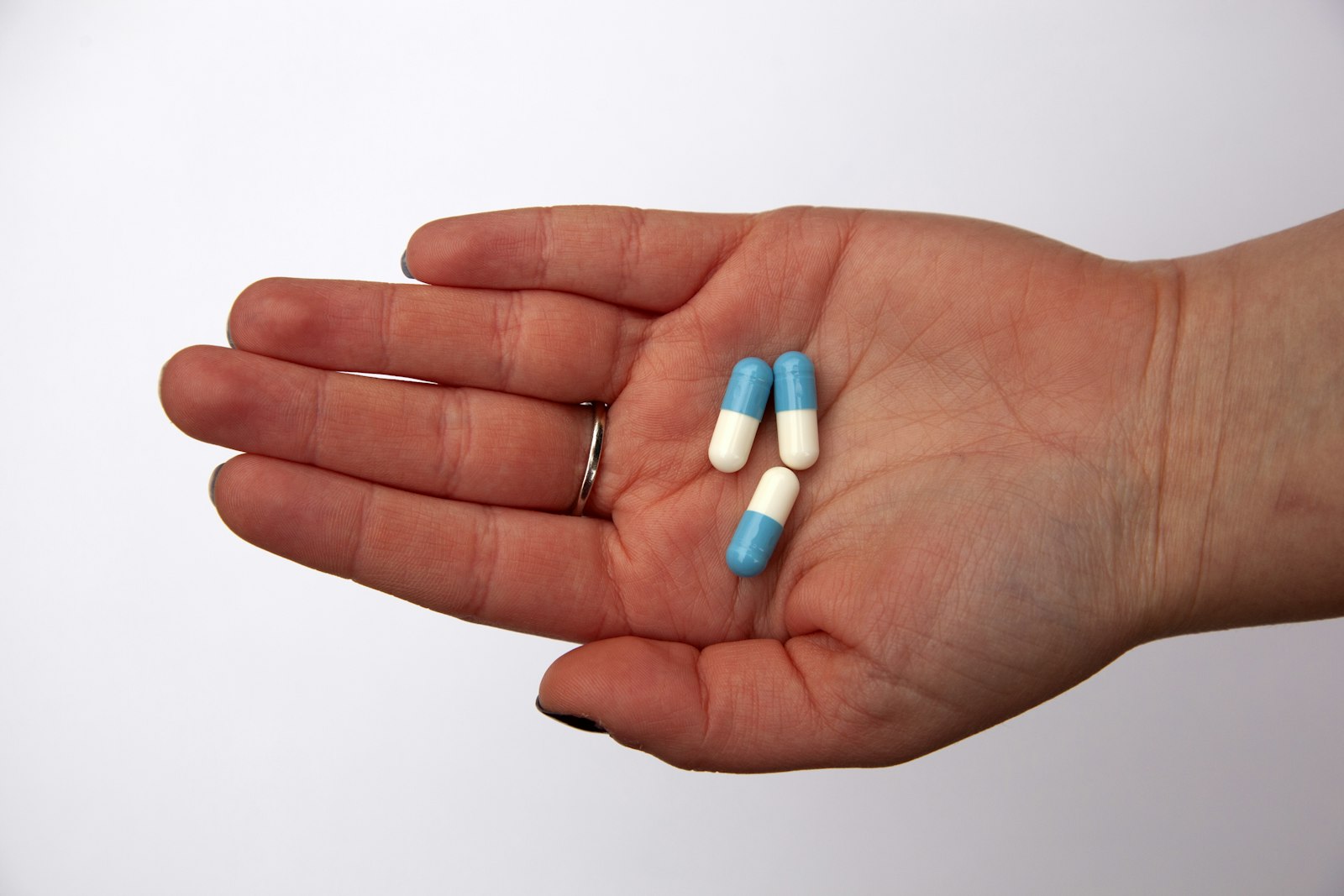
Magnesium oxide is that exception. It’s the cheapest form, the one hiding in bargain multivitamins and 3p-a-tablet supermarket bottles, and it’s poorly absorbed – one frequently cited (and admittedly small) study put its bioavailability at around 4%. Most of it stays in your gut, where it draws in water. Which is why the same compound, under different branding, is sold as a laxative. If your magnesium cost less than your bus fare, read the label before bed.
Citrate absorbs well and costs little – own-brand versions sit around a fiver in Boots. Push the dose and it loosens things too, but at 200-300mg most people are fine.
Glycinate (or bisglycinate) is the influencer’s choice: well absorbed, gentle on the stomach, and bound to glycine, an amino acid with some mild sleep evidence of its own. The 2025 trial used it, so it can claim marginally better evidence than its rivals. It’s also priced like it knows it’s fashionable – £15 to £25 a month against a fiver for citrate, for a difference most stomachs will never notice.
L-threonate is the premium one, sold on brain-penetration claims at £30-45 a month. The animal data is interesting. The human sleep data is close to nonexistent. Skip it, and don’t feel bad about it.
The cheaper fix sitting in the vegetable aisle
A 30g handful of pumpkin seeds carries roughly 150mg of magnesium – over half a woman’s daily requirement, for about 30p. Two handfuls of spinach wilted into whatever you’re already cooking adds another 70-80mg. Wholemeal bread instead of white, brown rice instead of white, a tin of black beans, a few squares of dark chocolate with your evening tea: none of it feels like supplementation, and it quietly closes the gap the NDNS keeps finding.
Food also delivers the mineral the way your gut prefers it – spread across the day, packaged with fibre and everything else, rather than arriving as a single 400mg bolus at 10pm. We reached the same verdict on fibre supplements earlier this month: the tin of beans keeps beating the powder, and it isn’t close.
And nobody has ever spent £45 a month on pumpkin seeds.

When the problem was never magnesium
The maddening thing about supplement-first sleep fixes is the queue-jumping. A bedroom sitting at 26 degrees this week will wreck your sleep more reliably than any mineral shortfall – we tested what actually cools a British bedroom during the last hot spell. So will the 4pm flat white, because caffeine has a half-life of five to six hours and a quarter of that double shot is still circulating at midnight. So will the second glass of wine, which sedates you into the first half of the night and then shreds the second half. So will the phone, obviously. The trials that make magnesium look promising were run on older insomniacs, not on people doing all four of those things at once and hoping a capsule will absorb the damage. Order of operations matters: fix the cheap, boring, obvious things first, and then see whether you still have a sleep problem worth spending money on.
There’s also the ritual effect, and it deserves more respect than it usually gets. The mocktail routine works for some people partly because it’s a routine – the same drink, the same time, a fixed signal that the day is over. That’s a real mechanism. It’s also available for the price of a chamomile teabag. British TikTok’s other sleep obsession, mouth taping, runs on much the same fuel.
If you’re taking it anyway, do it like this
None of this makes magnesium a scam. It’s cheap, the group who might plausibly benefit – poor diet, older, heavy training, restless legs – is large, and the downside at sensible doses is small. A few rules keep it that way:
- Stay at or below 400mg a day from supplements. The NHS view is that doses under that are unlikely to cause harm; above it, the main thing you’re buying is diarrhoea.
- Citrate if you want cheap, glycinate if your stomach is touchy. Ignore anything with “complex” in the name that won’t tell you the elemental dose per form.
- Timing is folklore. There’s no decent evidence that 10pm beats 8am – take it whenever you’ll remember, and let the evening dose be a ritual if the ritual helps.
- Check your medicines. Magnesium interferes with some antibiotics and osteoporosis drugs, and anyone with kidney problems should talk to a GP before supplementing at all.
- Buy boring. Own-brand tablets from a chemist beat novelty formats – our creatine gummies lab tests showed exactly where quality goes to die, and it’s the fun-shaped stuff.
One more expectation worth trimming while you’re at it: the leg cramps. Magnesium’s oldest job in the British medicine cabinet – the thing your nan took it for – turns out to be one of its weakest. A Cochrane review of the trial evidence concluded magnesium is unlikely to help the ordinary night cramps that plague older adults. Pregnancy-related cramps might be a different story, the reviewers said, but for everyone else the classic use case has less behind it than the trendy one.
Then give it four weeks and judge it like you’d judge anything else you paid for. If your sleep hasn’t changed, stop.
The cheaper experiment starts tonight, and it costs nothing: same bedtime, cooler room, caffeine cut off at noon, and the £20 stays in your pocket. Run that for a fortnight before the capsules and you’ll find out something the supplement aisle would rather you didn’t ask – which one was your money actually buying, the mineral or the ritual?