Let the Lawn Go Brown: Why the Drought Tolerant Garden Won Summer 2026
On 23 July, Thames Water switched off the hosepipes of 10.1 million people. Two days later, South East Water did the same across Sussex, Surrey, Hampshire and Berkshire – the first restrictions in those last three counties for 14 years. Eight temporary use bans are now in force across the country, the fine for ignoring one runs to £1,000, and the drought tolerant garden has gone from a niche interest for gravel enthusiasts to the only sensible way to plant in Britain. The green striped lawn – watered nightly, fed quarterly, mown into corduroy – is finished. And honestly, it was never worth the effort.
In This Article
- The summer that broke the sprinkler habit
- Your brown lawn isn't dead – so stop paying to revive it
- The artificial grass mistake nobody wants to admit
- What a drought tolerant garden actually looks like
- Five plants doing the heavy lifting
- What converting a lawn actually costs
- The unglamorous kit that matters more than the plants
- Will it still look good when the rain comes back?
This isn’t a piece about coping until the rain comes back. It’s about redesigning for the summers we actually get now.
The summer that broke the sprinkler habit
The numbers from this year bear repeating. Norfolk recorded 37.7°C on 26 June – the hottest June day ever measured in Britain, beating a record that had stood since 1957. That heat arrived on the back of a dry spring, and reservoirs across the south never recovered. By late July the bans were rolling out one water company at a time, each press release slightly more apologetic than the last. Thames Water reported demand running as much as 10% above normal through the hottest weeks – millions of extra litres a day, and a good share of it landing on lawns.
And this isn’t a freak year to be waited out. The Met Office’s position is that summers like this now turn up roughly one year in five – not once a generation. Garden centres saw it coming before the rest of us: sales of drought-tolerant plants have risen sharply since 2020, with one widely quoted industry figure putting the increase at 340%. Ideal Home’s 2026 trend report put climate-resilient planting at the top of its list back in January, which felt a bit abstract at the time. It doesn’t now.
The maths of watering a garden through a ban is grim too. A watering can holds eight litres. A medium lawn wants hundreds of litres a week to stay green in this heat. Nobody is doing that on foot, and under a temporary use ban you can’t legally do it any other way.
Your brown lawn isn’t dead – so stop paying to revive it
Here’s the fact that should save you money this week: a brown lawn is dormant, not dead. The RHS advice on drought lawn care is blunt about it – established lawns rarely need watering at all, and even a lawn that’s gone completely brown will green up again once the rain returns. The grass shuts down its blades to protect the crown underground. It’s a survival mechanism, and it works.
But an entire industry depends on you not believing that. Lawn feed, summer revival treatments, sprinkler timers – most of it’s money spent fighting a plant that has already made a sensible decision. Feeding a dormant lawn is actively counterproductive: fertiliser pushes fresh growth the grass hasn’t got the moisture to support. Skip it.
Two things do help, and they’re both free. Raise your mower blades – longer grass shades the soil and keeps its roots cooler – and stop cutting so often. That’s it. If water is genuinely short, the RHS says the lawn should be bottom of your list anyway, behind containers, vegetables and anything planted this year. If you’ve recently handed the mowing over to a robot, as a fair chunk of Britain has this year, check the app – most models have a setting to cut higher and less often, buried two menus deep where nobody finds it.
If you can’t make peace with brown, there’s a middle path that doesn’t involve a hose: overseed with micro-clover. It stays green weeks longer than grass in a dry spell because its roots go deeper, it feeds the soil as it grows, and a box of seed to oversow an average lawn costs about £15. Purists hate it. Purists are also the ones out at 10pm with a watering can, so draw your own conclusions.
The artificial grass mistake nobody wants to admit
Every hosepipe ban produces a wave of people concluding the answer is plastic grass. It’s the worst decision available, and this summer proved it in degrees Celsius.
On a 30°C day – and we’ve had plenty – the surface of an artificial lawn sits somewhere between 40°C and 50°C. When air temperatures pushed towards 40°C, installers’ own testing recorded fake turf at 65°C. That’s not “a bit warm underfoot”. That’s a surface you can’t let a dog or a barefoot toddler onto between late morning and early evening, which is a strange quality in a product sold as a family-friendly play area.
A real lawn cools itself and the air around it by moving water up through its roots. Plastic just absorbs heat and radiates it back at the house – if you’ve wondered why British homes turn into greenhouses every heatwave, a south-facing plastic lawn outside the patio doors isn’t helping. And the recommended fix for hot artificial grass, with no apparent irony, is to hose it down. Under a ban, you can’t.
A brown August lawn costs nothing, harms nothing and repairs itself in September. Fake grass costs £2,000 fitted and turns into a griddle. This one isn’t close.
What a drought tolerant garden actually looks like
The good news is that the drought tolerant garden, done properly, isn’t a yard of cactuses and regret. It looks like the south of France.
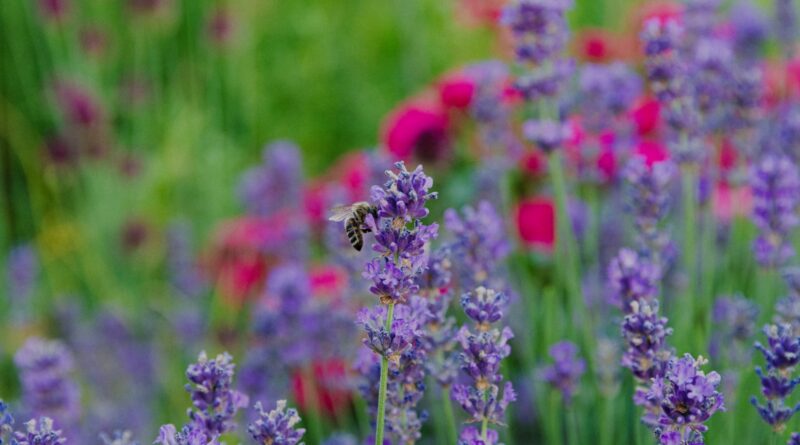
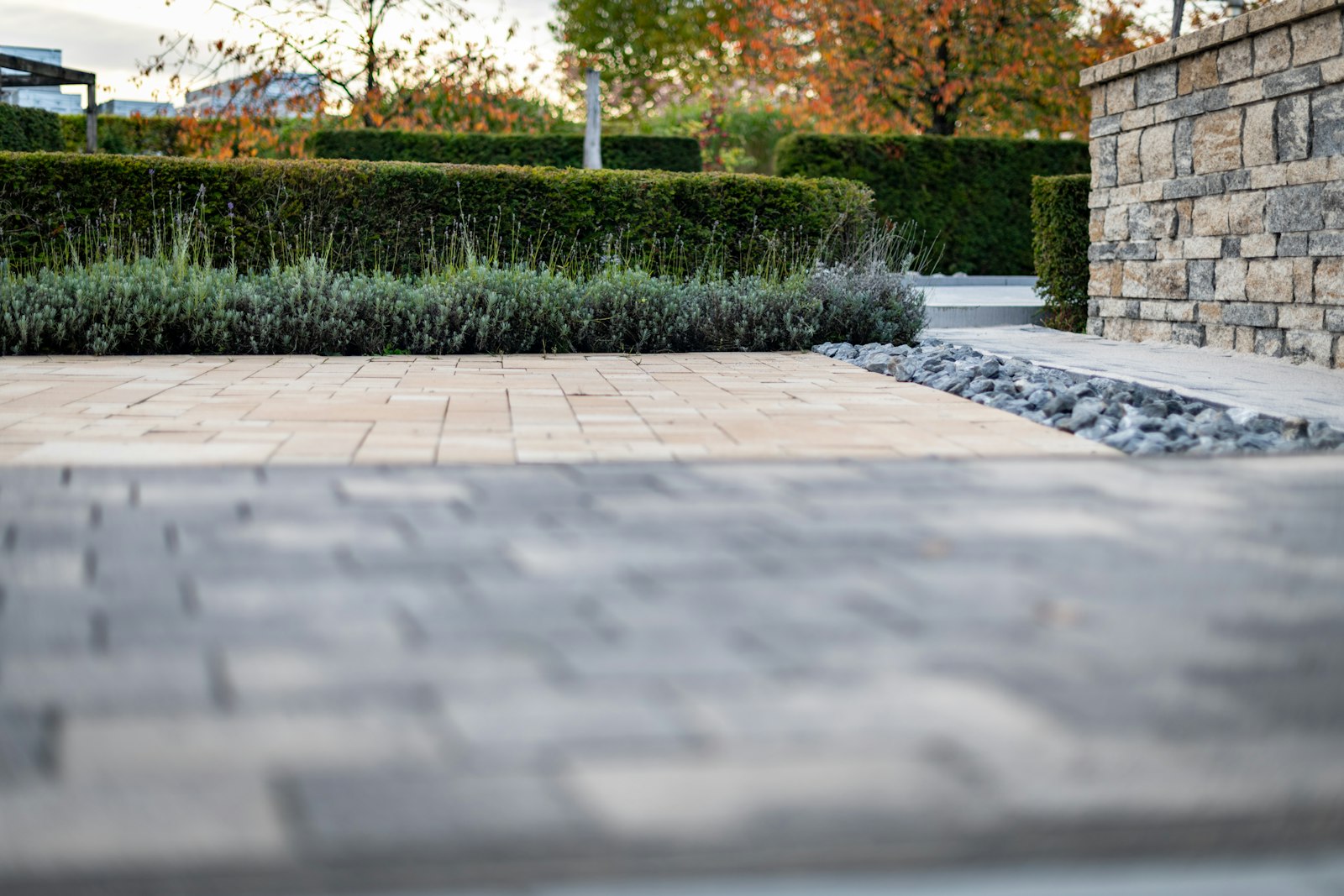
The template is Mediterranean: gravel underfoot instead of thirsty turf, silver and grey-green foliage, lavender and salvias in loose drifts, somewhere shaded to sit. Livingetc’s guide to Mediterranean gardens covers the look in detail, but the working principles are simple: sharp drainage, a gravel mulch to hold moisture in the soil, plants grouped by how much water they want, and hard landscaping in warm tones rather than grey slabs that bounce glare around.
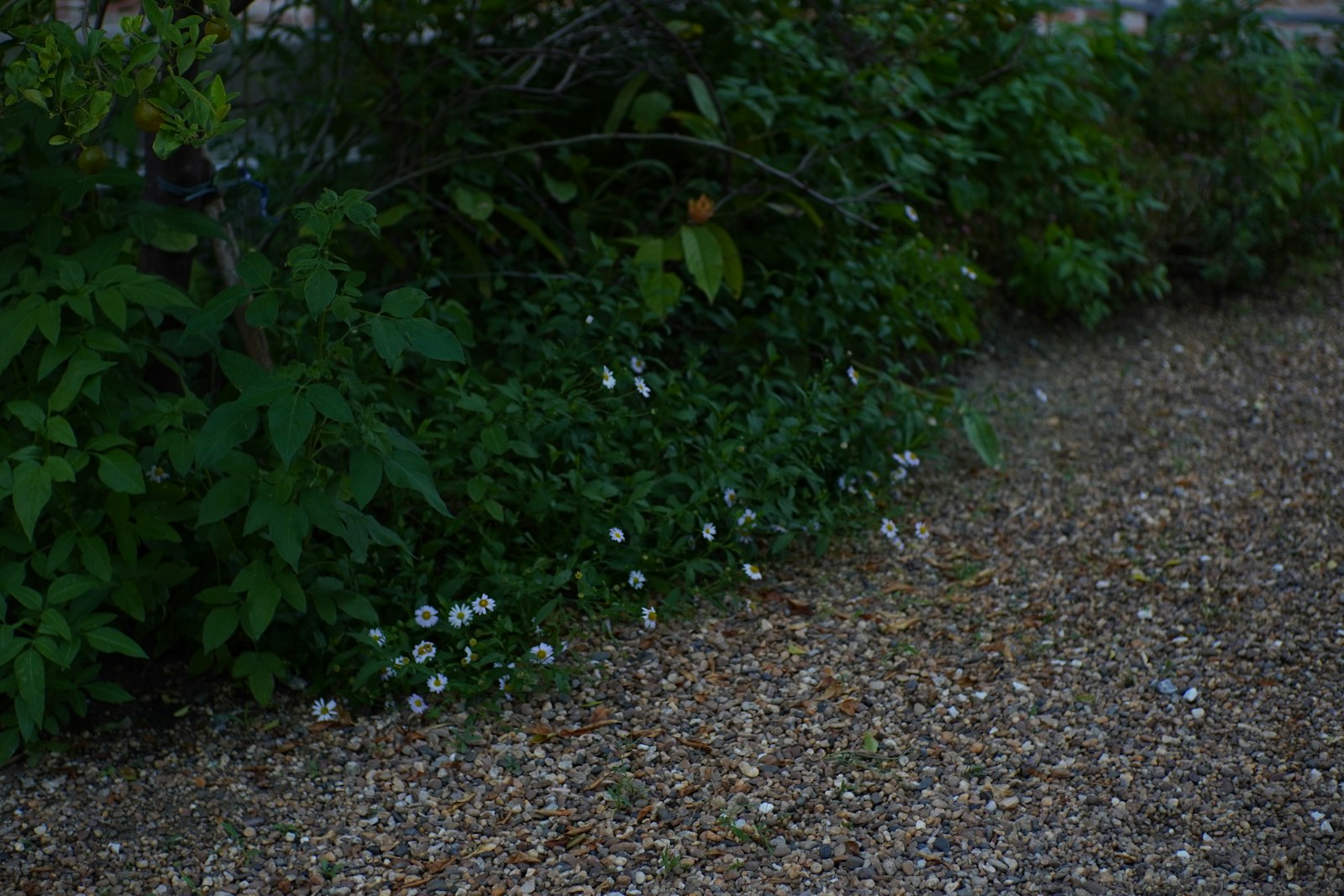
None of this is untested. Beth Chatto planted her gravel garden on an old Essex car park in the early 1990s and famously never irrigated it – it has shrugged off every drought since, in one of the driest corners of England. What was once a horticultural experiment now reads like an instruction manual.
One caveat the mood boards skip: a British drought garden still needs to cope with November. The same free-draining, gravel-mulched soil that saves plants in July also stops them rotting through a wet winter, which is why the Mediterranean palette survives here at all. What kills lavender in Britain isn’t cold – it’s sitting in cold clay with wet feet. If your soil is heavy, work in coarse grit before planting, or build the bed up a few inches proud of the ground. Drainage is the whole game.
The honest trade-off: year one is the hard part. Even drought-tolerant plants need regular water in their first season while roots get down. Plant in autumn, let winter rain do the establishment work for free, and by next July the garden looks after itself. Plant in a heatwave and you’ll be out there every evening with a can, which rather defeats the point.
Five plants doing the heavy lifting
Skip the “drought-tolerant” label on the garden centre shelf and look for the tells instead: silver leaves, furry leaves, needle-thin leaves, Mediterranean origins. These five earn their space.
Lavender. The obvious one, and still the best value – about £4.99 a pot in the supermarket plant aisle, and happier neglected in poor dry soil than pampered in good stuff. ‘Hidcote’ stays compact and doesn’t flop.
Salvias. The shrubby types (‘Hot Lips’, ‘Amistad’) flower from May to the first frost on barely any water at all. Bees mob them.
Stipa tenuissima. A knee-high grass that moves in any breath of wind and turns blond in high summer, so it looks intentional precisely when everything else looks parched.
Santolina. Silver, aromatic, clips into neat mounds if you want structure without box hedging (and without box blight).
Verbena bonariensis. Six feet of purple on stems thin enough to see through, self-seeds into gravel, needs nothing. It arrived in that annoying two-litre pot looking like a single twig; three summers on I’m pulling seedlings out of the path.
Rosemary and thyme belong in the mix too, on the grounds that a plant you can also cook with is doing double duty. If the drought garden ends up outside a home office window, so much the better – the garden room crowd spends more time looking at the planting than anyone else in the house, and a shimmer of stipa beats a strip of scorched turf.
What converting a lawn actually costs
Here’s a worked example for a typical 20 square metre patch of back garden lawn, priced this month.
Going gravel: stripping the turf yourself costs nothing but a weekend and your lower back. A weed membrane is £20 for a roll that’ll cover the lot. Gravel in bulk bags runs £70 to £90 delivered, and at a 5cm depth one bag covers roughly 10 square metres, so budget two – call it £160 on the ground. Plants are where people overspend. A 9cm pot of salvia or santolina costs £3 to £6 against £12 to £15 for the showy two-litre version, and in gravel the small one establishes better, because it makes roots instead of arriving pot-bound. Thirty small plants at £150 will fill 20 square metres inside two seasons. Total: around £330, and the ongoing cost is close to zero – no feed, no weekly mow, no watering after year one.
Returfing the same patch with fresh rolls costs £120 to £180 in turf alone, needs weeks of daily watering to take (currently illegal across much of the south, note), and puts you straight back on the mowing and feeding treadmill. Artificial grass fitted runs £60 to £80 per square metre – £1,400 or so for our patch – to obtain the 65°C griddle discussed above.
The gravel garden is the cheapest option of the lot. That’s the part the trend coverage keeps missing: this isn’t premium landscaping filtering down from the glossies, it’s the budget choice that happens to look expensive.
The unglamorous kit that matters more than the plants
Nobody photographs a water butt for Instagram. Fit one anyway. A 200-litre butt costs about £40 at Argos, connects to a downpipe in half an hour with one hacksaw cut, and is completely exempt from every hosepipe restriction – it’s your water, collected from your roof. Two butts on different downpipes will carry a container garden through most of a banned summer. The slimline ones tuck behind a side gate where you’ll forget they exist until you need them.
Mulch is the other cheap win. A 5cm layer of gravel, bark or composted anything over bare soil cuts evaporation dramatically, which is water you never have to replace. Do it in spring while the soil is still damp, not in July when you’re sealing dryness in.
Containers deserve a rethink too. Big pots lose less water than small ones – a single 40cm pot beats four little terracotta ones that bake dry by lunchtime – and pelargoniums, gaura and succulents will flower through a ban that kills a hanging basket of petunias in a week. The same logic that picks unkillable plants for a desk applies outside: choose things that forgive you.
Grey water – washing-up bowls, cooled bath water – is legal, allowed under bans and fine for established ornamental plants. It’s a faff, no question. But in week four of a ban it’s the difference between keeping the pots you spent £200 filling in May and composting them.
Will it still look good when the rain comes back?
Better, is the honest answer. A Mediterranean gravel garden in a wet British October looks moody and architectural; a striped lawn in October looks like a chore waiting for spring. The drought tolerant garden isn’t a compromise for bad years – it’s just a better fit for all of them, greener in the ways that count and less demanding in every season. The question worth sitting with before autumn planting season: if the hosepipe stays banned next July – and one year in five, it will – what do you want to be looking at?