Mercury Prize 2026 Shortlist Ranked: All 12 Albums, and Why the Obvious Winner Shouldn’t Take Newcastle
Twelve albums, one of them made by about forty different musicians in a room at Abbey Road for charity, and an 84-year-old Beatle turning up for the first time in the award’s 34-year history. The Mercury Prize 2026 shortlist ranked below isn’t the tidiest selection the judges have ever handed us. It’s easily the most argumentative.
In This Article
- The Mercury Prize 2026 shortlist ranked, twelve down to one
- A charity compilation made the shortlist, and it isn’t a novelty pick
- Olivia Dean will probably win. I don’t think she should.
- Knats, Newcastle, and the awkwardness of a hometown second year
- What Paul McCartney is actually doing on this list
- What winning actually does (and doesn’t do)
- Going on 22 October, and what the night actually is
- My prediction, for what it’s worth
Want to see the winner live? Here is how to get Mercury Prize 2026 tickets.
The twelve were read out on 6 Music on 30 July, and the winner gets announced at Newcastle’s Utilita Arena on Thursday 22 October. Tickets are on general sale now. Second year running in Newcastle, second year running that a prize which spent three decades being a London event is being held somewhere with a proper music scene and cheaper pints. The capital’s live-music summer is coping fine without it – ten days of All Points East in Victoria Park made sure of that.
Here’s my ranking. You’ll disagree with parts of it. That’s rather the point of the Mercury.
The Mercury Prize 2026 shortlist ranked, twelve down to one
12. Paul McCartney – The Boys of Dungeon Lane. The nomination is the story, not the record. McCartney has never been shortlisted for a Mercury, which is one of those facts that sounds like a mistake until you remember the prize was invented in 1992 to point away from heritage acts. Putting him on the list in 2026 is a nice piece of theatre. It isn’t a win.
11. Florence + The Machine – Everybody Scream. The witchier, heavier turn suits her, and there are two or three tracks here that are as good as anything she’s made since Ceremonials. But this is Florence Welch’s sixth album on a prize that historically rewards the fourth-at-most. The judges have already given her the nod twice before without ever pulling the trigger.
10. JADE – THAT’S SHOWBIZ BABY! A genuinely good pop record and by far the most fun thing on the list. The problem is structural: the Mercury has an unbroken record of nominating a big pop album, praising it warmly in the press release, and then handing the trophy to a jazz quintet.
9. Kojey Radical – Don’t Look Down. He’s been circling this list for years and the writing is sharper than it’s ever been. In a weaker field he’d be top four.
8. Dove Ellis – Blizzard. I’ll be straight with you: this is the one name on the shortlist I hadn’t heard before 30 July. That’s not a criticism. The Mercury exists partly to do exactly this, and the last decade suggests the anonymous name on the list is worth twenty minutes of your afternoon before the ceremony.
7. Olivia Dean – The Art of Loving. More on this below, because it deserves its own row.
6. War Child Records – HELP(2). Also gets its own section. A compilation on a Mercury shortlist is a once-in-thirty-years event and the reasons it’s here are more interesting than most of the records above it.
5. RAYE – THIS MUSIC MAY CONTAIN HOPE. Seventy minutes, seventeen songs, four seasonal movements, Hans Zimmer and the London Symphony Orchestra somewhere in the mix. Critics broadly loved it. Variety called it overstuffed and overambitious and then admitted it was remarkably focused for something that size, which is about right. I’ve played it four times and each time a different section annoyed me and a different section floored me. That’s not a bad thing for an album to do. It’s a slightly awkward thing for an album to do on a night when twelve records get judged in one sitting.
4. Dave – The Boy Who Played the Harp. He won this in 2019 with Psychodrama and nobody has since made a serious argument that it was the wrong call. Winning twice is rare – it’s happened once, to PJ Harvey – and the judges tend to treat a second win as a statement about a body of work rather than a single record. If they want to make that statement this year, he’s the one.
3. Nia Archives – Emotional Junglist. Jungle has been trying to get through the Mercury’s front door for thirty years and mostly ended up in the “worthy dance nomination” slot before losing to a guitar band. This one’s different because it isn’t really a dance album at all. NME described it as her ramping up the passion, and the record traces a whole relationship from first spark to the flat bit afterwards, with Sampha and Jorja Smith turning up along the way. It sags a little in the middle. The last four tracks are the best run of music on the entire shortlist.
2. Suede – Antidepressants. Suede won the very first Mercury in 1993 with their debut. Thirty-three years later they’ve made a record that Uncut called Britpop outliers on exhilarating, grandiose form, and The Quietus made album of the week. It’s their tenth album. Tenth albums are supposed to be polite. This one is not remotely polite – it’s the most unhinged thing they’ve done since Coming Up, and hearing Brett Anderson sound genuinely unwell in his late fifties is far more moving than another lap of honour would have been.
1. Knats – A Great Day In Newcastle. A Geordie jazz record about substance abuse, crime and what men in the North East do instead of talking, released on Gearbox in May, with Cooper Robson’s spoken word laid over nu-jazz arrangements and a punk-adjacent rhythm section. It should not work. It works enormously. And it does the thing the Mercury has always claimed to exist for: it tells you what a specific bit of Britain sounded like in a specific year, in a way no other record on this list attempts.
A charity compilation made the shortlist, and it isn’t a novelty pick
HELP(2) was recorded at Abbey Road across a few days in November 2025 and came out in March. Olivia Rodrigo is on it. So are Arctic Monkeys and Pulp. The money goes to War Child UK, which works with children caught in conflict, and the album is the second volume of a project that started in 1995.
That first Help album was shortlisted for the Mercury in 1996. Pulp won the prize that year and gave the money to War Child. Thirty years on, Pulp are on the sequel and the sequel is on the list. There’s a symmetry there that would feel contrived if someone had planned it.
What makes it worth taking seriously rather than filing under gesture is the roll call of artists who appeared on these records before the industry caught up with them. Arctic Monkeys, Arlo Parks, Ezra Collective, English Teacher, Sampha, Young Fathers – all of them have since won this prize outright. A War Child record isn’t a charity single dressed up as an album. It’s become something closer to a snapshot of who British music thinks matters at a given moment, which is the exact job description of the Mercury shortlist itself.
It won’t win. Compilations don’t. But its presence is a quiet rebuke to the idea that the shortlist is stitched up by label politics, because no single label benefits from it at all.
Olivia Dean will probably win. I don’t think she should.
Let’s be clear about what The Art of Loving has done, because it’s remarkable. Seven non-consecutive weeks at number one on the Official Albums Chart. The first number one album of 2026. Back to the top after her Grammy win. Five of the first seven weeks of this year, at the summit, from a record released the previous September. That is a level of sustained commercial life almost nothing achieves any more in a market built on three-week streaming spikes.
It’s also a lovely album. Warm, well-made, beautifully sung, the sort of thing you put on when people come round and nobody objects.
And that’s my problem with it winning.
The Mercury is not the Brits. It’s not a sales award and it was explicitly designed not to be one. The prize’s best years are the ones where it pushed something sideways into the national conversation – Ezra Collective, Young Fathers, Speech Debelle, Roni Size. Its worst years are the ones where it ratified a decision the charts had already made six months earlier. Giving it to the album that’s spent a third of 2026 at number one doesn’t tell anyone anything they didn’t know. It just adds a trophy to a shelf that’s already crowded.
There’s a version of this argument that says the Mercury should reward the best record regardless of commercial position, and if that’s The Art of Loving, so be it. Fair enough. I just don’t think it’s the best record here, and I think the judges know it too – which is why I’d expect a lot of warm words about Olivia Dean on the night and the envelope going elsewhere.
Knats, Newcastle, and the awkwardness of a hometown second year
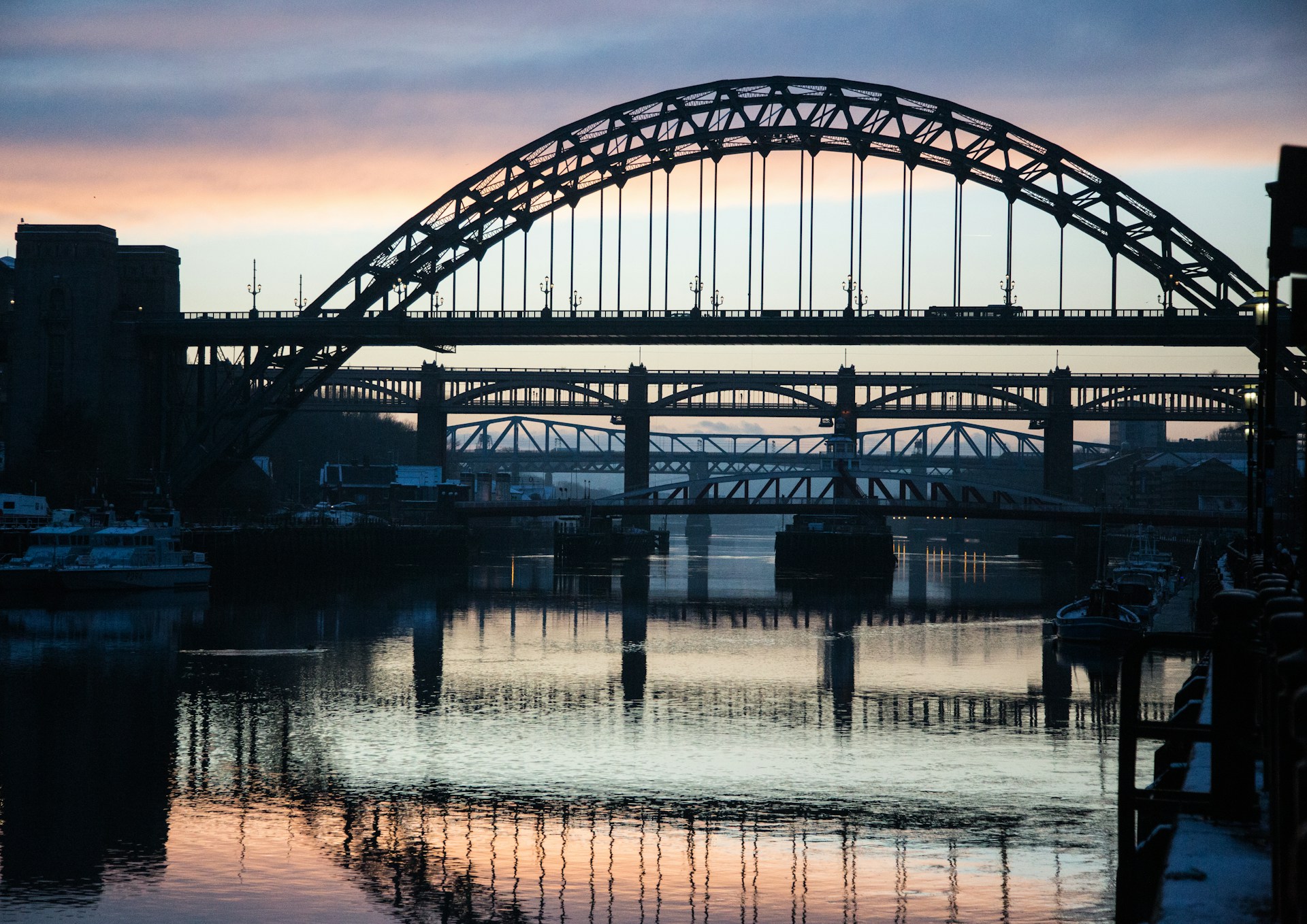
Sam Fender won last year in his own city, and it was one of the better Mercury nights in recent memory – partly because the room actually cared. Newcastle has the prize again in 2026. And there’s a band from Newcastle on the shortlist with an album literally called A Great Day In Newcastle.
You can see how that reads. Convenient. Too neat.
I’d push back on that, and not just because I’ve ranked them top. Knats came up through the same North East jazz scene that’s been feeding this country decent players for years, they’re on Gearbox rather than a major, and the record was reviewed properly and well by Clash, All About Jazz and Far Out before anyone was thinking about shortlists. The regional angle is real rather than manufactured. Cooper Robson’s writing about working-class Newcastle isn’t tourist-board material – it’s about addiction and blokes who can’t say what they mean, delivered over arrangements that swing much harder than the subject matter suggests.
The risk is the opposite of what people assume. It isn’t that the judges will hand it to the local band for the optics. It’s that they’ll avoid the local band precisely because of the optics, and a very good record gets punished for the coincidence of geography. That’s happened before at this prize, and the excuse afterwards is always that it was too obvious.
What Paul McCartney is actually doing on this list
Nobody thinks McCartney is winning. He doesn’t need it, and the Mercury has never once given the prize to an artist over sixty.
So why include him? The generous reading is that the judging panel – chaired by Jeff Smith, with Jamie Cullum, MistaJam, Sian Eleri and The Times’ Will Hodgkinson among them – simply thought the record was among the twelve best British and Irish albums of the year and refused to apply an age filter. The cynical reading is that a shortlist with a Beatle on it gets covered by outlets that would otherwise ignore it entirely, and the Mercury has spent years fighting for oxygen against awards with bigger budgets.
Both can be true. And the shortlist remains one of the few bits of British music infrastructure that still works as a real recommendation engine for people who don’t follow music closely. If a McCartney nomination is what gets someone to press play on Knats or Dove Ellis, the trade is worth making.
What winning actually does (and doesn’t do)
The list of past winners reads like a fair history of British music’s last three decades: PJ Harvey (twice, still the only artist to manage it), Arctic Monkeys, Young Fathers, Dave, Little Simz, Wolf Alice, Ezra Collective, English Teacher. Some of those acts were already enormous when they won. Others were transformed by it.
And that second group is where the prize earns its keep. Ezra Collective went from cult live act to major venues and a Brit to their name. English Teacher’s 2024 win took a debut album on an independent label and put it in front of the whole country in a single evening. When the Mercury anoints a record people already own, it’s a pleasant bit of ceremony. When it anoints one they don’t, it redraws somebody’s next five years.
There’s a lazy bit of received wisdom that says the opposite – the so-called Mercury curse, the idea that winning sinks careers. It doesn’t survive contact with the winners list. What people call a curse is usually just a left-field record getting a bigger spotlight than its maker wanted, and the discomfort that follows. That’s not a flaw in the prize. That’s the prize working.
Worth remembering, too, that the judges aren’t picking a career. They’re picking an album, from one twelve-month window, argued over in a room until somebody gives in. Treating the result as a verdict on anyone’s future is where the discourse usually goes wrong – and it’ll go wrong again this year, about twenty minutes after the envelope opens.

Going on 22 October, and what the night actually is
The awards show starts at 8pm on Thursday 22 October at the Utilita Arena. Tickets went on general sale in late July through AXS and are still available at the time of writing, though “available” for a Thursday-night arena show in October means something different in September than it does in August. BBC Music is the broadcast partner, so there’ll be coverage if you’d rather watch it from the sofa.
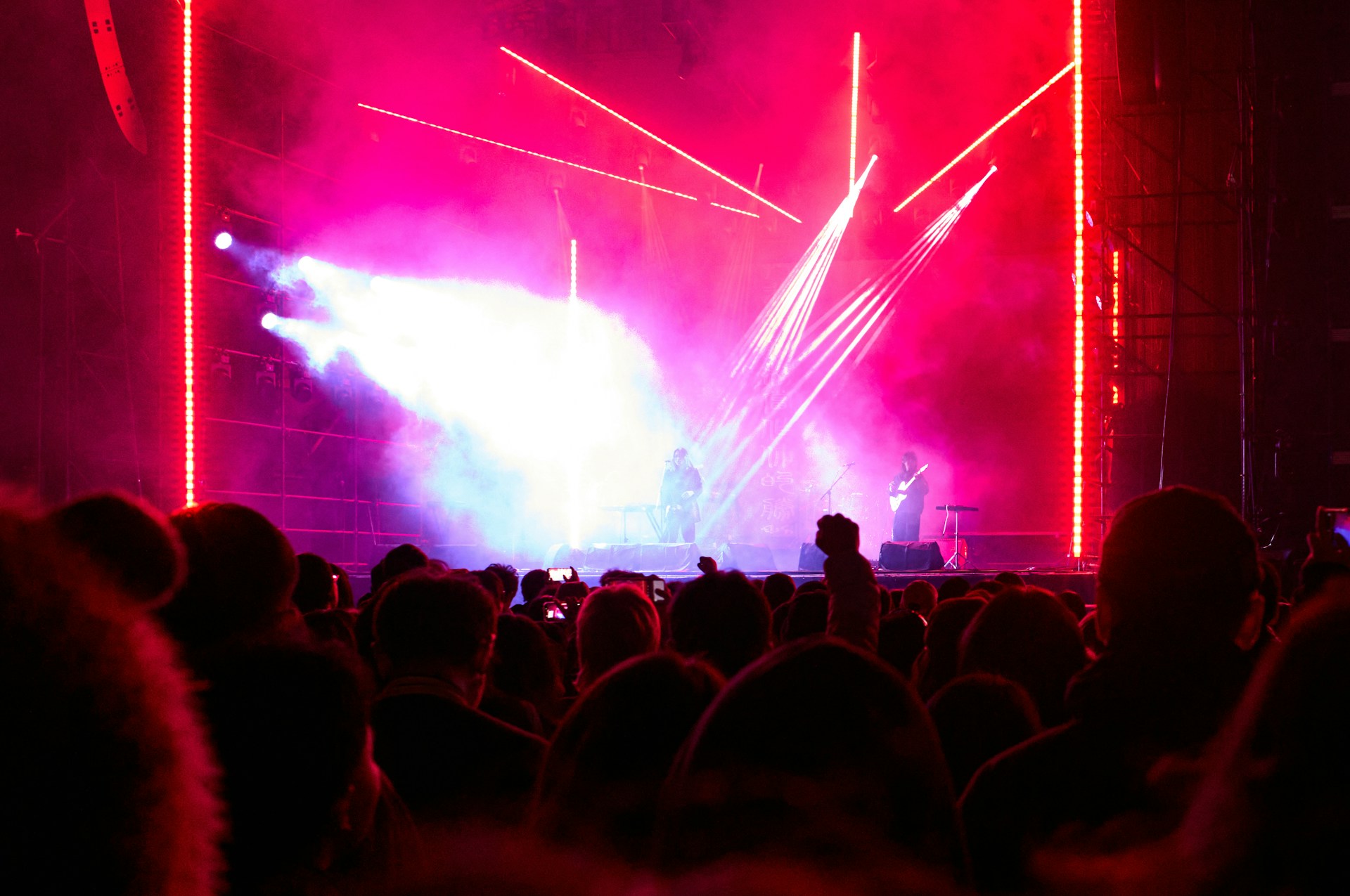
What you get for the ticket is not a typical awards ceremony. Most of the twelve shortlisted acts perform live, usually one song each, usually stripped back, and the sequencing throws a jazz quartet next to a pop star next to a drum’n’bass producer in a way no promoter would ever willingly book. It’s the one night of the year where those audiences share a room. Maia Beth is back doing red carpet and interviews for the prize’s channels.
If you’re travelling up, the arena sits on the Tyne about fifteen minutes’ walk from Central Station, which is worth knowing because the last trains south go early and a lot of people end up staying over. The city handles it well – it’s had plenty of practice.
My prediction, for what it’s worth
Suede win it. Not because Antidepressants is my album of the year – I’ve put Knats above it – but because it satisfies both instincts the judges are pulling between. It’s a serious critical success from a band whose relationship with this prize goes back to its first night, and it’s a record about middle age falling apart that no twenty-five-year-old could have made. Mercury panels like a narrative and that’s a good one.
If it isn’t Suede, it’s Dave, and the conversation becomes about whether a second win means anything.
What I’d actually love is for the room to be quiet and confused for a second on 22 October while a Geordie jazz band nobody outside the North East had heard of last spring walks up to collect it. That’s the version of this prize worth keeping.
Where would you have put Olivia Dean – or is a seven-week number one exactly what an album of the year is supposed to look like?
More from Lifestyle Reviewer: the case that the best British pop record of 2026 missed the Mercury by a week, how Britain turned podcasts into telly, the £125 Sunday ticket that’s the bargain of the bank holiday, ten sold-out O2 nights that skipped the stadiums, and how to actually get Last Night of the Proms tickets.
Sources: Official Charts for the shortlist, War Child UK on HELP(2), NME on Emotional Junglist, and Uncut on Antidepressants.