Nigella Lawson Bake Off 2026: Why Replacing Prue Leith Is Channel 4’s Smartest Move Since the £25m Deal
Nobody in the tent asked for the fork to matter this much. Yet the loudest talking point after Nigella Lawson’s first Nigella Lawson Bake Off episode wasn’t a soggy bottom or a collapsed showstopper. It was how she ate the cake, in small, deliberate mouthfuls, while half of Twitter wondered if she was protecting her lipstick. That tells you everything about how much a single judge can shift a show that’s been on air for sixteen years.
In This Article
- Nigella Lawson Bake Off: A Casting Nobody Should Have Been Surprised By
- What the Tent Looked Like Before Her
- The £25 Million Lesson Channel 4 Already Learned
- Cake Week, Bit by Bit
- Twelve Bakers, Two Episodes In
- The Fork Thing, and Why It's Not a Story
- Three Judges, Three Different Jobs
- Where Nigella Might Go Wrong
- The Real Competitor Isn't Another Channel
- The Bit I'd Ditch: The Themed Showstopper Gimmick
- What to Watch as the Tent Empties
Channel 4 has done something rare with series 17: it has made a safe, cosy format feel slightly unpredictable again. Whether it lasts is another matter.
Nigella Lawson Bake Off: A Casting Nobody Should Have Been Surprised By
Series 17 started on Tuesday 22 September at 8pm on Channel 4, with Alison Hammond and Noel Fielding hosting, Paul Hollywood still holding the clipboard and Nigella in the seat Prue Leith retired from after last year’s run. Twelve bakers, ranging from a 21-year-old law student to a 67-year-old retired garment technologist, all facing a judge who has spent the best part of three decades telling Britain that eating is a slightly indecent pleasure.
Look at it from the channel’s side and the logic is obvious. Prue was a brilliant fit for the years she had, all pearls and quiet mischief, but she was in her eighties and the format had settled into a pleasant rut. Nigella doesn’t do rut. She does a hush, a raised eyebrow and a line like “I like a bit of goo”, which the Scotsman’s columnist seized on in a piece arguing she has made the show “well and truly back”.
I’d go further. This is the first genuinely bold piece of casting Bake Off has attempted since it left the BBC.
What the Tent Looked Like Before Her
Rewind to 2016. Bake Off’s seventh series, the last on the BBC, averaged 13.56 million viewers. Channel 4 then paid a reported £25 million to take it, outbidding the BBC’s £15 million, and the first Channel 4 series averaged 9.01 million. That was the honeymoon. Since then the trend has been a slow, steady slide: 10.87 million in the lockdown year of 2020, then under 7.5 million in each of the last two series, going by the consolidated figures compiled on Wikipedia’s series table.
Even the 2024 opener, series 15, is a useful yardstick. It pulled 3.6 million overnight and 7.72 million on seven-day figures. Those are still enormous numbers for a modern channel, but they’re the numbers of a show being watched out of habit.
Habit is comfortable. It’s also how programmes drift into being wallpaper.
The £25 Million Lesson Channel 4 Already Learned
It’s worth remembering how fragile this is, because Channel 4 has been here before. When the show moved in 2017, Mary Berry, Mel and Sue all stayed at the BBC. What came across was the tent, Paul Hollywood and a promise. The first Channel 4 series averaged 9.01 million against the BBC’s 13.56 million a year earlier, a drop of roughly a third, and it never got back near that peak.
The channel spent the next few years steadily rebuilding trust, with Noel Fielding, Sandi Toksvig, Prue and later Alison Hammond doing the work. It was careful, warm and slightly dull. The Nigella appointment is the first time since that move that the channel has taken a proper swing rather than a careful step.
It matters because the alternative is drift. A show that loses a percent or two a year never has a crisis to point at; it just gets a little smaller until the conversation is about whether it’s worth its slot. Casting a judge who instantly generates clips, arguments and a day of coverage is how you buy yourself another five years.
Cake Week, Bit by Bit
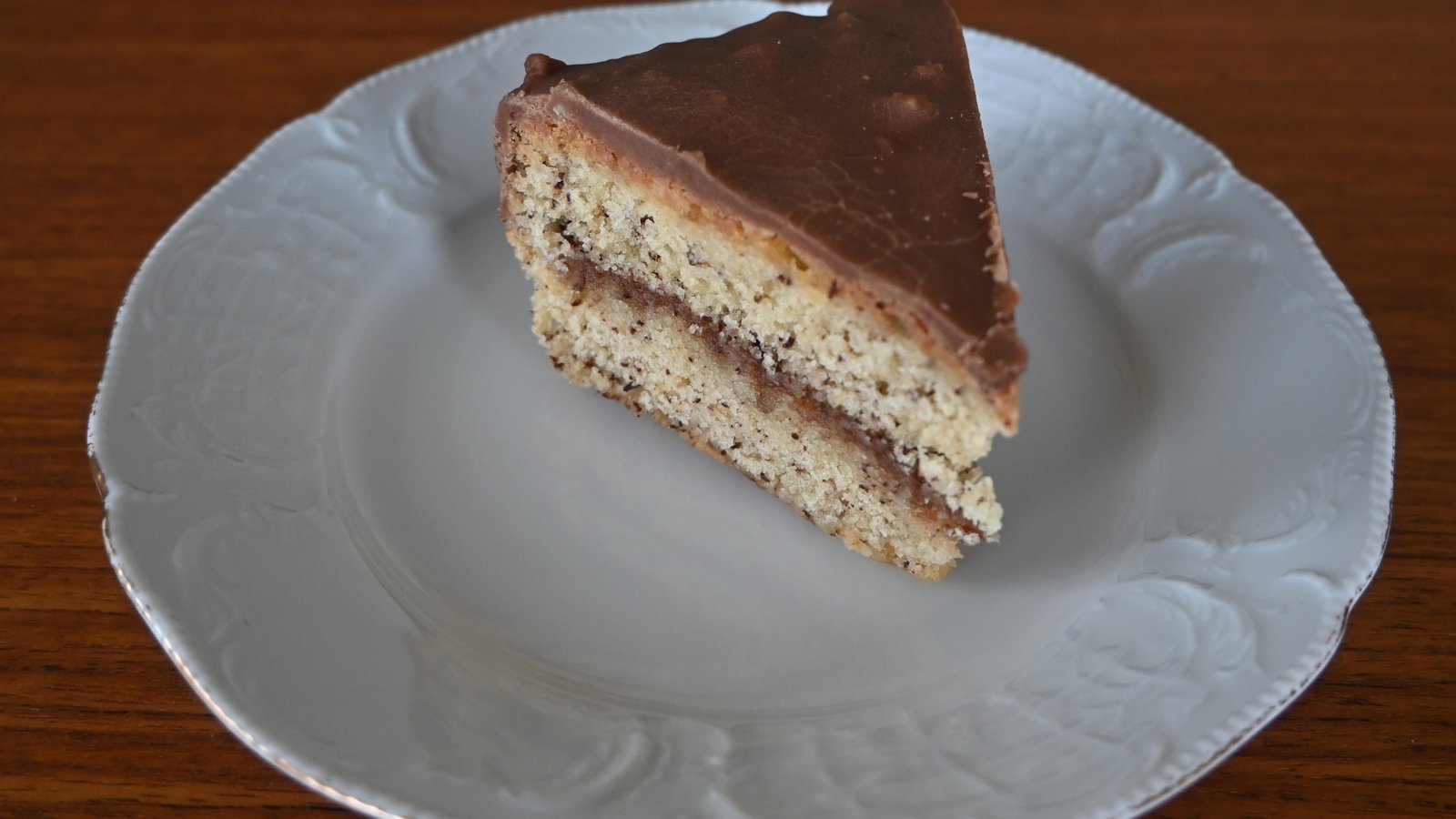
The opening episode was pure comfort-food structure: chocolate stout cakes for the signature, Nigella’s own coffee and walnut layer cake for the technical, self-portrait cakes for the showstopper. The twist on the technical was neat. Bakers got an illustration and no written recipe at all, which is the sort of cruelty the show has been missing since its best years.
Mo, 21, took Star Baker with a peanut and caramel chocolate stout cake. Molly’s sponge fell. Danni’s stout cake and her showstopper both went sideways. Clara’s sugar dome shattered, the kind of disaster that used to define the show. And then the twist: nobody went home, because Shannon was ill and couldn’t finish the showstopper, so the judges hinted at a double elimination the following week.
The best moment, though, belonged to Gabe, who built a self-portrait with a breakable mirror that cracked open to reveal his drag persona. Nigella responded to it with more warmth than anything else in the hour. Which is the point: she reacts like an audience member first and a judge second.
Twelve Bakers, Two Episodes In
Too early for favourites, and I’d distrust anyone who claims otherwise. The show has a habit of building a narrative around whoever gets Star Baker in week one, and then quietly dismantling it by week four. Mo has the early edge, but it’s a peanut and caramel stout cake, not a title.
The cast list is worth a look all the same. It runs from Clara, 24, a marketing graduate, to Gary, 67, a retired garment technologist, and it includes Connie, an NHS hospital discharge lead, and Yannis, a paediatric doctor. There’s a hairdresser, Tom, an HGV service centre administrator, Danni, and Gabe, an artist and drag king who says he found baking by watching the very first series at 13. That last detail is oddly moving. Somewhere out there, a whole generation grew up on this show and has now walked into the tent.
That, more than any judge, is the argument for why Bake Off should last. It has its own alumni now.
The Fork Thing, and Why It’s Not a Story
Let’s deal with it, because half the internet already has. Viewers on social media found Nigella’s careful way of eating baffling, and the entertainment sites, including TV Guide, ran the “why is she eating like that?” line to death. Some called her a breath of fresh air in the same breath.
It’s a non-story. She’s a woman who’s spent her career being filmed eating, and she has technique. If anything the reaction proves the show’s real problem: it’s been so quiet for so long that a judge tasting a sponge slightly differently counts as an event.
And that’s the contrarian bit I’ll stand behind. The fork chatter is a good sign, not a bad one. Nobody memed Prue’s tasting style in eight years, because nobody was watching that closely.
Three Judges, Three Different Jobs
It helps to be clear about what each judge on this show has actually been for. Mary Berry was the reassurance: a bad bake was met with a small, pained “oh dear” and viewers felt the sting on the baker’s behalf. Prue Leith was the appetite, someone who wanted the thing to taste of something and said so, usually with a smile and an aside about her own kitchen disasters. Paul has always been the rules, the man who can spot an underproved loaf from across the tent and will tell you about it in two words.
Nigella is a fourth job entirely. She’s the desire. She talks about cake the way other people talk about a holiday they’re still thinking about, and she pulls the bakers into describing flavour instead of technique. That’s a genuinely different register for the show, and after two episodes it’s the most interesting thing about it. Whether the bakers can live up to her vocabulary is a different question, because a cardamom sponge that’s merely fine will now be described, in front of eight million people, as not savage enough.
Where Nigella Might Go Wrong
Ed Power’s review in the Irish Times praised the charm but raised the obvious danger: a presence that big can flatten everything else in the frame. Paul Hollywood, for one, looked oddly humbled beside her in week one. The bakers seem to defer to her more than they ever did to Prue, and that deference risks turning them into extras.
That’s the real test for the next two months. Bake Off works because it’s a story about twelve amateurs. The minute it’s a story about one famous woman and her opinions on cardamom, it’s Strictly with buttercream. Strictly has been living with the same tension this autumn, and our look at the new Strictly hosts shows how far a fresh face can carry a long-running format.
A second worry: the judging itself. Nigella’s lines are quotable (“Don’t let the sugar shout, let it sing” was the one everyone repeated), but quotable isn’t the same as useful. Prue, for all her gentleness, would tell a baker precisely what went wrong. If Nigella stays in poetry mode and Paul keeps supplying the technical verdicts, the tent has a pleasant double act but a lopsided one.
The Real Competitor Isn’t Another Channel
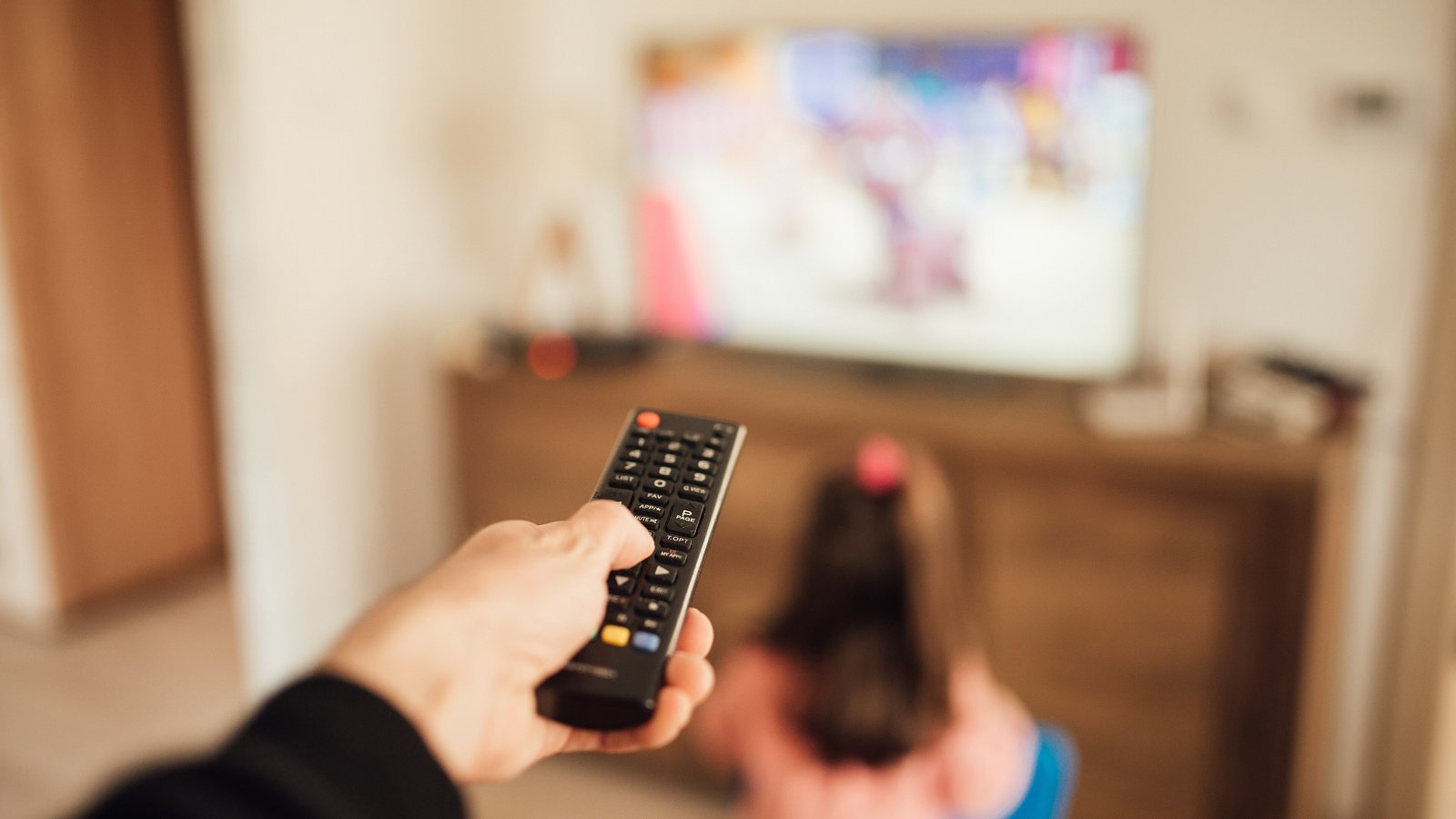
The old fight was one channel against another at eight on a weeknight. That fight has mostly gone. The competition now is your thumb on the remote, and a decision about whether a weekly episode deserves a fixed slot in the diary at all.
Bake Off has a structural advantage there that the streamers are still trying to copy. It’s a show that can’t be binged, because it’s a show about a week. Cake Week, then Biscuit Week, which followed on 29 September, then bread, and so on. Every episode lives and dies on being watched roughly when it airs, because the group chat has moved on by Thursday. That’s the argument I’d make for Channel 4 keeping the weekly drip even when the streaming numbers make the case for dumping everything at once.
Other UK formats are wrestling with the same question. Our round-up of UK game shows in 2026 looks at which formats still earn a live audience, and the Big Brother 2026 review asks the same question of a very different kind of Channel 4-era reality show. And if you’re one of the growing number who now watch with the subtitles on, a chatty, mumbly show like this one is quietly one of the easier ones to follow.
The Bit I’d Ditch: The Themed Showstopper Gimmick
Here’s my other unpopular view. The self-portrait cake was clever television and a bit of a dud as baking. When the brief is “make a cake that looks like you”, the judging shifts from flavour to likeness, and nobody wins that argument. It rewards sculpting, not baking, and half the bakers’ faces looked like melted candles by the end.
Gabe’s mirror cake worked because the idea was strong, not because of the crumb. That’s fine for a moment of theatre. It’s a poor way to pick a champion.
Bake Off’s best years were the ones where a showstopper was hard because the bake was hard, not because the theme was silly. Nigella’s technical, with its no-words illustration, points the right way. More of that, fewer sponge portraits.
What to Watch as the Tent Empties
Series 17 has a long road, and judging a show on two episodes is daft. Yet a few markers matter. Watch the consolidated seven-day figures when Channel 4 releases them; if the series is holding above last year’s 6.89 million average, the Nigella bet has paid. Watch whether the double elimination lands with any bite, because a first-week reprieve can make the second week feel like a punishment. And watch whether Paul gets any room. His best television is still the handshake, the rare and hard-earned one, and he looked short of a moment in week one.
The show has one thing on its side that no marketing budget buys: it’s a programme people talk about in offices on Wednesday morning. My mate who never watches anything British was still sending me Nigella clips at half ten on Tuesday night. That’s the sort of pull a channel would pay £25 million for, and this time it arrived free with a new judge.
So which Nigella turns up when the tent gets to bread – the one who likes a bit of goo, or the one who quietly marks a soggy bottom down?