
Best E-Reader Under £100 in 2026: Why the £94.99 Kindle Beats the Paperwhite Before the Clocks Go Back
There’s exactly one e-reader you can buy new in Britain for under £100, and it isn’t the one everybody recommends. The best e-reader under £100 is the basic Kindle at £94.99, and the reviews that push you towards the £159.99 Paperwhite are, for most readers, asking you to pay £65 for a bigger screen and a waterproof rating you’ll never test.
In This Article
- Best e-reader under £100: the £94.99 Kindle, and the catch
- What the extra £65 for a Paperwhite actually buys
- The Kobo argument, and why it costs £55 more
- Dark evenings: what the light really does
- The waterproof rating is overrated
- Which one, for which reader
- Who shouldn't buy an e-reader at all
- What the spec sheets leave out
- Buy now, or wait for Black Friday?
- Half-term, flights and everything else in the bag
- The verdict
That’s a strong claim, so here’s the working. And it matters more this month than most, because the clocks go back on Sunday 25 October and the evenings shut down early.
Best e-reader under £100: the £94.99 Kindle, and the catch
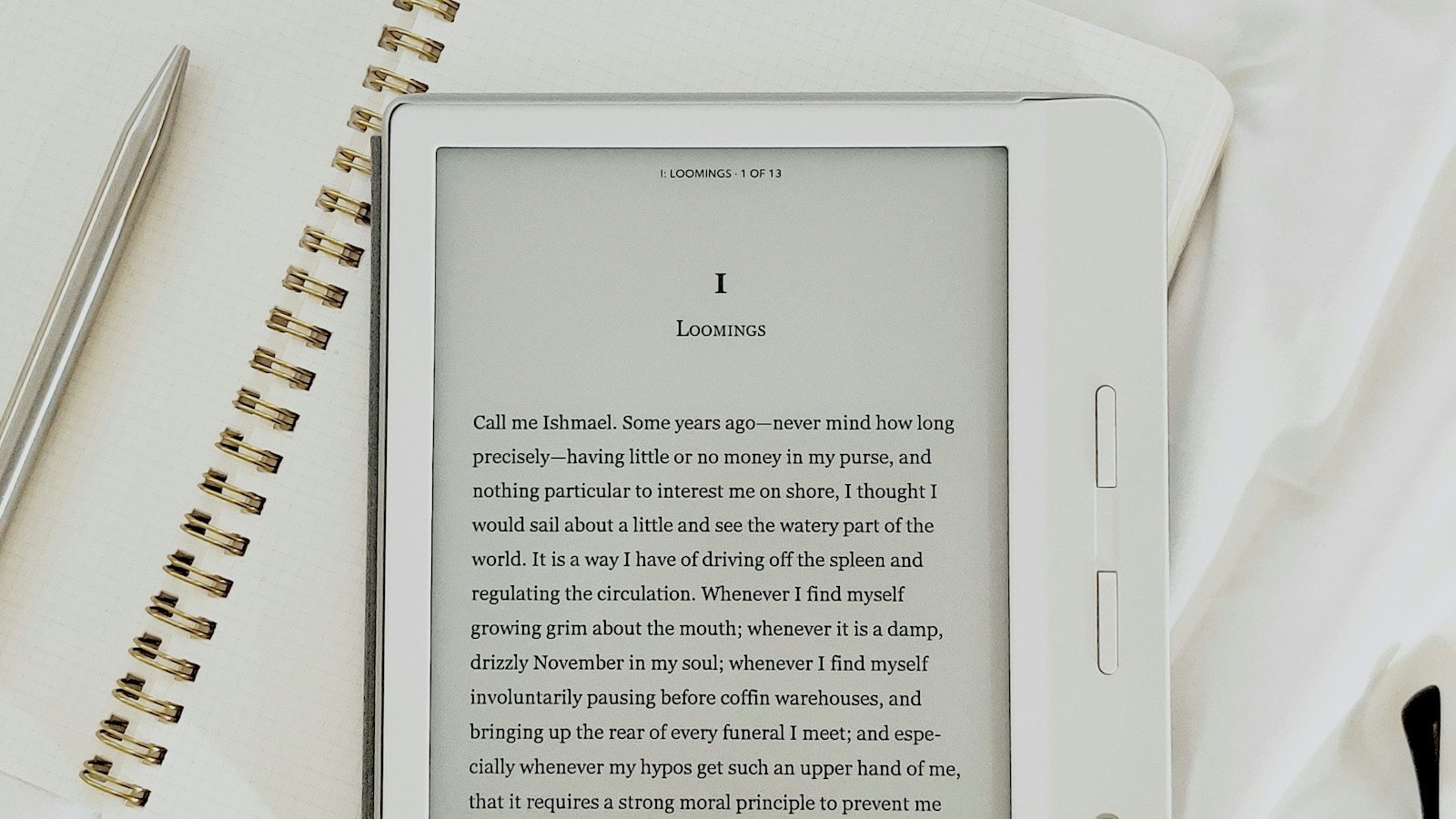
Amazon’s own UK Kindle buying guide lists the standard Kindle at £94.99, with a 300ppi screen, 16GB of storage and a built-in front light. Battery life is quoted in weeks. It isn’t waterproof.
Read that spec line again. 300ppi is the sharpness that used to be reserved for the dearer models, and 16GB holds far more books than you’ll read before the thing is obsolete. The older £59.99 Kindle had no light at all, which made it useless in bed. This one has one.
The catch is the Amazon lock-in. Buy a Kindle and you’re buying into Amazon’s store, its file format and its idea of what a library is. You can still get your own files onto one through Amazon’s send-to-Kindle service, but it’s a bit of a faff compared with dragging a file onto a Kobo. If you already have a shelf of Kindle purchases, none of this matters. If you don’t, it’s worth pausing.
Cheap doesn’t mean compromised here. It means one screen size, one storage option, no frills. That’s fine.
What the extra £65 for a Paperwhite actually buys
The Paperwhite sits at £159.99 on the same Amazon guide. You get a 7-inch screen, waterproofing and a battery Amazon puts at around three months. The step up is £65, which is 68% more money for the same 16GB of storage.
The bigger screen is nice. It’s also not transformative. A 6-inch e-reader fits in a coat pocket and a lot of handbags, and a 7-inch one mostly doesn’t. People who read on the train will notice that before they notice the extra half inch of text.
Battery is the more honest argument. Weeks versus months sounds like a big gap on paper. In practice, if you charge a phone every night anyway, plugging in a USB-C cable once a month isn’t a chore that ruins anyone’s autumn.
So who should spend the extra? Anyone reading in the bath, on a sunlounger with a toddler splashing nearby, or on a boat. For everyone else, £65 buys about eleven paperbacks, and that’s a sharper comparison than any spec sheet.
The Kobo argument, and why it costs £55 more
Here’s where I’d part company with the Kindle-or-nothing crowd. The Kobo Clara BW is £149.99 on Kobo’s UK site. That puts it £55 above the basic Kindle and £10 under the Paperwhite, so it isn’t a budget option and it doesn’t qualify for this list. But it’s the model I’d steer certain people towards.
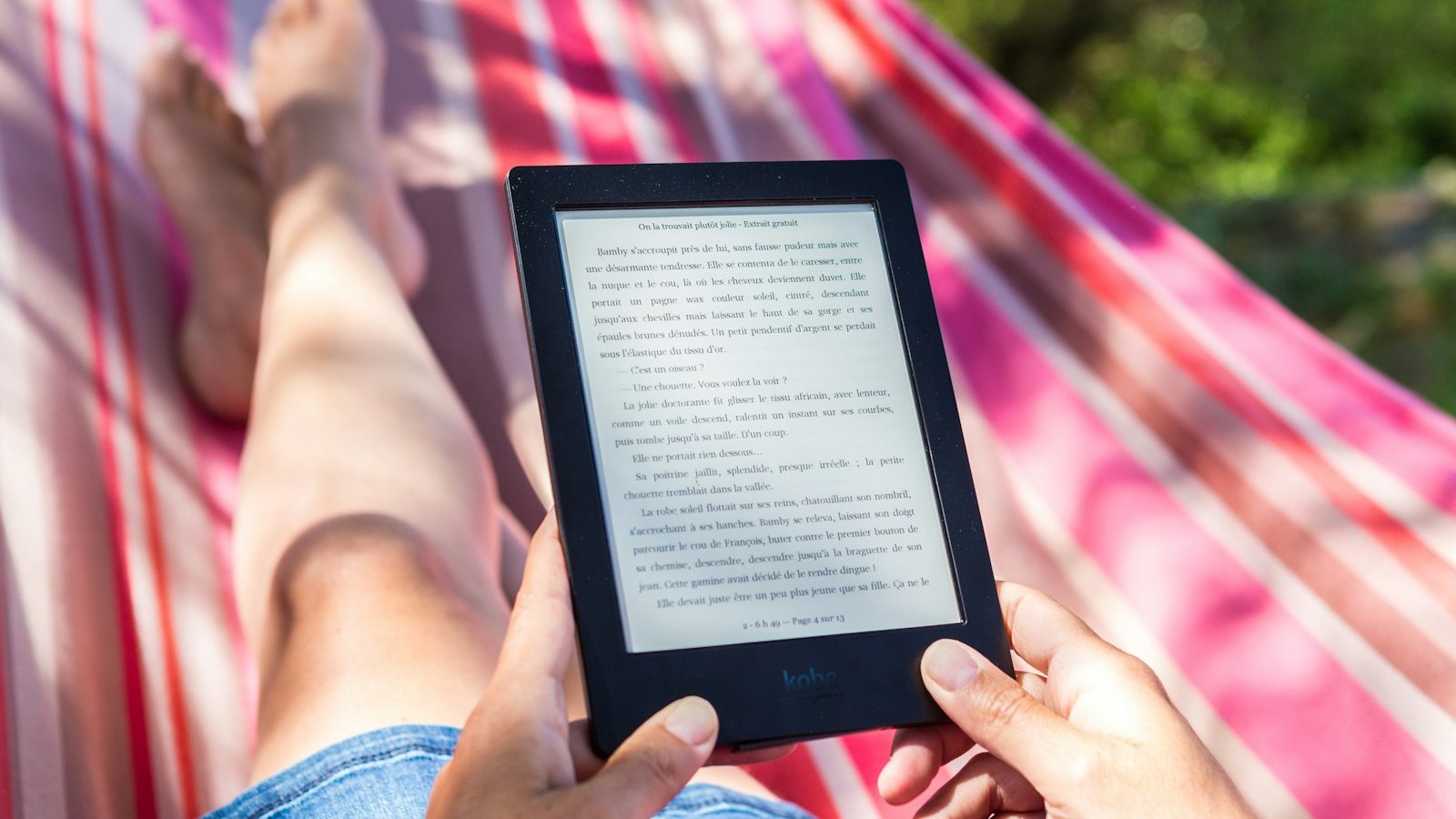
It’s a 6-inch black and white touchscreen with 16GB, a Carta 1300 panel at 1448 x 1072, and an IPX8 waterproof rating (Kobo says up to 60 minutes in two metres of water). Battery is claimed at up to 53 days at 30 minutes a day with the light at 10%. It also has Bluetooth for audiobooks and a dark mode.
The real reason to pay for it is libraries. Kobo says the Clara BW can borrow ebooks from your local library through integration services. As far as I can tell, Kindles sold in the UK don’t do that natively, and I’d check before relying on it because Amazon’s setup has changed over the years. If your library card is already doing a lot of work, a Kobo pays for itself in a season. Ten borrowed books a year at a typical hardback price of about £14 is £140 you didn’t spend.
The Kobo also reads open formats without the workarounds. It’s the pick for anyone who buys books from a few places, or who’s uneasy about handing their whole reading life to one company.
But it’s still £55 more, and you’ll only get that back if you actually use the library.
One more thing on price. The gap between the three models is smaller than it looks if you spread it over the years you’ll own one. An e-reader that lasts five winters makes the Paperwhite’s premium about £13 a year, and the Kobo’s about £11. That’s the fair way to weigh it, and it’s why I wouldn’t call either dearer model a rip-off. I’d just call them unnecessary for most people.
Dark evenings: what the light really does
The clocks go back on 25 October. By the end of that week, sunset in London lands somewhere around half past four, and further north it’s earlier. The commute home is in the dark. So is most of the evening.
That’s where an e-reader stops being a gadget and becomes a lamp with a book inside it. A front-lit e-ink screen doesn’t throw light into the room the way a phone does, and it doesn’t bring the constant pull of notifications either. If you’ve been reading on your phone in bed, that’s the actual upgrade: you swap a bright, buzzing screen for one that just shows a page.
Worth saying that this isn’t a cure for anything. I wrote about SAD lamps a few days ago, and the point there was that a light box and a reading light do different jobs. An e-reader’s light is for reading. It won’t do anything for your mood, and it won’t replace daylight.
All three models above have a front light, though only the Paperwhite and the Kobo are waterproof. If you read late, turn the brightness down further than you think you need to. Most people leave it too high.
The waterproof rating is overrated
This is my contrarian bit. Waterproofing gets treated as the feature that separates the serious e-readers from the toys, and for most people it’s nothing of the sort.
Ask how many times you’d actually drop an e-reader in a bath. Once, maybe, in years of ownership, and if it happens you’ll be glad of the rating. But you’d be paying £65 upfront for a scenario that mostly never arrives. A £94.99 device that gets dunked once and replaced still costs less than the dearer one.
There’s a fair argument on the other side. Beach holidays, hot tubs, kids’ bags and rainy festival campsites all shorten the life of a device that isn’t sealed. If any of that is your actual life, buy the Paperwhite or the Kobo and stop reading this.
But if you read on the sofa and the 8:14 to Reading, skip it.
Which one, for which reader
The commuter who reads for forty minutes each way wants the £94.99 Kindle. It’s light, it’s cheap enough to lose without a row, and the light handles the dark platform.
The library user wants the Kobo, and should stop reading comparison tables. Nothing else here does the one job they care about.
The holiday reader is the awkward one. A pool, a boat, a wet campsite: this is where the Paperwhite earns its £159.99. But if the trip is a week in a dry cottage with a log burner, the basic Kindle is plenty. Be honest about which trip you’re actually taking.
And the person buying for someone else? Basic Kindle, with the receipt in the box. It’s the safest £94.99 you can spend on a present, and nobody feels pressured by a price that reads as modest.
Who shouldn’t buy an e-reader at all
Cookbooks, art books, magazines, PDFs with tables in them. A 6-inch black and white screen is miserable for all of these. You’ll pinch and zoom, lose the layout and give up by page four. If your reading is mostly illustrated, a tablet or the paper original will serve you better, and no e-reader at any price fixes that.
Colour e-readers don’t change the picture much either. Amazon’s Kindle Colorsoft is £239.99 on the same UK guide, which is £145 above the basic Kindle for a screen that suits comics and covers more than novels. If you mostly read fiction, that’s money spent on a feature you’ll look at for the first week and forget.
What the spec sheets leave out
Page turns on any e-ink screen are slower than swiping on a phone. It’s fine after a day, and it can feel oddly sluggish in the shop. Don’t judge it in the first ten minutes.
Storage doesn’t matter. 16GB is thousands of novels, and audiobooks are the only thing that will fill it. Any listing that sells you 32GB for an extra £30 is selling you space you’ll never touch.
A case is worth having, and it’s the bit people forget when they set a budget. I’m guessing at £15 to £20 for a decent one, which pushes the £94.99 Kindle to roughly £110 all in. That’s still well under the Paperwhite, but it’s the honest number.
And the browser. Both machines have one, and both are dreadful. Treat it as an emergency exit and nothing more.
Buy now, or wait for Black Friday?
Black Friday lands on 27 November this year. Amazon tends to knock money off its own devices, and I’m guessing here, but the basic Kindle dropping into the £70s wouldn’t surprise me, based on how Amazon handles its own hardware. I don’t have a confirmed price and I’m not going to pretend I do.
Our Black Friday tech deals piece goes through when waiting beats buying, product by product. The short version for e-readers: if you’re reading on your phone in bed tonight and the clocks are about to change, £94.99 now buys you the whole of the dark season with a book in hand. Waiting saves you something like a pub round, if it saves you anything at all.
If you can honestly wait, wait. If you can’t, don’t feel bad about it. The price difference is smaller than the value of a good book on a dark Tuesday.
Half-term, flights and everything else in the bag
E-readers earn their keep on holiday. One device replaces a stack of paperbacks, and it weighs less than a single hardback. If you’re flying over October half-term, our guide to October half-term breaks has plenty of reasons to be carrying a bag you’d rather keep light.
Battery is worth a thought if you’re travelling with a phone, a tablet and a pair of headphones. Neither the Kindle nor the Kobo will trouble your power bank, but if you’re carrying one, the 100Wh power bank rule we covered is worth a look before you pack.
Audiobooks are the other side of the same question. If you’d rather listen than read, the Kobo’s Bluetooth support is a genuine point in its favour, and our UK audiobooks guide covers where the good ones live. The basic Kindle isn’t the device for that, so factor it in before you buy.
Buying one for a relative? Our piece on photo frames for grandparents makes the same argument as this one: check for a hidden subscription or lock-in before you hand over money. An e-reader has fewer traps than a photo frame, but Amazon’s ecosystem is still a choice, not a neutral default.
The verdict
Buy the £94.99 Kindle if you want the cheapest good e-reader and you don’t mind Amazon’s store. It’s the only one under £100, it has a front light, and the screen is sharp. Most people should stop there.
Buy the Kobo Clara BW at £149.99 if you borrow from the library or want to load your own books without fuss. It’s the smarter long-term purchase for the right reader.
The Paperwhite at £159.99 is the one to skip unless you really do read in water. It’s a nice device. It isn’t £65 nicer.
So here’s the question for the dark evenings ahead: which is doing more damage to your sleep, the book you can’t put down or the phone you’re reading it on?