

Why Britain Keeps Watching TV With Subtitles On In 2026
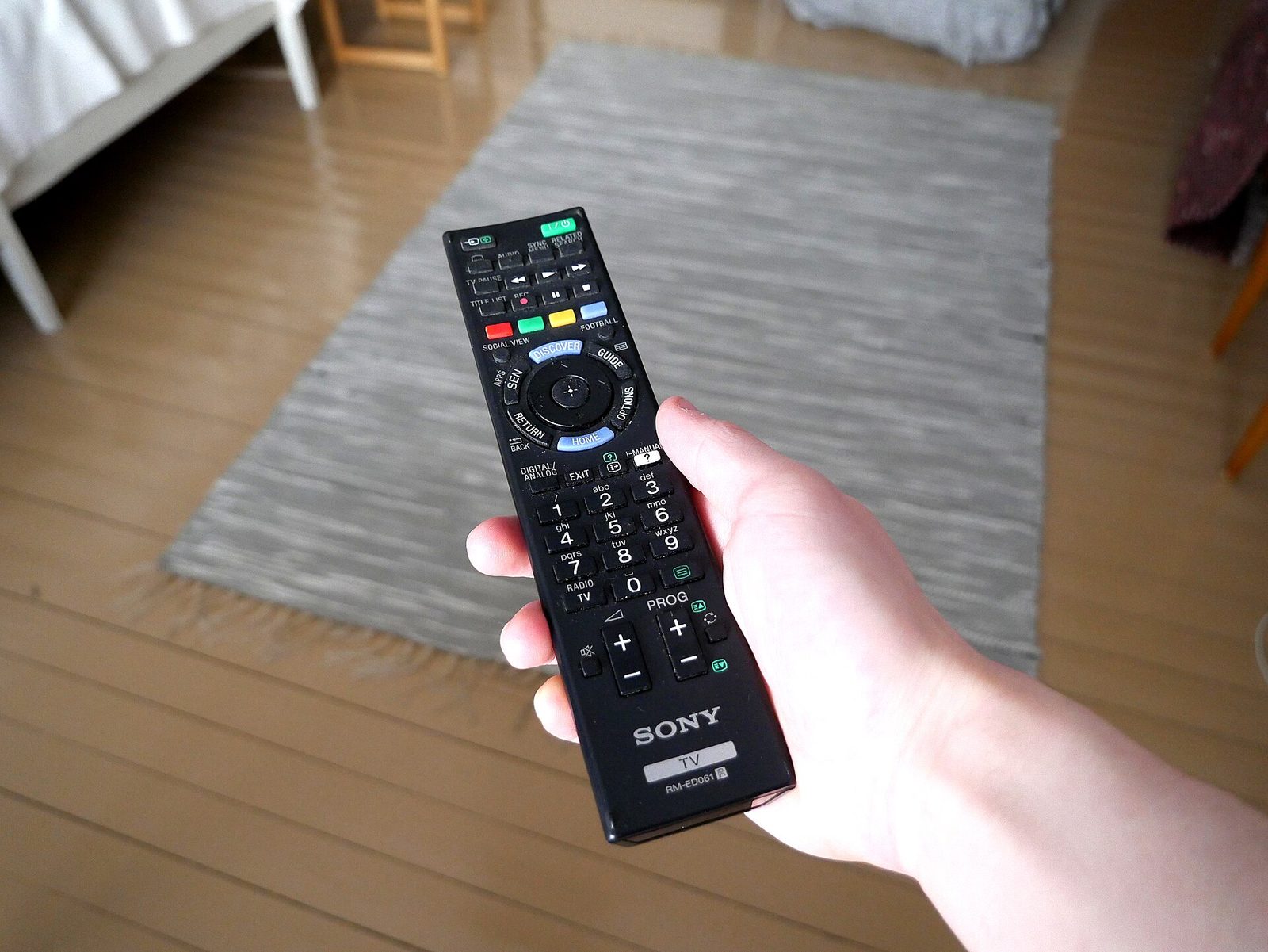
There’s a small ritual that plays out in millions of British living rooms every night, and most of the people doing it have stopped noticing. Remote in hand, programme cued up, and before a single line of dialogue lands, the captions go on. Watching TV with subtitles has become the default rather than the exception, and not because the nation’s hearing has suddenly packed up. Something else is going on, and the telly industry has been slow to admit its own part in it.
In This Article
- The numbers the broadcasters would rather not dwell on
- It started with the sound, not the screen
- Peaky Blinders did the rest of the job
- The one-inch barrier came down years ago
- Half the time we’re not really watching
- The snobbery is the daft part
- What the industry is quietly doing about it
- Fixing the sound before you blame your ears
- So what does it actually say about us
Worth saying early: a lot of what sends people to the subtitle menu is the telly itself. Flat screens have nowhere to put a decent speaker, and our pick of the best soundbars under £150 fixes muddy dialogue for less than a licence fee.
Ask around and you’ll get the same shrug. “I just leave them on now.” My sister-in-law, who is 34 and has the ears of a bat, won’t start an episode of anything without them. And once you’ve started, you can’t go back. The captions stop being a help for the hard of hearing and become the way you watch, full stop.
The numbers the broadcasters would rather not dwell on
This isn’t a hunch. The charity Stagetext found that around 80 per cent of 18 to 24-year-olds use subtitles some or all of the time, against just 23 per cent of those aged 56 to 75. Read that again, because it’s the wrong way round. The older group is roughly twice as likely to actually be deaf or hard of hearing, yet it’s the young, sharp-eared lot reaching for the captions.
A separate YouGov survey, reported by NME, put it at almost two-thirds of young people watching with subtitles switched on. Whichever figure you trust, the direction is the same.
Stagetext’s chief executive Melanie Sharpe summed up the generational split neatly: “There’s far more acceptance of subtitles by young people because it’s the norm, whereas with an older age group, it isn’t necessarily the norm.” In other words, nobody under 30 thinks captions are an admission of anything. They’re just part of the furniture, like the volume bar or the pause button.
And here’s the bit that should give programme-makers pause. The same research found that 42 per cent of people who use subtitles cite concentration as a reason. Not hearing loss. Not a noisy room. They simply follow the story better when they can read it too. That’s a quiet vote of no confidence in the audio.
The habit doesn’t stop at the sofa, either. Stagetext’s work on live events found that nearly half of 18 to 24-year-olds would go to the theatre, comedy or gigs more often if captions were on offer, against about one in six of the over-56s. The generation that grew up reading along at home now expects it everywhere, and that’s a real commercial signal for venues rather than just a nicety.
It started with the sound, not the screen
So why has dialogue got so hard to catch? The honest answer is that the way television and film are mixed has changed, and not for the benefit of someone watching on a flat panel with two tinny speakers firing backwards into the wall.
Modern mixes have enormous dynamic range. The gap between a whispered line and the next big swell of music or gunfire is now vast, so you nudge the volume up to hear the conversation and then dive for the remote when the score kicks in and rattles the windows. Actors don’t project the way they used to either. Better microphones mean a performer can mutter naturalistically and still be picked up on set, which is great for realism and miserable for anyone trying to decode it from the sofa.
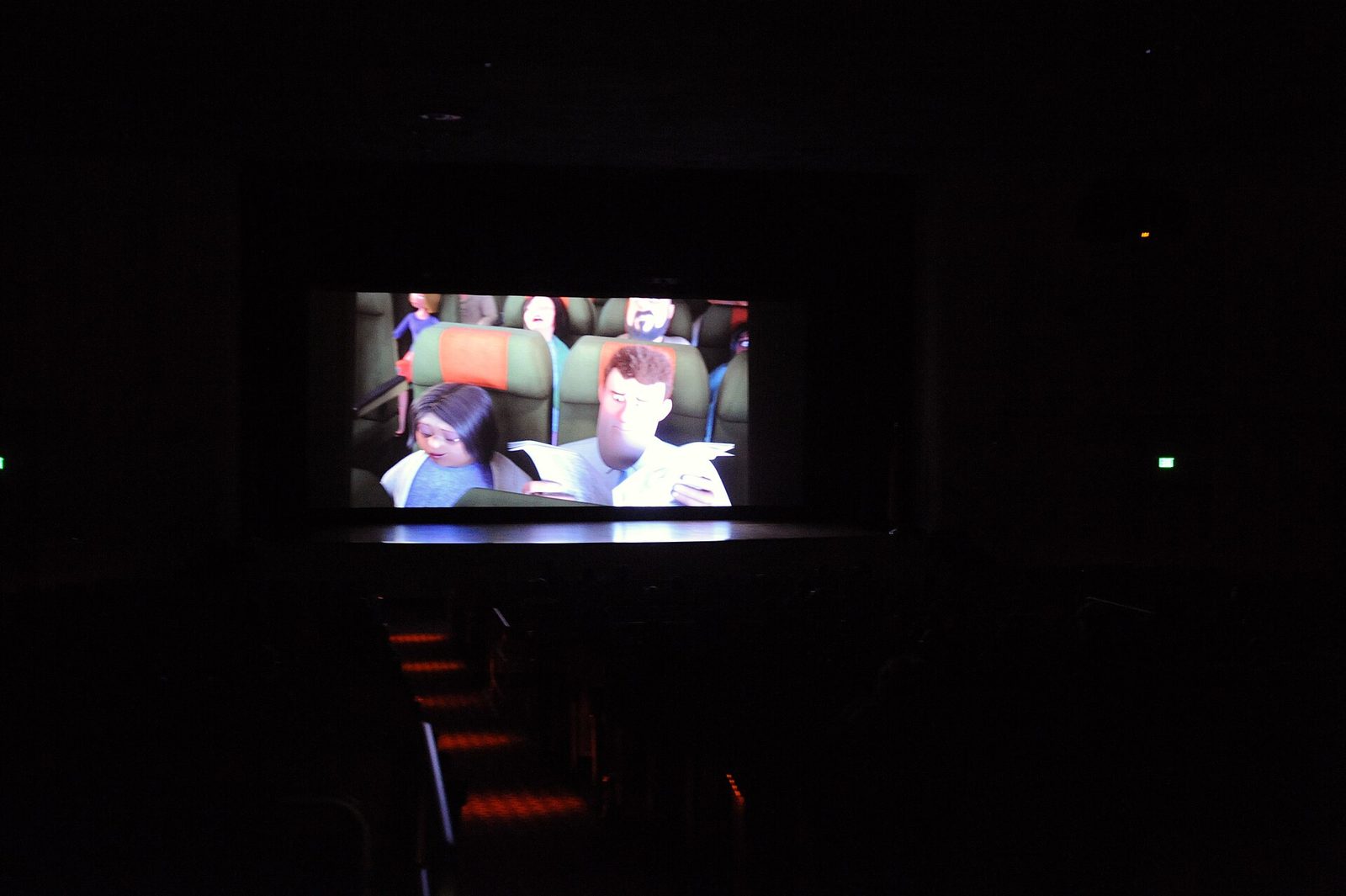
There’s also a simple mismatch baked into the process. A film gets mixed for a cinema with a calibrated sound system and a room built for it. That mix then gets squashed down for home, where it’s replayed through a telly thinner than a paperback. The detail that carried the dialogue in the auditorium is the first thing to vanish on the journey to your front room.
Christopher Nolan has become the lightning rod for all this, fairly or not. He’s defended his approach more than once, refusing to re-record dialogue in a booth because he wants the performance as it happened on the day. As he told Variety, it’s “an artistic choice that some people disagree with, and that’s their right.” You can respect the principle and still spend half of Tenet wondering what anyone just said. Both things are true.
Peaky Blinders did the rest of the job
British telly added its own wrinkle: accents. We make a lot of regional drama, and we’re rightly proud of it, but a thick Brummie or Geordie delivery at conversational volume is a tall order for a viewer in Surrey watching at half ten with the sound low so as not to wake the kids.
Peaky Blinders trained a generation to caption on instinct. Give it a couple of episodes and the habit sticks for everything else, too. By the time the show wrapped, half its audience had probably forgotten what it sounded like without the words running along the bottom.
The one-inch barrier came down years ago
When Bong Joon-ho picked up his Golden Globe for Parasite in 2020, he told the room that once you get over “the one-inch-tall barrier of subtitles, you will be introduced to so many more amazing films.” At the time it sounded like a gentle ticking-off aimed at a Hollywood crowd that wouldn’t read. Five years on it reads more like a forecast.
Squid Game did more to normalise reading your telly than any accessibility campaign ever managed. So did The Bridge, Lupin, Money Heist and the steady drip of Scandinavian noir BBC Four was quietly serving up long before any of them. British viewers who’d never have chosen a subtitled film happily binged eight hours of Korean drama and didn’t think twice. Once your brain has done that a few times, the captions stop registering as text at all – you read without noticing you’re reading, the way you take in a road sign. And the second that becomes automatic, leaving them on for an English-language show is no decision at all. It’s just where the setting already sits.
Half the time we’re not really watching
Then there’s the phone in your other hand. Be honest about how you actually watch television now. It’s rarely the full, lights-down, undivided attention of twenty years ago. It’s on while you scroll, while you cook, while you half-listen and glance up. Subtitles are insurance for the distracted. They let you look away for thirty seconds, check a message, and still know what you missed without rewinding.
People watch in places that demand captions, too. On a train. In bed next to a sleeping partner. On a laptop with the volume off in a quiet office at lunch. The screen left the living room years ago, and once it did, reading became the sensible default. It’s the same shift that turned podcasts and audiobooks into a portable habit, just pointed the other way: where audio went mobile, video went silent.
There’s a generational tell buried in this as well. Younger viewers grew up watching on phones, in bedrooms, on the bus, in fragments. The telly was never the sacred centre of the room for them the way it was for their parents, so captions were simply how video worked from the off. Ask a 20-year-old to watch something without subtitles and you’ve taken away a tool they’ve always had, not spared them an inconvenience. The default got rewritten while the broadcasters weren’t really paying attention.
The snobbery is the daft part
Here’s where I’ll plant a flag. The idea that needing subtitles marks you out as lazy, or distracted, or part of some attention-span apocalypse is nonsense, and it lets the wrong people off the hook. If most of your audience can’t follow the dialogue without reading it, that’s not a failure of the audience. It’s a failure of the mix. Blaming viewers for a problem the industry built is a neat trick, and we shouldn’t fall for it.
But I’ll be just as hard on the captions themselves, because they’re often not good enough. Automated subtitles, in particular, can be a mess – a beat behind the speech, mangling names, turning a tense line into accidental comedy. Live captioning on news and sport is worse still, lagging so far behind that you’ve heard the goal before you’ve read that it’s coming. If broadcasters are going to lean on subtitles as the fix for muddy audio, the subtitles have to actually work. Too often they’re an afterthought bolted on at the end rather than something built in from the start.
And the fonts. Why, in 2026, are so many default captions still a chunky white slab with a drop shadow that smears across a bright scene? Apple and a few of the streamers have started letting you restyle them, which helps. Most living-room tellies still serve up something that looks like it was designed for a 1998 Teletext page.
I tried watching a big-budget streamer drama at a mate’s place last month on a brand-new telly, no subtitles, just to see how we got on. We caved within ten minutes. Two people, decent hearing, an expensive set, and we still couldn’t follow a quiet kitchen-table scene without the words. That’s not us. That’s the product.
What the industry is quietly doing about it
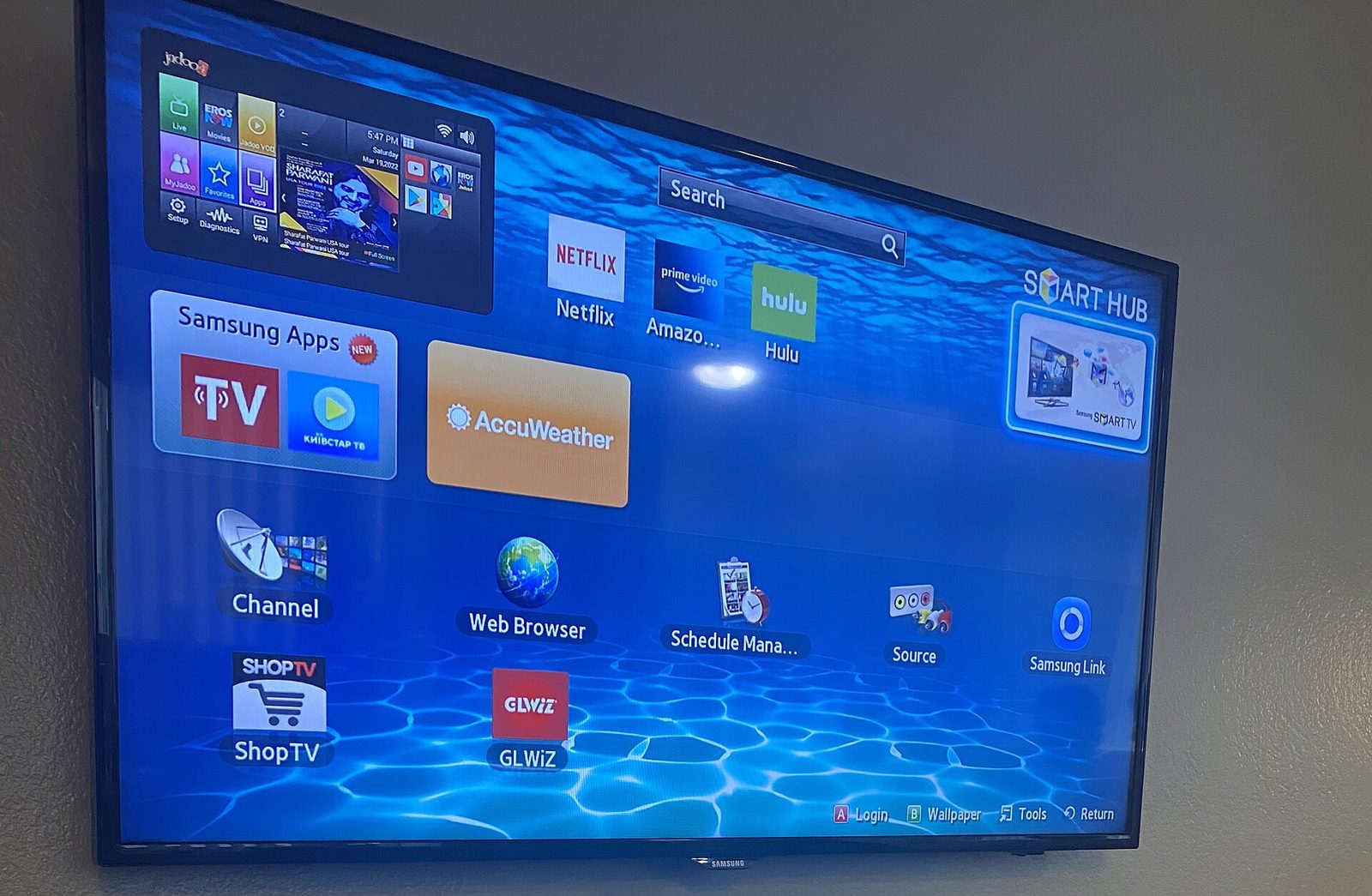
To be fair, the penny has dropped in places. Amazon’s Prime Video rolled out a Dialogue Boost feature that lifts speech relative to the music and effects, which is a tacit admission that the standard mix wasn’t cutting it. Several TV manufacturers now bury a similar “clear voice” or “speech enhancer” toggle in the audio settings, usually three menus deep where nobody finds it.
The BBC, meanwhile, captions a staggering amount of output, increasingly with automated systems doing the heavy lifting across hundreds of hours a day. The accessibility case for all this was always sound. What’s changed is that the feature built for a minority is now the setting the majority leaves on, and that flips the whole logic. Subtitles aren’t a bolt-on for some viewers anymore. They’re part of how the programme is consumed, and they deserve the same care as the colour grade or the score.
It’s telling that the one place dialogue still mostly behaves is the cinema, where the room is built for the mix and nobody’s glued to a phone. Part of the summer rush back to outdoor and big-screen film nights is about spectacle, sure, but part of it is just hearing a film the way it was meant to sound. You don’t reach for subtitles at the pictures. That gap between the auditorium and the front room is the whole problem in miniature.
You can see the knock-on effects everywhere if you look. The way we talk about shows has shifted now that everyone’s reading the dialogue, screenshotting the funny lines, quoting them word for word – the rise of film-logging culture runs on exactly that kind of close attention. Even the push to turn the living room into a proper home cinema is partly a response to this: people spending real money on soundbars precisely because they’re tired of squinting at captions to follow a thriller.
Fixing the sound before you blame your ears
None of this means you have to put up with mush. If your captions are on out of necessity rather than preference, there are settings worth trying before you surrender to reading every drama for the rest of your life. Most cost nothing. All of them are buried somewhere silly.
| Where to look | What it’s called | What it does |
|---|---|---|
| Prime Video (select titles) | Dialogue Boost | Lifts speech relative to music and effects; pick it from the audio track menu where available |
| Apple TV 4K | Enhance Dialogue | Rebalances the centre channel so voices sit above the score |
| Samsung TVs | Amplify / Active Voice Amplifier | Boosts speech frequencies, ducks background noise as it goes |
| LG TVs | Clear Voice Pro | Same idea, different menu; hiding in Sound Mode settings |
| Sony TVs | Voice Zoom | Isolates and raises dialogue without touching overall volume |
| Most soundbars | Speech / voice enhance | A dedicated speech mode; usually one button on the remote |
Two more tricks. Switch your TV’s sound mode out of “Cinema” or “Standard” and into whatever your set calls its speech setting – those cinema modes widen the mix and bury voices further. And if your telly is passing sound through to a soundbar or an old amp, try setting the audio output to PCM or stereo. On plenty of sets that forces a cleaner downmix, and quiet dialogue stops fighting the surround channels for space.
One honest caveat. If you’re turning the volume up past where the neighbours complain and speech still sounds like it’s coming through a wall, that might not be the mix. RNID estimates around one in five UK adults has some degree of hearing loss, and most wait years before doing anything about it. A free hearing check takes twenty minutes at most high-street opticians. Captions are a fine tool; they shouldn’t be a way of avoiding the question.
So what does it actually say about us
The kind interpretation is that we’ve got more sophisticated about how we watch, layering reading over listening because it deepens the experience. The blunter one is that the audio has quietly degraded and we’ve all found a workaround rather than kick up a fuss. I lean towards the second, with a bit of the first mixed in.
Either way, the captions aren’t going anywhere. A whole generation has now learned to watch this way and won’t unlearn it, the same way nobody who grew up texting went back to ringing people. The interesting question isn’t whether subtitles stay. It’s whether the people making television will finally treat clear dialogue as something worth fighting for, or carry on assuming we’ll just read it.
So, next time you settle in for the evening: are the subtitles on because you need them, or because telly stopped trusting you to hear it?
Households with younger viewers may also want our guide to the best tablets for kids, where parental controls matter as much as the screen.