
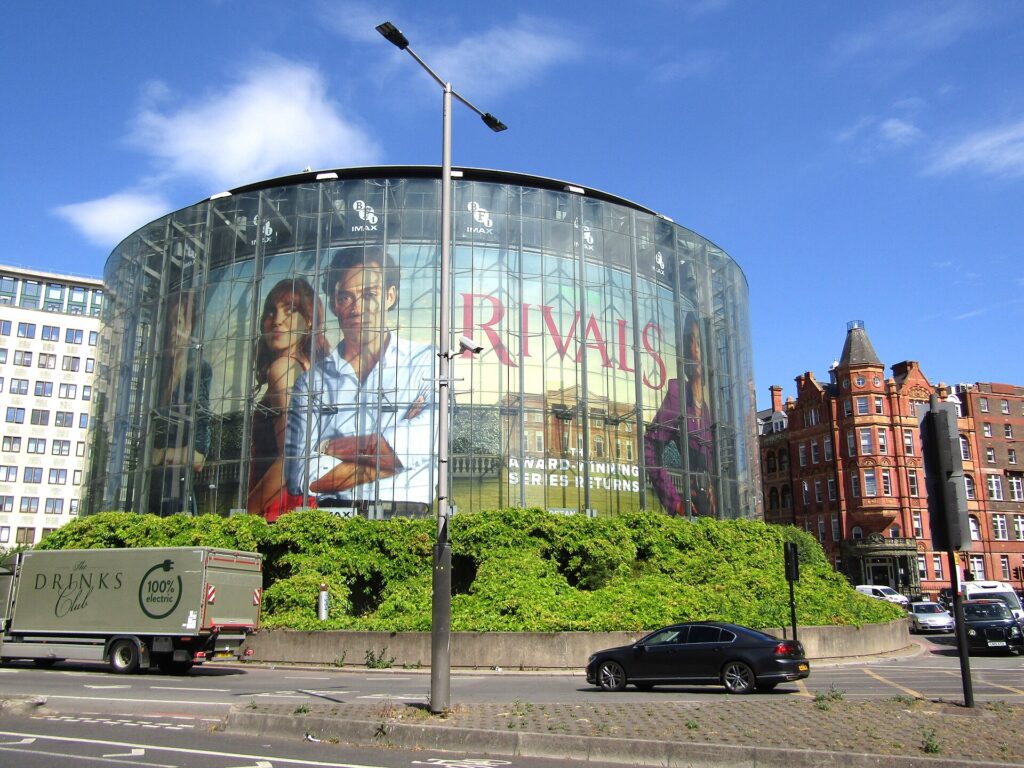
Why the BFI London Film Festival 2026 Doesn’t Need a Red Carpet to Matter
Nine days from now, the most expensive ticket at the BFI London Film Festival 2026 will cost £40. The cheapest, if you’re under 25, will cost £6. Both get you into a dark room to watch the same thing: a film almost nobody in Britain has seen yet. That gap is the actual festival. It isn’t the photographers on the South Bank, and it isn’t who’s wearing what to the opening gala.
In This Article
- A £6 ticket sits next to a £40 one, and that's the real story
- Why the BFI London Film Festival 2026 opened with a dying man's Hamlet
- The comedy that's supposed to send you home laughing
- Three galas, three different festivals
- The £21 hour that might beat any gala ticket
- The standby queue is quietly making a comeback
- If you're only booking one thing
- Seventy years on, the festival looks nothing like 1957
This is the festival’s 70th year. It opens on 7 October with Andrew Scott playing a dying actor’s final, celebrated Hamlet, and closes on 18 October with a musical comedy from a director better known, to a lot of people, for playing Lex Luthor. In between sit 251 works from 88 countries, three headline galas, and a booking system that somehow makes standing in a queue on a wet Tuesday afternoon feel like the sharper move than paying for a gala seat.
A £6 ticket sits next to a £40 one, and that’s the real story
General booking for the festival opened on 17 September, a full three weeks before the first film screens, and it’s been running ever since. Patrons got in on 9 September, members on 10 September, and everyone else a week later. An extra batch of tickets goes live on 1 October at 10am for anything that’s sold out – worth knowing if you’re still deciding.
The pricing itself tells you what the festival actually thinks it’s selling. Weekday matinees are £13. Weekend and evening screenings are £18. Gala premieres run £21 to £30, and the two big bookends – opening and closing night – hit £40. Screen Talks, where you get an hour with someone like Sofia Coppola or John Malkovich, are also £21. Family screenings are £10 for adults and £6 for children, relaxed screenings are a flat £6, and anyone aged 16 to 25 can register for a free BFI account that unlocks £6 tickets across the programme, subject to availability.
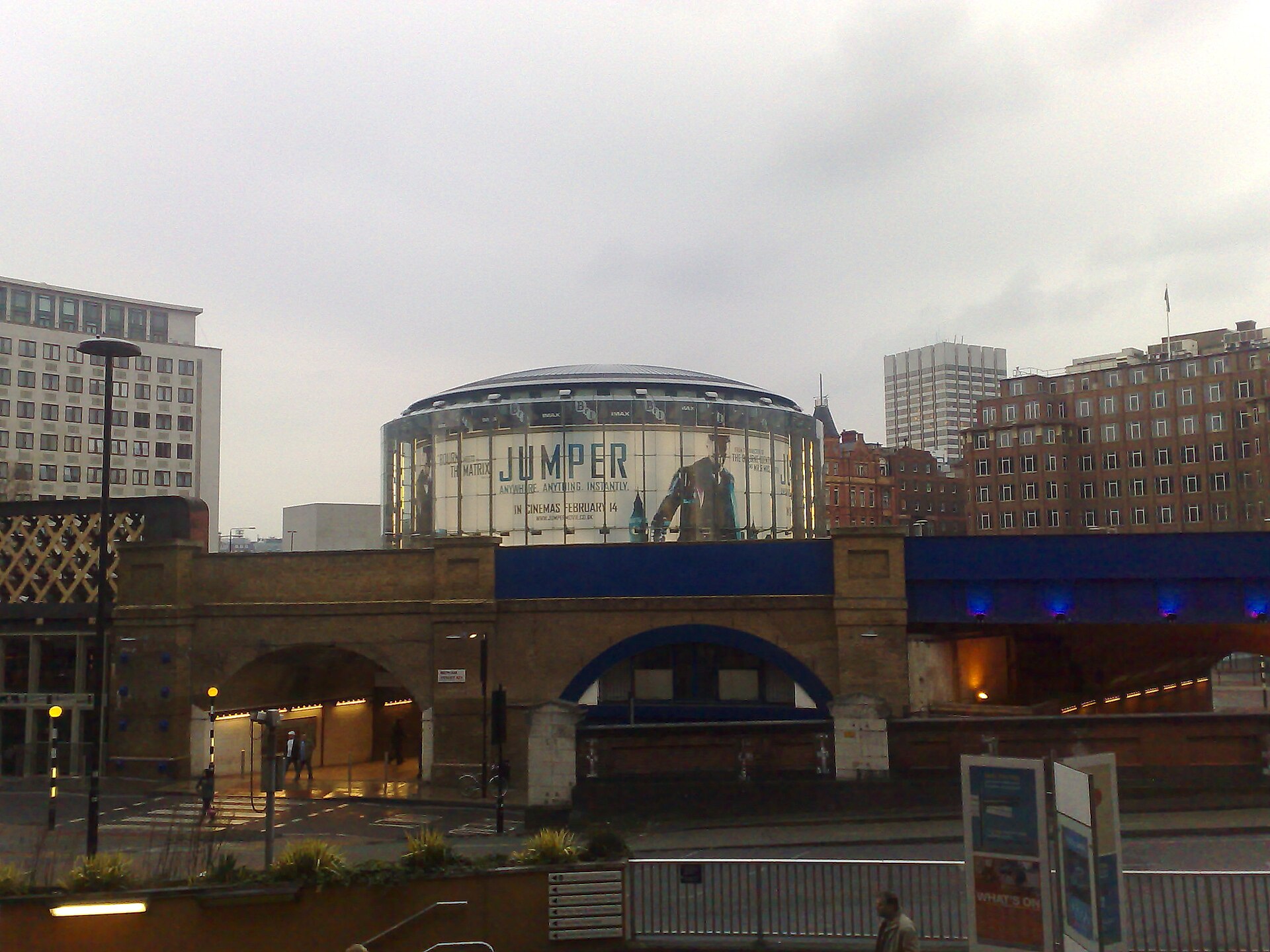
There’s a slightly bigger point buried in that pricing table, too. A festival that still runs £6 relaxed screenings and a genuinely accessible youth scheme, in the same year as £40 gala seats, is trying to hold two different audiences at once – the ones who’ll pay for spectacle, and the ones who just want to see the films. Plenty of UK cultural institutions have quietly let the second group drift off in the past few years. This one hasn’t, not yet.
Here’s my honest take: the £40 gala ticket is the least interesting way to see a good film at this festival. You’re not paying extra for a better print or a better seat. You’re paying for the queue outside, the photographers, and the faint hope of a glimpse of whoever’s on the red carpet that night. The £13 matinee gets you the same film, usually with a better chance of an empty seat either side of you. West End theatre has been quietly running the same trick this autumn – Sting’s twelve nights at Drury Lane cost a fortune, but the £15 Monday ticket gets you into the building all the same.
Why the BFI London Film Festival 2026 opened with a dying man’s Hamlet
The opening choice for a milestone anniversary tells you something about how seriously a festival takes itself. This year it’s Elsinore, directed by Simon Stone, and it isn’t a comfortable pick. The film tells the true story of Ian Charleson, the Scottish actor who performed Hamlet at the National Theatre while terminally ill – a run now remembered as one of the great feats of British stage acting. Andrew Scott plays Charleson, with Olivia Colman, Billie Piper, Johnny Flynn, Luke Thompson and Monica Dolan filling out the cast.
Kristy Matheson, the festival’s artistic director, didn’t undersell it. “Anchored by Andrew Scott’s astounding central performance, few films will leave a lasting imprint on audiences this year quite like Elsinore,” she said when the choice was announced, adding that the film “centres community, resistance and the triumph of art.” Stone was blunter about why it mattered to him: “We couldn’t be prouder to be able to present this quintessentially London film on the opening night of the BFI London Film Festival,” he told Screen International, pointing out that Charleson had “many of his greatest triumphs on the stages of the West End, at the Young Vic and of course the National.”
And it’s already been tested with an audience. The film picked up the People’s Choice audience award at September’s Toronto International Film Festival before it ever reached London – a decent signal that this isn’t just a prestige pick for critics, whatever you make of biographical dramas about actors generally. Opening on a story about illness, mortality and a legendary stage performance is a braver call than the festival needed to make for its 70th edition. It would have been easy to open on something glossier.
The comedy that’s supposed to send you home laughing
Closing night is a deliberate tonal swing. The Debut is Jesse Eisenberg’s musical comedy, with Julianne Moore as Mona, a reserved woman who gets swept into a community theatre production and finds herself changed by it. Paul Giamatti, Halle Bailey, Havana Rose Liu and Bernadette Peters round out the cast, and it gets its UK premiere at the Royal Festival Hall on the Southbank Centre – a short walk from where the festival’s been based all fortnight.
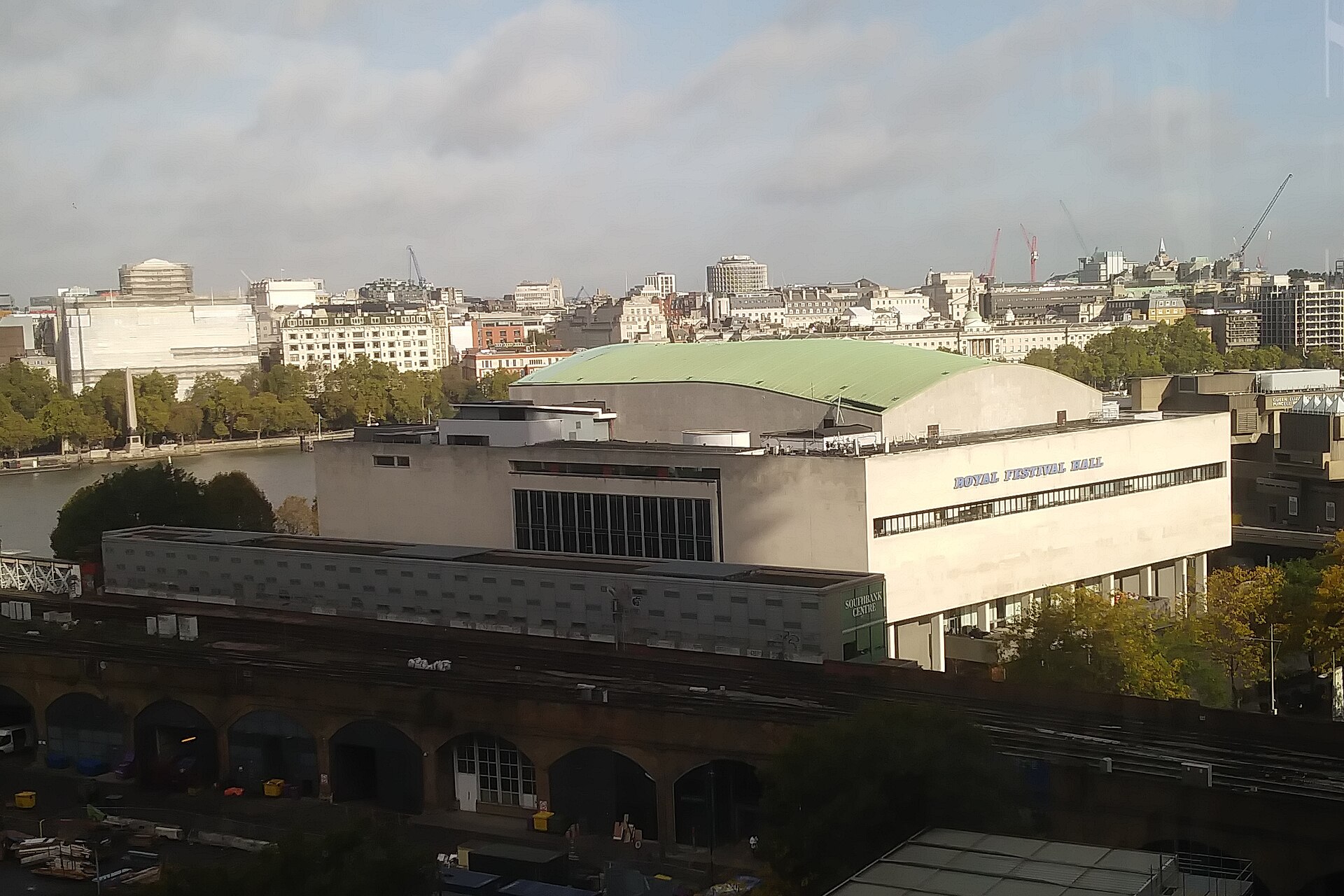
Eisenberg called it “a wonderful thrill to be the closing night gala,” adding he “can’t wait to share the incredible performances by the cast with a London audience.” Time Out described it as “deliriously funny and heartfelt,” with “knockout performances and a brilliantly sharp script” – which, going by that description alone, sounds like exactly what you want after eleven days of festival cinema.
Opening on grief and closing on joy isn’t an accident. It’s the kind of structural choice a programmer makes on purpose, and it’s a smarter arc than simply bookending the festival with two equally starry, equally safe crowd-pleasers.
Three galas, three different festivals
Beyond the opening and closing nights, three further galas are doing most of the heavy lifting this year. The BFI Patron’s Gala goes to Behemoth!, from Tony Gilroy – the writer behind the Bourne franchise and creator of Andor. The Mayor of London’s Gala is Ink, Danny Boyle’s latest, and the standalone gala slot on 11 October belongs to Luca Guadagnino’s Artificial.
If I had to bet on which one Londoners actually queue for, it’s Boyle’s. A Mayor’s Gala slot tends to go to whatever the festival thinks will pull a genuinely local crowd, not just critics, and Boyle has never really lost that knack. Guadagnino’s title feels like the one aimed squarely at people who already read festival coverage for a living. Gilroy’s is the one going in with the least public buzz, which given his track record on Andor, might just make it the most interesting sleeper of the three.
The £21 hour that might beat any gala ticket
If galas aren’t your thing at all, there’s a cheaper way into the big names. Screen Talks run £21 and put you in a room with one working filmmaker or actor for roughly an hour, usually with proper time for audience questions at the end. This year’s list is genuinely stacked: Andrew Scott, Ava DuVernay, Brad Bird, Cynthia Erivo, James Gray, Jesse Eisenberg, John Malkovich, Mahershala Ali, Naomi Ackie, Sofia Coppola, Danny Boyle, Robert Eggers and Javier Bardem are all confirmed.
Thirteen names is an unusual number for a festival to commit to in one go, and it isn’t a neat, symmetrical line-up either – directors sit next to actors sit next to people who’ve spent decades doing both. My money’s on the Malkovich or Coppola sessions selling out first. But don’t sleep on the smaller-name slots. A working director talking honestly about a film that didn’t quite land is usually more interesting than a big star doing publicity rounds for a film everyone’s already decided they’ll like.
The standby queue is quietly making a comeback
This is the fourth big autumn culture piece I’ve written this season where the cheap or free route turns out to be the better story than the headline ticket. The Turner Prize opened in Middlesbrough this month with free entry across a six-month run. Cheltenham Literature Festival built nearly a third of its 500-event programme around free tickets. Now LFF is doing something similar in its own way: standby queues for sold-out screenings, an extra ticket drop on 1 October, and a youth scheme that makes a £40 gala seat and a £6 matinee genuinely comparable value if you’re patient.
It won’t guarantee you a seat. The festival’s own guidance is blunt about that – standby “offers another possibility, without guaranteeing admission.” Booking itself still runs the old-fashioned way too, alongside the website: by phone, or in person at BFI Southbank, which is a small thing but a genuinely useful one if you’d rather talk to a person than fight a queueing system at 10am. But it’s a real option, and it matters more now than it did five years ago, when full-price and nothing else was closer to the norm. British cinemas increasingly run on old prints and reissues these days, so a fortnight where London gets a genuine wall of new titles at once is rarer than it should be, and worth making a bit of an effort for.
If you’re only booking one thing
Skip the galas entirely if you want. The festival’s reputation isn’t really built on them – it’s built on the eleven strands underneath: Love, Debate, Laugh, Dare, Thrill, Cult, Journey, Create, Experimenta, Family and Shorts. That’s where the Official Competition sits, ten films the jury genuinely believes are the strongest in the programme. The Sutherland Award, for first-time directors, covers another ten. The Grierson Award, for documentary, covers eight more.
If you only book one thing and want to actually discover something rather than confirm what you already knew was coming, that’s where to look. A debut feature you’ve never heard of, chosen from a genuine field of contenders, beats a familiar name in a gala slot nine times out of ten. Not every time – but nine.
Experimenta is worth a specific mention. It’s the strand LFF uses for artists’ film and work that doesn’t sit comfortably inside a normal ninety-minute structure – gallery pieces, expanded cinema, things that don’t always play like a conventional feature. It’s also, reliably, the strand with the shortest queues and the most walkouts, and there’s something a bit thrilling about booking a ticket for something you genuinely can’t predict. A gala never gives you that. You know roughly what you’re getting the moment the poster goes up.
Seventy years on, the festival looks nothing like 1957
The numbers this year are worth sitting with. 251 works. 88 countries. 33 world premieres. And 43% of the programme – 109 works – made by female filmmakers, which is the kind of statistic that used to get buried in a footnote and now, rightly, doesn’t.
Ben Roberts, the BFI’s chief executive, put the appeal in fairly simple terms: “Discovering a new film in a room of fellow fans is a thrill like nothing else.” Matheson went further, tying it back to the festival’s founding: “When this festival first sprang to life 70 years ago… we turn to artists to synthesise our times.” It’s a nice line, and it happens to be true. The 1957 festival ran a fraction of these titles, from a fraction of these countries, to a far narrower slice of London. Whatever you think of gala pricing or red-carpet culture, the festival underneath it has genuinely grown into something bigger than its opening decade ever managed.
It’s easy to be cynical about anniversary editions. They can lean on nostalgia instead of actually programming well, and plenty of festivals have done exactly that in their milestone years. This one hasn’t taken the easy route. Opening on a film about illness and a legendary, difficult performance, then closing on a musical comedy from a director still better known as an actor, isn’t the safe, predictable anniversary programme. It’s the one a festival puts together when it still cares more about the films than the party.
Whichever ticket you end up holding on 7 October – £6 or £40 – the same question sits behind both. Which of these 251 films will still be worth talking about in ten years, long after anyone remembers who wore what on the way in?