
Mercury Prize 2026 Tickets: What £48.75 Buys in Newcastle, Three Favourites at 6/1 and the Nominee I’d Back Instead
The Mercury Prize has never been about picking the best album of the year. It’s about picking the album a room of ten people can bear to argue for at midnight, and that’s a very different thing. Keep that in mind when you look at the board, where three albums sit level at 6/1 and Paul McCartney has somehow turned up on the shortlist for the first time in his life. (Our full ranking of the twelve albums covers the music. This piece is about the room, the money and the night.)
In This Article
- What Mercury Prize 2026 tickets actually buy you
- Three favourites at 6/1, and why I don't trust any of them
- The twelve, sorted by what each one is up against
- The McCartney problem
- Newcastle, year two: is the fringe the real event?
- The nominee I'd back instead
- The case for War Child
- Who's missing, and does it matter?
- If you're going: a short checklist
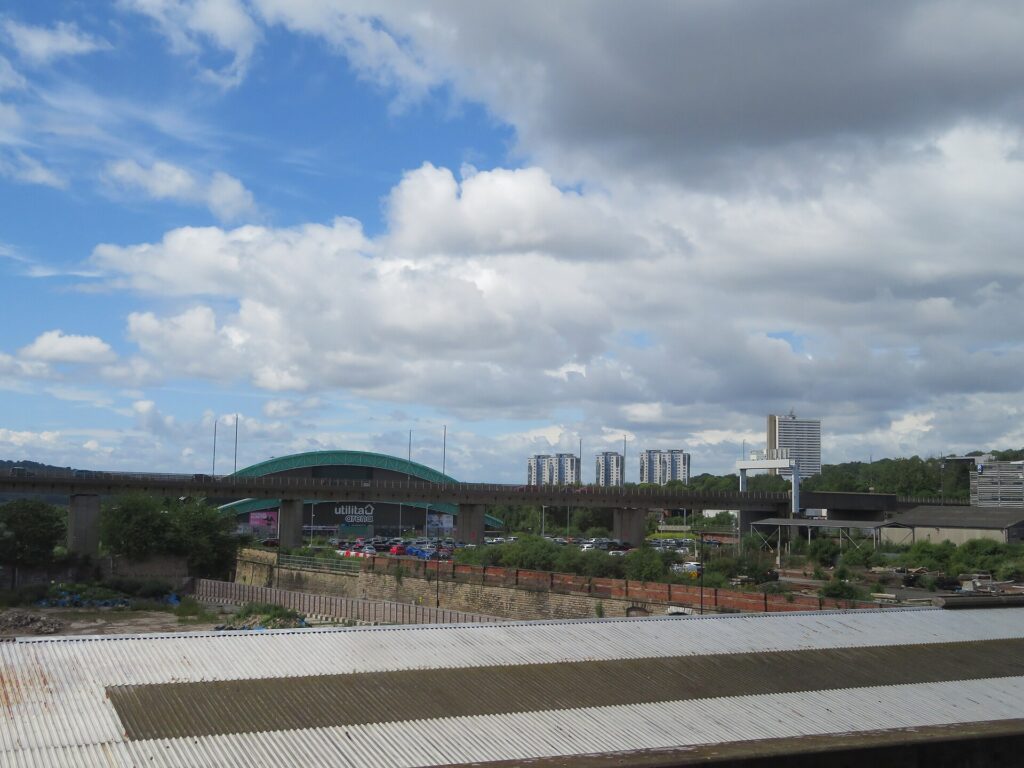
The ceremony is at the Utilita Arena in Newcastle on Thursday 22 October, and Mercury Prize 2026 tickets start at £48.75 plus booking fee. That’s the number I keep coming back to.
Because for the price of a mid-table Premier League match ticket you get a live awards show with performances from “many of the 12 shortlisted artists”, as the organisers put it, and a winner announced in the room. Nobody else in British music sells you that. The Brits are a closed shop of industry tables, and the Ivors are a dinner. The Mercury, since it left London last year, is a gig with a result at the end of it.
What Mercury Prize 2026 tickets actually buy you
Let’s be precise about what’s confirmed and what isn’t. The date, the venue and the starting price are all on the record. The event is 13+, with standing tickets restricted to over-14s, according to Get into Newcastle’s guide. Tickets are sold through AXS, and the official Mercury Prize site links straight to them.
What I can’t tell you yet is which of the twelve will play. Last year nine acts were confirmed to play before the night, including Pulp, Wolf Alice and FKA Twigs. Doors were 6.30pm, the show ran 8pm to 10.15pm, and BBC Four and iPlayer picked it up from 9.30pm. Treat that as last year’s template, not this year’s promise. BBC Music is again the broadcast partner for 2026, but I haven’t seen a channel or a start time.
The cheaper end of the room sells the thing the telly can’t. And the shortlist itself is the draw: Suede, Nia Archives, Knats and a war-charity record all up for the same trophy is not something the Brits would ever put in one room.
Three favourites at 6/1, and why I don’t trust any of them
At the shortlist stage, bet365 had Olivia Dean (The Art of Loving), Florence + The Machine (Everybody Scream) and Dave (The Boy Who Played the Harp) all at 6/1, with RAYE (THIS MUSIC MAY CONTAIN HOPE.) just behind at 13/2. Odds move, so check before you bet a fiver on anything. But three joint favourites at the same price tells you the market has no real idea.
Here’s my problem with it. Favourites at the Mercury have a poor habit of being second place. Sam Fender won last year with People Watching, and he beat Pulp’s comeback record and Fontaines D.C. to do it, two acts plenty of people expected to do better. Go back further and you get English Teacher, Ezra Collective and Little Simz, none of whom I’d have called a banker beforehand.
The panel isn’t voting for a year’s worth of streams. It’s ten people with jobs in radio, print and live music – Jeff Smith chairs, and the room includes Jamie Cullum, MistaJam, Sian Eleri, Will Hodgkinson from The Times and Phil Alexander from Kerrang. That’s a panel that’s heard everything and gets bored of the expected. A record that divides the room for twenty minutes and then unites it is how you win.
So which of the big four fits? Dean has the momentum, and Florence has the reputation for a big statement record. Dave already has a Mercury, from 2019, and a panel might fancy handing it to someone new. RAYE’s album title is a lot to carry. I’m guessing here, but if I had to lay a bet on one of the four I’d take the 13/2 over the 6/1s, purely because a slightly longer price for a serious record is usually the better value.
The twelve, sorted by what each one is up against
Rather than reel off a paragraph per album (I haven’t lived with all twelve equally, and I won’t pretend otherwise), here’s how I’d sort the field by the argument each one has to win.
- The momentum picks: Olivia Dean, RAYE and Dave. Big records, big audiences, big expectations.
- The reputation pick: Florence + The Machine, whose Mercury history and live show do a lot of the persuading before a note is played.
- The veterans: Paul McCartney, with The Boys of Dungeon Lane, and Suede, with Antidepressants. Two different sorts of longevity.
- The scene records: Nia Archives (Emotional Junglist) and Kojey Radical (Don’t Look Down). Genre records with a clear home crowd.
- The newer voices: Dove Ellis (Blizzard), JADE (THAT’S SHOWBIZ BABY!) and Knats (A Great Day In Newcastle).
- The cause record: War Child Records’ HELP(2), which isn’t an album by one act at all.
Look at that list and you’ll see the problem for the bookmakers. Half the shortlist is competing for a different prize to the other half. A judge who wants to reward a career can’t also reward a debut, and a panel that wants a good story has three of them to choose from.
The McCartney problem
Paul McCartney getting a first-ever Mercury nomination is either a lovely acknowledgement or a slightly embarrassing one, depending on your mood. The prize was set up in 1992 as the answer to the Brits: a shortlist that would give a pop record and a folk record and a jazz record the same shot. McCartney’s absence from that list for thirty-odd years wasn’t an oversight, it was the prize doing its job, which is to look forward.
Fans on social media clocked the oddness immediately. One posted that it was “so wild even Paul McCartney is competing with Nia Archives”, and I think that’s the whole appeal in a sentence. It’s also the reason he shouldn’t win.
Not because the record can’t be good. I don’t know if it is, and neither, I’d bet, do most of the people confidently tweeting about it. But a Mercury for an 84-year-old Beatle would tell the room something about the prize that it has spent three decades trying not to say: that it’s a lifetime achievement award with better branding. Let him play. Let him take the photograph. Then give the trophy to someone who needs it.
And yes, that’s the contrarian take. Plenty of people will think a McCartney win would be a great night out. They might be right.
Newcastle, year two: is the fringe the real event?
The move north worked. Last year’s ceremony was the first ever held outside London, and, depending on which report you read, it brought “an extra 8000 visitors” to the region. Official Charts puts the boost at £1.4m, while NME cites £874,724 in combined spending. Different measures, same direction of travel.
This year the fringe is bigger. NME reports more than 30 events across the week of 17 to 22 October: a screening of Sam Fender’s Live at London Stadium with a panel at the Tyneside Cinema on the 17th, acoustic sets from North East artists in Grainger Market that same day, a BBC Introducing live special at the Glasshouse on the 19th, and a Knats listening party at the John Marley Centre on the 20th. Generator’s Adam MacDonald described it as “bigger and more ambitious, with even more opportunities to discover new music”.
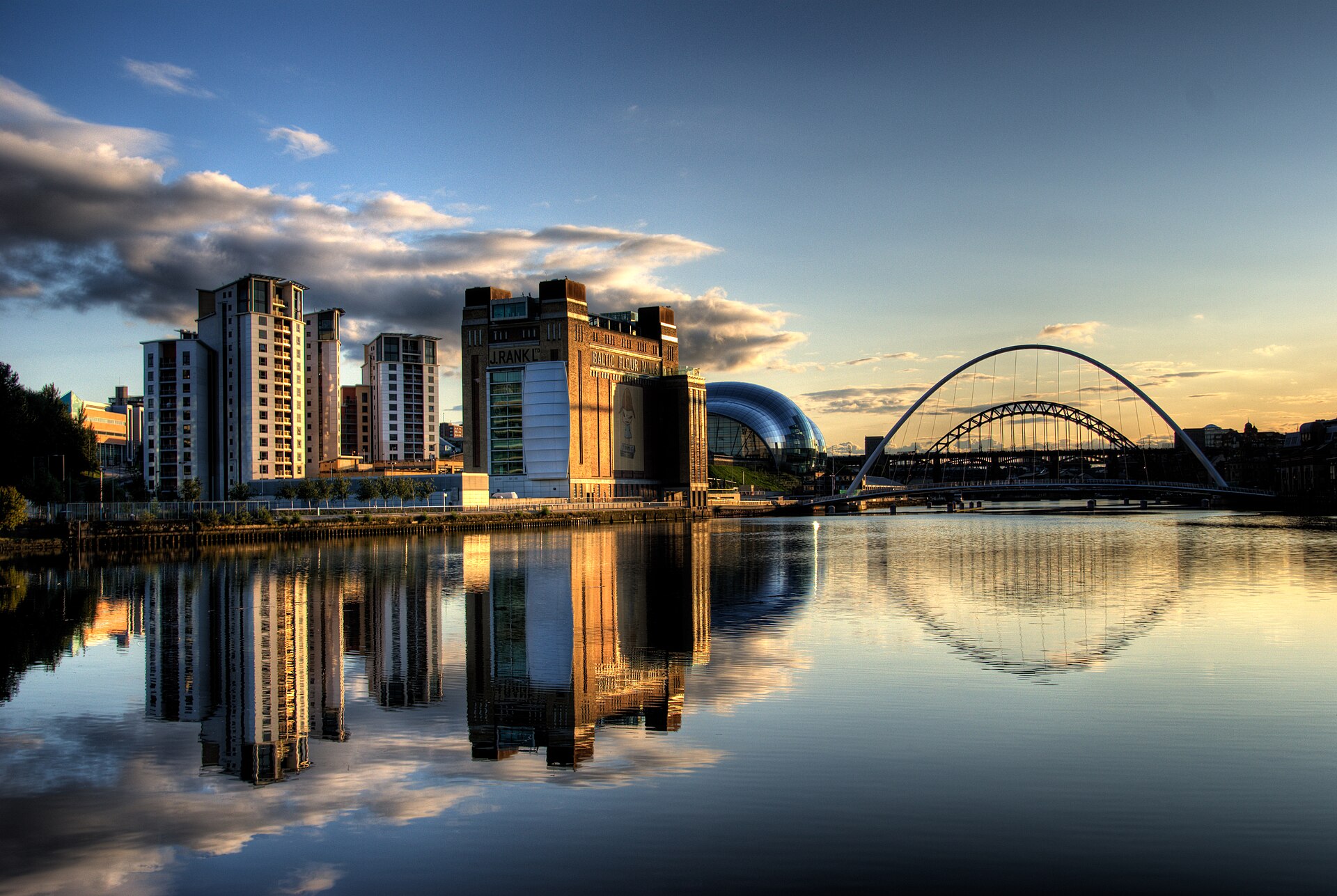
If I were planning it, I’d skip the arena ticket and book two fringe nights instead. Then watch the ceremony on the telly with a pint and a proper view of the Quayside at the end. I don’t yet know the fringe prices, so that’s a hunch, not a costing. The details sit with Generator.
The nominee I’d back instead
Knats. Yes, really.
The band’s album is called A Great Day In Newcastle, the ceremony is in Newcastle, and the organisers have scheduled a Knats listening party in the fringe. You could call that convenient. You could also say it’s what happens when a prize decides to plant itself in a city and a local band gets a record out in the same year. I don’t think that means the judges will simply hand it over. A panel that took the trouble to move the prize north would look faintly ridiculous giving it to the home team on the night, and they know that.
But I’d be much happier if the trophy went to the record that’s had the least help from the industry than to one of the big four. Dean, RAYE, Dave and Florence will all have a big year with or without a Mercury. Knats or Dove Ellis, or the War Child record, would have their year changed by it.
I’m not saying that’s what will happen. I’m guessing here, and my track record is patchy. Every year I convince myself the panel will pick the interesting one, and every so often they do.
The case for War Child
It’s the one I can’t stop thinking about, and I’ll keep this short. HELP(2) is a follow-up to War Child’s charity album Help from 1995, and it isn’t a record by one act at all. Whether a compilation should be allowed to win a prize for albums by artists is a fair argument. I’d give it a go, because the point of the Mercury has always been that the rules are a bit looser than everyone else’s.
And if you want a story for the room to tell itself at midnight, a charity record beating Paul McCartney and Florence is a better one than most.
Who’s missing, and does it matter?
Every shortlist launches a second shortlist made of people who were left off. This year the online gripes were about Lily Allen, Gorillaz, Harry Styles, Arlo Parks and James Blake. One commenter on the Mercury Prize’s own Instagram asked about Gorillaz: “What’s the criteria and the period you’re looking at?”.
It’s a fair question. The answer is British or Irish artists, albums released inside the eligibility window, ten people who have to agree. That last part is why the list is never what a single fan would pick. You can dislike that. But a prize that got everybody’s favourite would be the Brit Awards, and one of those a year is plenty.
If you’re going: a short checklist
Book through AXS or the Mercury site, not a resale listing. Check the age limits if you’re bringing anyone under 16. Sort your train back to Newcastle Central or the Metro before you buy a hotel, since a 10.15pm finish leaves it tight if last year’s timings hold. And keep an eye on the announcements: performers are usually named in the weeks before, which is when the cheaper seats disappear.
If you’re not going, the Mercury is a good excuse to catch up on the shortlist before the night. Start with whichever three you’ve never heard of.
The rest of the autumn is busy for British live culture too. There’s the Booker shortlist to read your way through, the Turner Prize already open in Middlesbrough, and on the ticket side, Fontaines D.C.’s stadium on-sale and Charli XCX’s 2027 arena run both lean on the same idea the Mercury does. So does Stevie Wonder’s four arena nights. British audiences still pay to be in the room.
So here’s the question for the 22nd: if the judges could only reward one thing this year, a career, a debut, a cause or a sound, which would you want them to pick?