

55 Inch TV Under £500 Before Black Friday 2026: Why the £299 Sets Are a False Economy
A 55 inch TV for £299 looks like the bargain of the winter. Which?, the people who actually put these sets on a test bench, say a screen of 50 inches or more at under £300 is “unlikely to be a decent performer”. That’s the whole problem in one line, and with Black Friday landing on 27 November, you’re about to see a lot of those £299 banners.
In This Article
- The 55 inch TV under £500 problem: £299 is where it goes wrong
- What Which? says about cheap TVs, and why it matters on 27 November
- The specs worth an extra £100
- The spec sheet noise you can ignore
- Black Friday timing: buy early or wait for the 27th?
- Is 55 inches even the right size?
- £299 against £479: where the difference goes
- Running costs and the hidden extras
- A sensible order of play for the next fortnight
- My verdict on the £299 sets
So here’s the position I’ll defend for the next 2,000 words: if your budget is £500 and you want a 55 inch TV, spend all £500. Don’t go hunting for the £299 set that “saves” you £200.
The 55 inch TV under £500 problem: £299 is where it goes wrong
Pick up any 55 inch TV under £500 and you’re buying a screen that’s been built to hit a price, not a picture. At the bottom of that range the manufacturer has had to save money somewhere, and it doesn’t save it on the box or the logo. It saves it on the panel, the processor and the speakers. The things you’d notice every single evening.
The £450 to £500 bracket is different. That’s where the established brands start putting decent panels and proper processing into the cheaper end of their ranges, often in sets that cost a good deal more a year or so ago. They’re older models, not worse ones.

I should be upfront about what I haven’t done. I haven’t tested these sets myself, and I’m not going to name a specific model with a specific price, because retail prices on TVs move weekly in November and I’d be guessing. The Which? model-by-model scores are behind a paywall (it was £5 a month for the first three months when I checked this week), so I can’t quote them either. What I can do is tell you what Which? says in the open part of its cheap TV guide, and how to read a deal when you see one.
What Which? says about cheap TVs, and why it matters on 27 November
Three things in that guide are free to read and worth knowing before you click anything.
First, supermarket-brand TVs. Which? says that when it has tested them they’ve been “universally poor”, and it names JVC, Bush and Logik as brands it no longer tests at all. If a 55 inch set at £249 carries one of those names, you’re not looking at a deal.
Second, the sub-£300 rule already mentioned: big screens at that price are unlikely to be decent. I’m guessing at the reasoning here, but a large panel, a decent processor and a retailer’s margin are hard to fit into £300, and the rule matches what you see on shop floors.
Third, the Great Value badge. Which? only awards it to a TV that scores at least 65% in its lab tests and costs less than most other sets in the same size bracket. It’s a useful filter, because it forces you to look at the price and the score together rather than the price on its own.
And that’s the trap with Black Friday. A deal only counts if the TV was good at its normal price. A bad £600 TV at £299 is still a bad TV, just a cheaper one.
The specs worth an extra £100
If the budget stretches from £300 to £450 or £500, there are a few things the extra money should buy you. I’d rank them like this.
The panel and its brightness come first. Cheap sets are often dim, and dim sets look washed out in a living room with a lamp on or a window behind you. When you’re comparing, look for a brightness figure (in nits) and be suspicious of sets where the manufacturer won’t publish one. A TV that looks fine in a dark shop-floor demo can look flat in your front room at 4pm in November.
Next is the HDMI situation. If you own a PS5 or Xbox Series X, you want at least one HDMI 2.1 port so you can run 4K at 120 frames a second. A lot of sets at the lower end have a 60Hz panel and only pretend to be gaming-friendly. If you don’t game, ignore this entirely and don’t pay for it.
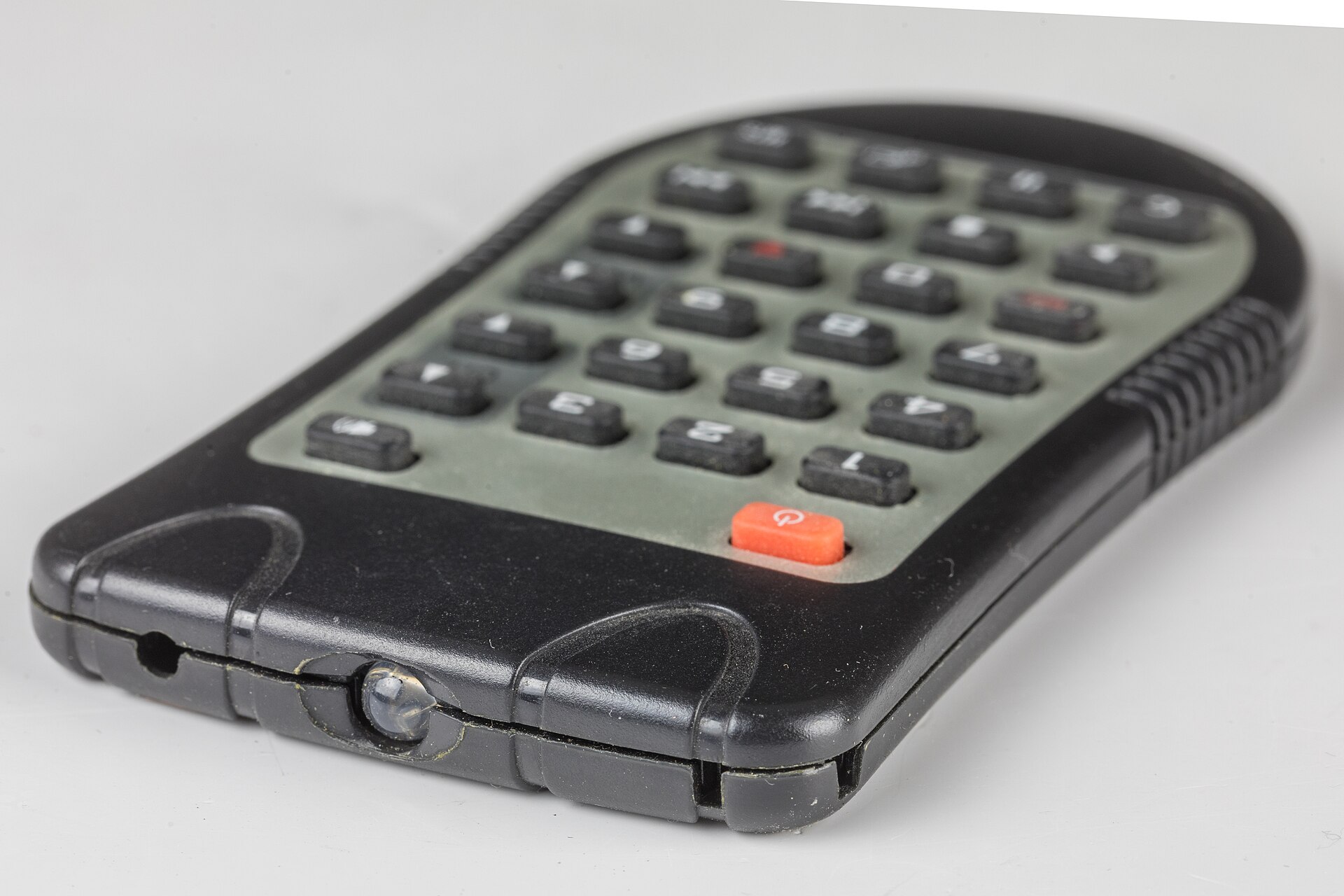
Then there’s the operating system, which is the least glamorous item on the list and the one you’ll live with longest. A slow, laggy smart menu is irritating every day. Make sure the apps you actually use (iPlayer, ITVX, Channel 4, Netflix, whatever you pay for) are on the TV’s own system. If they aren’t, a streaming stick fixes it, but that’s another £30 to £40 you need to count against the £500.
Last, the sound. This is where I think the whole category is a bit of a con. Modern TVs are thin, so the speakers are tiny, and most of them sound like someone talking through a biscuit tin. Budget a soundbar if dialogue matters to you. Which is its own purchase, and I’d put it ahead of any extra picture feature.
The spec sheet noise you can ignore
Here’s my contrarian bit. Most of what’s printed on the front of a TV box at this price is noise.
“8K” is irrelevant at 55 inches. There’s almost no 8K content, and at normal sofa distance you couldn’t see the difference even if there were. “AI picture” and “AI upscaling” labels tell you nothing without a review attached. Motion-rate numbers like “PMI 2400” or “Motion Rate 200” are manufacturer-invented scales that you can’t compare across brands. And the long string of HDR logos is mostly decoration on a panel that isn’t bright enough to show HDR properly.
The two numbers that carry weight are the screen’s real refresh rate (60Hz or 120Hz) and whether a trusted lab has scored the set. Everything else is packaging.
Black Friday timing: buy early or wait for the 27th?
Black Friday this year is Friday 27 November, with Cyber Monday on 30 November. That’s 18 days from today. Retailers start discounting well before the day itself, and TVs are usually among the first categories to move.
The sensible approach is to pick the TV first and the date second. Decide which one or two sets you’d be happy with, check their price history, and then wait for the number to drop below your ceiling. Don’t let a countdown timer pick the TV for you. We went through the wider picture in our Black Friday 2026 tech deals piece, which covers when waiting beats buying across categories. Which? also runs a monthly-updated Black Friday TV deals page, and that’s worth checking against whatever you spot elsewhere. I couldn’t read its contents because of the paywall, so I can’t tell you what’s on it today.
One caveat, and I’m guessing here: TV prices can dip in the week before Black Friday rather than on the day itself. I can’t promise 2026 will repeat that. But it’s a reason not to treat the 27th as a deadline.

Is 55 inches even the right size?
Most people buy on the number because bigger feels like better value. It often isn’t. A 55 inch screen is about 1.4 metres across the diagonal, and for 4K the usual advice is to sit somewhere between 1.5 and 2.5 metres away. If your sofa is three metres from the wall, you can go bigger. If it’s in a narrow room and you’re a metre and a half back, a 55 will feel like the front row at the cinema.
Measure first. Then measure the unit it’s going on, because a 55 inch set is wider than people expect, and the feet on some models sit right at the edges, so a slim shelf won’t take it.
Panel type matters here too. Budget sets mostly use either a VA panel, which gives deeper blacks but narrower viewing angles, or an IPS panel, which looks the same from the end of the sofa but washes out in dark scenes. Neither is perfect. If you watch films with the lights off, VA is the better bet. If the family is spread across a wide room, IPS suits you better. That’s a decision worth five minutes in a shop, which is why I’d look at the set in person if there’s a branch near you.
£299 against £479: where the difference goes
Compare two imaginary sets, both 55 inch 4K. I’m not naming models, so treat this as a pattern rather than a test result.
The £299 one tends to have a dimmer edge-lit panel, a slower processor and the minimum of speakers. The menus stutter when you open an app. The remote is a fat piece of plastic with a dedicated button for a streaming service you don’t have. In a bright room the picture goes grey, and the sound is thin enough that you’ll turn the volume up for the drama and straight back down when the adverts come on.
The £479 one costs £180 more, so what is that buying? Mostly a better panel and a processor that doesn’t choke on a 4K stream. Sometimes it’s a 120Hz screen, sometimes more brightness, often better sound and a faster menu. You don’t get everything, but you get the parts you notice daily.
Spread £180 over five years of use and it works out at about 10p a day. For a screen you’ll look at more than almost anything else you own, that’s a bargain, and I’d say so even if the cheaper set turned out to be fine.
Running costs and the hidden extras
A 55 inch LED TV doesn’t cost much to run, but it isn’t free. Let’s do the sums with assumptions rather than a precise figure: say the set draws around 100 watts while it’s on, and you watch four hours a day. That’s 0.4 kWh a day. At roughly 26p a unit (the rate our energy-saving gadgets piece was working from after the October price cap change), you’re looking at about 10p a day, or around £38 a year. Your own TV’s draw will differ, so check the energy label before you buy.
That’s small next to the extras that catch people out. A wall bracket, if you don’t want to use the feet, can be £15 to £25. A decent HDMI cable if the old one is a 2012 relic. A streaming stick if the apps are missing. A soundbar. Add those up and a £450 TV can quietly turn into a £600 project.
This is also why the £299 set is a false economy rather than just a gamble on picture quality. If the speakers are poor, the menu is slow and the screen is dim, you’ll likely end up spending the “saved” £150 on fixing it. At that point you’d have been better off buying the £450 set in the first place.
A sensible order of play for the next fortnight
I’d do this in a fairly strict order. Set a hard ceiling at £500 and a floor of about £400, below which I’d be suspicious unless the set has a Which? score I can verify. Shortlist two or three sets from established brands with scores you can find from a reliable lab. Track them. If one hits your price in the pre-Black Friday window, buy it and stop looking.
And if nothing drops to your number by the end of November? Don’t panic-buy. I’d expect retailers to keep chasing Christmas gift money through December (that’s a guess, not a tracked fact), so a missed Black Friday is a pause rather than a lost chance.
One more thing before Christmas. If the new TV is going into a room you’ve just rearranged for the holidays, it’s worth thinking about where it sits. We covered the layout side in our snug room ideas for winter, and a TV that’s too big for the wall or in a glare spot will spoil even a good panel.

My verdict on the £299 sets
Skip them. Not because every one is awful, but because the odds are against you and the saving is smaller than it looks once you add the extras.
A good 55 inch TV at £450 to £500 from a brand with a lab score behind it will outlast two cheap ones, and it’ll still look reasonable in five years. That’s the real comparison, not the price on the banner.
So what’s the one thing your current TV does that you’d refuse to give up in the new one: the picture, the sound, or just the fact that it turns on quickly?
Photo credits: images sourced from Wikimedia Commons under the licences shown on each caption. Featured image: “Modern Living Room”, Wikimedia Commons, CC BY-SA 4.0.