
Energy Saving Gadgets That Actually Work: What Pays Back Before January’s Predicted Price Cap Rise
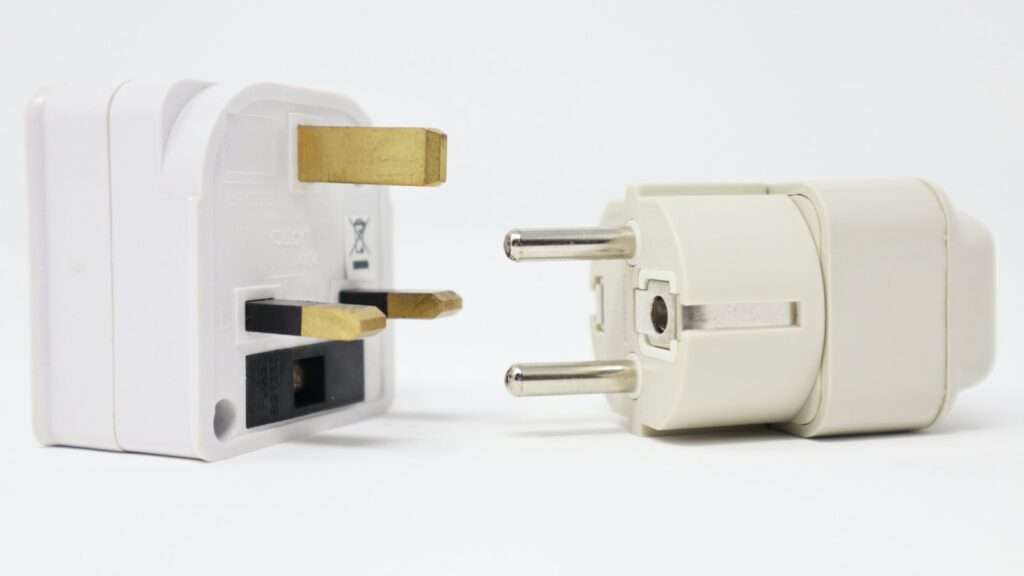
A £9.99 smart plug costs about £1.14 a year to run, just by sitting in the wall doing nothing. That’s more than the 60p a year your television uses on standby, which is the thing most people buy the plug to switch off. It’s a small, slightly daft fact, and it tells you most of what you need to know about energy saving gadgets that actually work in October 2026: very few of them do what the box says, and the ones that do are rarely the ones with an app.
In This Article
- What January's forecast actually means for your bill
- The standby myth, priced in pounds
- Where a £10 plug does earn its place
- The ones I'd skip
- The cheap things that pay back fastest
- The free monitor you've probably already got
- The heating problem gadgets can't fix
- How I did the sums
- My payback ranking
- Where I'd put the first £10
The timing is why this matters now. Ofgem’s cap rose 4% on 1 October, from £1,663 to £1,723 for a typical dual-fuel home. And the people who track wholesale prices for a living are pencilling in another 12% to 14% in January. So this is the fortnight when gadget adverts get loud, and when it’s worth knowing which ones pay for themselves before the next rise lands.
What January’s forecast actually means for your bill
The October figure is £60 a year, or £5 a month. Annoying, not alarming. The January forecasts are bigger: Money to the Masses reports analyst estimates of £1,932 from EDF’s forecast, £1,941 from E.ON Next and £1,970 from British Gas, which is £209 to £247 a year above where we are now. They’re forecasts, not promises, and I’m not going to pretend anyone knows. But a bill that size changes the maths on a £10 gadget.
The split inside the cap matters more than the headline. According to Ofgem’s announcement, gas bills are up 8% while electricity is roughly flat, because the government has taken VAT off domestic electricity. Electricity is still 26.32p a unit against 7.97p for gas, so a kilowatt-hour from the wall costs 3.3 times one from the boiler. Hold that number in your head. It explains almost every verdict below.
The standby myth, priced in pounds
Standby is the first thing every energy-saving list tells you to attack, so let’s put real numbers on it. Which? measured a range of devices in 2024 at 22.36p a unit, assuming 20 hours a day on standby. I’ve scaled its figures up to October’s 26.32p, so treat the right-hand column as my arithmetic rather than a Which? result.
| Device on standby | Which? annual cost (22.36p) | At 26.32p (my sums) |
|---|---|---|
| TV | 51p | 60p |
| Set-top box or PVR | £2.56 | £3.01 |
| Soundbar | £4.43 | £5.21 |
| Wireless speaker | £5.99 | £7.05 |
| Smart plug (the plug itself) | 97p | £1.14 |
Which? put the whole list at £20.40 a year if you switched everything off at the wall. Scaled up, that’s about £24. The Energy Saving Trust figure that gets quoted for the average home is higher, £35 a year according to TechRadar, though I can’t tell you what price year that was calculated at, so I’d treat it as the top of the range.
Now run the plug maths. Put a £9.99 plug on a soundbar and you save £5.21, minus the plug’s own £1.14, so £4.07 a year. Payback in two and a half years. On a wireless speaker it’s about 20 months. On the television it never pays back at all, because the plug uses more than the TV does. Which? reached the same conclusion in 2024: the cheapest plug it tested cost £8.99, and a dearer one could take more than seven years to earn its keep.
So my first opinion, and it’s not a popular one in a gadget market: smart plugs are overrated as a way to cut standby. If you want to kill standby, use a plain extension lead with a switch and press it when you go to bed. No app, no firmware updates, no £1.14 a year.
Where a £10 plug does earn its place
But there’s a better job for one. Not switching things off. Measuring.
The TP-Link Tapo P110 is £9.99 on TP-Link’s UK store at the time of writing, down from £11.99, and it shows live power draw and running cost in an app. Which? singled it out in 2024 as the cheapest energy-monitoring plug it was happy to recommend. It’s rated at 13A, so it copes with a kettle or a heater, though TP-Link says not to use it with motor appliances like air conditioners, and EV charging isn’t supported.
The point of a monitoring plug is that it ends arguments with yourself. Plug it into whatever you suspect: the heater in the spare room, the tumble dryer, the desktop PC that never really sleeps. You’ll learn in an afternoon what your guesses couldn’t tell you in a year.
Here’s the sort of number it throws up. A 2kW heater costs 53p an hour at 26.32p. Run it for two hours every evening through a 90-day cold spell and that’s about £95, for one small room. Nobody thinks of that as “a lot”, because it arrives as a slow smear across a quarterly statement. Seen on a screen, it is. I’d call that a better return than any amount of standby hunting, and our piece on why the cheapest electric heater to run doesn’t exist goes through the wattage logic if you want it.

The ones I’d skip
Anything sold on the word “eco” or “low energy” that plugs into a heater, airer or radiator and costs more than its plain cousin. A resistive heater turns electricity into heat at one for one, whatever it costs. A £284 panel heater is a £284 heater. We covered the claim in full in the heater piece above, and it hasn’t got any more convincing since.
Then there are the little plug-in “power saver” boxes that promise to cut your bill by a fifth or a third. I haven’t got a Which? test to point you to on these, so call it my reading of the physics: a house doesn’t have a hidden pool of wasted electricity that a box in one socket can reclaim. If one worked, the energy regulators would be telling you to buy it.
Smart thermostats sit in a middle zone. They can help, because they touch the fuel that’s going up 8%, and I’d rather see someone spend £110 on a decent one than £10 on five plugs. But the subscription catch is real, and I’d read the small print before buying. Our smart thermostat guide sets out which brands now want money for the clever features, and why the £110 Wiser comes out ahead of a £219 Nest.
The cheap things that pay back fastest
Gadgets aside, the best returns this winter are dull ones. Draught-proofing is the clearest. The Energy Saving Trust puts the saving at roughly £55 a year in Great Britain for sealing windows, doors and floors, and about £250 for a whole-house professional job. It doesn’t give a DIY cost. I’m guessing that foam strips and a tube of sealant for a typical flat run to a modest sum, a few tens of pounds, but check the price before you assume. Do it yourself and it’s the one purchase on this page that beats the smart plug on payback by a distance.
And the electric blanket, which I’d defend against almost anything. At 70 watts for a single, it costs about 1.8p an hour, which is why our electric blanket guide argues it’s the cheapest heat in the house. You’re warming a person, not a room. Same logic as the 3.3 times gap: when electricity costs that much more than gas, spend it on the thing that needs warming, not the air around it.
Drying washing is the other big one. Plenty of homes spend winter running a tumble dryer, and our dehumidifier test found a £179 Meaco dries a load for 33p against £1.32 for a condenser dryer. That’s a gap of 99p a load. Do three loads a week through the heating season and you’ve saved the price of a plug every fortnight. A heated airer lands somewhere in between at around 8p an hour for a standard three-tier model.
The free monitor you’ve probably already got
If you’ve a smart meter, there’s an in-home display that came with it, and it shows what you’re spending in real time. Most people put it in a drawer. It does broadly what a £10 monitoring plug does for the whole house rather than one socket, and it costs nothing. Turn on a kettle and watch the number jump. Do the same with the heater. It’s crude, but it gives you the same lesson.
The other free option is the tariff. Ofgem says around 35% of households, roughly 11 million, are on fixed deals and won’t feel October’s rise, and that fixes were available at £100 or more below the cap when it announced the new figure. If the January forecasts are right, that’s worth more than any item in this article. Check what’s on offer today. Check it before you spend a penny on kit.
The heating problem gadgets can’t fix
Most of a typical bill isn’t standby, or lighting, or the kettle. It’s heat. Ofgem’s own numbers show why this winter feels different: gas is the fuel rising fastest, and the standing charges alone come to roughly £200 a year on electricity (54.83p a day) and £108 on gas (29.68p a day) before you’ve used a single unit. Nothing you plug in changes those two lines.
What you can change is how long the boiler runs and how warm the house gets. Dropping the thermostat a degree is free. Closing doors on rooms nobody’s using is free. Bleeding a radiator that’s cold at the top costs a minute and a bit of kitchen roll. I know that’s less fun than unboxing something, but it’s the bit that moves the gas figure, and gas is where the 8% sits.
And if you do rent, it’s worth knowing that plenty of the useful kit needs no drilling. Our renter’s smart home kit covers what a landlord won’t mind, including plugs and sensors.
How I did the sums
Every pound figure in this piece comes from one of three places: Ofgem’s published unit rates and standing charges for 1 October to 31 December, Which?’s 2024 standby measurements, or our own earlier running-cost calculations on this site. The scaling from 22.36p to 26.32p is straightforward multiplication, nothing cleverer. I haven’t tested these plugs myself for this piece, so where I’m guessing I’ve said so.
That’s worth saying because energy-saving content is full of confident numbers with no source. A figure without a unit rate behind it isn’t a figure. If an advert tells you a gadget saves “up to £300”, ask what price per unit that assumes, and for how many hours a day.
My payback ranking
Ordered by how quickly I’d expect each to repay what you spend, using the figures above:
- A fixed tariff, if you can get one below the cap: no purchase, and £100 or more of headroom per Ofgem.
- Draught-proofing yourself: about £55 a year per the Energy Saving Trust.
- An electric blanket instead of heating the bedroom: pennies per night.
- A dehumidifier in place of a condenser dryer: 99p a load.
- A £9.99 monitoring plug, used to find your worst offender, then moved on.
- A smart plug on a soundbar or speaker: payback in 20 to 30 months.
- A smart plug on a television: never.
Notice what’s missing. There’s nothing with a “30% saving” on the box, and nothing that needs a subscription.

Where I’d put the first £10
Buy one monitoring plug. Use it for a month on the three things you suspect most, write the numbers on the back of an envelope, then act on whichever one shocks you. Don’t buy a second plug, and don’t buy five for the telly and the games console.
The smart plug market wants you to think of energy saving as a thing you install. The evidence says it’s mostly a thing you notice, and that the noticing is worth about £10. So here’s the question I’d leave with you before the January rise: what’s the one appliance in your house you’d bet money you know the running cost of, and would you still bet if a plug showed you the number?