Ariana Grande O2 2026: Ten Sold-Out Nights Begin Saturday – and Not One of Them Is in a Stadium
On Saturday night in Greenwich, the most scrutinised voice in pop walks onto a British stage for the first time in seven years. The Ariana Grande O2 2026 residency – ten nights at the arena between 15 August and 1 September – is the only place outside America she’s playing at all this year. Not Paris. Not Dublin. Not a second UK city. Ten nights, one postcode, every seat long gone.
In This Article
- Seven years, two albums and an Oscar nomination
- Why the Ariana Grande O2 2026 shows skipped the stadiums
- Ten nights in Greenwich and none anywhere else
- What a ticket actually costs – if you can find one
- The O2 was built for exactly this
- The barbell shape of British live music in 2026
- What to expect when the lights go down
- Three weeks, then gone again
And here’s the strange bit: the biggest pop comeback of 2026 never goes near a stadium.
She could have filled Wembley twice over without breaking a sweat. Instead she’s staying indoors, under a roof, in a 20,000-capacity arena on a peninsula in south-east London, for the best part of three weeks. That decision tells you more about where British live music is heading than any industry report published this year, and it’s worth sitting with for a minute before the confetti cannons drown everything out.
Seven years, two albums and an Oscar nomination
Her last UK dates came on the Sweetener tour in autumn 2019, a lifetime ago in pop terms. The gap since hasn’t been quiet, though. As Time Out noted when the London dates were announced, she’s spent the interim releasing two albums – Positions in 2020 and Eternal Sunshine in 2024 – launching a cosmetics brand, and playing Glinda in the two-part Wicked adaptation, the first film of which earned her an Oscar nomination. Somewhere in there she became as much a film star as a pop star, which is partly why this tour felt like it might never happen.
There’s a deeper thread with British audiences too, and it would be odd not to mention it. The 2017 attack at her Manchester Arena show, and the One Love Manchester benefit she fronted barely two weeks later, created a bond with this country that few American artists have. When she sang with the Parrs Wood High School choir that night, something shifted. She stopped being a visiting pop star and became someone Britain feels quietly protective of.
So the return matters. It was always going to.
Why the Ariana Grande O2 2026 shows skipped the stadiums
The Eternal Sunshine Tour opened in Oakland on 6 June and runs to 41 dates, every single one of them in an arena. No stadiums, no festival headline slots, no exceptions. For an artist of her commercial size, in a year when seemingly everyone else has gone outdoors, that’s a statement.
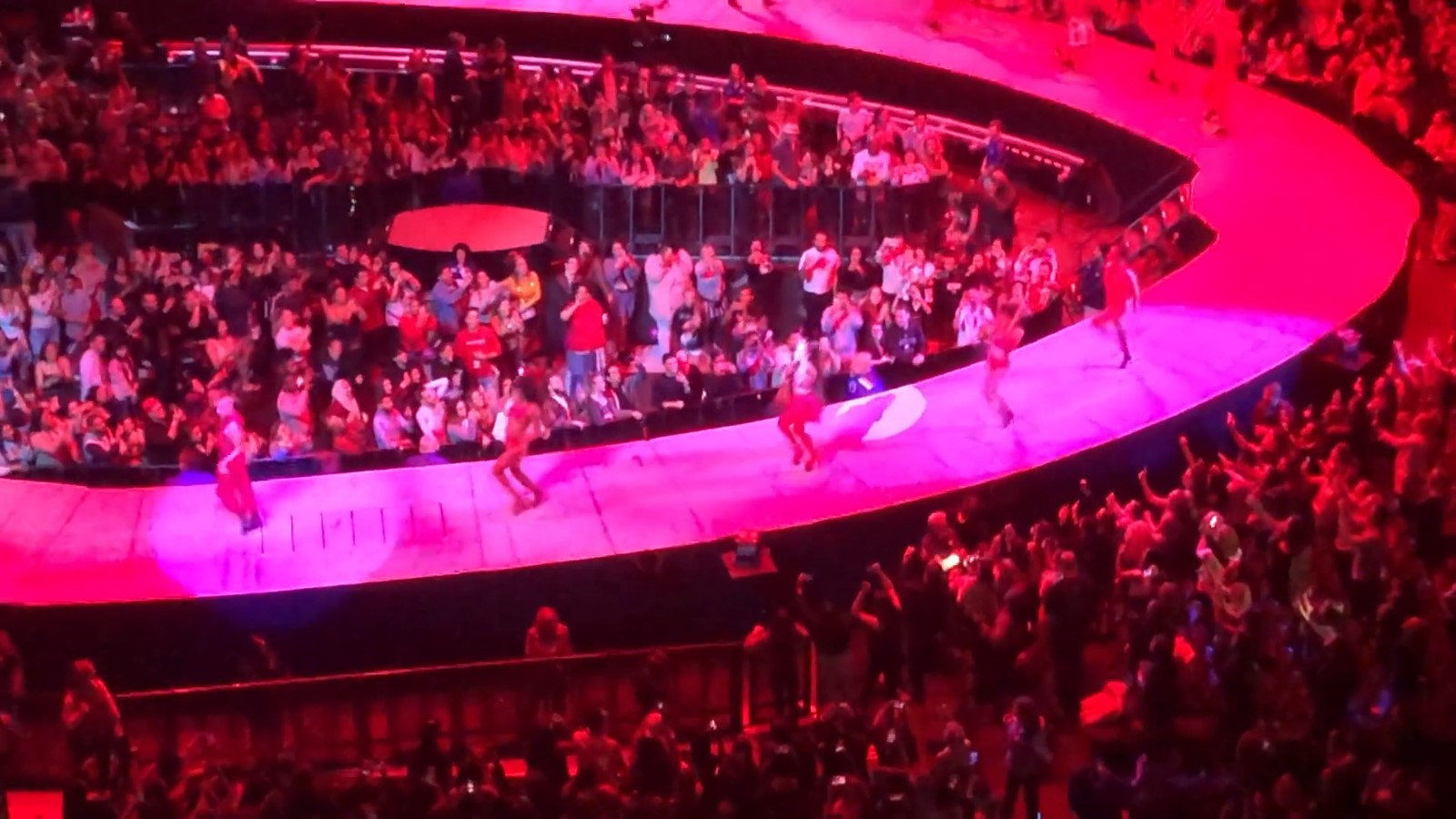
The early reviews explain the logic. Variety’s review of the opening night described “one of the great voices, making an arena her homestead”, and made a point of the stretches where she simply sat on a stool and sang, more or less motionless, for minutes at a time. You cannot do that in a stadium. The sound smears, the wind gets in, and the person 150 metres back watches a screen while the actual human being is a speck. Whistle notes need walls.
For a live contrast, look across the river. The Weeknd is playing five nights at Wembley Stadium in the same window – his run and hers overlap almost to the day. Two enormous comebacks, two completely different bets on what an audience wants: one artist selling spectacle at scale, the other selling proximity to a voice. London gets to be the test lab for both at once, which almost never happens.
Ten nights in Greenwich and none anywhere else
Now the bit nobody selling tickets wants to dwell on. These ten shows aren’t just her only UK dates – they’re her only shows anywhere outside the United States. A fan in Glasgow or Belfast isn’t weighing up a £90 ticket. They’re weighing up a £90 ticket plus a train, plus a hotel that has mysteriously doubled its rates for late August, plus food and the rest. Call it £300 before you’ve bought a programme.
Stadium tours, whatever their sins, used to come to you. Dangerous Woman played Manchester and Birmingham as well as London. The residency model quietly converts a national event into a London event with a travel surcharge, and we’ve all just accepted it as the price of intimacy.
Run the numbers on what that means in aggregate. Ten nights at 20,000 people is 200,000 tickets, and a decent chunk of those buyers are travelling from outside the capital. That’s hundreds of thousands of train fares and hotel rooms flowing into London that a touring version of the same shows would have spread across four or five cities. Greater Manchester’s arenas, Birmingham’s, Glasgow’s – all of them lose the night, the bar spend, the pre-show meals. Nobody planned it that way. But multiply the residency model across every major act making the same choice and you’ve got a quiet, structural transfer of the live economy into one city.
I’ll go further: the residency isn’t really about intimacy at all. It’s logistics with better lighting. One load-in instead of twelve, no trucks crawling up the M6, a production too heavy and too precise to move, and a merch operation that runs like an airport duty-free for three weeks straight. There are honest reasons an artist protecting a delicate voice would choose it – vocal rest between shows being the big one – but let’s not pretend the main beneficiary isn’t the tour balance sheet.
And yet the tickets went anyway. All ten nights, gone.
What a ticket actually costs – if you can find one
When tickets went on sale last September, prices ran from £76.35 to £405 including fees, with VIP packages – lounge access, early entry, the specially designed merch nobody wears twice – sitting on top of that. Steep, but not out of line with what arena pop costs in 2026, and a fair way short of what some stadium acts now charge for the front third of a pitch.
Resale is where it gets ugly. Listings appeared at well over face value almost as soon as the general sale closed, and they haven’t come down. The standard warnings apply double here: the O2 and its ticketing partners say tickets from unauthorised resale sites can be refused at the door, and with demand like this there’s every incentive to enforce it. If you’re still hunting, official resale and returns in the days before each show are the only route worth your time. A mate of mine got Sweetener tour returns at face value the afternoon of the show in 2019 by refreshing the app on his lunch break. It happens more than the touts want you to believe.
It’s also worth being honest about what £405 buys you at the top end, because it isn’t proximity in any meaningful sense. The best seats at an arena residency are an experience; they’re not a different show. The person in the £76 seat at the back hears the same voice through the same system, and at this venue the sound up in the cheap seats is better than plenty of stadiums manage at pitch level. If you’re choosing between a dear ticket to one night and a cheap ticket plus a decent dinner, take the second option every time.
The O2 was built for exactly this
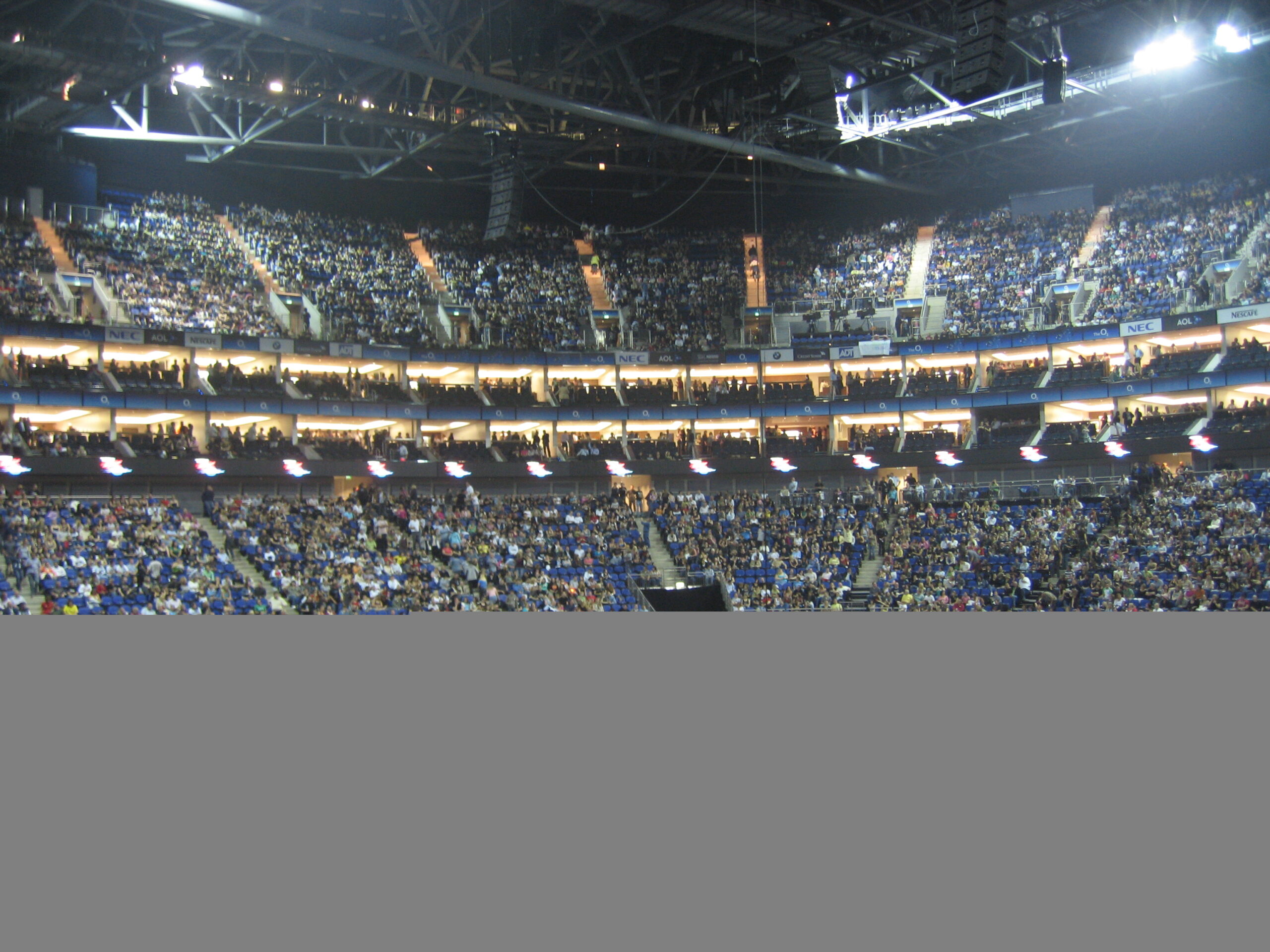
If the residency era has a home, it’s this building. The O2 opened in 2007 inside the shell of the Millennium Dome, a structure the country had spent years treating as a national embarrassment, and within months Prince had claimed it with his 21 Nights in London run – a residency so successful it more or less invented the modern template. He charged £31.21 a ticket, played to over 350,000 people, and proved that if the show is good enough, the audience will come to you.
Since then the arena has hosted residencies the way other venues host tours. Monty Python reunited there. Take That have practically had a wing named after them. Peter Kay has been playing a monthly residency there since the end of 2022 and still hasn’t run out of dates or demand. The building sits on a transport link built for a millennium exhibition that flopped, surrounded by restaurants built for crowds that now actually exist, and it can turn a show around night after night without breaking stride.
Ariana’s ten nights slot into that lineage neatly. She’s not bending the venue to her will; she’s using it precisely as designed. Which is partly why the whole thing feels less like an event that happens to be in London and more like the O2 doing the one thing it does better than anywhere else in Europe.
The barbell shape of British live music in 2026
Pull back far enough and this summer looks lopsided in a way that should worry anyone who cares about the live scene. At one end: mega-residencies. Harry Styles parked himself at Wembley for twelve nights and rewired how promoters think about scale. Ariana’s ten at the O2 follow the same logic indoors. At the other end, something odder is happening: Van Morrison just put a tour of deliberately small rooms on sale and proved scarcity works at 900 capacity too.
It’s the middle that’s being hollowed out. The 2,000-capacity theatre tour, the academy circuit, the mid-sized rooms where British acts learned their trade – that’s exactly the tier of venue closing fastest across the UK. Touring costs have climbed sharply since the pandemic and artists have responded by consolidating dates where demand is deepest, which in practice means London, which in practice means everywhere else gets a livestream and a merch code.
The strange part is that British music itself is in rude health. The records coming out of this country in 2026 are as good as they’ve been in a decade. It’s the map of where you can actually hear music played live that keeps shrinking, even as the biggest shows get bigger.
What to expect when the lights go down
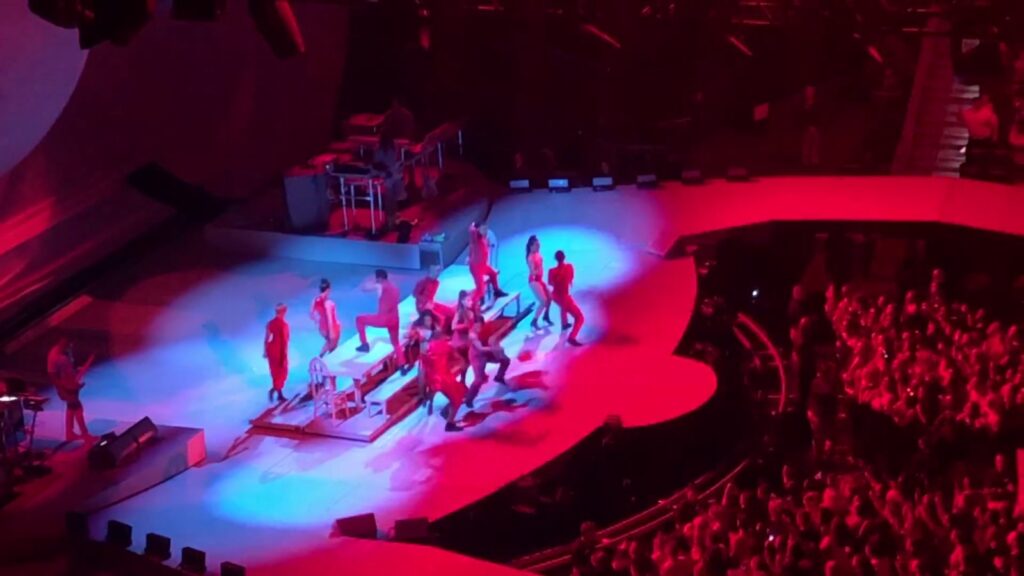
Going by the American leg, roughly half the setlist comes from Eternal Sunshine, with the rest sweeping through Positions, Thank U, Next and the earlier catalogue. The staging is heavy on film-language – Deadline’s review of the Los Angeles shows kept circling one word, “cinematic” – with costuming by Law Roach and long, unhurried passages built around the voice rather than choreography. Reviewers who went in expecting a greatest-hits cannon came out talking about restraint.
Whether that translates to a British crowd on night one is another question. O2 audiences on a Saturday are not famous for restraint. But if any performer can hold 20,000 people still with a stool and a microphone, it’s this one.
One practical note on the run itself: the shows fall in pairs with rest days between, which is how the whole thing stays possible for a singer whose instrument doesn’t forgive overuse. It also means night-one reviews will shape the mood for the remaining nine. If the British press falls for the stool-and-microphone sections the way the American critics did, expect the restraint to deepen as the run goes on. If the crowd demands a party, she’s got the catalogue to throw one.
Pack patience for the North Greenwich tube queue afterwards. Veterans know the drill: either sprint for the Jubilee line the second the house lights come up, or surrender, have a drink by the river and let the crowd drain out. There’s no third option.
Three weeks, then gone again
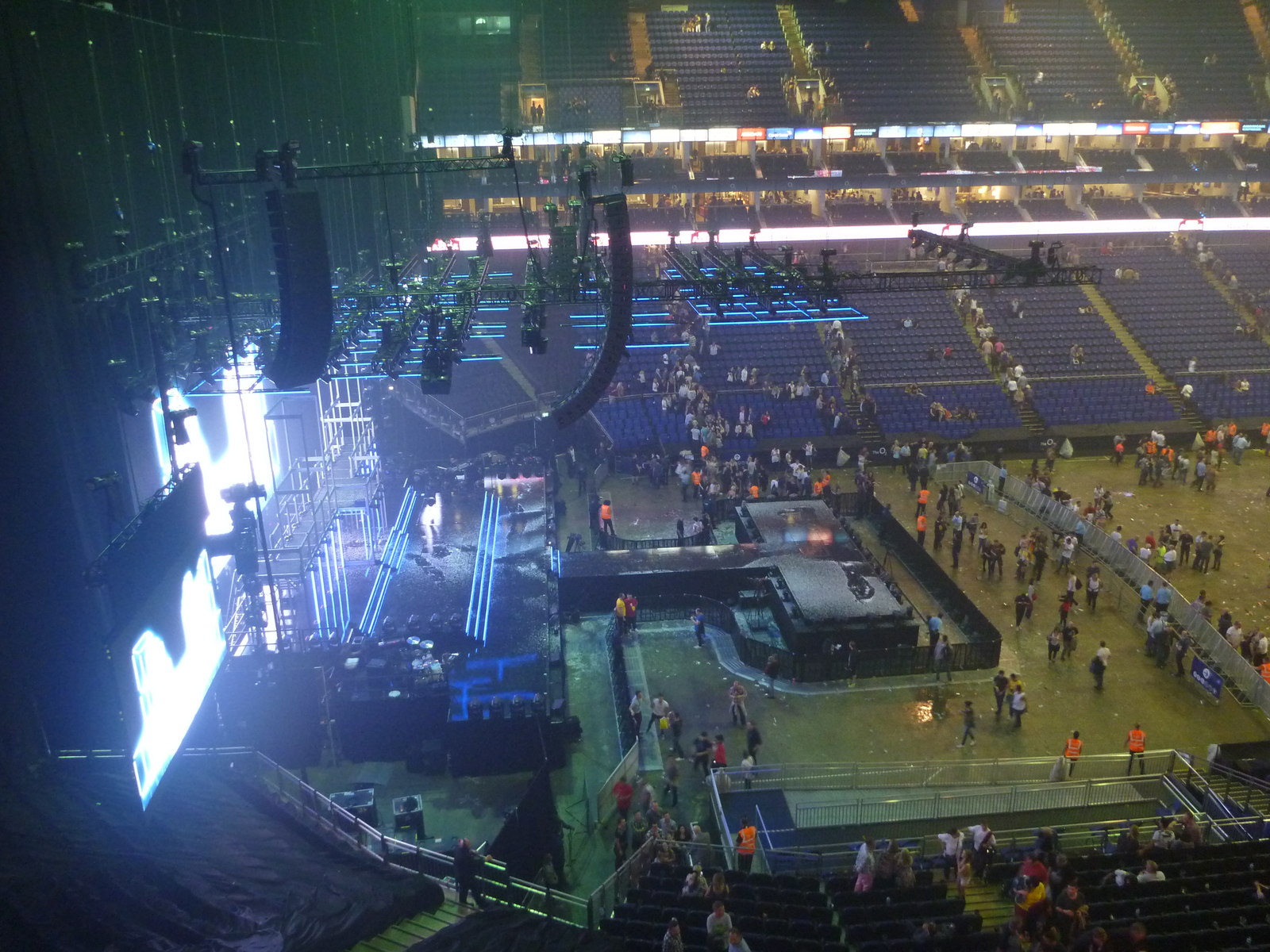
By 1 September it’ll be over, and if the last seven years are a guide, there’s no telling when she’ll be back. That’s the deal the residency era offers British pop fans now: rarer visits, longer stays, one city. Ten flawless nights in a single postcode instead of a rougher tour that reaches Leeds and Cardiff and Aberdeen.
Maybe that’s a fair trade. The voice, by every account from the American leg, has never sounded better, and there’s something to be said for a show built entirely around letting it work. But it does mean the comeback of the year is happening behind one set of doors, in one corner of one city, while the rest of the country watches clips on their phones.
The arena isn’t the only way to do a big pop show in London this autumn: Sam Smith’s Coliseum residency makes the opposite case, with a 2,300-seat opera house and a £55 face value.
So, where do you land – ten perfect nights in one postcode, or a proper national tour with all its rough edges?