
Protein Weetabix, Protein Water, Protein Mars Bars: How Much Protein Do You Actually Need in 2026?
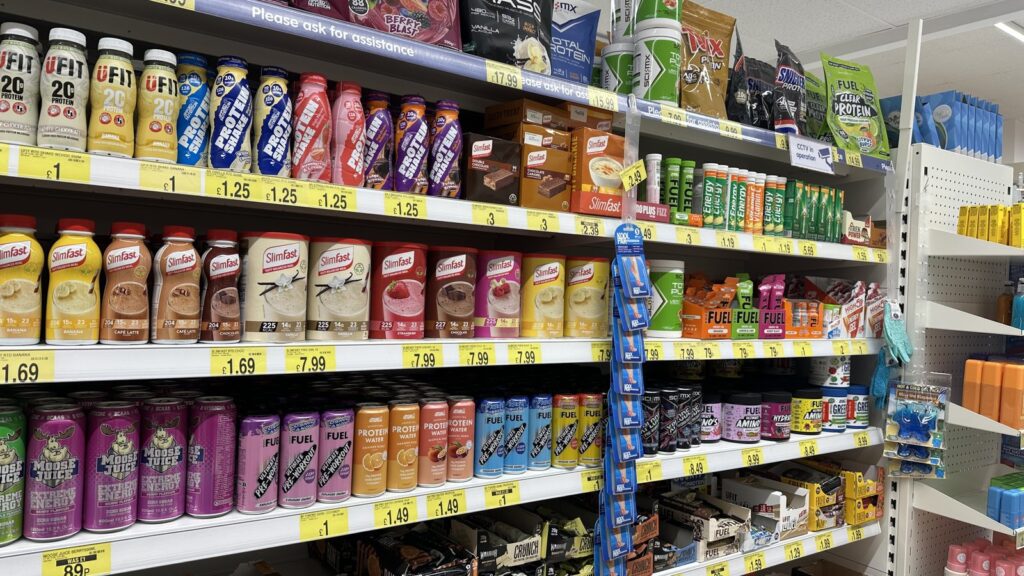
Weetabix sells a protein version now. So does Mars. There’s protein water in the meal deal fridge, protein ice cream two doors down from the normal ice cream, and Aldi will sell you an own-label protein pudding for 89p. Grocery analysts at NIQ reported this year that protein-based foods grew 9.6% in 26 weeks, well ahead of the wider grocery market. Which raises a question almost nobody stood in that aisle has answered: how much protein do you actually need? For most British adults, the unfashionable answer is less than you’re already eating. And the supplement aisle’s next stop after protein-everything is stranger still – see the bovine colostrum boom currently working through Britain’s gyms.
In This Article
- The 0.75 gram rule nobody selling protein wants to mention
- How much protein do you actually need, then?
- Thirty grams at breakfast – the one trend with something in it
- The weight-loss jab effect
- The menopause protein push
- A protein bar is still a chocolate bar
- What's worth putting in the trolley
- The people who should eat more of it
That’s not a contrarian pose. It’s what the national dietary data has shown for years, and it sits oddly alongside a supermarket that increasingly looks like a branch of Holland & Barrett.
The 0.75 gram rule nobody selling protein wants to mention
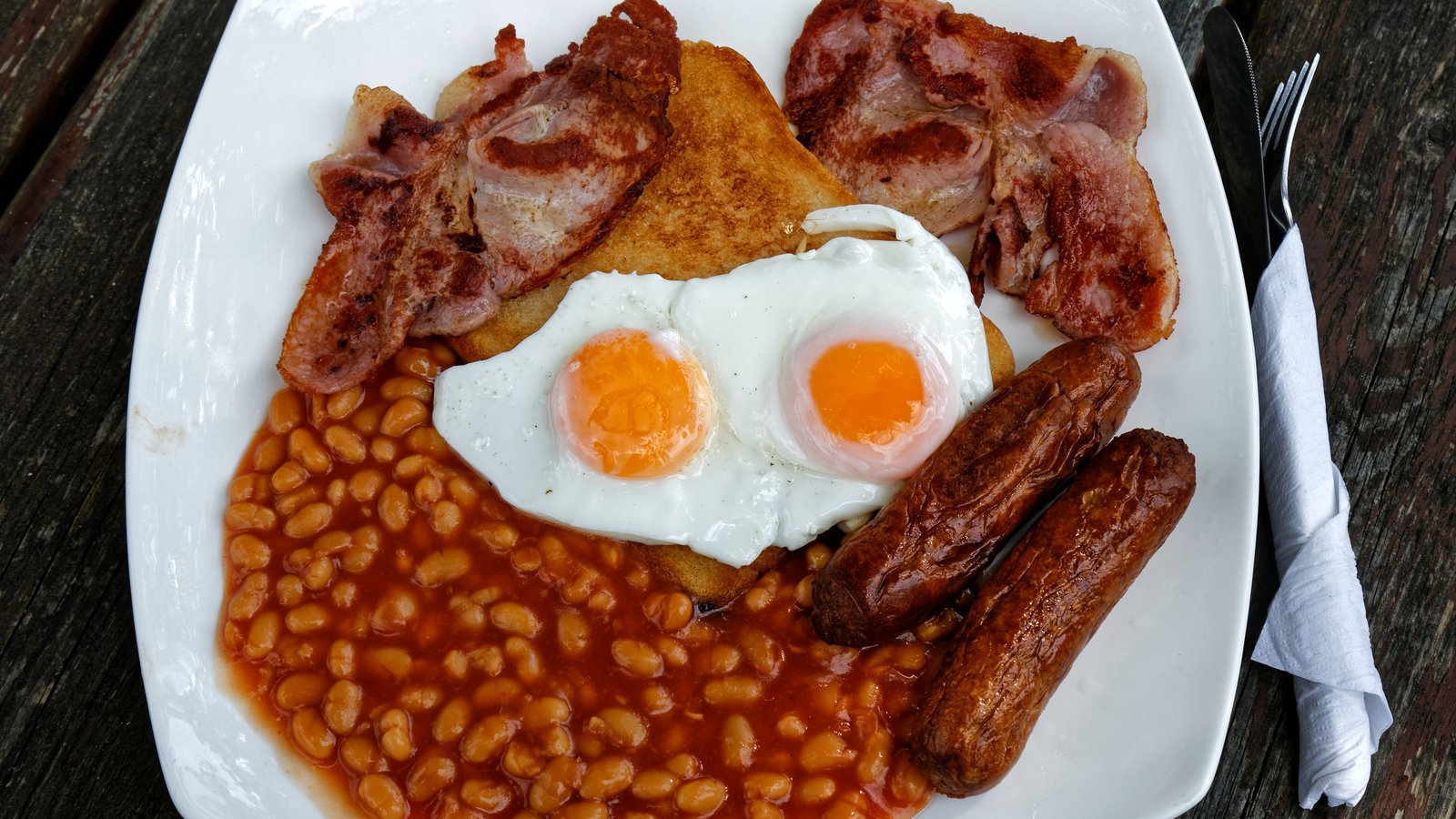
The NHS reference intake for protein is 0.75g per kilo of bodyweight per day. For a 70kg adult that’s about 53g. A 60kg woman needs roughly 45g. Two eggs at breakfast, a chicken sandwich at lunch and a normal portion of mince at dinner clears that bar without anyone trying, and the National Diet and Nutrition Survey has consistently found average UK intakes comfortably above the reference figure.
Now, a fair caveat: the 0.75g figure is a floor, not a target. It’s the amount that prevents deficiency in nearly everyone, and there are decent arguments – which we’ll get to – that some groups do better on more. But “some groups benefit from more” is a very different claim from “everyone should be drinking protein water”, and the aisle is built on the second one.
Protein deficiency in otherwise healthy British adults is close to nonexistent. You won’t find a GP in the country treating it as a routine problem. The gap between that fact and the marketing is where the money is.
How much protein do you actually need, then?
It depends on what you’re asking your body to do – that’s the one hedge this article gets.
If you lift weights and want to build muscle, the best evidence puts the useful ceiling at around 1.6g per kilo per day. That number comes from a 2018 meta-analysis in the British Journal of Sports Medicine covering 49 trials and 1,863 participants: protein intake above habitual levels helped lifters gain strength and muscle, but the benefit flattened out at roughly 1.6g/kg. Eating 2.5g per kilo, as half the gym floor now does, mostly produces expensive urine.
For a 75kg lifter, 1.6g/kg is 120g a day. That sounds like a lot until you count it: 30g from a chicken breast, 25g from a tin of tuna, 20g from 500ml of milk, 15g from Greek yoghurt, and you’re nearly there before dinner. Food gets you to the target. The shakes are a convenience, not a requirement.
Endurance runners sit somewhere around 1.2 to 1.4g/kg. Older adults are a genuinely different case – the European PROT-AGE working group recommends 1.0 to 1.2g/kg from age 65, because ageing muscle responds more sluggishly to protein and the cost of losing it is a fall and a hip fracture. And someone sedentary, eating a normal mixed diet? The 0.75g floor, which they’re almost certainly already past.
Thirty grams at breakfast – the one trend with something in it
Of all the protein content flying around social media since January, the “30g at breakfast” rule is the one with a defensible core. Muscle protein synthesis – the process of turning eaten protein into kept muscle – appears to respond best to doses of roughly 25 to 30g at a sitting, which for most people maps onto about 0.3g per kilo per meal. Below around 20g, the response is weaker; beyond 40g, most of the extra gets used as ordinary fuel.
And the British breakfast is where this bites. Toast, cereal, a flat white – the standard UK morning runs on 5 to 10g of protein, making breakfast comfortably our lowest-protein meal. Someone eating 90g a day in a pattern of 8g, 22g and 60g is getting less benefit from it than someone eating the same total spread evenly. That’s a real, food-first fix: eggs, yoghurt, leftover chicken, a proper bowl of skyr. It costs nothing extra and requires no fortified anything.
What the trend version adds – the £4 “high-protein breakfast pots”, the influencers eating steak at 7am, the claims about blood sugar that have drifted over from the glucose monitor crowd – is mostly noise around that small, sensible signal. Take the 30g, skip the steak content.
The weight-loss jab effect
If you want to know why the protein aisle exploded in the last eighteen months rather than at any point in the previous decade, look at the jabs.
Somewhere north of a million Britons are now on Mounjaro or Wegovy, and the muscle-loss numbers from the clinical trials are startling. In the STEP 1 trial of semaglutide, around 40% of the weight lost was lean mass, not fat. Tirzepatide did better in SURMOUNT-1, but roughly a quarter of losses were still lean tissue. UK clinicians now routinely tell jab patients to prioritise protein at every meal – Patient.info’s guidance suggests around 1.0 to 1.6g/kg alongside resistance training, precisely because appetite suppression makes it hard to eat enough of anything.
This is the one genuinely new reason for protein-dense products to exist. When you can only manage half a meal, making that half-meal count matters. A fortified yoghurt drink is doing real work for someone on tirzepatide in a way it plainly isn’t for the rest of us.
And the food industry knows it. Jab users eat less overall – grocery firms have been openly briefing investors about it since last year – so the response is to sell smaller amounts of more expensive food. Protein fortification is the mechanism. The aisle isn’t really aimed at gym-goers any more. It’s aimed at Mounjaro.

The menopause protein push
The other audience the aisle has discovered is midlife women. Scroll any wellness feed and you’ll find the claim that women over 40 need dramatically more protein because falling oestrogen accelerates muscle loss – usually followed, two posts later, by a discount code. The same feeds are now pushing creatine at the same audience – our piece on creatine for women sorts the evidence from the sales pitch.
The kernel is real. Oestrogen does play a role in maintaining muscle, women do lose lean mass faster through the menopause transition, and a midlife woman eating 1.0 to 1.2g/kg alongside proper strength training is making a sensible bet. British women in this age group also tend to eat less protein in absolute terms than men, simply because they eat less overall, so the gap to a useful intake is wider.
The same feeds selling protein to midlife women are pushing creatine at them too – we’ve looked at what creatine actually does for women separately.
But the numbers being sold – 2g per kilo and up, “protein is the new HRT”, 40g shakes as a daily non-negotiable – run well past anything the research supports. There’s no menopause-specific trial showing benefits at those intakes. The honest version is undramatic: a bit more protein, spread through the day, plus lifting something heavy twice a week. It’s the strength training doing most of the work in every study we have. The shake is the garnish that gets the marketing budget.
A protein bar is still a chocolate bar
Here’s the position this article is willing to defend: most protein-fortified snacks are confectionery with a lab coat on, and you shouldn’t buy them.
Run the numbers per 20g of protein. A Grenade bar gives you 20g for about £2.50. Four eggs give you 25g for roughly 90p. A 500ml bottle of semi-skimmed milk manages 18g for about 55p, and a tin of tuna 25g for just over a pound. The fortified bar costs four to five times more per gram of protein than food that was high in protein before marketing departments discovered the word.
It’s also usually worse food. Check the label on most protein bars and you’ll find sweeteners, palm fat, soluble corn fibre and a texture best described as caulk. The protein itself is often collagen or soy crisps – cheap, incomplete, chosen for cost rather than quality. I kept one in a bag from March to June as an emergency snack. It emerged unchanged, which tells you something. (Collagen as a protein source is a separate argument – we’ve looked at whether collagen supplements do anything at all.)
But the deeper problem is the halo. Shoppers see “20g protein” and read “healthy”, the same trick that made low-fat biscuits a thing in the nineties. A protein Mars bar has a Mars bar’s sugar. Protein ice cream is ice cream. And protein water – whey isolate dissolved in fruit squash at £1.80 a bottle – might be the single worst-value item in the supermarket. We’ve seen this pattern before with greens powders and creatine gummies: take something with a real use case, dilute it, wrap it in convenience packaging, triple the price.
What’s worth putting in the trolley
None of this means ignoring protein. It means buying it like someone who can read a label.
Skyr and cottage cheese are the quiet winners of the whole trend – 10 to 11g per 100g, minimal sugar, about £1.20 a pot, and the cottage cheese revival is one internet food trend that deserved to happen. Milk remains absurdly good value. Frozen chicken thighs, tinned fish, eggs. Lentils and beans bring fibre along with the protein, which matters more for most British diets than the protein does – a point our fibre supplements piece made in July: the average UK adult is short about 12g of fibre a day and short of no protein at all.
If you do want a supplement because you train hard or you’re on a jab and struggling to eat, plain whey powder does the job at 30 to 40p a serving. It’s the same ingredient the fancy products are built on, minus the packaging. Nothing to write home about, which is rather the point.
One practical note on the ready-to-drink shakes stacked by every supermarket till: they’re fine as food, but you’re paying £2 or more for what the powder version delivers for a fifth of that. Buy them the way you’d buy a meal deal – as a convenience you know you’re overpaying for – not as a health habit. The 500ml bottle of milk sitting next to them in the fridge has most of the protein, a third of the price tag, and no one has ever needed to market it.
The people who should eat more of it
Four groups have a real claim on extra protein: people doing serious resistance training, people losing weight on jabs or otherwise in a steep calorie deficit, people recovering from illness or surgery, and adults over 65.
The last group is the one worth dwelling on, because it’s the one the marketing ignores. The over-65s aren’t buying protein pudding. But they’re the Britons most likely to fall short – appetite shrinks with age, meals get smaller, and muscle quietly disappears at a rate of up to 8% a decade from midlife. Sarcopenia doesn’t announce itself. It shows up years later as the difference between getting up from a chair unaided or not.
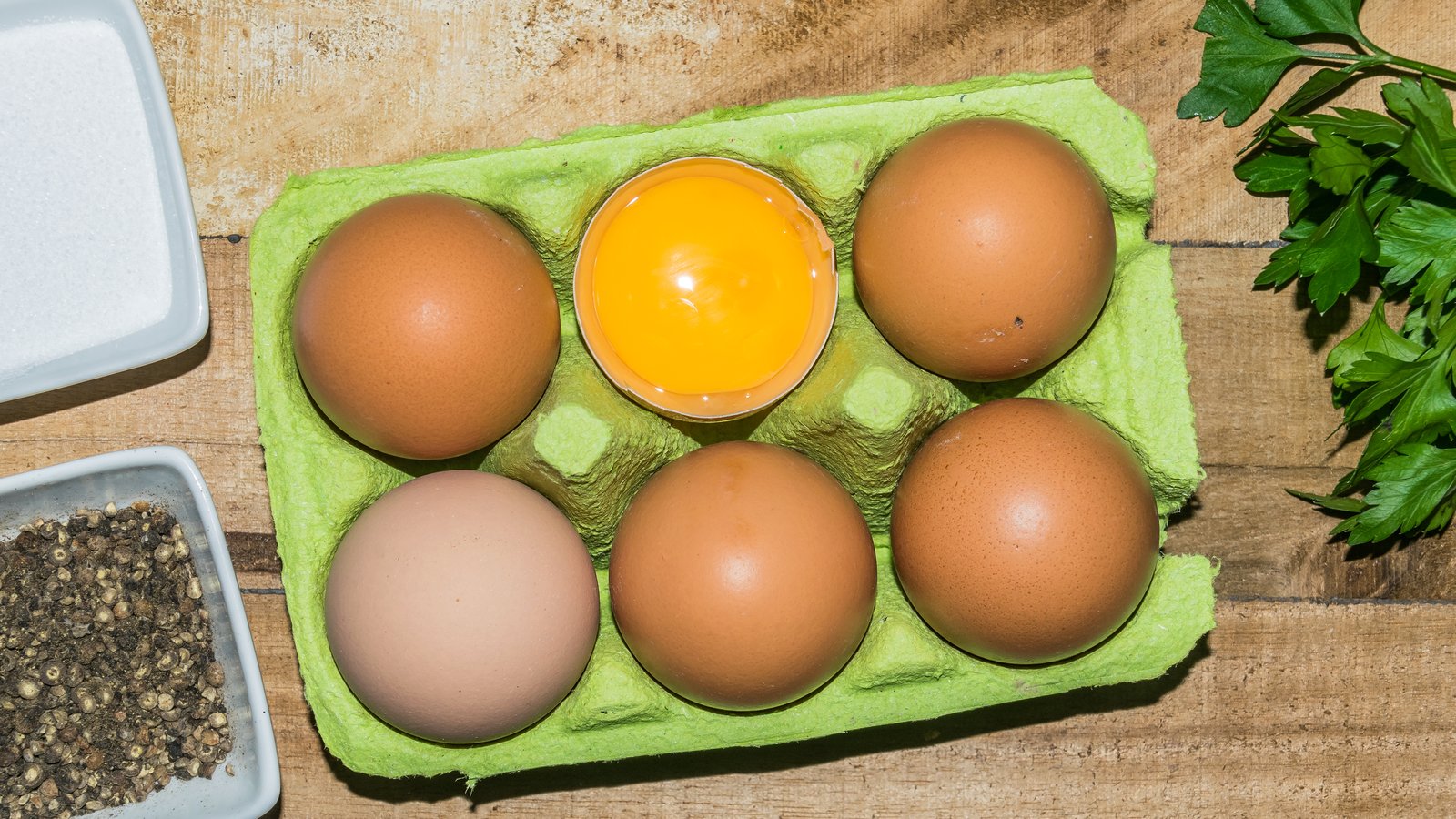
For older adults the practical advice is dull and effective: something protein-rich at every meal rather than one big hit at dinner, because ageing muscle uses protein better in repeated doses. Eggs on toast counts. Baked beans count. And pairing it with strength work – even the weighted vest walking half of Britain’s parks took up this year, whatever the state of its evidence base – beats either on its own. The same crowd should keep an eye on vitamin D through the winter too – the rare supplement with an NHS recommendation attached.
Is more protein dangerous for everyone else? For healthy kidneys, no – the old warnings haven’t held up well, and intakes around 2g/kg look safe in the research we have. The cost of overdoing it is money and displaced food rather than harm. Eat 130g a day if you like counting; just know that past your personal ceiling, you’re buying nothing with it.
So the aisle has it exactly backwards. The people buying fortified snacks mostly don’t need them; the people who need protein most aren’t in that aisle. If the trend does one useful thing, it might be getting a 70-year-old to pick up the higher-protein yoghurt. Everyone else can keep their 89p pudding money.
What’s the most absurd protein-fortified product you’ve seen in a British supermarket this year? We’re keeping a list – tell us below.