

Prime Big Deal Days 2026 Starts Tomorrow: The Record Lows Worth Taking, the £95 Question and the Deals to Ignore
Amazon’s own listing for the Nintendo Switch 2 says £354.99 tomorrow, down from £419.99, and it’s the lowest that console has ever sold for there. That’s a real saving of £65. The same sale will also happily put a “was £249.99” tag on a 32-inch telly and call £129.99 a bargain. Both things are true on the same day, and Prime Big Deal Days 2026 is mostly an exercise in telling the first kind of deal from the second.
In This Article
- First, the £95 question
- The record lows worth taking at Prime Big Deal Days 2026
- Where "lowest ever" does the heavy lifting
- Laptops, wearables and the price you never see
- How to check a deal in under a minute
- The subscription catch nobody puts in the banner
- What I'd skip, and what I'd wait for
- Set alerts tonight, not at midnight
- Who should do what
- Returns are your safety net
The sale runs from 12:01am on Tuesday 6 October to 11:59pm on Wednesday 7 October, Prime members only. I’ve gone through the early deals, checked them against the price-tracking numbers Which? published, and sorted them into three piles: buy tomorrow, wait, and ignore.
First, the £95 question
Prime costs £8.99 a month or £95 a year. Students get it for £4.49 a month or £47.49 a year. There’s a 30-day free trial, which is the bit most people will use, and there’s nothing sneaky about signing up, buying the one thing you came for and cancelling before the first charge. Amazon offers the trial. Use it.
If you’re already a member, the fee is sunk and this is just a shopping calendar. If you aren’t, don’t pay £95 for a two-day sale. The maths only works if you’d have bought the thing anyway and the saving is bigger than a few months of the monthly fee. On a £65 Switch 2 saving, the trial pays for itself. On a £5 saving on a doorbell chime, it doesn’t.
The record lows worth taking at Prime Big Deal Days 2026
Most of the best prices this year are on Amazon’s own kit, which is no surprise. Amazon sets the price, Amazon sets the “was” price, and Amazon decides how low to go. That’s also why they tend to be the most trustworthy deals of the lot: the same company is selling the same product at a lower number than it ever has. TechRadar’s early-deal list flags these as lowest-ever prices.
The ones I’d take seriously:
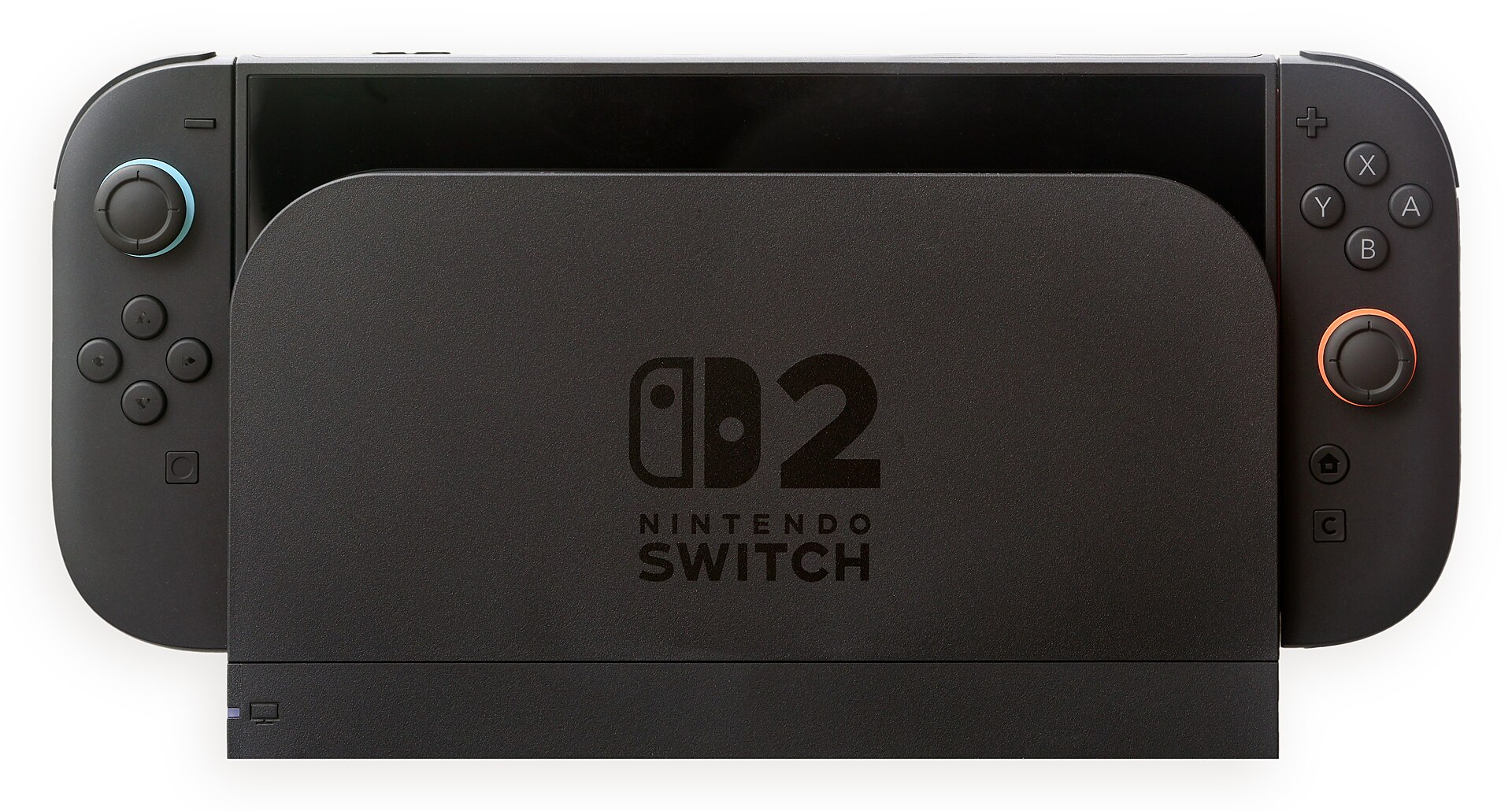
- Nintendo Switch 2, £354.99 (was £419.99). Lowest ever. Consoles rarely drop this early in their life, and if there’s a child in your house you already know what’s coming in December. Buy it tomorrow.
- Kindle (base model), £84.99 (was £134.99). A £50 cut on the one e-reader most people should buy. We’ve already argued that the plain Kindle beats the Paperwhite for most readers in our e-reader guide, and at £84.99 that argument gets stronger.
- Kindle Colorsoft, £144.99 (was £239.99). A record low, but colour e-ink still looks washed out next to a phone screen. Only worth it if comics or cookbooks are the point.
- Blink Mini 2K+, £16.99 (was £39.99). Cheap enough to be an impulse buy. Blink sells a subscription for saving clips, so factor that in before you put four of them around the house.
- Echo Spot, £44.99 (was £79.99). A bedside clock that happens to talk. Fine at that price.
- Ring Battery Video Doorbell, £39.99 (was £99.99). The headline saving is big, but Ring’s cloud recording is a paid extra. More on that below.
One caution on the Kindle Scribe: £314 for the 64GB model (was £449.99) is a new low, and it’s still a lot of money for a device that most people use to read and scribble the odd note. If you do want a writing tablet that doesn’t have a glowing screen, this is the cheapest it’s been. If you’re not sure, you don’t need one.
Where “lowest ever” does the heavy lifting
Here’s my contrarian view: the Amazon Ember TVs are the most over-praised deals of the week. The 50-inch 4-Series at £279.99 (was £499.99) and the 32-inch at £129.99 (was £249.99) are both flagged as record lows, and both are perfectly decent as a second set. But they’re own-brand budget panels, and the “was” prices sit well above what these sets normally go for. A 55% headline saving on a TV nobody was paying £499.99 for isn’t a 55% saving.
That doesn’t make them bad. A £130 telly for a spare room, a kitchen or a teenager’s bedroom is hard to argue with. But if this is going to be your main living-room TV for sport or films, we’d wait. Our Black Friday tech guide covers the long version: big TVs are one of the categories where waiting beats buying, with one Samsung dropping from £1,039 on Black Friday to £759 within six months.

Laptops, wearables and the price you never see
Two deals need a harder look. The Microsoft Surface Laptop with a Snapdragon X Plus chip, 16GB of memory and 512GB of storage is down to £899 from £1,449. That’s £550 off, which sounds like a wild saving until you ask how many people ever paid £1,449 for it. I’m guessing here, but a “was” price that high usually means the list price, not the street price. Check it against a tracker before you press the button.
The Oura Ring 4 at £199.99 (was £349) is also flagged as a lowest-ever price. Good, but remember the ring is only half the cost. Oura charges a monthly membership before you get most of its data, so the real price is the ring plus however long you keep paying. Look up the current membership fee before you decide.
The Ninja kit is more straightforward. The Ninja Foodi Max Dual Zone air fryer is listed at £161.45 (was £229.99), and the Ninja Creami at £153.89 (was £249.99), the latter described as the best price all year. For comparison, Which? reported last year that a Ninja Foodi Max air fryer dropped to £165 against a six-month average of £240. If it’s the same model, this year’s price is a few pounds better. Not a revolution, but real money.
How to check a deal in under a minute
Which? tracks prices over six months and flags when something hits its cheapest-ever Amazon price. That’s the habit worth copying. Before buying anything over about £50 tomorrow, do this:
- Open a price-history tracker (Which? uses its own; free browser tools do the same job) and look at the last six months, not the last week.
- Compare the sale price to the six-month average, not to the “was” price on the page.
- Check one other retailer. Argos, Currys and John Lewis are worth a quick look; some retailers do respond to Amazon’s sale, though I can’t promise they will on any given product.
- Look for the recurring cost: a subscription for cloud storage, a membership, a pack of filters.
Which? gave some examples in its early look at the sale. The Eufy Video Doorbell Dual S330 hit its cheapest-ever Amazon price at £119, against a six-month average of £146. The Eufy Omni C20 robot vacuum with a self-emptying tank and mop reached a record low of £284 (average £339). The Eufy Solocam E30 solar security camera fell to £66 (average £90). Those are the kind of numbers that mean something: an actual saving against what the thing normally costs, not against an inflated list price. Which? also noted that a Devola DV12L dehumidifier had a low of £106 against an average of £129, which is a modest cut but a useful one if your windows are already streaming. We covered the basics in our dehumidifier guide.
The Echo Show 8 last year is the useful cautionary tale. It was £149 in the sale against a six-month average of £152. That’s a £3 saving dressed up as an event.
The subscription catch nobody puts in the banner
Cheap smart-home cameras are the clearest example of a product that’s priced low because the money is made later. A £39.99 Ring doorbell or a £16.99 Blink camera is a good price for the hardware. But if you want recorded clips, you’re looking at a monthly or annual plan, and over two years that can cost more than the camera. We went through this in our video doorbell guide, and the answer hasn’t changed: check what the device does without a subscription before you check how cheap it is.
The same logic applies to anything that eats refills or accessories. A cheap robot vacuum with proprietary filters, a cheap kids’ tablet with a subscription service attached (we ran the numbers on that in our Amazon Kids+ piece). Count the cost of year two.
What I’d skip, and what I’d wait for
Skip anything where the discount is below about 10% against the six-month average. That’s not a deal, it’s a Tuesday. Skip big TVs, unless it’s a second set. Skip laptops unless you need one this month; the post-Christmas sales are usually kinder. And skip anything you didn’t know you wanted until you saw the countdown timer.
Wait for Black Friday on phones, headphones and larger TVs. The honest advice from independent research is that no single sale wins every time. Which? found in its Black Friday tracking that 83% of products were the same price or cheaper at another point in the year, while MoneySavingExpert found that 74% of its basket was cheapest on Black Friday itself compared with the run-up to Christmas. Those two findings look like they disagree, but they’re answering different questions. One asks “was it ever cheaper?” The other asks “is November the cheapest month before Christmas?” For something you need by Christmas, tomorrow is a fair bet. For something you can wait on, it often isn’t.
If you’re flying anywhere over half-term and want a power bank, there’s a rule change worth knowing about first, and our flight power bank guide has it. The Which? early look also flagged a cheap INIU 20000mAh model with a six-month average of £17 and a low of £13. At that price the airline rules matter more than the discount.
Set alerts tonight, not at midnight
The sale starts at one minute past midnight, and the worst way to shop it is half asleep with a basket full of things you didn’t plan to buy. Amazon lets you set deal alerts on specific products or categories at amazon.co.uk/primebigdealdays, and that’s the sensible way in. Pick three items. Write the price you’d actually pay next to each. If the alert comes in above that number, you’ve lost nothing.
A few of the stock-limited deals do go quickly, and that’s what the countdown timers are designed to exploit. Most of the record lows above are Amazon’s own devices, which it can restock, so there’s rarely a good reason to panic. And if you need something fast, delivery is quicker than it used to be: same-day or next-day in more than 80 UK towns and cities, and a 30-minute Amazon Now service in parts of London and Manchester. That’s handy for a last-minute gift. It isn’t a reason to buy something you haven’t checked.
Amazon is also leaning on seasonal stuff this year, with autumn entertaining, Halloween supplies and an early Holiday Shop for gifts. Fine, if you were buying those anyway. But a pumpkin lantern at 30% off is still a pumpkin lantern you didn’t need in September.
Who should do what
If you’ve got a child who wants a Switch 2 for Christmas, tomorrow is the day to look. It’s a record low, and consoles tend to sell out as December gets closer. If you read a lot, the £84.99 Kindle is the least risky purchase on the whole list. If you’re kitting out a flat or a spare room, the Ember 32-inch at £129.99 does the job. If you’re after a laptop or a main TV, close the tab and come back in January.
And if you’ve never owned a smart-home gadget, start with the £16.99 Blink Mini rather than a £39.99 doorbell. It costs less than a takeaway and tells you quickly whether you’ll use the thing at all. Most people, in my experience, buy three cameras in a sale and use one.
Returns are your safety net
One more thing Which? points out, and it’s worth remembering if you buy on impulse: you have 30 days to return most things under the Consumer Rights Act, and Amazon covers the return postage on items it sells directly. So if you buy the Switch 2 tomorrow and see it cheaper in a fortnight, that’s a conversation to have, not a mistake you’re stuck with. Buy early for the stock, return what you don’t need.
My own short list for tomorrow is boring on purpose: the Switch 2 if you were buying one anyway, the base Kindle, one Echo Spot for a bedroom, and a Blink Mini if you’re happy to skip the cloud plan. Everything else I’d check on a tracker first. If you’re only going to buy one thing across both days, which would you pick, and is it still the cheapest it’s been when you look at six months of prices?
For consoles specifically, see our guide to the best ways to save on a PS5 in the UK.