Best Cordless Vacuum Under £250 for Mud Season 2026: The £199 Dreame That Beats a Dyson V8 – And When a Corded Stick Is the Smarter Buy
The worst fortnight of the year for floors starts about now. The dog’s dropping its summer coat, the school shoes are coming home caked in playing-field mud, and the hallway has a permanent drift of leaves that got in on someone’s sock. That’s when the old vacuum gives up, and it’s why the best cordless vacuum under £250 is the question half the country seems to be typing into Google in late September. Here’s the awkward part: a lot of the cordless sticks you’ll find at that price are rubbish, and the one everybody reaches for first isn’t the one I’d buy.
In This Article
- Why £250 is the number that matters
- The spec that decides everything (and the one the box fudges)
- The best cordless vacuum under £250 right now: four worth a look
- Dreame R20 – the one I'd buy
- Henry Quick – for allergy households and anyone who hates emptying bins
- Dyson V8 Advanced – skip it
- Shark Anti Hair Wrap Cordless – only on a good offer
- You might not want cordless at all
- What if you've only got £120?
- Buy now or wait for Black Friday?
- Making a cheap cordless vacuum last
- What about a robot instead?
Which? puts it bluntly in its cordless vacuum buying guide, updated in August: only a few models clean well, and it has tested cordless vacs costing more than £150 that were so poor it named them Don’t Buys. So the price cap isn’t the hard part. Avoiding the duds is.
Why £250 is the number that matters
You can buy a cordless stick for £60 at Currys. Russell Hobbs and Tower both make them. I wouldn’t, and the reason is the battery rather than the suction. Cheap cordless models tend to clean so weakly on their low setting that you end up running them on max, and on max a weak battery dies in under ten minutes. That’s barely a downstairs.
At the other end, the premium Dysons and Samsungs run from £400 to well past £1,000, and while they clean brilliantly, the gap between a £700 machine and a good £200 one is much smaller than the price suggests. Which? says it has plenty of Best Buys in the £200 to £400 band and that big brands like Bosch, Dyson, Samsung and Shark usually start at £250 to £300. Autumn discounting is what drags a few of those under the line.
So £250 is roughly the point where a cordless vacuum stops being a toy and starts being the only vacuum you own. Below it, you’re mostly buying a second machine for crumbs.

The spec that decides everything (and the one the box fudges)
Forget air watts. Nobody outside a lab can make sense of them, and brands measure them differently anyway. The number to care about is how long the vacuum runs at a setting that actually picks things up.
Which?’s benchmarks are a sensible yardstick. On maximum power, 15 to 16 minutes is decent and the best models manage more than 20. On minimum power, you want at least 30 minutes, ideally closer to an hour – but only if the low setting cleans properly, otherwise the long runtime is meaningless. Charging takes about three hours on average, so anything that needs five or six is a mark against it. And the headline battery figure on the box? Which? says it has found models overstating battery life by as much as a third.
The other things I’d check before handing over money:
- Weight, and where it sits. Cordless sticks average around 3kg, but a heavy motor at the handle end makes cleaning cobwebs off the ceiling a proper workout.
- A removable battery – because in three years that’s the part that’ll fade, and a vacuum with a screwed-in battery becomes landfill when it does.
- Bin size. Most hold 0.5 to 0.7 litres, which is fine for a flat and irritating for a house with a Labrador.
- An anti-tangle brush bar if anyone in the house has long hair or fur. Cutting hair off a roller with nail scissors is nobody’s idea of a Saturday.
The best cordless vacuum under £250 right now: four worth a look
Prices below are what I found in the past week at the big retailers. They move constantly, so treat them as a guide rather than a promise.
| Model | Typical price now | RRP | Claimed max runtime | Bin |
|---|---|---|---|---|
| Dreame R20 | £179-£199 | £239 | Up to 90 mins (lowest setting) | 0.6L |
| Henry Quick (cordless) | often around £200 on offer | £299.99 | About 70 mins | 1L bag cartridge |
| Dyson V8 Advanced | from about £219 | £329.99 | About 40 mins | 0.5L |
| Shark Anti Hair Wrap Cordless (IZ202UK) | varies widely, up to £279 | – | 36 mins standard, 19 boost (TechRadar’s test) | 0.7L |
Dreame R20 – the one I’d buy
This is the easy recommendation, and it’s the one most people haven’t heard of. Dreame is a Chinese brand better known for robot vacuums, and the R20 has been quietly winning over reviewers for a while. TechRadar called it one of the best-value vacuums it had ever tested back when it cost £230; it’s now sitting at £199 on Dreame’s own UK store and has been spotted at £179 at Very. For that you get a 2.7kg stick with automatic suction that ramps up when the floorhead senses more dirt, a separate soft roller for hard floors, and a claimed runtime of up to 90 minutes on its lowest setting. The auto mode is the useful bit: it means the vacuum spends battery where the mess is, rather than blasting the clean bit of carpet under the sofa at full power. The only real complaint from reviewers is a slightly whiny motor note, which after a week you stop hearing. And the battery is sold separately on Dreame’s UK store, so you can replace it when it eventually fades.
Henry Quick – for allergy households and anyone who hates emptying bins
Numatic’s cordless Henry has a smiley face on the front and a bag cartridge inside, which is either its best feature or its worst. If someone in your house has hay fever or a dust allergy, it’s the best feature – you pull out a sealed pod and bin it, with no cloud of grey fluff escaping into the kitchen. Runtime is a generous 70 minutes or so and it weighs about 3.2kg. The RRP is £299.99, which is too much. But it’s regularly discounted to around £200, and at that price it’s a solid machine. Just factor in the cost of cartridges, and don’t buy it if you resent ongoing costs on principle.
Dyson V8 Advanced – skip it
This is the one people buy because it says Dyson on the side, and I think that’s a mistake at £219. The V8 is a design that’s getting on for a decade old. It’s well built, it’s light, and it’s lovely to steer. But its roughly 40-minute runtime is modest by 2026 standards, there’s no automatic suction adjustment, and the bin is small. You’re paying about £20 more than the Dreame for a machine that does less. If you’re set on a Dyson, wait – older models like the V8 are the ones that get the deepest discounts in November, and I’m guessing it’ll dip below £200 before Christmas. At £219, it’s the badge you’re buying.
Shark Anti Hair Wrap Cordless – only on a good offer
The hair-wrap brush bar is the real deal: it stops fur and long hair winding round the roller, which matters more than you’d think in a house with a spaniel. The wand bends forward so you can get under the sofa without kneeling. But TechRadar’s tester found it managed 36 minutes in standard mode and 19 on boost, listed it at 4.7kg (the heaviest of its budget picks), and found the dust cup fiddly. Prices vary wildly between retailers – PRC Direct had it at £279 this week – so shop around. At £279 I’d walk past it; under £200 it’s a fair buy for pet owners.

You might not want cordless at all
Here’s what the cordless marketing never says. If you’re on a budget and you live in a house with lots of carpet, a corded stick vacuum will probably clean better for less money.
No battery means no runtime anxiety, no fade after three years and full power for as long as you like. Numatic makes a corded version of the Henry Quick that reviewers have tested at around £160, and Shark sells corded Anti Hair Wrap sticks for less than its cordless ones. TechRadar’s own vacuum editor makes the same point: corded almost always gives you more suction per pound than cordless.
But cordless wins in two situations. If you live in a flat or a small house with mostly hard floors, the grab-it-and-go convenience means you’ll vacuum more often, and a vacuum you use every day beats a better one that lives in the cupboard. And if you’ve got stairs, carrying a corded stick up them while untangling the cable from the banister is a real faff.
Big, carpeted, family house: go corded, or keep the old upright for the weekly clean and buy a cheap handheld for crumbs. Smaller home, hard floors, or you just want to stop dragging a cable round: the Dreame.
What if you’ve only got £120?
Then be honest with yourself about what the vacuum is for. Under about £150, you’re choosing between two compromises, and neither of them is a cordless stick that’ll replace your main machine.
The first option is a cheap cordless stick from a brand like Vax, Beko or one of the Amazon names you’ve never heard of, and accepting it’s a crumb-catcher for the kitchen and the stairs. Some are decent at that. But read the independent reviews before you read the box, because this is the price band where Which?’s Don’t Buys pile up, and where claimed runtimes drift furthest from reality. A 45-minute claim that turns into 12 minutes on carpet isn’t unusual.
The second – and the one I’d pick – is to spend the money on a corded stick or a decent bagged cylinder and forget about batteries entirely. The old Henry in the understairs cupboard is still the best-value vacuum in Britain for a reason.
What I wouldn’t do is buy a £70 cordless and expect it to cope with a moulting dog and a muddy autumn. It won’t, and you’ll be back looking at this list by Christmas.
Buy now or wait for Black Friday?
Vacuums are one of the categories that reliably get cut in November, and I’d expect the Dyson and Shark prices in particular to drop. That said, the Dreame R20 is already about £40-£60 off its RRP, and there’s no guarantee it goes much lower. If your current vacuum has died and you’ve got a dog shedding on the carpet, eight weeks of fur is a high price for maybe £20 off.
My rule: if the machine you want is already 20% or more below RRP, buy it now. If it’s at full price, wait. And ignore “was” prices on retailer pages, which are sometimes set at a level the product barely sold at. Price trackers like PriceSpy show the real history in about ten seconds.
Making a cheap cordless vacuum last
A couple of habits add years to a stick vacuum, and they cost nothing.
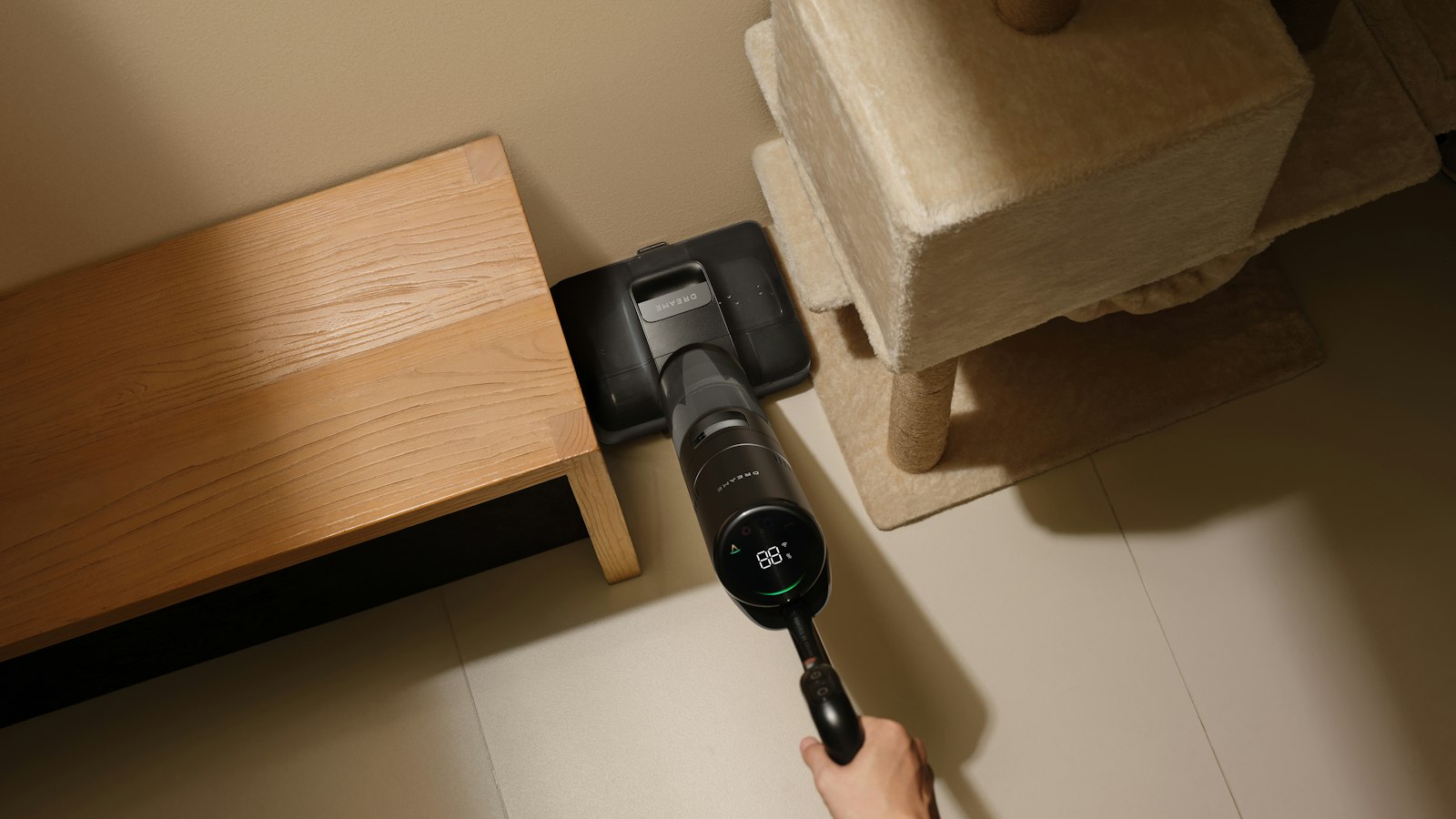
Wash or tap out the filter every few weeks. A clogged filter is the most common reason a cordless vacuum “loses suction” – the motor’s fine, the air just can’t get through. Most filters can be rinsed under the tap, but they need a full 24 hours to dry, so don’t put one back damp. Empty the bin before it hits the max line, not after. And don’t leave the battery flat for weeks; lithium batteries last longest when they’re kept topped up rather than run to zero every time.
If you’re dealing with damp as well as dust this autumn, the dehumidifier guide is worth a read, because mould spores and dust mites both do better in a damp house and no vacuum will fix that. Allergy sufferers might also want to look at our air purifier piece, which came to a similar conclusion about paying for the Dyson name.
What about a robot instead?
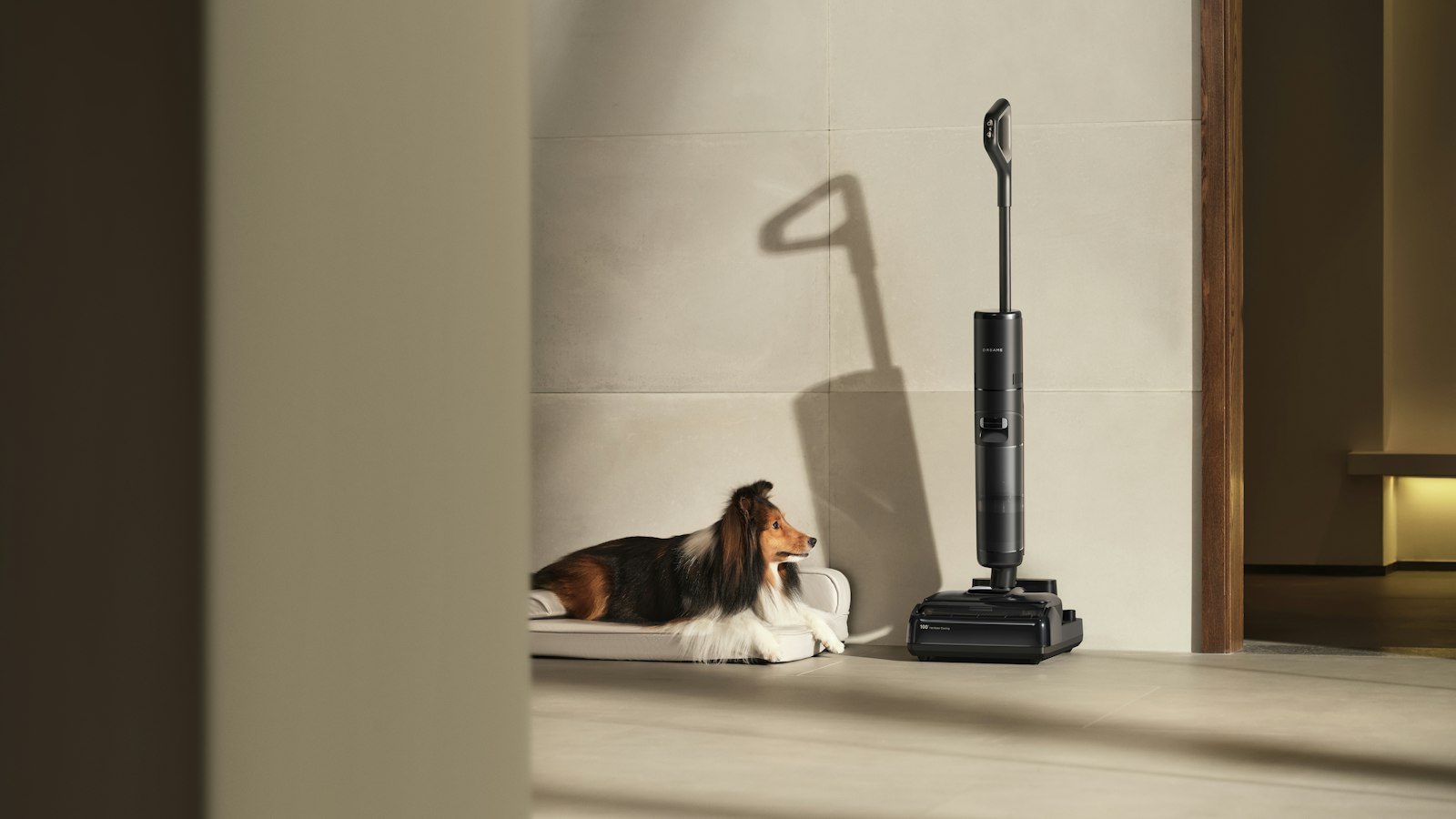
Fair question. A robot vacuum will keep on top of daily fur and crumbs without you lifting a finger, and our robot vacuum under £300 guide covers the ones worth having. But robots don’t do stairs, sofas, the car or the cobwebs in the corner of the landing, and cheap ones struggle with thick rugs and the cable from the phone charger. Most households that buy a robot still end up owning a stick for everything else. If you’re only buying one machine this autumn, make it the stick.
And if the mud problem is mostly a hallway problem, the cheapest fix of all might be where the boots come off. Our look at why the boot room became Britain’s most wanted room has a £150 hallway version that stops a lot of the dirt before any vacuum has to deal with it.
I’ll be watching whether the V8 breaks £200 in November, and whether the next wave of cheaper Chinese sticks makes the big names rethink their pricing. In the meantime – what’s been sitting in your cupboard since 2019, and is it actually still picking anything up?