

Best Dehumidifier for Damp 2026: Buy in September, Not November – And What £120 to £250 Actually Fixes
The best dehumidifier for damp is the one you buy in September. Not because September is damp, obviously, but because the machine you actually want will be forty quid dearer and out of stock by the second week of November, when the whole country wakes up on the same cold morning and finds water running down the inside of the bedroom window.
In This Article
- What actually goes wrong in a British house in October
- Those £6 moisture traps are a waste of money
- Compressor or desiccant: the only spec decision that really matters
- The best dehumidifier for damp at £130, £180 and £230
- Sizing it: which litre class for which house
- Running costs, with actual arithmetic
- The laundry thing is why people keep them
- What damp does to you, and what a landlord now owes you
- Placement and settings: the four mistakes that make a good machine look bad
- When a dehumidifier won’t fix it
- Buy it this month
This happens every year. It happened last November, when the mid-range Meaco units went from “in stock, next day” to “notify me when available” in about ten days, and the only things left on Amazon were 500ml novelty units with three-star reviews written by people who thought they’d bought an air purifier.
So this is a piece about buying early, and about the four or five things that actually matter once you’re past the marketing. It isn’t a listicle of nine machines with identical praise attached to each one.
One update since this first went up in August: the Meaco Arete Two 12L has already crept from about £155 to £169 at Argos and Currys, and the first “temporarily out of stock” flags appeared on the 20L model in the second week of September. The window is closing earlier than last year.
What actually goes wrong in a British house in October
Warm air holds more water than cold air. Your house produces a startling amount of warm, wet air: showers, boiling pasta, a washing machine, and the people themselves. Four adults breathing and washing in a normal three-bedroom semi put somewhere in the region of ten litres of water into the air every day. That’s the figure the damp-proofing trade quotes and it’s roughly right.
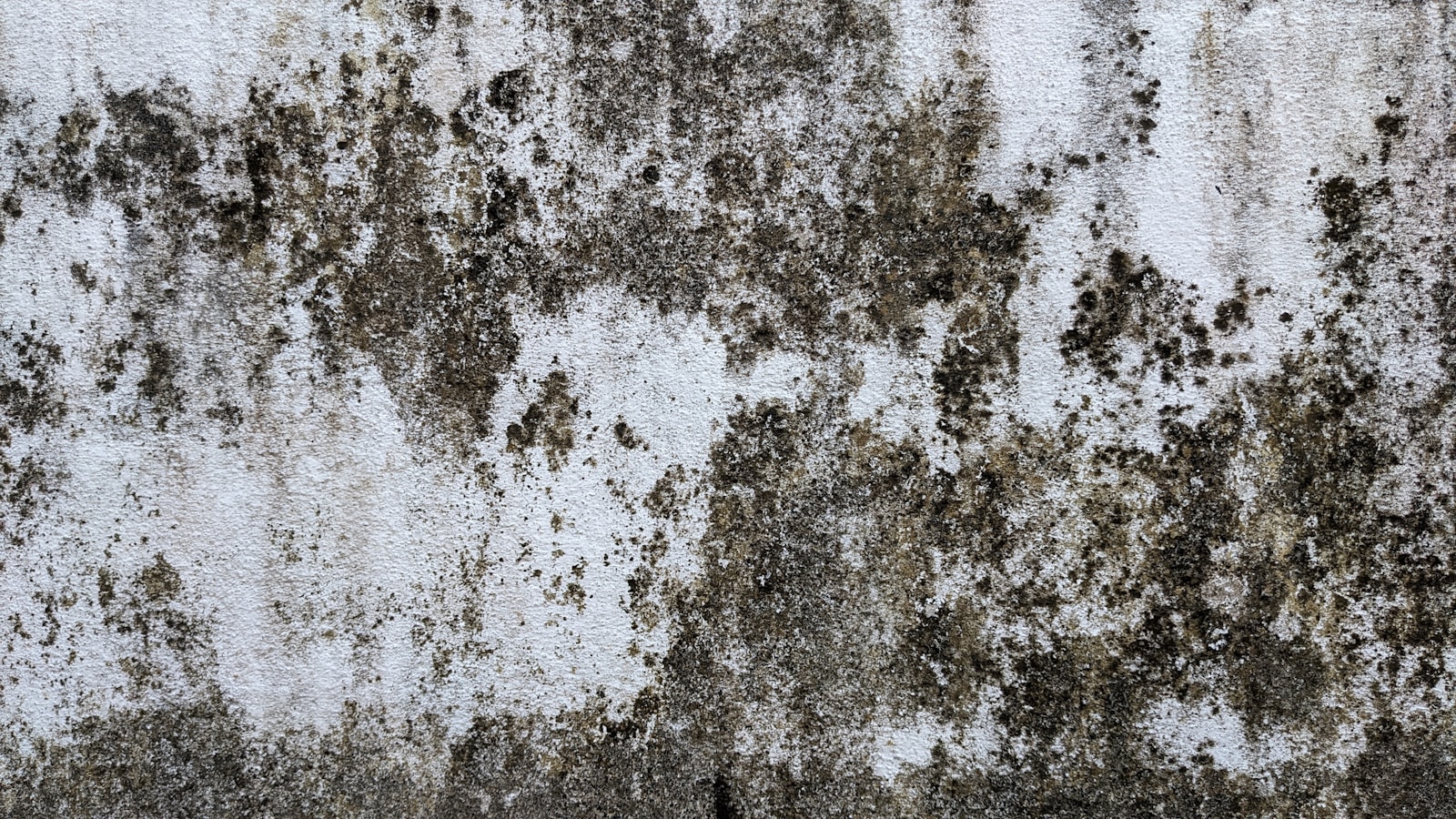
Through the summer it doesn’t matter, because the walls and the glass are warm and the windows are open half the time. Then the external temperature drops, the single-glazed bathroom window and the north-facing bedroom wall fall below the dew point, and the water comes out of the air and sits on the coldest surface it can find. Mould follows about three weeks later, usually in the corner behind the wardrobe where nobody looks.
The scale of this isn’t small. The English Housing Survey found around 5% of homes in England had a damp problem in 2023-24, the highest figure in five years, and condensation is the most common cause by a distance. Councils and housing associations report worse numbers than owner-occupiers, which tells you something about heating cost and ventilation rather than about tenants.
Damp is really three separate problems wearing one coat. Condensation, which is about air and temperature. Penetrating damp, which is about a hole somewhere. And rising damp, which is rarer than the damp-proofing industry would like you to believe. A dehumidifier fixes exactly one of them.
Those £6 moisture traps are a waste of money
You’ve seen them in Wilko and B&M and every supermarket seasonal aisle from October: a plastic tub of calcium chloride crystals that slowly collapses into brine and claims to “absorb excess moisture”. They cost about six quid with a couple of refills.
They pull maybe 300ml out of the air over six weeks. Your kitchen produces that much before breakfast.
There’s a narrow case for them. A caravan over winter, a wardrobe with a wool coat in it, a boat, a car that lives outside. In an actual room with actual people in it, they’re theatre. If someone’s told you to put four of them on the windowsill instead of buying a machine, they’ve cost you a winter.
The other myth worth killing: “just open the window, it’s free”. It does work, and in September and October it’s often the right answer. But by December the outdoor air is frequently sitting at 90% relative humidity, and the reason opening the window still helps is that cold air, once you’ve warmed it indoors, can hold much more water than it arrived with. Which means you’re paying for the fix in gas. Ventilation is not free in winter. It’s just billed somewhere you don’t look.
Compressor or desiccant: the only spec decision that really matters
Almost every buying guide leads with extraction rate. That’s the wrong first question. The first question is what technology is inside, because getting this wrong means buying a machine that barely works in the room you bought it for.
Compressor (refrigerant) models pull air over a cold coil, condense the water out, and drip it into a tank. They’re efficient, cheaper to run, and they’re what you want in a heated house. Their weakness is cold: below about 15°C the coil starts to ice and performance falls off a cliff. Most have a defrost cycle, which means they spend part of their life not dehumidifying.
Desiccant models use a rotating wheel of moisture-absorbing material and a heater. They work down to near freezing, they’re lighter, and they warm the room by a degree or two as a side effect. They also use roughly twice the electricity for the same water.
So: unheated garage, conservatory, garden room, a boat, a spare room you never put the radiator on in? Desiccant, and the EcoAir DD1 Classic is the one people keep coming back to. A normally heated house? Compressor, and ignore the desiccant section entirely. I’d say a good half of the desiccant units sold in this country end up in warm houses where a compressor would have been cheaper to buy and cheaper to run.
The best dehumidifier for damp at £130, £180 and £230
£120 to £150. Entry-level compressor units in the 10-12 litre class: Pro Breeze, Vonhaus, Russell Hobbs, various house brands. They extract water perfectly well. What you give up is refinement. The humidistats tend to overshoot, so you’ll get a machine that runs to 45% when you asked for 55%. Noise sits around 45dB and up, which is fine in a hallway and irritating in a bedroom. Tanks are small and the handles feel like they’ll snap. For one problem room, they’re honestly fine.
£150 to £200. This is the sweet spot and it’s where most people should land. The MeacoDry Arete Two 12L has an RRP of £199.99 and has been drifting between about £150 and £170 at the usual retailers since spring. It’s quiet, it has a HEPA filter so it doubles as a reasonable air purifier, the humidistat is accurate, and it comes with a five-year warranty, which almost nothing else at this price does. Which? has rated the Arete range highly for years and the Which? dehumidifier guide is worth reading alongside this if you’re a subscriber.
£200 to £250. The 20 litre machines, plus the better desiccants. A 20L compressor is for a whole house, or for a house that dries laundry indoors four times a week. The EcoAir DD1 Classic MK6 sits around £229 and is the desiccant to buy if you need one.
Now the honest negatives. The 20 litre machines weigh 12 to 14kg, and you will carry that up a staircase, probably while it’s still half full because you forgot to empty it. Smart app control is close to pointless on a machine that sits in one room and runs on a humidistat; I’ve never met anyone who checks their dehumidifier from the office. And “laundry mode” on cheap units is often just the fan at maximum with the humidistat switched off, which is something you could do with two button presses anyway.
One more warning, and it’s the one most guides skip. Don’t buy on the extraction figure. That headline “20 litres per day” is measured at 30°C and 80% relative humidity, which is a condition your Coventry semi will never experience. In a 20°C room at 65% humidity you’ll get perhaps a third of the rated figure. A 20L machine in a British winter behaves like a 7L machine that’s very relaxed about it. Which is fine. Just don’t pay for the number.
Here’s the whole decision on one table, because the three tiers are different enough that most people can rule two of them out in about ten seconds.
| Tier | Typical price (Sept 2026) | Rated / real-world extraction | Noise | Best for | Where it falls down |
|---|---|---|---|---|---|
| Entry compressor (Pro Breeze, Vonhaus, Russell Hobbs 10-12L) | £120-£150 | 10-12L / 3-4L a day | 45-48dB | One damp bedroom, a student room, a flat | Overshooting humidistat, small tank, flimsy handle, 1-2 year warranty |
| Mid-range compressor (MeacoDry Arete Two 12L, De’Longhi Tasciugo 12L) | £150-£200 | 12L / 4-5L a day | 35-40dB on low | Most three-bed houses; anyone who wants it in a bedroom | Still ices up in an unheated room below 15°C |
| Whole-house compressor (Meaco Arete Two 20L, Ebac 3850e) | £200-£280 | 20L / 6-8L a day | 40-45dB | Indoor laundry four times a week; a whole terrace | 12-14kg to carry; overkill for one room |
| Desiccant (EcoAir DD1 Classic MK6, Meaco DD8L Zambezi) | £180-£250 | 7-8L / 3-4L a day, even at 5°C | 34-38dB | Garage, conservatory, garden room, boat, unheated spare room | Roughly double the running cost; warms the room whether you want it or not |
Sizing it: which litre class for which house
Retailers size dehumidifiers by “bedrooms”, which is meaningless. A two-bed Victorian terrace with solid walls and single glazing produces more condensation than a four-bed 2015 new-build with trickle vents, and it does it in a smaller volume of air.
A better rule: one 12L compressor unit per problem, not per house. If the trouble is one north-facing bedroom, a 12L machine in that room with the door shut will hold it at 55% without breaking a sweat. If you want to dry a whole house from the landing, you need the 20L class and you need to accept it’ll only ever be partially effective in the rooms furthest from it, because air doesn’t move through a closed door however hard the fan blows.
Solid-wall houses (roughly anything built before 1930, which is about a fifth of the English stock) sit a tier higher than their bedroom count suggests. So do houses where somebody dries washing indoors most days. And flats above the ground floor with no external drying space are, in my experience, the single group most likely to need the 20L unit despite the small square footage, because there’s nowhere for the laundry water to go but the walls.
If you’re unsure, buy the 12L. The people who regret a 12L are rare; the people who regret lugging a 14kg 20L up and down stairs are not.
Running costs, with actual arithmetic
Electricity under the Ofgem cap for July to September 2026 is 26.11p per kWh including VAT. That’s the number to use, and the Ofgem price cap page updates it quarterly.
A typical 12L compressor unit draws about 200W when the compressor is running. Eight hours flat out is 1.6kWh, or roughly 42p. A 300W 20L machine over the same eight hours costs about 63p. A 500W desiccant is closer to £1.05.
But nothing runs flat out. Set to 55% humidity, a machine in a normal bedroom cycles on and off and might do three or four hours of actual compressor time in a day. Call it 20 to 30p, which across a five-month damp season is somewhere between £30 and £45. That’s less than most people assume and less than one winter’s mould paint and repainting.
And a point nobody makes: almost all of that electricity ends up as heat in the room. A dehumidifier running in a cold bedroom is a very small, very inefficient radiator that happens to also dry the air. In August that’s a nuisance, which is one more reason to buy now and start using it in October. If your problem is the opposite one, we’ve covered keeping a house cool separately.
The laundry thing is why people keep them
Most people buy a dehumidifier for mould and end up using it for washing. A single load of laundry dried on an airer indoors puts around two litres of water into the air, which is the single biggest moisture event in a British home in winter. Put the airer in a small room, shut the door, run the dehumidifier at it, and the load is dry in four to six hours.
Cost comparison, roughly: a condenser tumble dryer uses something like 2.5kWh a cycle, so about 65p. A dehumidifier doing the same job on laundry mode uses maybe 1 to 1.5kWh, so 26p to 40p. Not a dramatic saving, but the clothes last longer and you’re solving the damp problem at the same time rather than creating one.
If you already own a heat pump tumble dryer, though, the laundry argument disappears. Those run at around 1kWh a cycle and they’re better at it. Buy the dehumidifier for the mould, not the socks.
The other thing people buy instead is a heated airer, and it’s the wrong trade. A heated airer puts every drop of that two litres into the room air as warm vapour; it dries the clothes and dampens the house in one move. Pair one with a dehumidifier in a shut room and it’s a decent system. On its own, in a flat with the windows closed, it’s a mould machine. We’ve tested the sub-£100 ones in a separate guide, and the verdict there holds: buy the airer second, if at all.
What damp does to you, and what a landlord now owes you
The NHS is unusually blunt about this. Its page on damp and mould says mould spores can cause respiratory problems, infections, allergies and asthma, and that babies, older people, anyone with eczema, and anyone with an existing chest condition or a weakened immune system are more likely to be affected. That’s not a wellness-blog warning. It’s the reason a bedroom with black spotting on the window reveal is a health issue, not a decorating one.
It’s also now a legal one if you rent. Awaab’s Law, named after the two-year-old who died in Rochdale in 2020 from prolonged mould exposure, came into force for social landlords in England in October 2025. In short: emergency hazards have to be dealt with within 24 hours, and a damp and mould problem that poses a significant risk has to be investigated inside a fortnight, with a written summary and a start date for the work. The government has said the same duties will be extended to private landlords through the Renters’ Rights Act, but as of this month it hasn’t fixed the date, so if you rent privately the older Homes (Fitness for Human Habitation) Act 2018 is still your lever.
Two practical points fall out of that. If you rent and the damp is condensation, a landlord will, reasonably, tell you to ventilate and heat the room, and a £130 machine you own is still the fastest fix; you can take it with you. But if it’s penetrating or rising damp, photograph it with a date, report it in writing, and don’t let anyone’s dehumidifier become the permanent answer to their building defect.
| Myth | What’s actually true |
|---|---|
| “Mould means the house is dirty” | Mould needs water and a cold surface. It grows in spotless flats with the heating off. |
| “A dehumidifier cures rising damp” | It empties a tank forever while the wall stays wet. Rising damp needs a builder, and genuine cases are rarer than the trade claims. |
| “Running it at 40% is safer” | Below about 45% you get dry skin, static and a machine running twice as long for no benefit. 50-55% is the target. |
| “Bigger is always better” | A 20L unit in a small bedroom overshoots, over-dries and costs more to run. Match the litre class to the problem. |
| “It heats the room, so it saves on gas” | It does add heat, but at 26p per kWh it’s the most expensive heat in the house. Treat it as a side effect. |
Placement and settings: the four mistakes that make a good machine look bad
Most one-star reviews of decent dehumidifiers describe a machine that was set up wrong.
The door was left open. A dehumidifier in a room with an open door is trying to dry the entire house through a gap, and the humidistat never reaches its target, so it never cycles off and the owner concludes it “doesn’t work”. Shut the door.
It was pushed into a corner against the wall. Compressor units need clear space around the intake, usually 20-30cm, or the air just recirculates. The middle of the room, ugly as that is, is where it works best. If you can’t live with that, the point directly under the window is the next best spot, since that’s where the wet air pools.
The humidistat was set to 40% because lower sounded better. It isn’t. Set 50-55%, buy a £7 hygrometer from Screwfix or Amazon to check the machine’s own reading (the built-in sensors are routinely 5% out), and let it cycle.
And the filter was never cleaned. It’s a mesh panel on the back, it takes 30 seconds under a tap, and after two months of a British winter it’s grey with dust and the extraction has halved. Put it in the phone calendar for the first of the month. If the machine lives in a room with a radiator or a stove, the dust load is higher again; our log burner piece covers why a stove room is both the driest and the dustiest in the house.
One setting worth using that nobody does: the continuous-drain port. Every machine over £120 has a hose outlet on the back. If you can stand it next to a sink, a washing machine standpipe or a bathroom waste, plug in a length of garden hose and you’ll never carry a tank again. The 20L class especially becomes a set-and-forget appliance the moment you do this.
When a dehumidifier won’t fix it
If the damp patch has a horizontal tide mark about a metre up the wall and white salt deposits, that’s not condensation. If it’s a distinct patch on one external wall that gets worse after rain, go and look at your gutters and your pointing before you buy anything. If it’s under a bathroom or behind a kitchen unit, it’s a leak.
Running a dehumidifier against any of those means emptying a tank forever while the actual problem gets worse behind the plaster.
Two free things to do this month, before you spend anything. Pull every piece of furniture five centimetres off the external walls, because mould behind a wardrobe is an airflow problem more often than a moisture problem. And run the bathroom extractor for fifteen minutes after the shower with the door shut, not during it with the door open. That single change fixes a surprising number of “we need a dehumidifier” situations. Small bathrooms are the worst offenders here, and we’ve written about making a two-metre bathroom work if that’s your battleground.
Buy it this month
September is the last quiet window. Stock is still mostly there, the seasonal price creep has only just started, and there are usually clearance deals on last year’s model numbers because manufacturers are making room for the autumn range. By the middle of October the discounts have gone. By November you’re paying RRP and waiting.
There’s a second reason to buy now that has nothing to do with money. Run the thing for a week now with a cheap hygrometer next to it and you’ll learn what your house actually does. You’ll find out whether the problem is the whole house or one bedroom, whether 12 litres is enough, and whether the noise is tolerable where you want to put it. Doing that discovery in September is calm. Doing it in December, with mould already on the window reveal and a machine you can’t return because you’ve had it three months, is not.
Students moving into halls and old rented terraces in September have the sharpest version of this problem and the smallest budget for it, which is worth factoring in if you’re kitting out a room this month. A £130 12L unit in a damp student bedroom does more for daily life than most of what ends up on the list.
The bigger question is why we’re all still solving a 1970s building-fabric problem with a plug-in appliance in 2026. Britain’s housing stock is the leakiest and coldest in western Europe, and every dehumidifier sold is a small admission that the insulation and ventilation aren’t there. Until that changes, the machine is the pragmatic answer. So which room in your house goes wet first when the temperature drops, and have you ever actually measured it?