Why the Boot Room Became Britain’s Most Wanted Room in 2026 – And the £150 Hallway Version That Does the Same Job
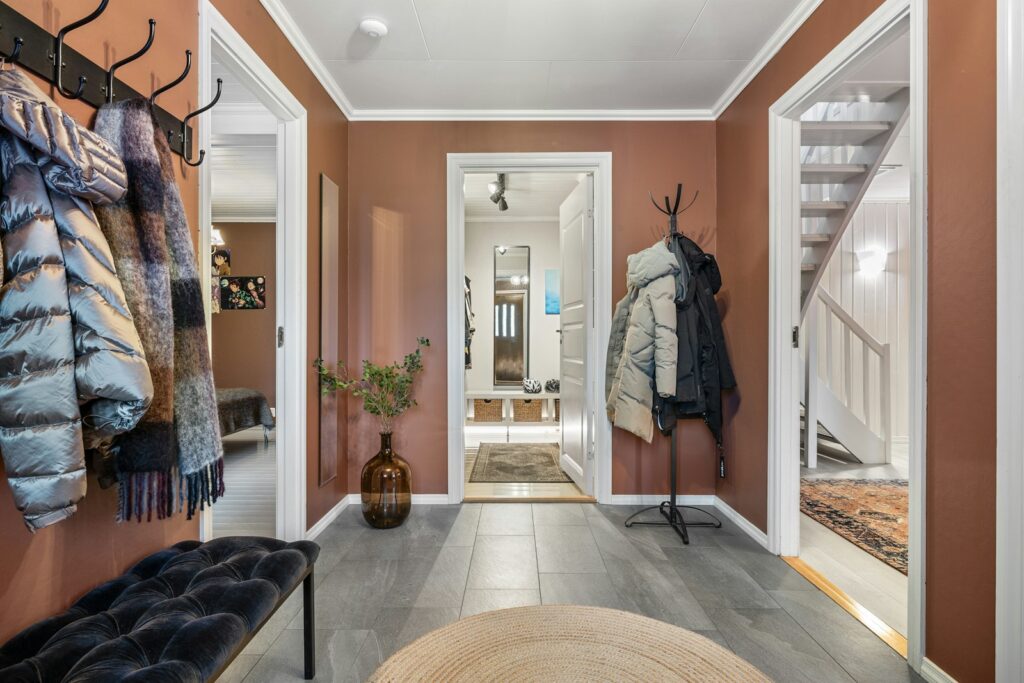
The first full week of term is the week the hallway loses. Two school bags, a PE kit that never made it upstairs, trainers with the laces still done up, and somewhere under all of it, the parcel you were meant to return by Friday. This is the fortnight when British households go looking for boot room ideas in serious numbers, and it’s no coincidence that boot rooms – a term that ten years ago meant a stone-floored annexe off a farmhouse kitchen – have become the most requested room in home renovations that don’t involve a kitchen.
In This Article
I’ve spent the last month looking at what’s actually being built, what it costs, and what you can pinch from it for a 1930s semi with a hallway the width of a pram. The short of it: the fitted version starts at about £1,500 and quickly becomes £4,500. The version that solves the school-run problem costs about £150 and takes a Saturday.
Why boot room ideas went mainstream in 2026
Boot rooms used to be a class marker. You had one if you had land, dogs and a back door that led somewhere muddy. What’s changed is that the function – a buffer zone between outside and the rooms you actually live in – turns out to be useful to everyone, and the open-plan decade made it more useful, not less. Knock the walls down and there’s nowhere for the coats to go. The kitchen-diner-living space that estate agents spent fifteen years selling has no airlock, so every wet coat, every football boot and every scooter ends up in the one room you’re trying to keep nice.
That’s the same logic behind two other shifts we’ve covered this year. Broken plan kitchens are open plan with the walls put partly back, and the retreat from the kitchen island is the same instinct: people want zones again. A boot room is a zone with a door on it.
Ideal Home’s boot room coverage now runs to nineteen separate ideas and a paint collaboration, which tells you the appetite is there. And the paint bit matters, because it’s the moment a room stopped being purely practical and became something people photograph. More on the green later.
There’s a housing-stock reason too. A big share of what gets built in Britain is the three-bed semi or the four-bed detached with an integral garage, and both come with a dead space: the bit of garage nobody parks in, or the hallway cupboard under the stairs full of the hoover and nothing else. Converting either into a boot room is one of the cheaper structural jobs a builder will quote for, which is why it shows up on so many 2026 renovation briefs, alongside garden rooms as the other “room without an extension” option.

What a fitted boot room actually costs
Here’s the number nobody puts in the Instagram caption. A joiner-built boot room or utility cupboard – bench, cubbies, a run of tall cupboards, some panelling – is quoted at £1,500 to £4,500 depending on configuration, with a site survey and design fee of £150 to £500 on top, according to 2026 joinery pricing collated by House Designer. Per linear metre, budget MDF work runs £350 to £600, mid-range is £600 to £900, and proper made-to-measure joinery with a spray finish is £900 to £1,500 and up. London and the South East add a quarter to 40 per cent to all of that.
So a modest three-metre wall in a decent finish is £2,000 to £2,700 before paint, before flooring, before you’ve moved a radiator. The boot rooms you see in the kitchen brochures, the ones with the dog shower and the boot-drying cupboard with a heater in it, are a different product entirely and you should mentally add a zero.
Should you? If you’re already doing a kitchen and the joiner is on site, yes, because the marginal cost of a bench-and-cubby wall drops sharply when someone’s already there with the tools. If you’d be commissioning it as a standalone job, I’d pause. £3,000 buys a lot of the freestanding alternative below and leaves change for a decent dehumidifier, which – as we found in August – is the thing that actually stops a room of wet coats smelling like a changing room by November.
The £150 hallway boot room, itemised
This is the version most readers actually need. It assumes a standard hallway with one usable wall, roughly 1.2 to 1.5 metres of it, between the front door and the stairs. Every price below was checked this week.
The bench: IKEA TJUSIG, £69. Solid wood frame, two steel rails underneath, 108cm wide, 34cm deep, holds eight pairs of shoes on the rails and one adult on top. It has 384 reviews on IKEA’s UK site averaging 4.6, and it’s been around long enough that there’s a secondhand market if you’d rather pay £30. The honest negatives, from the reviews and from building one myself in March: the rails are a tight fit into the legs and I needed a rubber mallet, and the white paint flakes a little on the underside during assembly. Neither is visible once it’s in. The depth is the selling point. Most hallway benches are 40cm plus and stick into the walkway; 34cm doesn’t.
The hooks: Argos Home pack of five double hooks, £12. Ten hanging points, natural wood and black metal, screwed straight into the wall at two heights – adult coats at about 165cm, kids’ coats and bags at 110cm so they can actually reach. Ideal Home’s August hallway round-up picked these too, and they’re right. Skip the hallway tree – I’ll explain why further down.
Overflow shoes: Argos Home two-shelf pine shoe rack, £7. It’s ugly. It’s also seven quid and holds another six pairs under the stairs or inside the cupboard, which is where the shoes nobody wears this week should live. The bench is for this week’s shoes only. That rule does more for a hallway than any product.
Keys and post: Argos seven-hook metal key rack, £5.50, plus a lidded basket for the post and the dog lead. Dunelm’s seagrass ones are £8 to £15 depending on size; the H&M Home straw basket is £14.99 and looks the part.
The floor: a proper mat, £20 to £30. Not the £4 coir thing. A washable rubber-backed runner, 60 by 120 or thereabouts, that goes in the machine. Turtle Mat is the brand everyone’s mum has and they last a decade; Dunelm’s own version is about half the price and lasts about half as long, which works out the same.
A mat catches most of it. The rest needs a vacuum you’ll actually grab on a wet Tuesday, and our guide to the best cordless vacuum under £250 picks the cordless sticks that cope with mud and dog hair on hard hallway floors.
Bench, hooks, rack, key hooks, basket, mat: £128 to £143. A tester-pot-sized tin of dark paint for the wall behind the hooks takes you to £150 and, frankly, is the bit that makes it look intentional rather than like a Tuesday at a leisure centre.
Paint the messiest wall the darkest colour
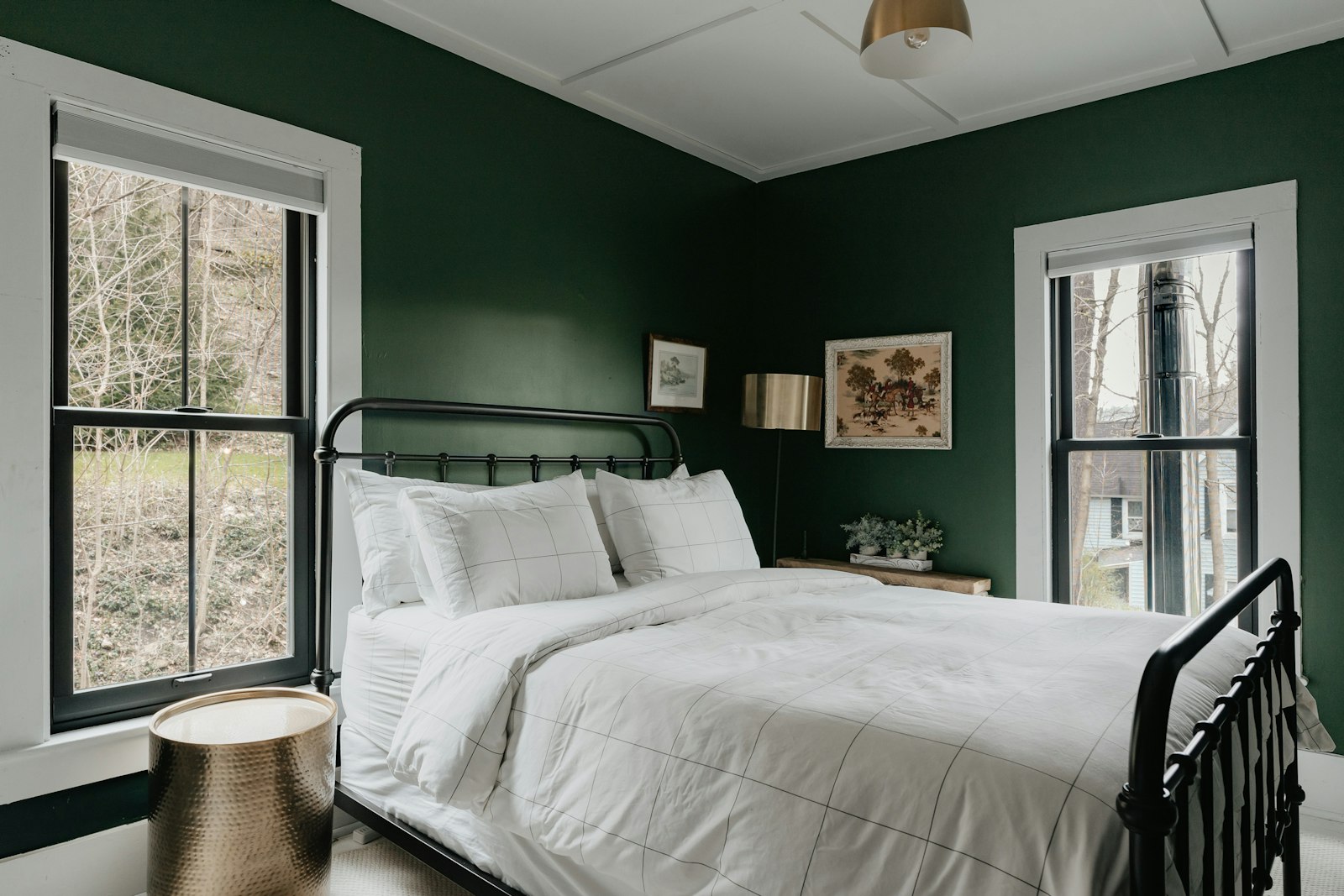
The instinct in a small hallway is to keep it pale. It’s the wrong instinct for the wall the coats hang on. Every scuff from a school bag, every wet umbrella leaning where it shouldn’t, every mark from the pram wheel shows on Wimborne White within a fortnight. Dark paint hides all of it, and the dark green that’s become the boot room colour of 2026 hides it best.
Lick’s collaboration with Hunter, a wellington-boot green called Green 170 at £45 for 2.5 litres in eggshell, is the one everybody’s referencing, and Lick’s design director Tash Bradley makes the case that heritage greens are back because people want rooms that feel calmer and closer to outdoors. I’m less bothered about the cortisol claims than the practical one, which the kitchen designer Tom Howley put plainly in the same Ideal Home piece: darker tones conceal everyday wear and muddy marks. That’s the whole argument.
You don’t need the Lick tin. Farrow & Ball’s Studio Green and Little Greene’s Obsidian Green are the originals it’s riffing on and both are north of £60 for the same volume; Dulux Heritage’s greens come in around £35 to £40 and Wickes will colour-match anything for less than that. What you do want is eggshell or a wipeable matt, not a chalky flat matt, because you’re going to be wiping this wall. And if you’re panelling it – the tongue-and-groove or Shaker-frame look that’s on every boot room Pinterest board – paint the panelling and the wall above the same colour. Two-tone hallways with a dark bottom and a white top are a 2019 look and they make a low ceiling lower.
One thing we’ve said before about limewash applies here in reverse. Limewash is lovely and it isn’t for a hallway. It marks if you look at it. Save it for the bedroom.
The wet coat problem, and the radiator nobody uses
Storage is the easy half. The hard half is that from October to March everything that comes through the door is damp, and a damp coat on a hook in a closed hallway dries slowly and smells while it does it. The fitted boot rooms solve this with a heated drying cupboard, which is a lovely thing and costs more than a holiday.
The hallway has a radiator. It’s usually the one radiator in the house that’s turned down because nobody sits in the hallway. Turn it up a notch, put the hooks on the wall beside it rather than opposite the door, and a coat that would take two days to dry takes an evening. It costs a little on the gas bill, but a hallway radiator is small, and it’s cheaper than the mould treatment.
Better still, a wall-mounted heated airer folded flat beside the radiator. We were sceptical about heated airers in last month’s energy gadgets piece as a tumble-dryer replacement, and that stands. But as a coat and boot dryer for an hour after the school run, the small wall-mounted ones draw somewhere between 100 and 230 watts, which at the October cap is 3p to 7p an hour. That is the single best boot room idea in this article and it’s the one the glossy magazines never mention, because it isn’t pretty. If the boot room is also where the washing dries, our heated clothes airer under £100 test covers which ones cope with a shut door and no dehumidifier.
Wellies live on a boot tray, not the floor. IKEA’s BAGGMUCK is about £4 and holds two adult pairs; the galvanised trays from Garden Trading are £30 and look nicer. Both do the job. The point is that muddy boots drip somewhere you can tip out, not into the grout.
Four things I’d skip
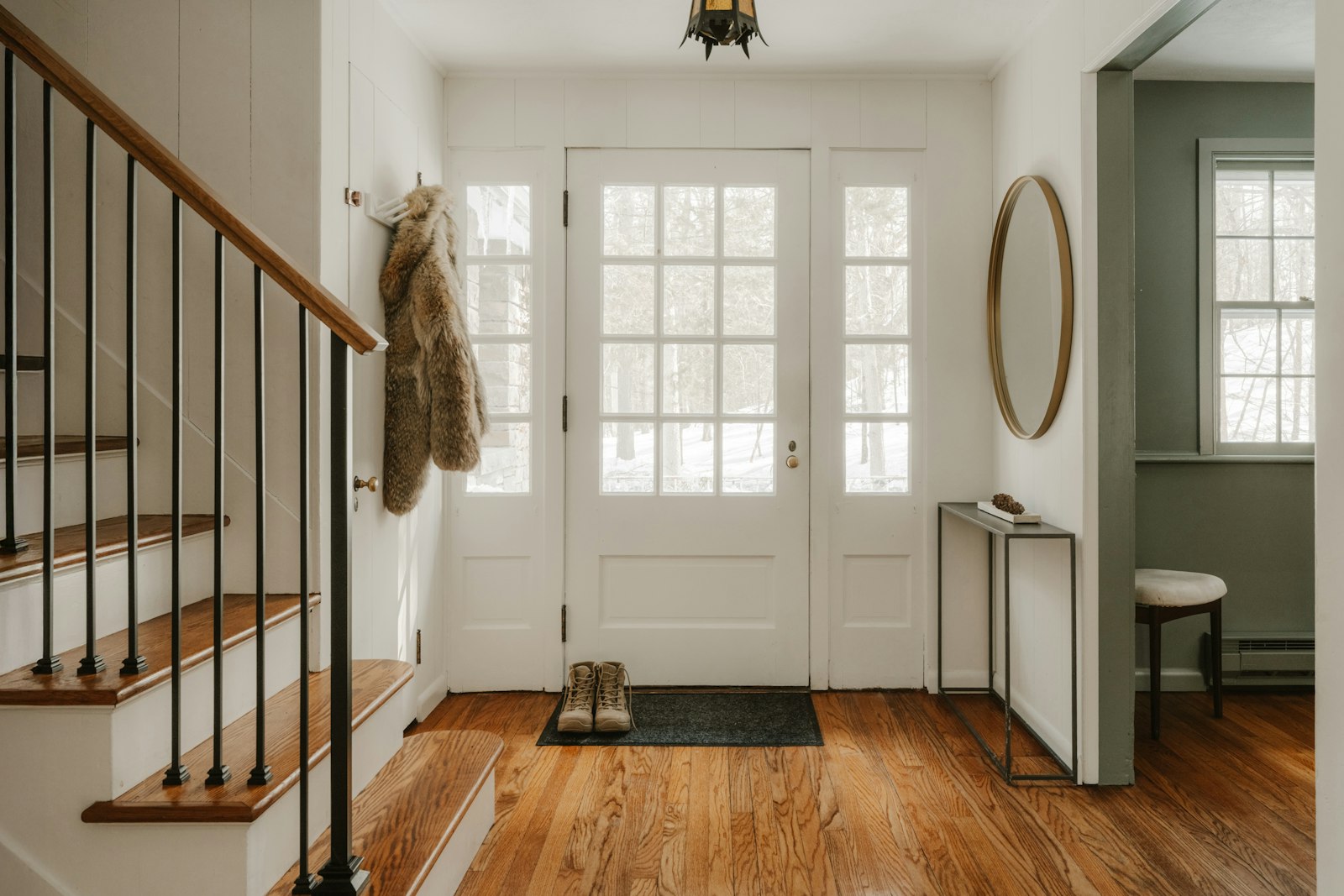
The hallway tree. The Argos Loft Living one is £50 and it looks great in the listing photo with two coats on it. Real hallway trees hold eleven coats, three bags and a scooter helmet, lean at eight degrees and eventually go over when a child pulls a coat off the bottom hook. Anything freestanding that holds coats is worse than the same hooks screwed to the wall, and a lot dearer than £12.
The upholstered storage bench. The lift-lid, cushioned ones – £150 to £230 at Habitat, Dunelm and Wayfair – are the most popular hallway purchase in the country and I think they’re a mistake in most hallways. The lid means you can’t sit on it while someone’s getting shoes out, the cushion gets wet from the coats above it, and the shoes inside a closed box in a warm hallway smell exactly like you’d expect. Open shelving under a bench is less tidy-looking and far more hygienic. This is the contrarian bit and I’ll stand by it.
“Bootility”. The portmanteau for a combined boot room and utility is doing the rounds with the kitchen brands and it sounds efficient. In practice it puts the washing machine in the room with the muddy boots, and the room ends up too warm and too damp for either job. If you have the space for both, put a door between them.
The sign. “Boot Room” in a serif font on a slab of oak, or “Wipe Your Paws”, £18 from any garden centre. You know what room it is. So does everyone else.
If you’ve got a bit more than £150
The next £200 goes on one of two things, and you should pick the one that matches your actual problem.
If the problem is volume – four people, sports kit, a dog – it goes on a run of MDF cubbies from a local joiner or a flat-pack version like IKEA’s PLATSA or Wayfair’s own-brand hall units, which get you the fitted look at about £250 to £400 for a 1.2 metre wall. Have it made 34cm deep, not the 40 or 45cm the ranges default to, and have the bench seat solid with the shoe slots open beneath. That’s the fitted boot room’s real trick, and it’s a proportion, not a material.
If the problem is that the hallway looks like an afterthought, it goes on the floor. A hard-wearing runner in wool or a wool mix, £80 to £150 for a hallway length, does more for the way the space reads than anything on the wall. We covered why British floors are going soft again in August, and the hallway is where that trend started. It also, in a terraced house, kills the echo.
Either way, the shape is the same at every budget: something to sit on, something to hang on, somewhere the wet stuff dries, and one dark wall that forgives. The £4,500 version and the £150 version differ in materials, not ideas.
Once the boot room is sorted, the next place the house leaks heat and style is the windows; our curtain trends guide explains what to hang, and what to take down, before the clocks change.
And the pile of bags by the door? That’s a habit, not a storage problem. The bench helps, but the thing that actually fixes it is the rule about this week’s shoes only, enforced for a month until it sticks. Which is the harder part – the wall, or the family?