
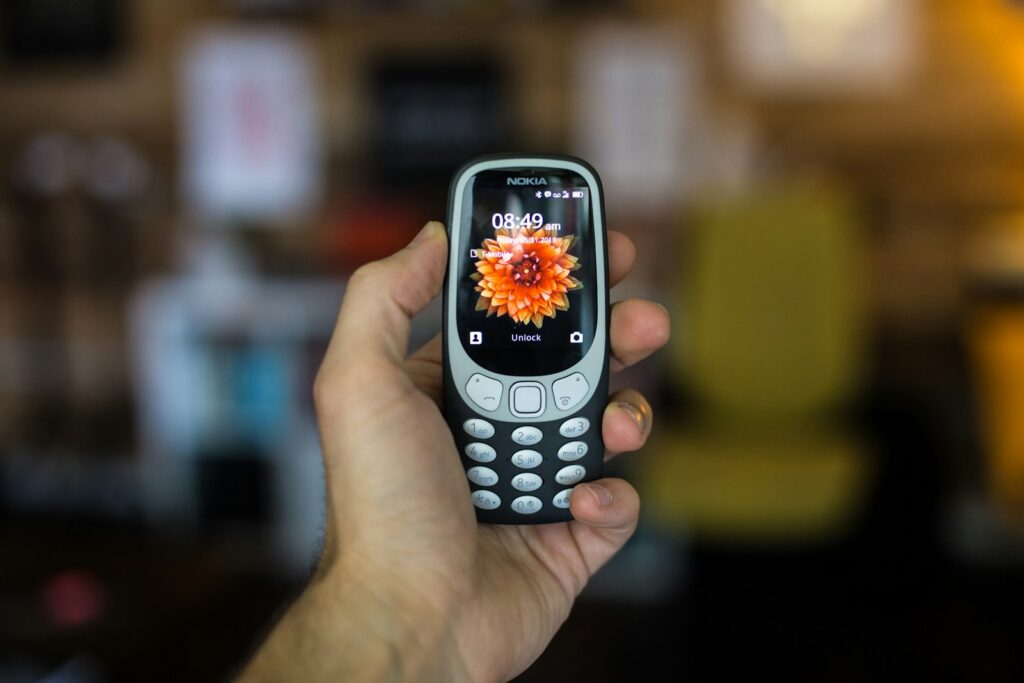
The Best First Phone for Kids in 2026 Is a £20 Brick: Dumbphone Sales Are Up 24%, the School Ban Is Now Law – And the Catch That Kills Half of Them on Three
Three weeks into the new school year, and the WhatsApp group for my niece’s Year 7 form has already split into two camps: the parents who bought a smartphone in August, and the parents who bought a Nokia and are now being told by their child that they’ve ruined their life. The second camp is bigger than it was last year. Clearpay says its sales of basic “dumbphones” rose 24% in the twelve months to June, and the best first phone for kids in 2026 is, on the numbers and on the new law, a £20 brick with buttons.
In This Article
- Why the best first phone for kids in 2026 isn't a smartphone at all
- The 3G catch: why the £17 Nokia on Amazon is a paperweight on Three
- What £13.50 to £80 actually buys
- The £229 halfway house: HMD's phones that grow up
- The watch alternative, and the subscription that costs more than the watch
- The refurbished iPhone with Screen Time: what most parents actually do
- The SIM matters more than the phone
- What I'd buy this week
That’s not a nostalgia argument. It’s a practical one. Since 29 June, Section 36 of the Children’s Wellbeing and Schools Act has given the Department for Education’s phone guidance the force of law, and the guidance says every state school in England should be phone-free by default, from the first bell to the last. Ofsted is checking. So the expensive glass slab your child wants will spend six hours a day switched off in a bag, and the only time it’s actually useful – the walk home, the “bus is late” text – is exactly what a £20 phone does better, with a battery that lasts a week.
But there’s a catch buried in the cheap end of the market, and it has nothing to do with screen time. It’s the 3G switch-off, and it turns a good chunk of the “brick phones” on Amazon into paperweights the moment you put the wrong SIM in them.
Why the best first phone for kids in 2026 isn’t a smartphone at all
Start with the number that matters. Ofcom’s latest children’s media research, published in May, found that smartphone ownership jumps from 56% of ten-year-olds to 83% of eleven-year-olds. Year 7 is the cliff edge. Almost everyone hands over a smartphone at the same moment, for the same reason: everyone else is.
Two things have changed since last September. The first is the law. Schools were told to go phone-free in February 2024, but that was non-statutory guidance and plenty of heads treated it as a suggestion. The January 2026 update hardened the wording (“phone-free environments by default; anything other than this should be by exception only”), the Act put it on a statutory footing in June, and schools were expected to be following it from 1 September. Ofsted now looks at the policy and, more to the point, at whether it’s actually enforced.
The second is that the parents who wanted to hold out have stopped feeling like cranks. Smartphone Free Childhood’s parent pact, where families in the same school year agree to wait, has passed 165,000 signatures. The Clearpay data is more interesting than the pact, though, because it’s people spending money rather than signing a form. A 24% jump in basic phone sales isn’t a fad. It’s a market.
And the parents’ reasons are dull, which is why I trust them. In Clearpay’s August survey of 2,000 parents of 11 to 17-year-olds, 68% said the point of a phone was keeping in touch when they’re apart. Not TikTok. Not the camera. Being reachable. That’s a job a £13.50 phone does.
The 3G catch: why the £17 Nokia on Amazon is a paperweight on Three
This is the bit nobody in the class WhatsApp group knows, and it’s cost at least one family I know a phone and a fortnight of arguing.
Every UK network has now switched off 3G. Three was the last, in November 2025, and Three is different from the others in one important way: it has no 2G network to fall back on. EE, O2 and Vodafone still run 2G, and the government’s deadline for turning that off is 2033. Three doesn’t. Its own support page is blunt about it: a device that only supports 3G “will no longer be available” for calls, texts or data, and even a 4G phone needs to support 4G Calling (VoLTE) to make a voice call at all.
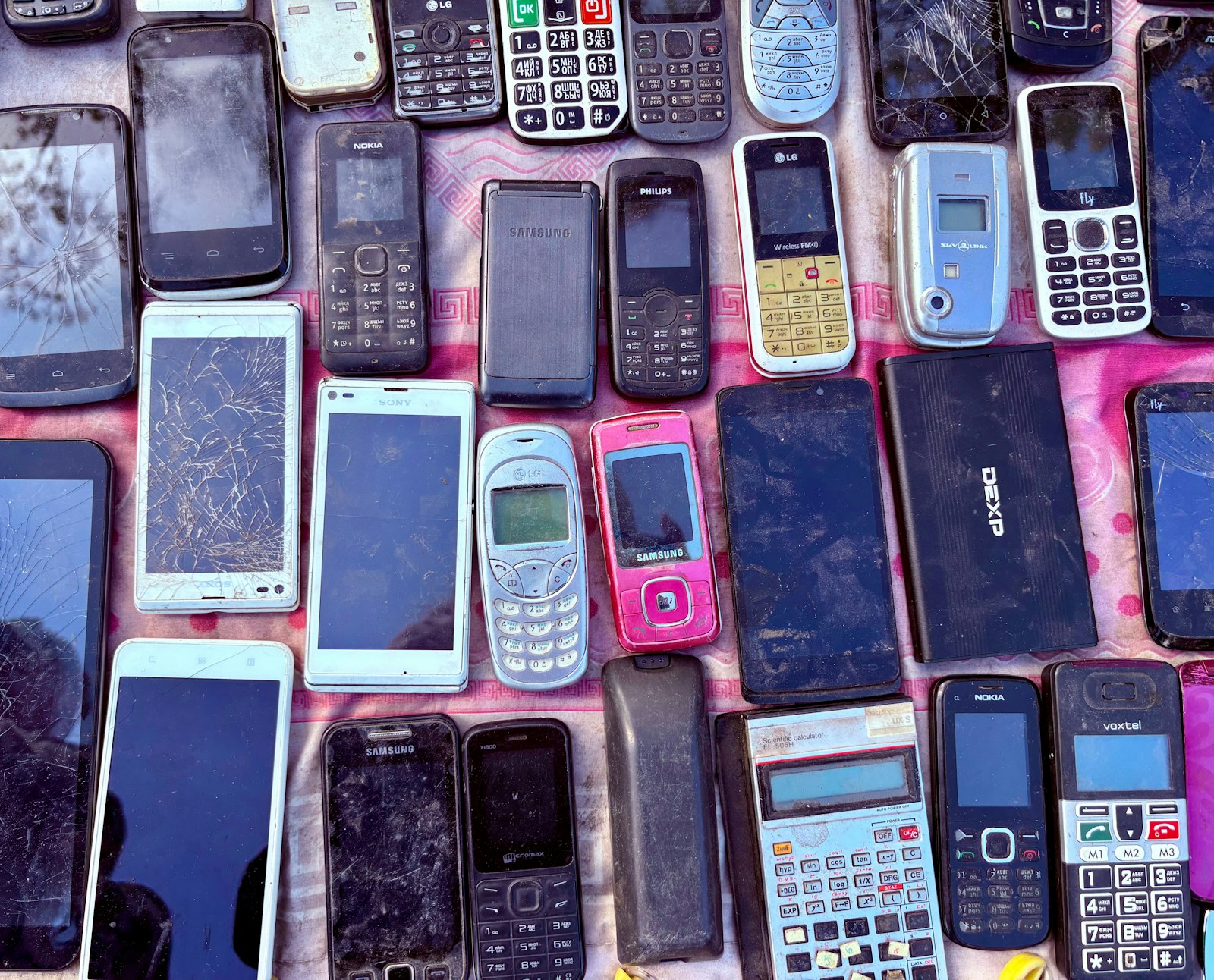
Now look at what’s on Amazon. The original Nokia 105, still listed everywhere for about £17, is a 2G phone. There’s a 2G Nokia 110. There are dozens of unbranded “senior phones” and “kids’ phones” at £15 to £25 that are 2G or 2G/3G only. Put an EE, O2 or Vodafone SIM in one and it’ll work, for now. Put a Three SIM in it, or a SMARTY SIM, or an iD Mobile SIM (both run on Three’s network), and it will do nothing. Not “poor signal”. Nothing.
Which? has a good explainer on the switch-off if you want the full picture, but the rule for a child’s phone is short: buy 4G, check the box says VoLTE or “4G Calling”, and ignore anything that doesn’t. That rules out the very cheapest bricks. It doesn’t rule out much else.
What £13.50 to £80 actually buys
Argos is the easiest place to see the whole range on one page, and the prices in mid-September look like this.
At the bottom, the Vodafone-branded HMD 105 4G is £13.50. It’s sold as a pay-as-you-go phone with a Vodafone SIM in the box, but Ofcom banned locked handsets back in 2021, so any SIM works in it. You get calls, texts, a torch, Snake, and a battery that HMD reckons lasts about a week on standby. There’s no camera worth mentioning. Texting is T9, which your child will find either infuriating or oddly satisfying, and there’s no WhatsApp – the 105 runs HMD’s basic S30+ software, not KaiOS, so there’s no app store to speak of. For a Year 7 whose phone lives in a locker until 3.15pm, that’s the whole spec sheet, and it’s fine.
The HMD 110 4G is £20 in the same Vodafone box. It’s the same phone with a slightly bigger screen, a 0.3-megapixel camera that’s really only there so the box can say “camera”, and an MP3 player if you’re prepared to faff with a microSD card. I’d pay the extra £6.50 for the screen alone. Older eyes aren’t the point here, but eleven-year-olds text a lot and the 105’s display is tiny.
Then there’s a jump. The Nokia 2660 Flip is £64.99 SIM-free at Argos, and it was on offer at £49.99 when I checked. It’s a proper clamshell with big keys, a 2.8-inch inner screen, a second screen on the outside for caller ID, and 4G with VoLTE. The flip form factor matters more than it sounds: it can’t pocket-dial, and the satisfying snap shut is, according to my sister, the only thing that stopped her son complaining about it. It’s also the one on this list that a child won’t be embarrassed to take out.
And at the top, the Nokia 3210 4G, the 2024 reissue of the phone your child’s grandparents had. It’s around £75 to £80 SIM-free depending on colour and where you buy it. Here’s my contrarian take: skip it. It’s a lovely object, the retro colours are great, and it does nothing the £20 HMD 110 doesn’t do except cost four times as much. You’re paying for your own nostalgia, and the eleven-year-old doesn’t share it. If you want to spend £80, spend it on the Flip and put the change on the SIM.
One honest negative that applies to the lot: these phones are slow. Menus lag. Predictive text guesses wrong. The 2660’s camera is properly bad, the kind of bad that makes photos look like they were taken through a bus window in 2006. None of that matters for what the phone is for, but tell your child before it arrives in that annoying clamshell packaging, not after.
The £229 halfway house: HMD’s phones that grow up
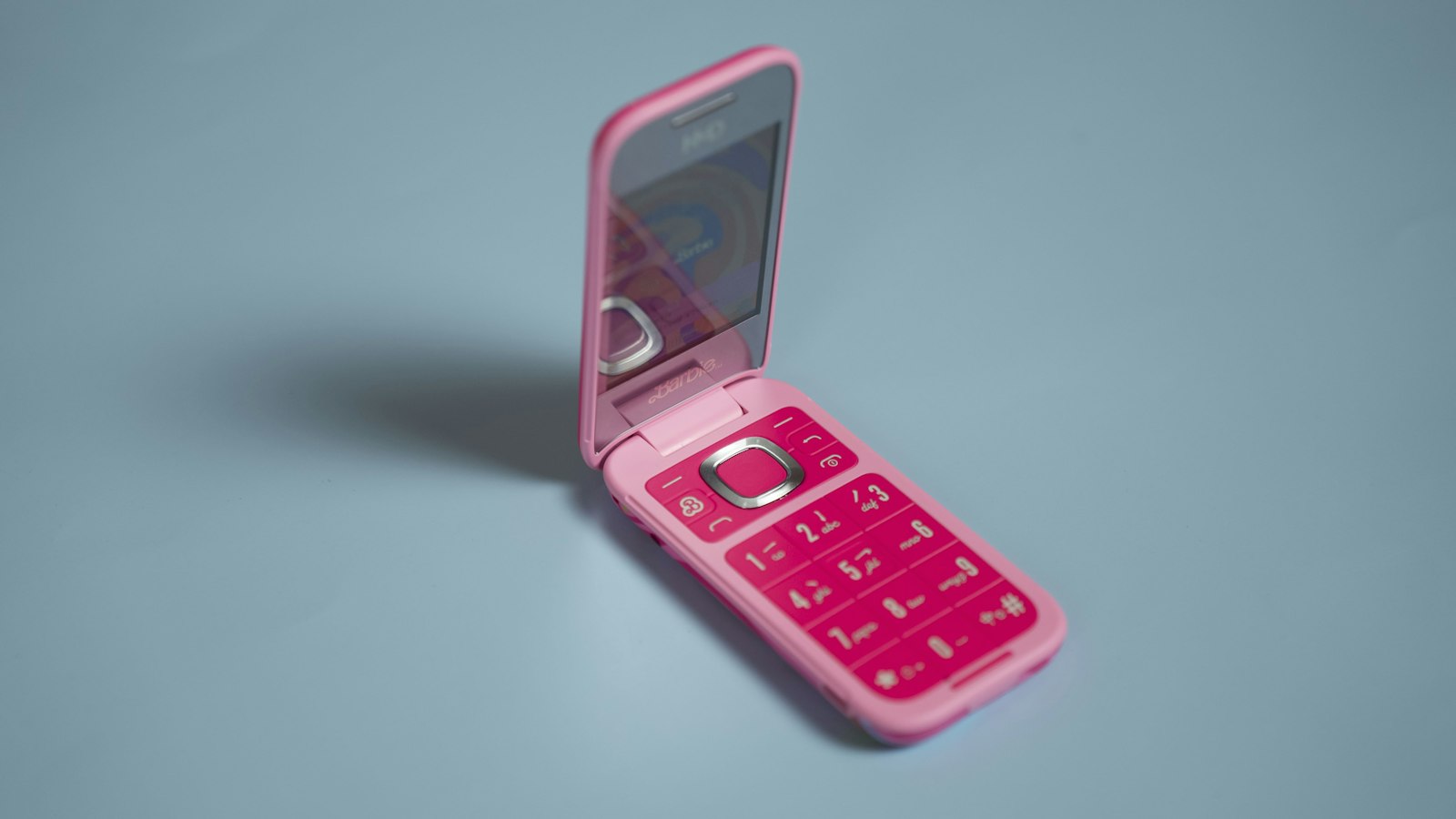
HMD, the Finnish company that makes Nokia-branded phones, has clocked that the parent market is now big enough to build for. It has two products aimed straight at it, and they’re the most interesting things in this piece.
The HMD Fusion X1 is a proper Android smartphone, £229 SIM-free, that ships in a locked-down state: calls, texts, GPS tracking for the parent, no browser, no app store. You switch features on over time through Xplora’s parental platform as the child earns them. It’s repairable (screws, not glue) and the back covers swap. The idea is a phone that starts as a brick and ends up as a smartphone by Year 10, without you buying three devices along the way.
The HMD Fuse takes the same approach and adds HarmBlock, technology from the British company SafeToNet that sits at the operating-system level and blocks nude or sexual images from being filmed, viewed, sent or saved, even inside a video call. It can’t be switched off by the child. In the UK it launched as a Vodafone exclusive on a contract at £33 a month with £30 upfront.
I like the Fusion X1 and I’m lukewarm on the Fuse deal. Not because of the phone – HarmBlock is the first piece of child-safety tech I’ve seen that doesn’t depend on the parent winning an argument – but because £33 a month for two years is £822 for an eleven-year-old’s phone, on a contract you’ll still be paying when they’re thirteen and want something else. The Fusion X1 at £229 outright plus a £6 SIM does 80% of the job for a third of the money.
The catch with both is the Xplora subscription. More on that in a second, because it’s the same catch that’s hiding in the watch.
The watch alternative, and the subscription that costs more than the watch
A lot of families skip the phone entirely and go for a kids’ smartwatch, on the logic that a watch can’t be left on the bus and can’t run TikTok. That logic holds. The maths needs a closer look.
The Xplora X6 Play is the one you’ll see most. It’s £149 on Xplora’s site and drifts down to about £99 on Amazon and PriceSpy when it’s on offer. It does calls, messages, GPS, an SOS button, a school mode that locks it during lesson time, and a step counter that pays out in points your child can spend in Xplora’s app. Fine so far. But it needs Xplora’s own SIM plan, from £7.99 a month with a twelve-month minimum. That’s £96 a year, every year, on top of the watch. Over two years the “£99 watch” is £291, and the £20 brick with a £6 giffgaff SIM is £164.
It’s the same trap we found with video doorbells last month, where the subscription costs more than the bell. The hardware is the loss leader.
Apple’s answer is Family Setup, which lets a child use an Apple Watch without owning an iPhone, as long as a parent has one. The Apple Watch SE 3 starts at £182.99 on idealo at the moment, but that’s the GPS-only model, and Family Setup needs the cellular version, which is more, plus a watch plan from your network. It’s the nicest kids’ device on this page by a mile. It’s also the one that turns a “can they have a phone?” conversation into a £300 conversation, and I’d only go there if the family is already all-Apple and the parent is going to manage it properly.

The refurbished iPhone with Screen Time: what most parents actually do
Let’s be honest about the option 83% of families take. They buy a refurbished iPhone, switch on Screen Time, and tell themselves it’s under control. We covered the refurb market a fortnight ago – a £339 iPhone 15 is now the sensible upgrade for an adult, and an older SE or 13 for a child comes in well under £200.
Two things to say. First, Screen Time is theatre. It’s a passcode, and eleven-year-olds are very good at passcodes; a quick search for “screen time bypass” returns more results than “screen time setup”. Google’s Family Link on Android is more solid because it lives in the parent’s account rather than on the child’s device, but it’s still a fence rather than a wall. Second, the school ban has quietly changed the calculation. If the phone is off from 8.30am to 3.15pm every weekday, a smartphone’s only real advantage over a brick is the evening and the weekend, which is precisely the bit most parents wanted to limit in the first place.
So if you go this way, go in with your eyes open: you’re buying a smartphone because your child wants one, not because they need one, and that’s a legitimate decision as long as you don’t dress it up as safety.
The SIM matters more than the phone
Whichever handset you pick, the SIM is where the ongoing money goes, and it’s where the 3G point bites again.
For a brick phone, a pay-as-you-go SIM with a small monthly bundle is all you need – the £5 to £7 tier from giffgaff, Lebara, Tesco Mobile or the networks’ own PAYG plans covers unlimited texts and more minutes than a Year 7 will use. Check the underlying network before you buy. Tesco Mobile and giffgaff run on O2, Lebara on Vodafone, VOXI on Vodafone; all have 2G behind them, so even a slightly older 4G phone without VoLTE will still make a call. SMARTY and iD Mobile run on Three, which is excellent for data and useless for anything that isn’t 4G Calling. If the family is on Three, buy the 4G VoLTE phone and don’t even look at the cheaper 2G bricks.
Two more small things. Put the child’s number in your own phone as a favourite so it rings through Do Not Disturb, because the entire point of the phone is the one call that matters. And write the PAC code down somewhere; you’ll be moving that number to a smartphone in three or four years, and the number is the bit they’ll want to keep. It’s the same lesson as the landline switch-off: the hardware is temporary, the number isn’t.

What I’d buy this week
For a Year 7 on an EE, O2 or Vodafone-based SIM: the HMD 110 4G at £20 from Argos, and a £6 giffgaff goodybag. Total for the year, about £92. It’ll be scratched and dropped and lost in a PE bag, and none of that will matter.
For a child who’ll refuse to carry a “grandad phone”: the Nokia 2660 Flip at £49.99 while the offer holds. The snap shut buys you goodwill.
For a parent who wants a phone that grows with the child and is prepared to manage it: the HMD Fusion X1 at £229, bought outright, with the Xplora subscription costs read carefully before checkout.
For nobody: the 2G Nokia 105 on Amazon at £17, however tempting the price. If you’re on Three it’s dead on arrival, and if you’re not, you’re one SIM swap from a phone that doesn’t work.
The interesting question is what happens in three years. This is the first Year 7 cohort that will go through secondary school under a statutory phone ban, and a good slice of them are starting on a brick rather than a smartphone. Do they end up asking for the iPhone at 14 like everyone before them – or has the school day just quietly taken the phone off the table for long enough that they don’t bother?