

Christmas Weight Gain in 2026: Half a Kilo, Not Half a Stone – What a 272-Person Trial Says Actually Stops It
Ask a room of people how much weight they put on over Christmas and you’ll hear “half a stone” more than once. Put the same people on a scale before and after and the number shrinks to something closer to half a kilo. That gap is the most useful thing to know about Christmas weight gain in 2026: it’s far smaller than the folklore says, it’s mostly harmless in the short term, and the real problem is the bit nobody talks about – it tends not to come off again.
In This Article
- The half-a-stone story doesn't survive a set of scales
- Where the 6,000-calorie Christmas Day comes from
- Why Christmas weight gain matters more in March than in January
- The Birmingham trial that tested the boring answer
- What the scale says on 27 December isn't fat
- Who should actually pay attention – and who can relax
- Don't bother with the January detox
- What I'd actually do this December
I spent eight years as a personal trainer before I started writing about health, and every January the gym floor filled with people convinced they’d undone a year’s work in a fortnight. Most of them hadn’t. A few of them had, quietly, over several Christmases in a row. Those are two very different situations, and they need very different responses.
The half-a-stone story doesn’t survive a set of scales
The study everyone in this field still cites is a small, unglamorous piece of work from the US National Institutes of Health, published in the New England Journal of Medicine in 2000. Researchers weighed 195 adults in the autumn, again after the holidays, and again the following autumn. They didn’t ask people what they thought had happened. They measured it.
Between Thanksgiving and New Year, the average gain was about 0.8lb – roughly 0.37kg. Across the whole autumn-to-late-winter stretch it was about 1.05lb. Fewer than one in ten people put on more than 5lb. And the volunteers’ own guesses were wildly off: on average they overestimated their gain by slightly more than 3lb, which is to say they thought they’d gained several times what they actually had.
British data points the same way. Professor Amanda Daley of Loughborough University, who has spent years studying festive weight, puts the typical figure at around 0.5 to 1kg over the Christmas holidays. A 2016 analysis of smart-scale users published as a letter in the same New England journal found much the same pattern across three countries – a bump of roughly half a percent of body weight that peaked just after the holidays, with about half of it gone again within a few weeks.
So, not half a stone. Not even close for most people.

Where the 6,000-calorie Christmas Day comes from
Every December a version of the same headline goes round: the average Briton eats 6,000 calories on Christmas Day, three days’ worth, the same as a dozen Big Macs. It’s a good headline. It’s also an estimate, not a measurement – Daley’s own write-up for Loughborough credits the figure to a British Dietetic Association estimate, and nobody has followed a representative sample of British households around with a food diary on the 25th to check it.
Let’s assume it’s right anyway, because the maths is still reassuring. A kilo of body fat stores somewhere in the region of 7,000 to 7,700 calories. If you normally burn 2,000 to 2,500 a day and eat 6,000 on Christmas Day, your surplus is about 3,500 to 4,000 calories. That’s half a kilo of fat at the absolute most, and in practice less, because the body burns a little more when it’s been overfed. One day can’t do the damage people think it can.
The same Loughborough piece worked out that an 84kg adult would need about 12 hours of steady walking – around 50 miles – to burn off an average Christmas dinner with all the extras. A lighter version without the pre-dinner nibbles, the yule log and the second glass of wine came in at about 2,080 calories, or six and a half hours of walking. Those numbers get shared as a warning. I read them the other way: nobody is going to walk 50 miles on Boxing Day, nobody needs to, and the fact that the figure is absurd tells you exercise was never the tool for this job.
Christmas Day isn’t the problem. December is. The party season now runs from the third week of November – the office do, the school-gate mulled wine, the tin of Quality Street that appears on every kitchen worktop from Black Friday onwards and somehow never seems to empty – and five or six weeks of low-level grazing does more than one big lunch ever could.
Why Christmas weight gain matters more in March than in January
Here’s the uncomfortable part of the NIH study. When the researchers weighed people again the following autumn, the holiday gain hadn’t gone anywhere. Over the full year the group was about 1.4lb heavier, and most of that was the festive bump that never left.
Jack Yanovski, who led the work, summed it up at the time: “The good news is that people don’t gain as much weight as we thought during the holidays. The bad news is that weight gained over the winter holidays isn’t lost during the rest of the year.”
Daley makes the same point about British adults. On average people gain up to about a kilo a year, she has said, and holidays like Christmas are responsible for most of it. That’s not dramatic in any single year. But half a kilo that never leaves, repeated every December from 30 to 50, is ten kilos you never decided to put on – and it arrives so slowly that you’ll blame age, or your metabolism, or the dryer shrinking your jeans, before you blame the second week of December. That’s why Christmas weight gain is worth paying attention to, and why the panic about any single meal is misplaced.
But it also means the measure that counts isn’t what you weigh on 27 December. It’s what you weigh in March.
The Birmingham trial that tested the boring answer
In 2016 and 2017, researchers at the University of Birmingham and Loughborough ran a randomised trial built to answer one question: can a cheap, light-touch nudge stop the festive drift? It was published in the BMJ’s Christmas issue, which tends to attract jokey research, but this one was a straight-faced, properly randomised trial of 272 adults.
Half got a leaflet about healthy living and nothing else. The other half were asked to weigh themselves at least twice a week, ideally every day, and write the number on a card. They were given ten weight-management tips and, the bit that got the headlines, a list of what researchers call physical activity calorie equivalents: how long you’d need to exercise to burn off a festive treat. A mince pie was 21 minutes of running. A small glass of mulled wine was 33 minutes of walking.
Over an average of 45 days, from November or December into January and February, the weighing group ended up 0.49kg lighter than the leaflet group. In plain terms, the comparison group drifted up by about a third of a kilo, and the people stepping on the scales and reading the mince-pie maths stayed roughly where they started. Nobody was put on a diet. Nobody was told to skip the turkey.
“Christmas is likely to tax even the most experienced weight controller,” said Frances Mason, the trial’s first author. Fair. But the striking thing about the result is how little effort it took. A bathroom scale – the basic kind you can pick up in Argos for about fifteen quid – and a bit of attention were enough to cancel out the average festive gain.

A word of caution about what that trial does and doesn’t show. Its volunteers were 78% women, mostly white, average age 44, and they’d signed up for a weight study, which suggests they already cared. The result might be smaller in the general population. And it bundled several things together, so we can’t say whether the weighing, the tips or the calorie maths did the work. My guess – and it’s only a guess – is that it was mostly the weighing. People who look at the number regularly tend to adjust without making a big decision about it.
What the scale says on 27 December isn’t fat
This is where a lot of January misery comes from, so it’s worth getting the mechanism right.
Your muscles and liver store carbohydrate as glycogen, and each gram of glycogen is held with roughly three grams of water. A few days of roast potatoes, stuffing, Christmas pudding, bread sauce and Baileys tops those stores right up. Add the salt in a typical festive spread – pigs in blankets, gammon, a cheeseboard with crackers – and the body hangs on to more water still. It’s entirely normal for the scale to read a kilo or two higher on the 27th than it did on the 23rd.
Most of that drops off within a week or two of normal eating. That’s what the smart-scale data shows: a sharp peak straight after the holidays and a fast partial fall. And it’s why the person who weighs themselves on Boxing Day, sees +2kg and launches a punishing juice cleanse feels like the cleanse worked. It didn’t. The water was leaving anyway.
The bit that’s left after a fortnight of normal eating – typically a few hundred grams – is the real gain. That’s the number to care about.
Who should actually pay attention – and who can relax
Most people can stop worrying about Christmas Day lunch. Eat it. Enjoy it. Have the pudding.
The people with a real reason to pay attention are the ones for whom the ratchet is already visible: if you’re a few kilos heavier than you were five years ago and can’t point to a reason, the festive drift is a likely suspect, and this year is a good one to watch the number through January. The NIH researchers found the gain was larger in people who were already overweight, so if a doctor has already raised your weight with you, December deserves the same attention as any other month. The NHS’s free Better Health weight loss plan is a sensible, no-cost way to keep track if you’d rather not do it on a notepad.
And there’s a group who should be careful with this advice entirely. Daily weighing works well for many people, but if you have a history of disordered eating, or you know that numbers on a scale send you somewhere unhelpful, skip it. Speak to your GP instead of following a trial protocol designed for the general population.

Movement still matters, just not as a punishment. A Boxing Day walk won’t burn off lunch, and it doesn’t need to. It’s good for sleep, mood and blood sugar after a heavy meal, and it gets everyone out of the house before the second round of arguments about the telly. If you’ve been tracking your daily count, our look at how many steps a day actually matter is a more useful guide than any calorie-burn chart, and if you’re tempted by a desk treadmill in the sales, read our verdict on the walking pad before Black Friday first.
Don’t bother with the January detox
This is the position I’ll defend against anyone. The January detox – the juice cleanse, the “reset” tea, the 72-hour fast, the £40 box of powders that promises to flush out Christmas – is a waste of money for almost everyone who buys one.
Your liver and kidneys do the detoxing. They did it on Christmas Day, too. What a cleanse actually does is cut your food intake sharply, which empties the glycogen and water that were going to leave anyway, so you see a dramatic drop and feel virtuous. Then you start eating again, the glycogen comes back, and the scale climbs. Some people repeat this every January for years and wonder why nothing changes. If you’re curious about structured eating windows, we’ve covered what the trials say about intermittent fasting, and the honest answer is less exciting than the marketing.
But the bigger point is timing. The Birmingham trial didn’t ask people to undo Christmas. It asked them to notice it while it was happening. Weighing in December is dull and slightly annoying. A cleanse in January is a story you can tell people. Only one of them has a randomised trial behind it.
If you want a January project that does have some evidence behind it, a month off alcohol is a better bet than any detox kit – we went through what Dry January actually changes last week. And if the party season has already started, our check on which hangover cures work will save you a few quid at the pharmacy counter.
What I’d actually do this December
Keep it small. Weigh yourself a couple of times a week from now until the end of January, at the same time of day, and write it down. Don’t react to any single reading, because water will make December and early January look worse than they are. Look at the trend. If you’re back where you started by the second week of February, Christmas cost you nothing.
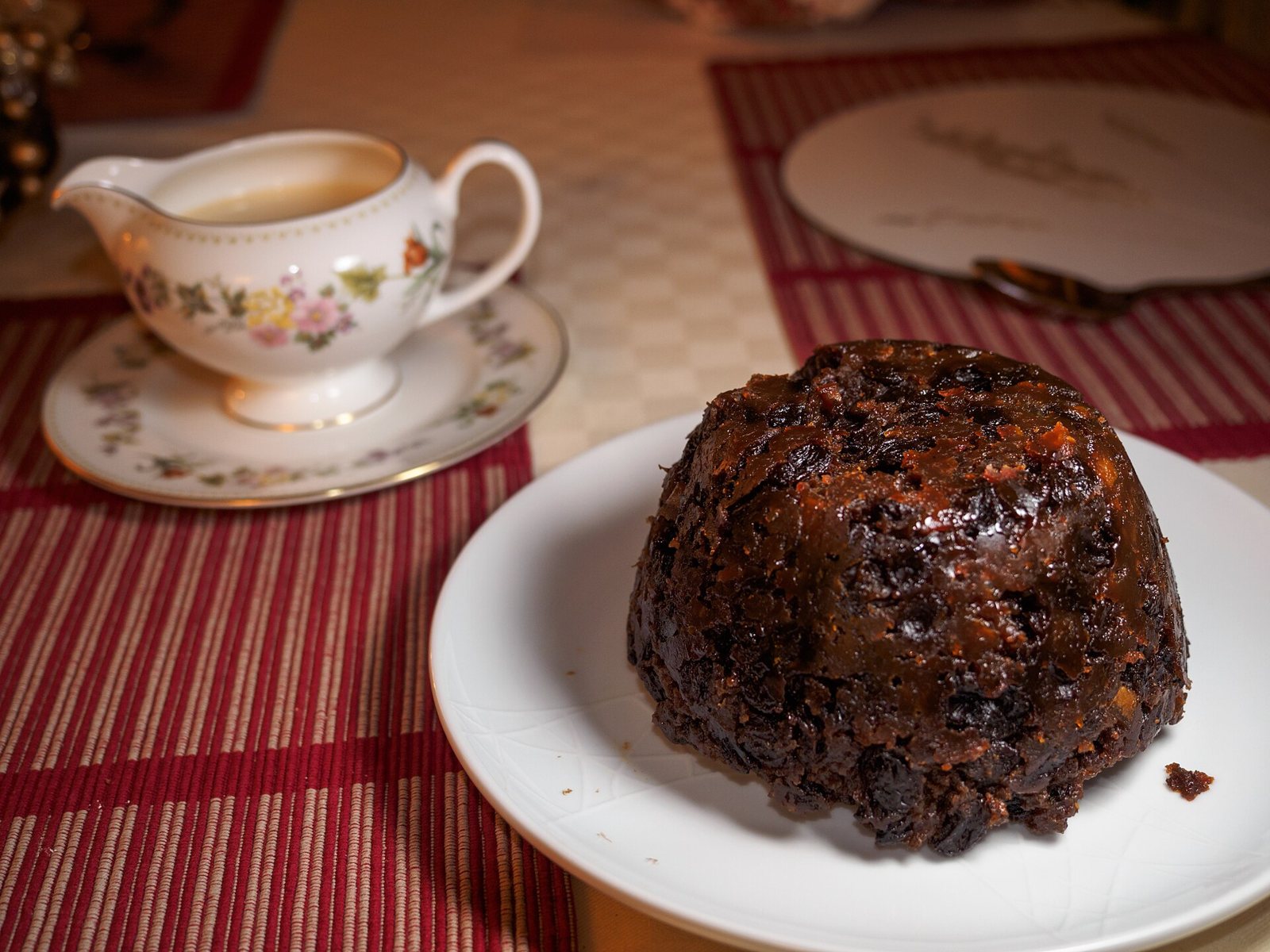
Pick the treats you actually want instead of eating everything that’s put in front of you. The third mince pie at the office isn’t a tradition, it’s just there. And treat the Quality Street tin as the real opponent: the evidence suggests the five weeks of grazing matter more than the turkey, the trimmings and the Christmas pudding put together.
The University of Birmingham’s summary of the trial, Professor Daley’s Loughborough piece on walking off Christmas dinner and the original NIH release on holiday weight gain are all worth five minutes if you want the detail. None of them will tell you to skip Christmas lunch.
So here’s my question for you: when you step on the scales in February, are you usually back where you started – or is this the year you find out how much of last Christmas is still with you?