Menopause Supplements Are a 78-Ingredient Guessing Game in 2026: Which? Tested 21 Products, the Placebo Effect Runs at 50% – and Only Four Herbs Have Trials Worth Reading
Which? published its test of menopause supplements on Monday. Twenty-one products, 78 active ingredients, two nutrition specialists and, going by the free-to-read half of the report, a conclusion the industry won’t be printing on the box: a lot of what’s on the shelf is dosed well below anything used in a trial, and some of the priciest tubs are a multivitamin with a pink label. That landed six weeks after an NHS report showing a record two million women in England got HRT on prescription last year. The two numbers belong together, because they describe the same women standing in the same aisle, trying to decide between a £19.80 prepayment certificate and a £39.99 tub of gummies.
In This Article
I’ve spent the last week going through the trials behind the four herbs that dominate menopause supplements in Britain, the placebo figure the British Menopause Society now puts on its own patient leaflet, and the small list of people for whom a supplement still makes sense. It’s shorter than the aisle suggests.
Boots, Saturday morning, the women’s health bay. Vitabiotics Menopace Original at £4.90 for 30. Promensil Double Strength at £27 for the same count. Starpowa Meno Balance gummies at £39.99 for 60 in Holland & Barrett up the road, which works out at £1.33 a day, or roughly £485 a year for blackcurrant-flavoured sweets. And every one of them says “menopause” somewhere on the front, which is about the only thing they have in common.
What the menopause supplements aisle actually sells
The Which? team (public health nutritionist Shefalee Loth and consultant dietitian Sophie Medlin) called it their most complicated supplement analysis yet, and you can see why. A typical multivitamin has 20-odd ingredients that everyone agrees on. Menopause products bolt botanicals onto that base: sage, red clover, black cohosh, ashwagandha, maca, lion’s mane, “hormone balance blends” of no fixed composition. Seventy-eight actives across 21 products means the average tub is carrying things no trial has ever looked at in combination.
Two findings from the public part of the report are worth holding onto. First, products regularly contain far lower doses of the herbs than the studies that get cited in the marketing. Which? gives the doses that have shown anything in trials as 40-80mg of soy isoflavones, 80mg of red clover isoflavones and 3,400mg of sage. Second, some of the expensive options are unlikely to do more than a basic multivitamin. That’s the polite version of what consultant gynaecologist Anne Henderson told The Grocer about the sector in 2024: “It’s like the emperor’s new clothes. There’s nothing.”
The marketing has been catching up with the regulator, slowly. In one four-month stretch of 2024 the Advertising Standards Authority pulled up five brands for menopause claims, including a supplement claiming it could relieve perimenopause, menopause and post-menopause symptoms outright, and a bracelet whose testimonial promised to fix “meno-bloat” in 48 hours. The ASA then issued specific guidance saying anything making medicine-style claims needs to be talking to the MHRA. Anyone who’s scrolled TikTok since knows how far that’s travelled.
And the customers aren’t daft. A Vypr poll of 1,125 women for The Grocer found 41% of over-55s don’t trust the claims on menopause products. The trust is highest among 35 to 44-year-olds, who are also the group being told most loudly that perimenopause starts in your thirties. Henderson’s view is that the number of women in perimenopause in their thirties or early forties is vanishingly small; GenM, the body behind the MTick symbol, puts the share who start before 40 at about 1%.
The four herbs with trials behind them
Strip the aisle back and there are four ingredients in menopause supplements with a proper research record. Which? names the same four. So does the British Menopause Society. Here’s where each one stands, and it isn’t symmetrical.
Black cohosh has the biggest evidence base and the worst result. The Cochrane review pooled 16 trials covering 2,027 women and found no significant difference from placebo in hot flush frequency or in overall symptom scores. The authors landed on “insufficient evidence to support or oppose”, which in Cochrane-speak isn’t a shrug; it means the trials were too poor to prove it works. The MHRA has required a liver warning on black cohosh products since 2006 after a run of reports of liver damage. NICE still says there’s “some evidence” it may relieve hot flushes, and the BMS leaflet says it can help though not as well as HRT, so the professional bodies are a shade kinder than the pooled data. Nobody recommends it after breast cancer.
Isoflavones, meaning soy extracts and red clover (Promensil is the branded red clover), are the ones with a modest, real signal. A 2012 meta-analysis of soy isoflavone trials found hot flush frequency dropped about a fifth more than on placebo. The BMS describes the results across studies as variable, which is fair. NICE lists them alongside black cohosh as having some evidence, with the same caveats about unknown purity and interactions. They’re not advised for women who’ve had breast cancer, and the doses that showed anything (that 40-80mg soy or 80mg red clover) are higher than most complexes bother with.
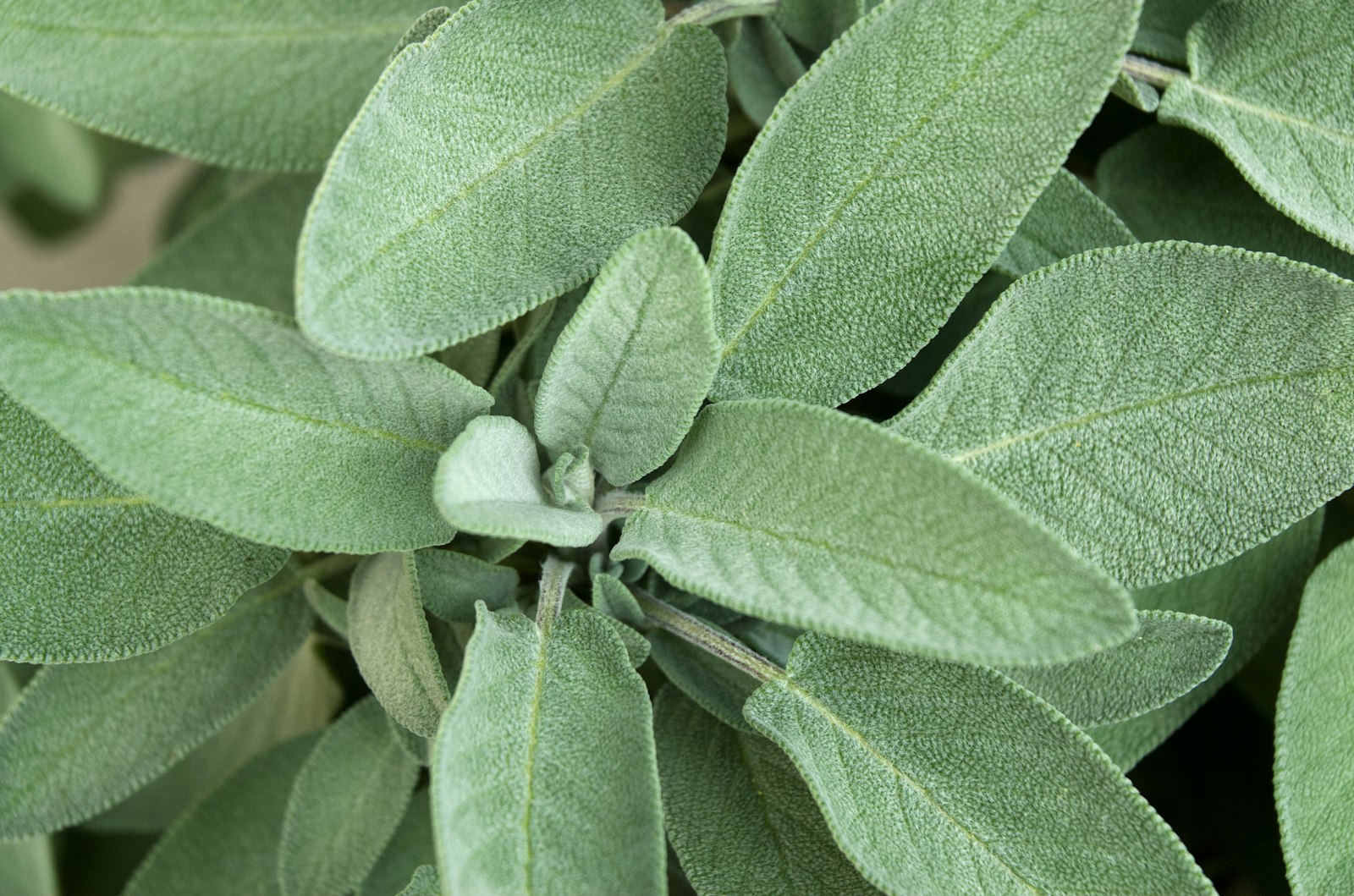
Sage is the interesting one because the trial everyone cites is so thin. The 2011 study behind most sage marketing followed 71 women in Switzerland for eight weeks on a fresh sage tablet and reported hot flushes down by half at four weeks and nearly two thirds at eight. It was open-label. No placebo group. Given what I’m about to say about placebo in this field, that matters more than usual. There have been small placebo-controlled trials since, mostly positive, mostly tiny. Which?’s effective dose of 3,400mg refers to fresh sage equivalent, and the products that hit it are the single-ingredient sage tablets like A.Vogel’s Menoforce (£15.99 for 30 direct), not the sprinkling in a 16-ingredient complex. Which? had Menoforce at £6.99 in Holland & Barrett when it checked, which is the one bargain in this piece.
St John’s wort is the odd one out. There’s evidence it helps hot flushes, and NICE singles it out as the one herbal option with some support for women who’ve had or are at high risk of breast cancer. But it interacts with a long list of medicines, it can reduce how well tamoxifen works, and both the BMS and the NHS effectively say don’t take it without a conversation with a pharmacist. The NHS page on herbal remedies is blunter than the shelf: these products aren’t tested or regulated like medicines, and the claim that red clover or black cohosh balances hormones isn’t supported by the evidence. It also barely features in the branded complexes, presumably because a liver warning and a drug interaction box don’t sell gummies.
Evening primrose oil, still in the top-selling tier at every chemist, isn’t on the list at all. A placebo-controlled trial in the BMJ found it did nothing for hot flushes back in 1994. Thirty-two years later it’s still sold for them. Don’t bother.
The 50% placebo problem
This is the number that reframes the whole category. The BMS patient leaflet on complementary therapies, updated in July, states that the placebo effect from almost every menopause intervention can run at 50-60%. Half or more of the improvement women feel from anything they try for hot flushes is the trying.
You can watch it happen in the drug trials. In the OASIS-3 study of elinzanetant, the new non-hormonal drug from Bayer, women on the active pill saw moderate-to-severe hot flushes fall by more than 73% at 12 weeks. The placebo group fell by 47%. That’s a sugar pill nearly halving hot flushes in a properly run trial with proper counting.
So when a supplement brand tells you 89% of women saw improvements in 30 days, as one perimenopause powder at over £40 for 15 servings did on Holland & Barrett’s site when The Grocer checked, the question isn’t whether it’s true. It probably is. The question is what the placebo arm did, and there wasn’t one. Every testimonial, every “I felt the difference in a week”, every before-and-after, every five-star review on a product that’s never been through a controlled trial is measuring the same thing: the hope, not the herb. This is also why the sage study without a control group can’t tell you much, however honest the researchers.
It doesn’t make the relief fake. The BMS is careful on this: for an individual woman the effect is real and can last. But it does mean the sensible way to spend money is on the things whose benefit survives when you subtract the placebo, and that’s a short list.
Where the money should go instead
The dull, well-evidenced corner of the menopause supplements market is the bone corner. Oestrogen protects bone; as it falls, the rate of bone loss rises, and the British Dietetic Association recommends calcium intake goes up to 1,200mg a day after menopause. The vitamin D advice stays at 10 micrograms, and from next month the NHS tells everyone in Britain to consider taking it regardless, which we looked at in detail last month. You can buy those two things for pennies. A 3p vitamin D tablet and a diet with dairy or fortified alternatives in it does the same job as the “bone support” line on a £26 box of Menopace Max, which is 93p a day.
Iron is the other one with a real case, and only in perimenopause. Periods often get heavier and closer together in the run-up, ferritin drops, and the tiredness that gets blamed on hormones is sometimes just low iron. It’s worth a blood test before you buy anything; the every-other-day dosing evidence is here. After periods stop, the iron in a menopause multi is surplus.
Magnesium turns up in nearly every menopause complex because poor sleep, anxiety, low mood and muscle aches are all on the symptom list, and it’s cheap. The Which? team say the evidence during menopause is thinner than for bone nutrients, and our own look at the sleep trials found them small. It’s harmless at normal doses and glycinate before bed is a fine habit. Just don’t pay £1.33 a day for it.
Ashwagandha, now in the Boots own-brand perimenopause complex, has one placebo-controlled trial in perimenopausal women, 100 participants over eight weeks, and a broader evidence base we’ve covered that’s mostly about stress scores in small groups. Collagen, which gets shoved into “meno” skincare as much as tablets, is a separate argument, and the menopause skincare category has its own version of the pink-label problem.
If you take one thing from this section: vitamin D from October, plus calcium if your diet is short of it, covers everything in a “menopause complex” that has evidence behind it. The rest of the ingredient list is what you’re paying the extra 80p a day for.
The evidence moved to the prescription pad this year
The awkward truth for the supplement aisle is that 2026 has been a very good year for non-hormonal options that actually work, and none of them are in it.
In March, NICE issued final draft guidance backing fezolinetant, sold as Veoza, for the NHS: a 45mg tablet once a day that blocks the brain pathway triggering hot flushes and night sweats. NICE reckons around 500,000 women are eligible. It’s for women who can’t take HRT (after a clot, say) or who don’t want to, it needs liver function checks before and during, and it’s not for anyone with current breast cancer or liver disease. Elinzanetant, the Bayer drug from the trial above, was approved in the US last October, is available privately here, and the BMS says it’s awaiting NICE appraisal. The same leaflet describes it as the first treatment licensed for the flushes caused by breast cancer drugs like tamoxifen, which is exactly the group the herbs are told to avoid.
Then there’s HRT itself. The NHS Business Services Authority reported in August that two million women aged 40 and over in England were prescribed it in 2025/26, up from 800,000 in 2020/21. The HRT prepayment certificate is £19.80 for 12 months of unlimited HRT items. Twelve months of the cheapest menopause gummies in the Which? sample is over £480. There’s a reason the supplement brands never put those two figures next to each other.
And the same NHSBSA report is why the aisle keeps growing. HRT prescribing runs at 14.2% of women over 40 in the most affluent parts of England and 8.8% in the most deprived; 23 in 100 in Brighton and Hove against four in 100 in Newham. The women who can’t get a GP appointment, or a GP who’ll prescribe, are the ones buying the £74.99 tubs. Henderson’s word for that market was vulnerable. She’s right.
NICE also recommends CBT for menopausal anxiety and low mood, and there’s decent evidence it takes the edge off hot flushes too. Women’s Health Concern, the BMS’s patient arm, publishes a self-help version written by Professor Myra Hunter of King’s College London, for free. That’s a better first purchase than any of the 21 products, and it costs nothing.
Who should still buy menopause supplements in 2026
There are four groups I’d still point at the shelf, with conditions.
Women who can’t or won’t take HRT and want to try the herbs with a signal. Isoflavones at a proper dose (80mg red clover or 40-80mg soy) or a single-ingredient sage tablet at the trial dose are the two with the best odds of beating placebo by something. Look for the THR logo, the MHRA’s traditional herbal registration, which at least guarantees the tablet contains what it says at the strength it says. Ask a pharmacist first, especially about anything else you take. And give it eight weeks, then be honest about whether it’s the herb or the hope.
Anyone in perimenopause with heavy periods and tiredness, but only after a ferritin test, and then iron on its own rather than a complex that happens to contain a bit.
Post-menopausal women whose diet is light on dairy, for calcium and vitamin D, and everyone from October for the vitamin D on its own. A supermarket own-brand does it.
Women with a breast cancer history who’ve been told to steer clear of hormones and isoflavones both. Your list is short: CBT, the unglamorous lifestyle stuff (layers, a cooler bedroom, less wine), a conversation about St John’s wort with the oncology team (and not if you’re on tamoxifen), and now the prescription drugs above. Nothing in a gummy is for you, whatever the influencer says.
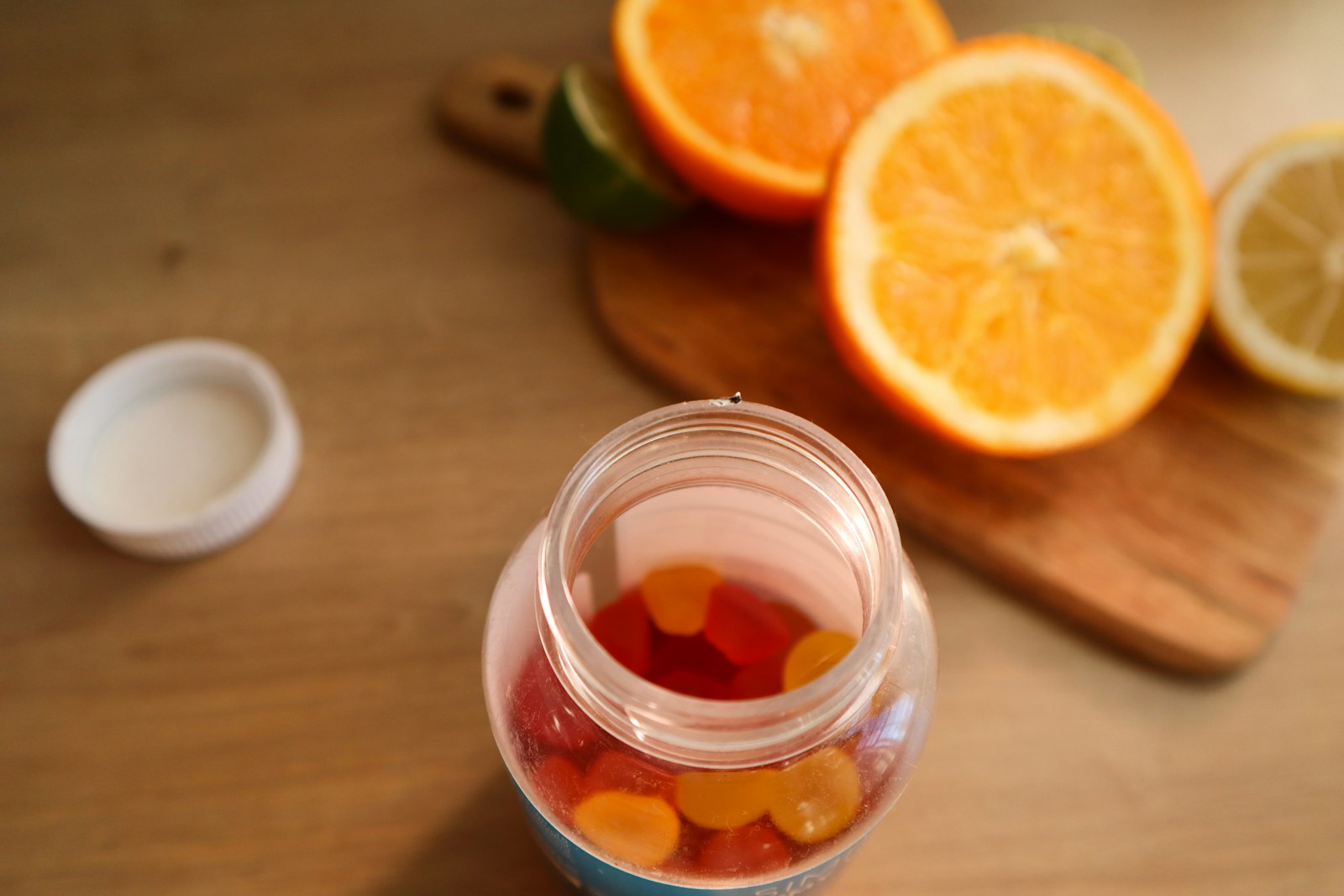
Who shouldn’t bother: anyone already on HRT who’s adding a “meno” multivitamin on top. The hormones are doing the work; the multivitamin is doing what a 10p Boots multivitamin does. Anyone under 40 being sold perimenopause powders on the basis that it “can start in your thirties”. And anyone buying gummies. The gummy format is the worst-value corner of this category by a distance: sugar, pectin, flavouring and a fraction of the actives, at up to eight times the daily cost of the cheapest tablet in the Which? sample.
World Menopause Day is 18 October, which means the next four weeks will bring the year’s heaviest run of menopause supplements marketing, with the “peri” ranges front and centre. The Which? test is a good thing to have open in the other tab. So, if you’re already on something from that aisle: do you know which ingredient in it you’re actually buying, and at what dose?