
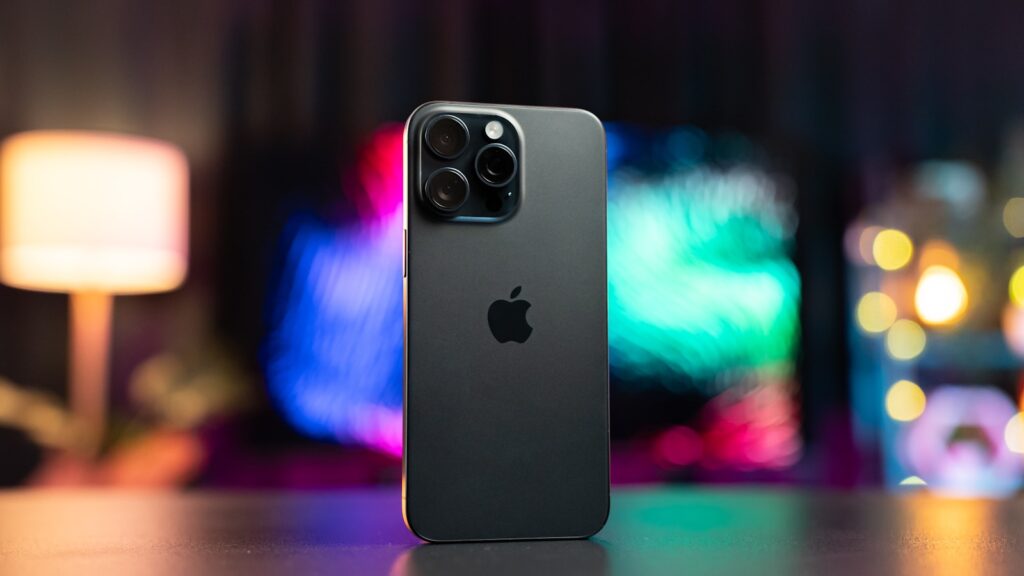
Refurbished iPhone in 2026: Apple’s Cheapest New Phone Is Now £1,199, So the Smart Upgrade Is a £339 iPhone 15
Apple sent the invitations, Britain reached for its wallet, and on 9 September the bill arrived. The “Surprise and shine” event delivered exactly what the leaks promised and not a penny less: an iPhone 18 Pro from £1,199, an 18 Pro Max from £1,299, and a folding phone called the iPhone Duo that starts at £1,999 and doesn’t even go on sale until 23 October. The cheapest new iPhone Apple announced this autumn costs more than three of the phone this article is about.
In This Article
- What Apple actually announced on 9 September, and what it costs in Britain
- Britain's quiet trade down
- The 36-month trick
- What £345 buys in the refurbished iPhone aisle
- Seven years of updates changed the sums
- The traps that still catch people
- Three refurb myths that should have died with the Lightning cable
- The case for and against, in one breath
- Who should still buy new on 18 September
Because for the first time in years there is no ordinary iPhone at all. The standard 18 and the budget 18e have been held back to spring 2027, so anyone who walks into an Apple Store before Easter wanting a brand-new phone starts the conversation at four figures.
Which makes this the best moment in a decade to buy a refurbished iPhone instead. Not as a fallback for people who can’t stretch to the real thing. As the sensible first choice. A refurbished iPhone 15 in decent nick was £345 on Back Market at the start of the month and Back Market’s own price guide now lists it from £339 – roughly a sixth of the Duo – and it will still be getting software updates years from now.
I’ll declare my position early: most people reading this should ignore the 18 September launch queue entirely. The new phones are very clever. They’re also not for you.
What Apple actually announced on 9 September, and what it costs in Britain
Before the event this piece was working from rumour. Now the prices are on Apple’s UK site, so here is the autumn range as it stands, next to what the same money buys second-hand.
| Phone | UK price | When | What you get |
|---|---|---|---|
| iPhone 18 Pro (256GB) | £1,199 | On sale 18 September | A20 Pro chip, 48MP variable-aperture camera, smaller Dynamic Island |
| iPhone 18 Pro Max (256GB) | £1,299 | On sale 18 September | Same again with a 6.9in screen and Apple’s longest battery claim |
| iPhone Duo (256GB) | £1,999 | Pre-order 16 October, on sale 23 October | Apple’s first foldable: 7.6in inner screen, 5.4in outer |
| iPhone 18 / 18e | Not announced | Spring 2027 | The affordable ones, held back |
| Refurbished iPhone 16 (128GB, fair) | About £462 | Now | Last year’s new phone, USB-C, Apple Intelligence |
| Refurbished iPhone 15 (128GB) | From £339 | Now | USB-C, iOS 27, updates expected to the end of the decade |
Two things in that table deserve a second look. The first is that the Pro didn’t come in at the £1,099 the rumour mill had settled on. It came in at £1,199, a hundred pounds up on last year’s Pro at the same 256GB starting point. The second is the gap between the two halves of the table. Apple’s cheapest new phone this autumn costs three and a half times what a refurbished iPhone 15 does, and that 15 is a phone that was £699 new less than three years ago.
There was a quieter change too, and it matters more for anyone weighing a refurb against “just getting last year’s one”. In the US, Apple put $100 on every older iPhone it still sells new: the iPhone 17 now starts at $899, the Air at $1,099 and the 17e at $699. I haven’t been able to confirm the UK figures line by line, so check Apple’s UK store before you assume the 17 is the bargain it was in August. But the direction is clear. The “buy last year’s model new” route just got dearer at the same moment the refurb aisle got cheaper.
The range is easy to summarise. Flagships in September, foldable in October, nothing affordable until spring. That’s the pitch. Here’s the counter-offer.
Britain’s quiet trade down
While launch prices climb, the country has been moving the other way. Market researchers now estimate that roughly one in five phones sold in Britain is refurbished, a share that has crept up every year since the pandemic. And the phones we do own, we keep: the two-year upgrade was standard a decade ago, while three to four years is now perfectly normal, and nobody at the pub notices or cares what anyone else is carrying.
Part of that is the cost of living doing its slow work on national habits, the same shift that has people finally letting go of the landline. Partly, phones simply stopped changing. Put an iPhone 13 next to an iPhone 16 face-down on a table and you’d struggle to tell them apart at a glance; the annual leap that once justified queueing overnight now amounts to a slightly better camera and a button most owners have never remapped. My own phone is four years old, lives in a £6 case from a market stall, and the only thing wrong with it is my typing.
The refurb market grew up while nobody was watching, too. This isn’t the dodgy cabinet at the back of a phone shop any more. The big platforms grade stock, test it, warranty it for a year and take returns for 30 days, and the same logic that made a refurbished laptop the smart back-to-school buy in July applies double to phones, because phones are where the mark-up on newness is silliest.
There’s a quieter reason to feel good about it, too. Every refurbished handset sold is one fewer phone mined, manufactured and flown around the planet, and one fewer sitting in the national drawer of shame with the old chargers and a Nokia that still turns on. Britain’s homes hold millions of retired handsets doing nothing. The refurb trade is slowly turning that drawer back into stock.
The 36-month trick
Before the numbers, a word about how most people actually pay for flagships, because the networks have got very good at hiding the sums. A £1,199 phone rarely feels like £1,199. It feels like “£30-odd a month”, stretched over 36 months and stapled to an airtime plan, and by the time it’s yours you’ve usually paid comfortably more than the sticker price – and you’ve been locked to one network for three years to do it.
Now run the refurb version. A good-grade iPhone 15 at £362, paid once, plus a SIM-only deal – and decent ones have hovered around a tenner a month for a couple of years now. Over three years that’s roughly £720 all in. The contract flagship, over the same three years, can clear £2,000 without anyone feeling mugged at any individual moment. That gap is a holiday. It’s most of an October half-term break, in fact.
The monthly framing is the whole game. Undo it and the refurbished phone stops looking like a compromise and starts looking like the only rational row on the spreadsheet.
What £345 buys in the refurbished iPhone aisle
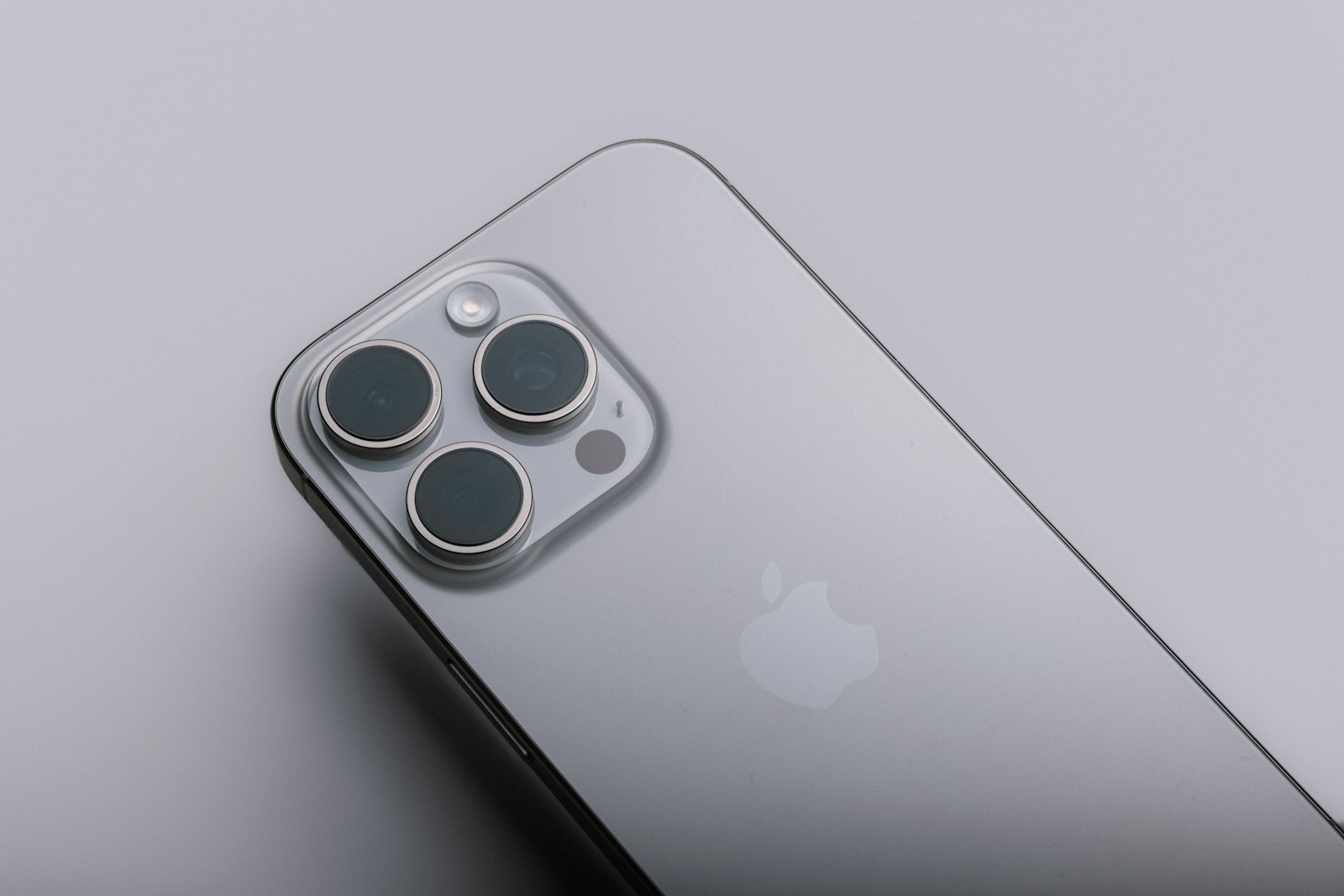
Numbers, then. On Back Market this week a refurbished iPhone 15 with 128GB was £345 in “fair” condition, £362 in “good” and £369 in “excellent”, against £699 for the same phone new. The iPhone 16, a year fresher, was £462 in fair condition – a £237 saving on new.
Two years ago the gap between fair and excellent grades could run to £80 or more, and the standard advice was to buy the scruffy one and pocket the difference. Right now the whole ladder on the 15 spans £24. Pay the £24. A phone you’ll hold fifty times a day isn’t the place to economise on the last two percent, and excellent-grade units tend to arrive looking like nothing ever happened to them.
For the curious: “fair” usually means honest scratches. Scuffed corners, a hairline or two across the back glass, the sort of wear your own phone picked up in its first fortnight of sharing a pocket with keys. The screen has to be undamaged on every grade, the phone fully tested and working, the battery above its floor. In a case – and it’s going in a case – a fair unit and an excellent one are identical objects. This year the price gap says buy excellent anyway; when the gap widens again, fair is nothing to be scared of.
Skip the new-battery option, though. Back Market will fit a fresh battery for about £215 extra on the 15, which is a strange sum to spend on a £345 phone when the battery it comes with is guaranteed to hold at least 80% of its original capacity. Run the standard battery for a year or two and have it swapped when it actually fades – it’ll cost far less at that point than it does bundled at checkout.
And the £237 you didn’t spend on the 16? That covers a properly good set of noise-cancelling earbuds with well over £100 in change. The silicone case and two screen protectors Back Market bundles for £22.99 arrived, in my colleague’s case, in that annoying clamshell packaging – but the case does the job.
Seven years of updates changed the sums
The old objection to second-hand phones was that you were buying someone else’s countdown clock. Software support ran five years if you were lucky, so a two-year-old phone was already middle-aged.
That objection died quietly. iOS 27, released on 14 September, runs on the iPhone 11 – a phone from 2019. Seven years of updates, and counting. Which? puts iPhone security support at six years minimum from launch, and Apple has been beating that comfortably. Buy a 2023 iPhone 15 today and the reasonable expectation is updates until the end of the decade. You will want a new phone before this one stops being safe to use.
Android’s messier – support runs anywhere from two to eight years depending on brand – which is exactly why the refurb market leans so hard on iPhones. They last, they hold their value, and there are millions of them coming off contracts in a steady stream. If you’re set on Android, Which? rates Samsung’s own Certified Renewed programme highly, and the recent flagships carry seven-year promises of their own.
Honesty about what you give up, though. Buy an iPhone 14 or older and you’re back on the Lightning connector, which means keeping a cable the rest of your gadgets have abandoned – the 15 was the first with USB-C, and that alone is a reason to make it your floor. Apple’s on-device AI features also want recent hardware, so the oldest refurbs won’t get the party tricks. Whether you’ll miss them is another matter. I’ve yet to meet anyone outside the tech press who could name one.
The traps that still catch people
Apple runs its own Certified Refurbished store, and this is where I part company with the cautious. An official refurbished iPhone 15 costs £589 – new battery, new outer shell, full warranty, proper box. It’s the reassuring option, and for most people it’s the wrong one. That’s a £227 premium over a good-grade unit from a reputable platform with a 12-month warranty of its own, and what the premium mostly buys is the box.
Put the £227 towards the phone after this one.
The genuine traps sit elsewhere. Private listings on eBay and Facebook Marketplace can be £50 cheaper again, but there’s no grading, no warranty and no recourse beyond an awkward doorstep conversation – and a stolen phone can be network-blocked weeks after you’ve paid for it. MoneySavingExpert’s refurb guide is blunt about the rule: buy from a business, not a bloke.
Watch the language, too. Every platform grades differently, and the words drift: one seller’s “excellent” is another’s “pristine”, one’s “fair” is another’s “good”. Amazon’s Renewed listings sit alongside marketplace sellers of wildly mixed quality on the same page, which catches people who assume the Amazon name means Amazon did the refurbishing. It usually didn’t. Read who actually sells the unit, what the battery guarantee is in percent, and how long the warranty runs – those two lines matter more than the adjective.
Buying from a UK retailer also keeps your Consumer Rights Act protections – refurbished stock has to be as described and fit for purpose, same as new, and a fault in the first six months is legally presumed to have been there when it arrived.
Four quick checks before any refurb purchase, whoever’s selling: battery health (walk away under 85% unless the price says otherwise), confirmation the phone is unlocked to all networks, Activation Lock removed, and a warranty measured in months rather than weeks.
Three refurb myths that should have died with the Lightning cable
“Refurbished means it was broken.” Mostly it means it was returned, traded in or came off a contract. The big platforms put every unit through a functional test, replace what fails, wipe it and grade the cosmetics. A phone with a dead speaker gets a new speaker; a phone with a cracked screen gets a new screen or doesn’t get listed. What you can’t tell from a listing is which story your particular unit has, which is exactly why the warranty and the return window matter more than the adjective on the grade.
“The battery will be knackered.” The floor on Back Market and on Apple’s own refurbished store is 80% of original capacity, and good-grade 15s tend to arrive somewhere in the high 80s or low 90s. Check it the day it lands: Settings, then Battery, then Battery Health. If it’s under the figure promised in the listing, that’s a return, not a shrug. And a replacement battery on a 15 is a known, fixed cost you can plan for in year two rather than a surprise.
“You lose the warranty.” You lose Apple’s original one, which had almost certainly expired anyway on a 2023 phone. What you get instead is the seller’s 12 months plus the Consumer Rights Act, which applies to refurbished goods exactly as it does to new. Apple’s Certified Refurbished units come with a one-year Apple warranty of their own and can take AppleCare, if you want belt and braces at £589.
The case for and against, in one breath
For: you pay roughly a third of the cheapest new iPhone Apple sells this autumn. The phone gets the same iOS 27 and the same security patches as the one in the launch queue. USB-C from the 15 onwards. A year’s warranty and 30-day returns from the serious platforms. And you’re taking a handset out of the national drawer of shame rather than out of a mine.
Against: none of the on-device Apple Intelligence tricks on the oldest models. A battery that has already done a year or two of cycles. The cosmetic lottery on fair grades. And the small but real risk of a marketplace seller who isn’t who they say they are. Every one of those has a fix that costs less than the £850 you’re saving, which is rather the point. If the household also has a student heading off this month, the same maths applies to their laptop: the best student laptop under £500 is very often a refurbished business machine.
Who should still buy new on 18 September
Some people should be there on day one, and there’s no shame in it. If you shoot serious video on your phone, the 18 Pro’s camera will do things no refurb can. If you’ve waited a decade for Apple to fold a phone and you can bear first-generation compromises at a first-class price, the foldable is your moment, and I hope it’s wonderful.
Everyone else gains from waiting a fortnight either way. Launch week does two reliable things to the refurb market: last year’s models drop in price as the range shuffles down, and trade-ins flood in from upgraders – Back Market was quoting up to £700 for traded handsets this week, which tells you how much decent stock is about to arrive. October is refurb harvest season. It has been every year I’ve covered this.
One practical note before you buy anything, new or used: recent iPhones handle eSIM natively, so check how your phone and network deal with eSIM before you next travel – it’s the one setup job worth doing on day one.
If the phone you’re actually buying is for a child, the sums change completely, and a refurbished iPhone is only one of the answers. Our guide to the best first phone for kids in 2026 makes the case for a £20 4G brick, and explains the 3G catch that kills half of them on Three.
So I watched the keynote, and I enjoyed the theatre. Then I went back to the question that survives any launch: what, on that stage, does anything the £339 phone in front of you can’t? A better camera and a screen that folds. If either of those is worth £850 to you, go with my blessing. If you had to think about it, you already have your answer.
To see where Apple is heading next, read our look at the iPhone features Apple is working on and what they mean for you.