Cycle Syncing Workouts UK: How to Train Around Your Period
Cycle syncing workouts have become one of the biggest fitness trends in the UK this year – and for good reason. Instead of pushing through the same routine every week regardless of how you feel, this approach tailors your training to the four phases of your menstrual cycle. It’s not about doing less. It’s about training smarter.
In This Article
- What Are Cycle Syncing Workouts?
- The Four Phases and How to Train
- Menstrual Phase (Days 1-5)
- Follicular Phase (Days 6-14)
- Ovulatory Phase (Days 14-16)
- Luteal Phase (Days 17-28)
- Does the Science Back It Up?
- How to Get Started with Cycle Syncing in the UK
- Frequently Asked Questions
- Can you still exercise during your period?
- Is cycle syncing workouts only for people who want to lose weight?
- Do cycle syncing workouts work if you're on hormonal contraception?
- How long does it take to see results from cycle syncing?
If you’ve ever felt completely wiped during a session that should’ve been easy, or found yourself unexpectedly smashing a PB, your hormones were probably playing a bigger role than you realised. Around 75% of women report negative side effects like cramps, fatigue, and bloating during their cycle, according to research published in the British Journal of Sports Medicine. Cycle syncing aims to work with these shifts rather than against them.
What Are Cycle Syncing Workouts?
Cycle syncing is the practice of adjusting your exercise type, intensity, and volume based on where you are in your menstrual cycle. The idea was popularised by functional nutritionist Alisa Vitti and has since gained serious traction in UK gyms, online coaching programmes, and fitness apps like Wild.AI and FitrWoman.
Your cycle is broadly split into four phases, each lasting roughly a week, though this varies from person to person. The key hormones – oestrogen, progesterone, and testosterone – fluctuate throughout, affecting your energy, strength, mood, and recovery.
The Four Phases and How to Train
Menstrual Phase (Days 1-5)
This is when your period starts and hormone levels are at their lowest. Energy tends to dip, and many women feel more fatigued than usual. It’s not the time to force a heavy deadlift session.
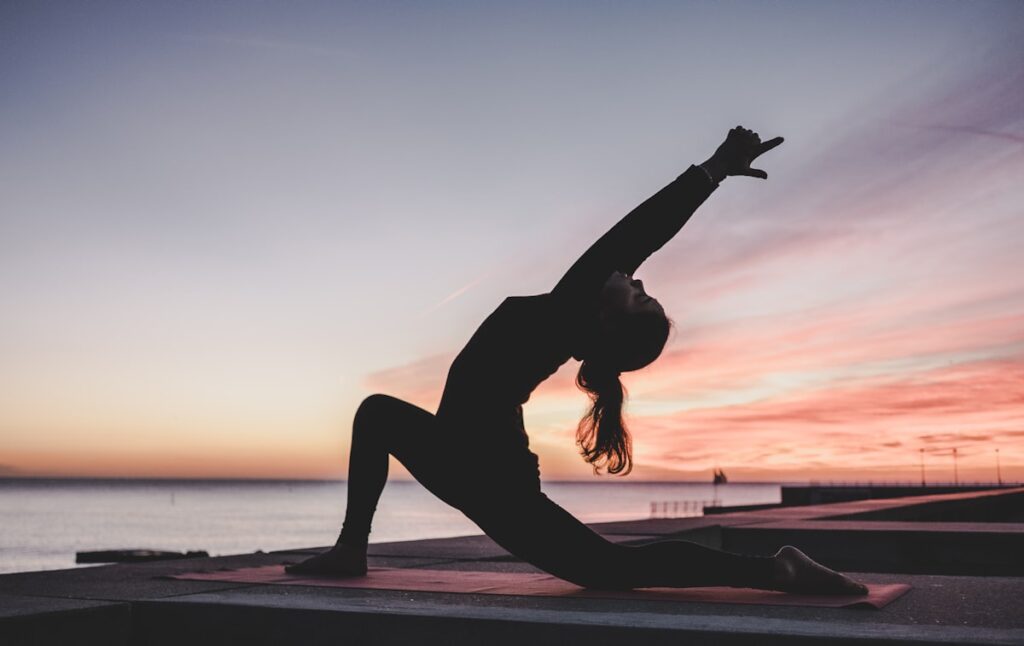
What works best: gentle movement like yoga, walking, Pilates, or light stretching. If you feel up to it, low-intensity steady-state cardio can also help ease cramps. Listen to your body – some days you’ll feel fine, others you won’t.
Follicular Phase (Days 6-14)
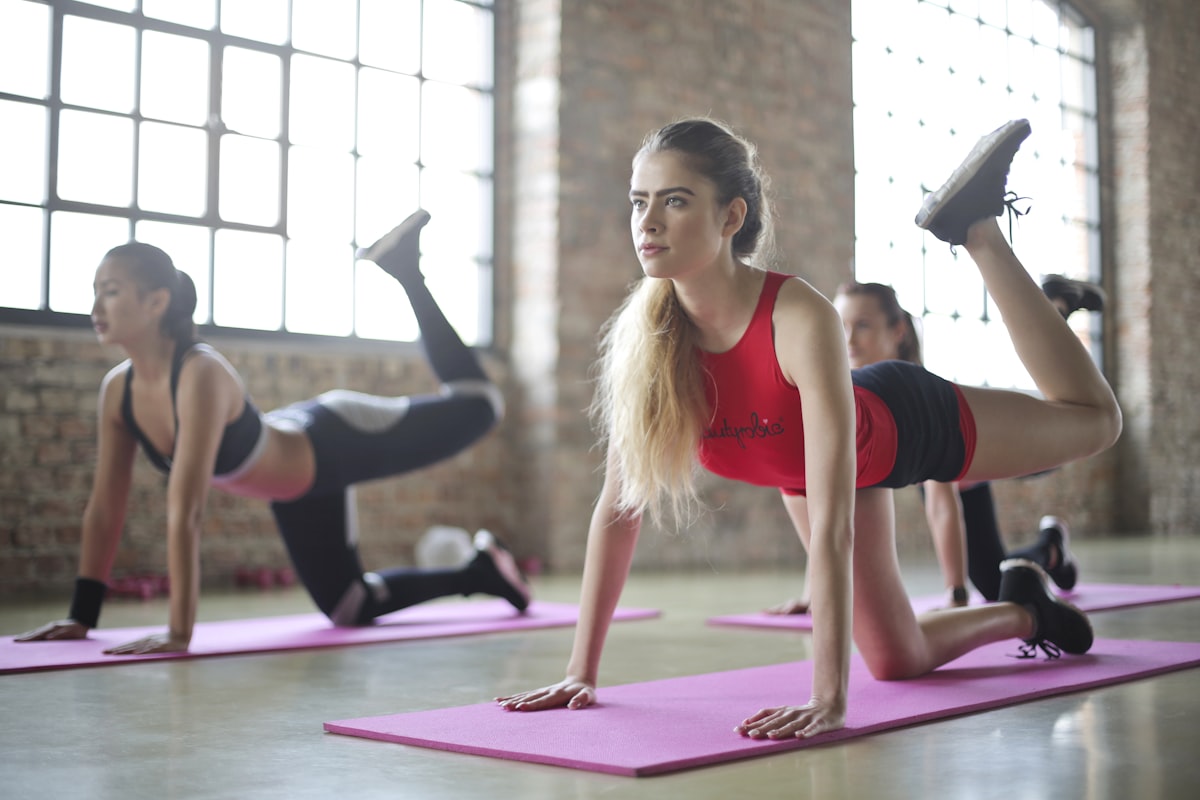
Oestrogen starts climbing, and with it your energy, motivation, and pain tolerance. This is when most women feel their strongest and most capable. Your body recovers faster too, so you can push harder without burning out.
What works best: high-intensity interval training (HIIT), heavy strength training, sprint work, or trying something new like a boxing class. This is your window to chase those PBs. A 2020 meta-analysis in Sports Medicine found that exercise performance may be slightly better during the follicular phase, though individual variation is significant.
Ovulatory Phase (Days 14-16)
Oestrogen peaks around ovulation, and testosterone gets a brief bump too. You’ll likely feel sociable and energetic, making this a great time for group classes, competitive sports, or challenging workouts.
What works best: power-based exercises, plyometrics, group fitness classes, or anything that benefits from high energy. Worth noting – some research suggests ligament laxity may increase around ovulation due to hormonal changes, so warming up properly is extra important.
Luteal Phase (Days 17-28)
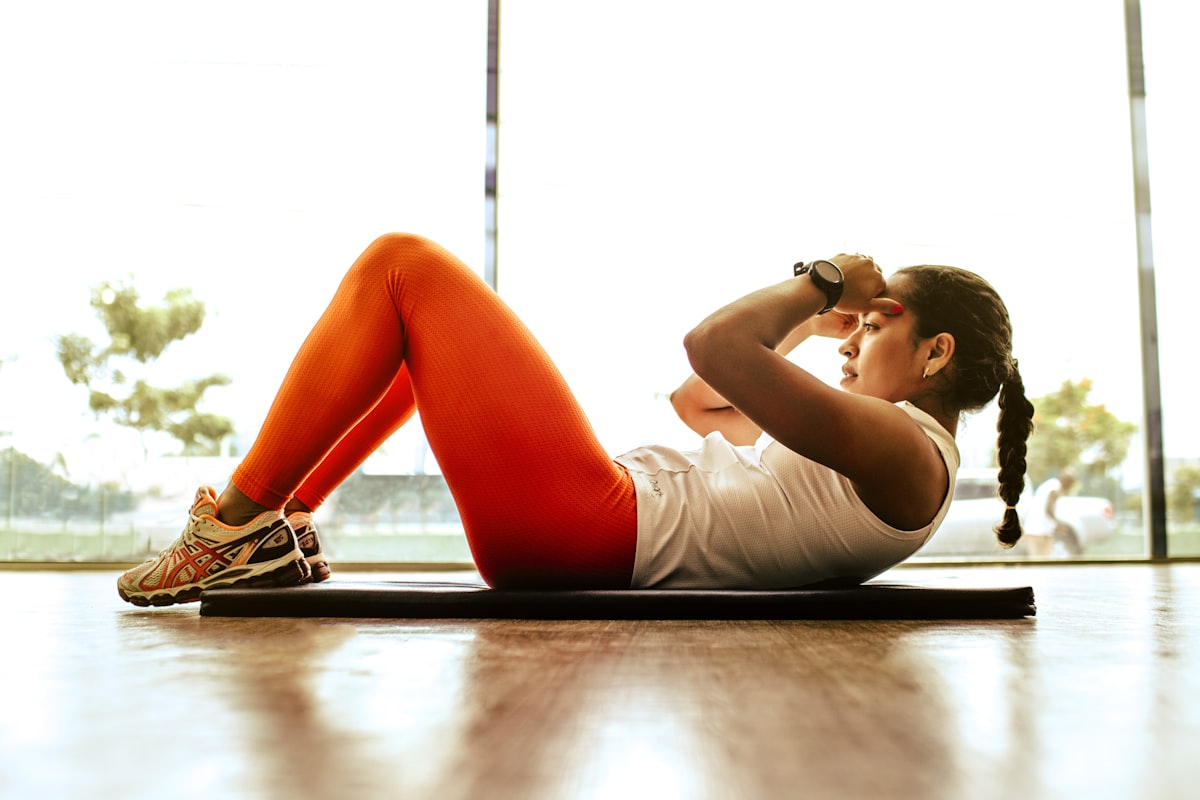
Progesterone rises and oestrogen drops during this phase. You might notice your body temperature is slightly higher, you’re more easily fatigued, and PMS symptoms start creeping in during the late luteal phase. Your body is also using more fat for fuel during this period, which is worth knowing.
What works best: moderate-intensity strength training, steady-state cardio like swimming or cycling, and restorative practices. As the phase progresses, dial things back. There’s no shame in swapping a HIIT session for a long walk – it’s actually the smart thing to do.
Does the Science Back It Up?
The honest answer is: partly. There’s growing evidence that hormonal fluctuations affect exercise performance, recovery, and injury risk. A systematic review in the journal Sports Medicine concluded that exercise performance might be slightly reduced during the early follicular and late luteal phases, though the evidence isn’t yet strong enough to make blanket prescriptions.
The NHS doesn’t currently offer specific guidance on cycle syncing, but it does recommend that women stay active throughout their cycle and adjust intensity based on how they feel – which is essentially what cycle syncing encourages in a more structured way.
What most experts agree on is that awareness matters. Tracking your cycle and noting how you feel during different phases can help you plan training more effectively, avoid overtraining, and reduce frustration when things feel harder than they should.
How to Get Started with Cycle Syncing in the UK
You don’t need an expensive app or a personal trainer to try this. Here’s a practical starting point:
First, track your cycle for two to three months using a free app like Clue or Flo. Note your energy levels, mood, and workout performance alongside your cycle phase. Patterns will start to emerge.
Second, plan your training week loosely around your phase. You don’t need to be rigid – the goal is flexibility, not another set of rules to stress about. If you’re in your luteal phase but feeling great, go ahead and train hard. The framework is a guide, not a prescription.
Third, consider pairing cycle syncing with your nutrition. Increasing iron-rich foods during your period and upping complex carbohydrates in the luteal phase can support energy levels. If you’re already looking into supplements like creatine, understanding your cycle can help you time things better.
And if you’re building healthier daily habits more broadly, syncing your workouts with your cycle fits naturally into a more intentional approach to wellbeing.
Frequently Asked Questions
Can you still exercise during your period?
Yes, absolutely. Exercise during your period is safe and can actually help reduce cramps and improve mood. The key is to match the intensity to your energy levels. Light movement like walking, yoga, or swimming tends to feel best for most women, but if you feel strong enough for a harder session, go for it.
Is cycle syncing workouts only for people who want to lose weight?
Not at all. Cycle syncing is about optimising performance and recovery, regardless of your goal. Whether you’re training for strength, endurance, general fitness, or simply want to feel better during your workouts, adjusting intensity based on your cycle phase can help.
Do cycle syncing workouts work if you’re on hormonal contraception?
Hormonal contraception suppresses the natural hormonal fluctuations that cycle syncing is based on, so the approach doesn’t apply in the same way. If you’re on the pill, implant, or hormonal IUD, you won’t experience the same four-phase pattern. You can still pay attention to how your body feels and adjust training accordingly, but the specific phase-based framework won’t be as relevant.
How long does it take to see results from cycle syncing?
Most women notice improvements in energy, workout enjoyment, and recovery within two to three cycles of consistent tracking. It takes time to learn your own patterns, so give it at least three months before deciding whether it’s working for you.