
K-Beauty UK 2026: The 5 Best Korean Skincare Brands Surging at Boots
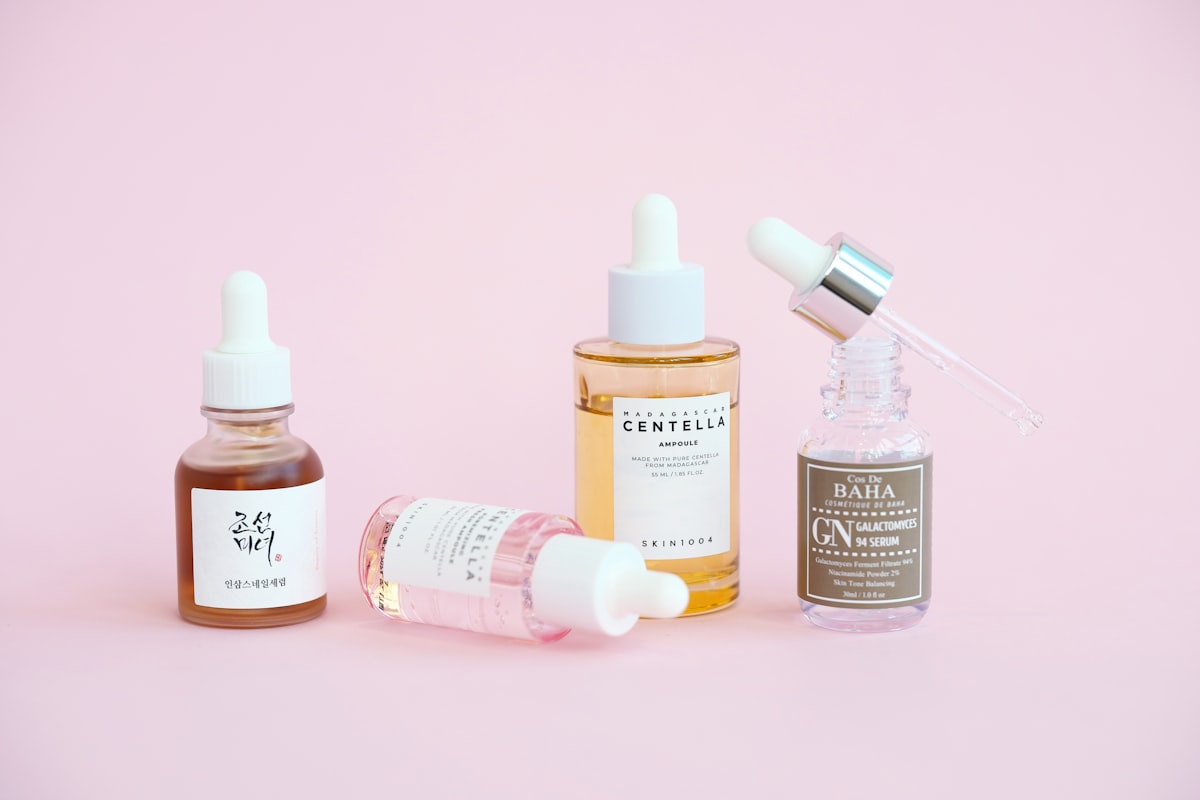
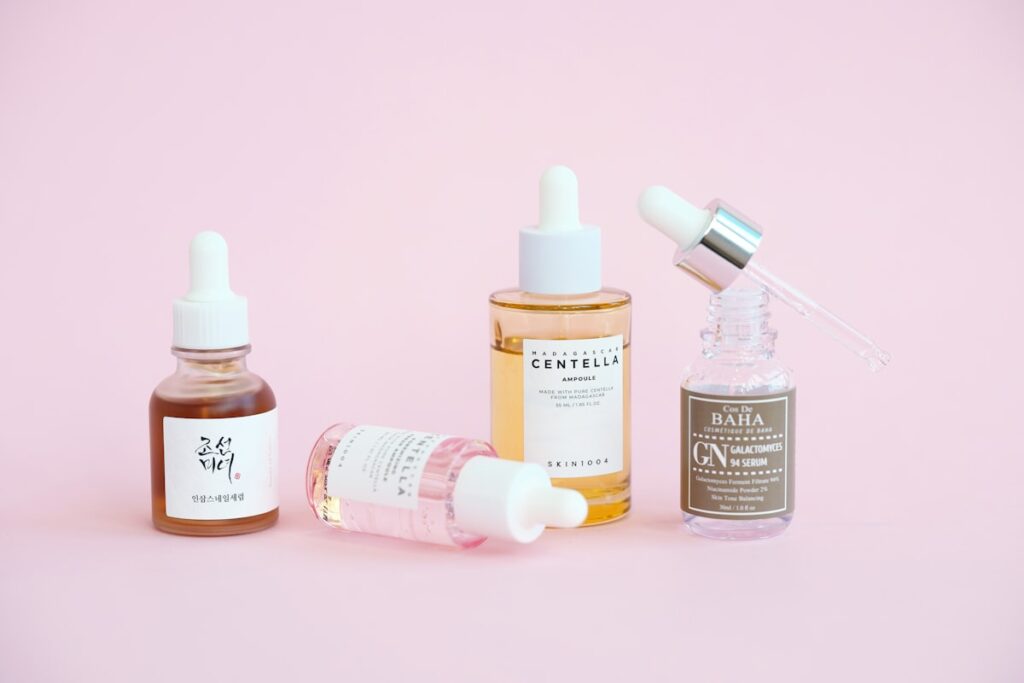
The K-Beauty UK boom is now impossible to miss. Walk into any Boots store in April 2026 and you will notice something that was not there two years ago: an entire aisle dedicated to Korean skincare. Sheet masks from Cosrx sit alongside centella serums from Skin1004, and toners from Beauty of Joseon line the shelves in neat pastel rows. According to new data from Boots, K-Beauty sales at the retailer have increased fivefold in the past year alone, with a Korean skincare product now selling every 11 seconds. One of the newer arrivals riding that wave is PDRN skincare UK – worth watching if you are tracking Korean ingredients that cross over.
In This Article
Those figures come from the Boots 2026 Beauty and Wellness Trends Report, released this month, which draws on purchasing data from more than 17 million Advantage Card holders. The report paints a clear picture: British consumers are not just experimenting with Korean skincare – they are committing to it.
- K-Beauty UK sales grew fivefold at Boots year on year, with one Korean skincare product selling every 11 seconds.
- Cosrx, Beauty of Joseon, Skin1004 and Anua are the four brands driving the biggest share of the surge.
- Ingredient-led formulas, friendly price points and transparent labelling are the three reasons British shoppers keep coming back.
- Superdrug and Space NK are following Boots by expanding their own K-Beauty UK ranges in 2026.
Why K-Beauty UK has taken hold so fast
Korean skincare has had a presence in the UK market for the better part of a decade, but for most of that time it remained a niche interest. Early adopters ordered products from specialist online retailers, navigating unfamiliar ingredient lists and working out multi-step routines from YouTube tutorials. The shift into the mainstream has been gradual, driven by a combination of social media influence, improved accessibility and – perhaps most importantly – results that speak for themselves.
The Korean approach to skincare tends to prioritise prevention over correction. Rather than waiting for problems to appear and then treating them, the philosophy centres on maintaining the skin’s barrier function, keeping it hydrated and protecting it from environmental damage. Ingredients like snail mucin, centella asiatica and fermented rice extract might sound unusual, but they are backed by decades of research in South Korea’s highly competitive beauty industry.
For younger consumers in particular, this approach resonates. A generation that grew up watching skincare routines on TikTok is less interested in heavy foundations and more focused on achieving healthy skin that does not need much coverage. The so-called “glass skin” look – dewy, luminous and almost translucent – remains one of the most searched beauty terms in the UK.
Beyond serums: K-Beauty expands into new categories
What makes the current moment particularly interesting is that K-Beauty is no longer just about skincare. The Boots report highlights a rapid expansion into adjacent categories, including K-Fragrance, K-Haircare and even K-Pharmacy – a term covering functional health and wellness products rooted in Korean formulation principles.
K-Fragrance, for instance, tends to favour lighter, more layered scent profiles than traditional Western perfumery. Rather than a single statement fragrance, Korean brands often offer body mists, hair perfumes and fabric sprays designed to create a subtle, cohesive scent throughout the day. Brands like Tamburins and Nonfiction have begun appearing in UK retailers, appealing to consumers who find conventional perfumes overpowering.
In haircare, the emphasis mirrors the skincare philosophy: scalp health first, styling second. Products like scalp serums, exfoliating shampoos and overnight hair masks draw on the same ingredient science that made K-Beauty skincare so popular. The logic is straightforward – healthy hair starts with a healthy scalp, much as good skin starts with a solid barrier.
The role of ingredient transparency
One factor that consistently comes up when discussing K-Beauty’s appeal is ingredient transparency. K-Beauty UK shoppers have noticed one thing consistently: Korean brands have long been explicit about what goes into their products, often listing hero ingredients prominently on packaging and marketing materials. This aligns with a broader consumer trend that the Boots report quantifies: 71.9 per cent of UK shoppers now say product performance and ingredient quality are the primary drivers of their purchasing decisions.
That figure represents a meaningful shift. For years, the UK beauty market was heavily brand-driven, with consumers loyal to familiar names regardless of formulation. The rise of ingredient-focused shopping – partly fuelled by apps like INCI Decoder, and echoed in updated British Association of Dermatologists guidance on routine simplicity – partly fuelled by apps like INCI Decoder and social media accounts that break down product formulations – has created an environment where Korean brands can compete on substance rather than marketing spend.
Products featuring PDRN (polydeoxyribonucleotide), a regenerative ingredient derived from salmon DNA, are among the latest K-Beauty innovations gaining traction in the UK. Originally used in dermatological treatments in South Korea, PDRN is now appearing in over-the-counter serums and ampoules marketed for skin repair and anti-ageing. Next-generation peptides and fermented extracts continue to be staples of the category.
K-Beauty UK price point and accessibility
Another factor working in K-Beauty’s favour is price. Many of the category’s most popular products sit in the five to fifteen pound range, making them accessible to consumers who might balk at the cost of equivalent Western luxury skincare. A Cosrx snail mucin essence, for example, retails for around twelve pounds – a fraction of what a comparable product from an established Western brand might cost.
This K-Beauty UK affordability has proved particularly important during the cost of living squeeze. Rather than trading down to cheaper products within Western ranges, many consumers have traded across to Korean alternatives that offer comparable or better performance at lower prices. Boots has responded by significantly expanding its K-Beauty shelf space, and competitors including Superdrug and Space NK have followed suit.
What comes next for K-Beauty UK
If the trajectory holds, K-Beauty’s influence on the UK market is likely to deepen rather than plateau. The Boots report suggests that global beauty influences more broadly – from Ayurvedic-inspired Indian beauty (sometimes called I-Beauty) to Scandinavian wellness-focused routines – are reshaping how British consumers think about their daily regimens. But it is K-Beauty that has the strongest commercial momentum.
The expansion into K-Pharmacy is worth watching closely. As wellness and beauty continue to converge – 40 per cent of consumers now consider wellness essential to their beauty routine, according to Boots – products that bridge the gap between skincare and health supplementation could find a ready audience. Korean brands have a head start in this space, having operated at the intersection of beauty and wellness for far longer than most Western competitors.
For now, the numbers tell a simple story. British shoppers are buying Korean skincare at a rate that would have seemed unlikely just a few years ago, and the category shows no signs of slowing down. Whether you are already a convert or still working through your first bottle of essence, K-Beauty’s place on the UK high street looks increasingly permanent.
If devices are more your thing than serums, our roundup of the best LED face masks UK 2026 covers which Korean-style panels are worth the money.
How to shop K-Beauty UK without overbuying
A K-Beauty UK routine can creep from three steps to ten if you let it. Boots’s own Advantage Card data suggests the average K-Beauty UK basket sits at four products, which is a sensible ceiling for most people. Start with a cleanser and a toner from the same family (Beauty of Joseon and Anua both travel well to British skin), add a hero serum for the problem you actually want to solve – hydration, tone or texture – and finish with a sunscreen. A Korean-style fluid SPF is often the single biggest upgrade in a routine, and many of the formulas marketed as K-Beauty UK exclusives now include filters that meet the updated European standards introduced in late 2025.
Two tips the K-Beauty UK crowd tend to share: layer thin to thick, and always patch test for 48 hours on your inner forearm before putting a new active on your face. Korean formulations are usually gentle, but snail mucin, propolis and fermented yeast extracts can trigger reactions for a small slice of users. For a more measured introduction, our guide to bakuchiol serums UK 2026 covers a gentler retinol alternative that sits neatly alongside Korean basics, and our piece on Korean skincare UK’s 7 best products cuts through the noise on what to buy first.
K-Beauty UK: what to try first in 2026
If you are new to K-Beauty UK, the easiest place to start is a simple three-step routine: a gentle cleanser, a hydrating toner, and an ingredient-led serum. Centella asiatica calms redness, snail mucin supports barrier repair, and niacinamide handles uneven tone. For British skin that deals with hard water and a damp climate, these three ingredients quietly outperform the trend-of-the-week. If you want to layer on something more targeted, a peptide or vitamin C serum fits neatly on top of a K-Beauty base – our guides to the best peptide serums UK 2026 and the best vitamin C serums for sensitive skin UK are both good next reads.
The honest take: K-Beauty UK is not a miracle category, it is a well-priced, ingredient-literate one. That is why it keeps growing while other trends fade. Are you tempted to swap one of your current shelf-hoggers for a Cosrx, Beauty of Joseon or Skin1004 alternative this month – and which routine slot would you try first?




Pingback: Best Ectoin Skincare for Sensitive Skin UK 2026
Pingback: Foods for Better Skin UK 2026: Supermarket Staples Worth Eating - Lifestyle Reviewer