Mushroom Coffee Benefits in 2026: One 43-Person Trial, Half the Caffeine – and Who Actually Needs It Before Black Friday
The best-designed human trial behind the mushroom coffee benefits printed on British shelves involved 43 people, mostly students, and found that lion’s mane made them roughly one-twentieth of a second faster at a single colour-naming test. On another test in the same study, it made them slightly worse. That’s the evidence you’re being asked to pay around a pound a cup for, and this Friday, with Black Friday bundles and Christmas gift tins all over Instagram, plenty of people will buy into it.
In This Article
- What's actually in the scoop
- The mushroom coffee benefits on the label, against the trials
- The dose problem nobody puts on the front of the tub
- The caffeine is doing the work, not the mushrooms
- Chaga, reishi and the rest of the blend
- Who should steer clear
- So who actually gets something out of it?
- What I'd do with the Black Friday money instead
I’m not here to sneer at anyone’s morning ritual. I’ve had a tub of the stuff next to my kettle since March. But the gap between what the packets imply and what the trials show is wide enough that it’s worth checking before you add a 120g pouch to the basket.
What’s actually in the scoop
Mushroom coffee isn’t a new type of bean. It’s ordinary ground or instant coffee mixed with powdered mushroom extract, usually lion’s mane, sometimes chaga, reishi, cordyceps or tremella, and often a few extras like maca, ashwagandha or B vitamins to make the label look busier. The Ocado listing for Dirtea’s blend, one of the brands you’ll see most in Britain, gives the ratio plainly: 56% organic coffee, 40% lion’s mane extract, plus maca and a vitamin B complex. One 2.5g scoop, they say, delivers 1,000mg of lion’s mane.
Prices vary a lot. When the Good Housekeeping Institute tested nine brands in January, the range ran from £13 for 10 sachets to £49 for a 120g pouch. If you use 2.5g a cup, that pouch gives you about 48 drinks, so roughly £1 each before any Black Friday discount. A jar of supermarket instant works out at pennies a cup.
So the question isn’t whether it tastes nice (most of it tastes like slightly earthy instant, which is fine). The question is what the extra 90p or so is buying.
The mushroom coffee benefits on the label, against the trials
Most of the marketing leans on lion’s mane, so that’s where the evidence check has to start. The packets talk about focus, clarity and “energy without burnout”. The science behind those claims mostly comes from compounds called hericenones and erinacines, which encourage nerve growth factor in lab dishes and animal studies. That’s a reasonable reason to study the mushroom. It’s not, on its own, a reason to think a scoop in your morning cup changes how your brain works at 11am on a Tuesday.
Human trials are where it gets thin. I found two recent, well-run ones worth reading in full.
The first is the Northumbria University study published in Nutrients in 2023. Researchers gave 41 healthy adults aged 18 to 45 (average age 26) either 1.8g of lion’s mane a day or a placebo for 28 days, and tested them on day one and again at the end. Sixty minutes after the very first dose, the lion’s mane group was faster on the Stroop task, the one where you name the colour of a word that spells a different colour: 688 milliseconds against 738 for placebo. That was the only cognitive measure that improved. Immediate word recall was actually less accurate after lion’s mane, and on delayed recall the placebo group improved more over the month. Global speed and accuracy didn’t shift. On stress, the standard questionnaire showed no difference, and a simpler stress rating came in at p = 0.051, which is a trend rather than a result. The authors, to their credit, said the findings “should be interpreted with caution”.
The second, published in Frontiers in Nutrition in April 2025, gave 18 healthy adults a single 3g dose of a concentrated fruiting-body extract, which the authors say is the equivalent of about 30g of fresh mushroom. Ninety minutes later there was no significant improvement in overall cognition or mood compared with placebo. One pegboard test got better. A Flanker attention test got worse.
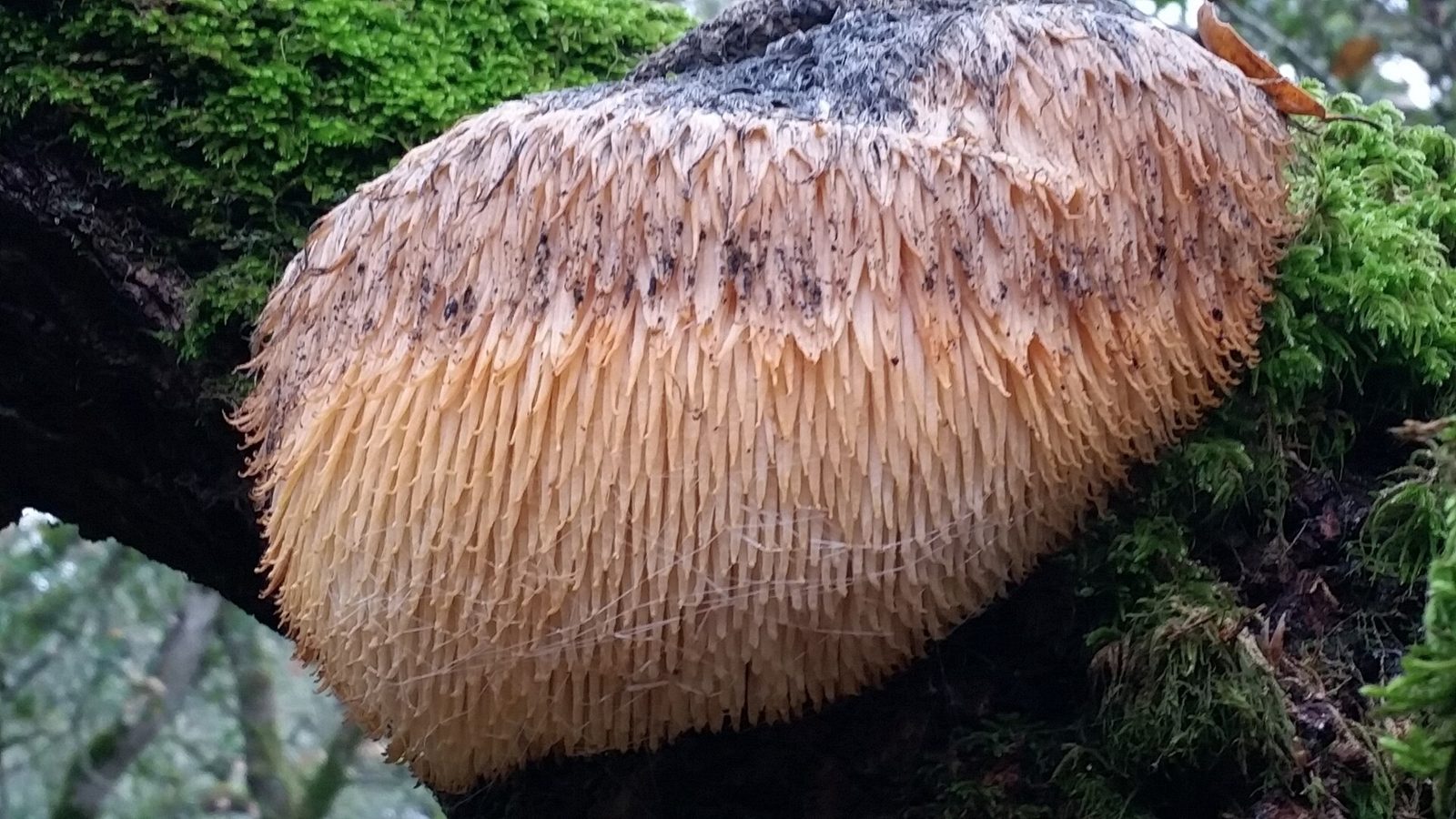
Put those together and you’ve got 59 young, healthy volunteers, a handful of mixed results that pull in opposite directions, and nothing that looks like the steady “clarity” the tubs describe. We covered the wider lion’s mane research back in May, and the honest summary hasn’t moved much: interesting, worth studying, not proven.
The dose problem nobody puts on the front of the tub
Even if you take the Northumbria result at face value, the dose matters. That trial used 1.8g a day, every day, for four weeks.
Dirtea’s 1,000mg per scoop gets you a bit over half of that, so you’d need two cups a day to match it. Other brands are lighter. The US consumer group CSPI looked at one popular blend and found about 290mg of lion’s mane per serving, roughly a sixth of the trial dose. And the Frontiers study used 3g of a 10:1 extract in one go and still found nothing overall, which rather undercuts the idea that a sprinkle in a flat white is doing the heavy lifting.
There’s also the question of which part of the mushroom you’re getting. Some products use the fruiting body (the bit you’d recognise as a mushroom); others grow mycelium on grain, which can leave a lot of starch in the final powder. The Frontiers authors note that UK and EU rules permit fruiting-body lion’s mane extracts in food and supplements but not mycelial preparations, so check the label says fruiting body if you’re buying a UK-sold product. Few brands publish independent testing of what’s in the tub, and as CSPI points out, makers don’t have to disclose their manufacturing process.
The caffeine is doing the work, not the mushrooms
When people tell me mushroom coffee makes them feel calmer and less jittery than normal coffee, I believe them. I just don’t think the mushrooms are the reason.
Most blends cut the coffee with mushroom powder, so you get less caffeine per cup. Rachel Butcher, a registered nutritionist quoted in the Good Housekeeping test, put it plainly: these blends “typically contain around half the amount of caffeine you’d find in a regular coffee”. The NHS puts a mug of instant at about 100mg of caffeine, and the brands GHI tested mostly sat below that: around 50mg for Dirtea and Four Sigmatic, about 40mg for The Protein Works. Halve your caffeine and you’ll feel less wired. You’d get exactly the same effect from mixing your usual coffee half and half with decaf.
And the “low caffeine” promise isn’t even universal. Spacegoods’ Rainbow Dust lists 120mg a serving, which is more than the NHS figure for a mug of instant, and London Nootropics’ Flow Blend says 80 to 110mg. If you’ve switched to mushroom coffee to sleep better, those two won’t help, and our piece on the caffeine cut-off time explains why an afternoon cup can still be in your system at bedtime.
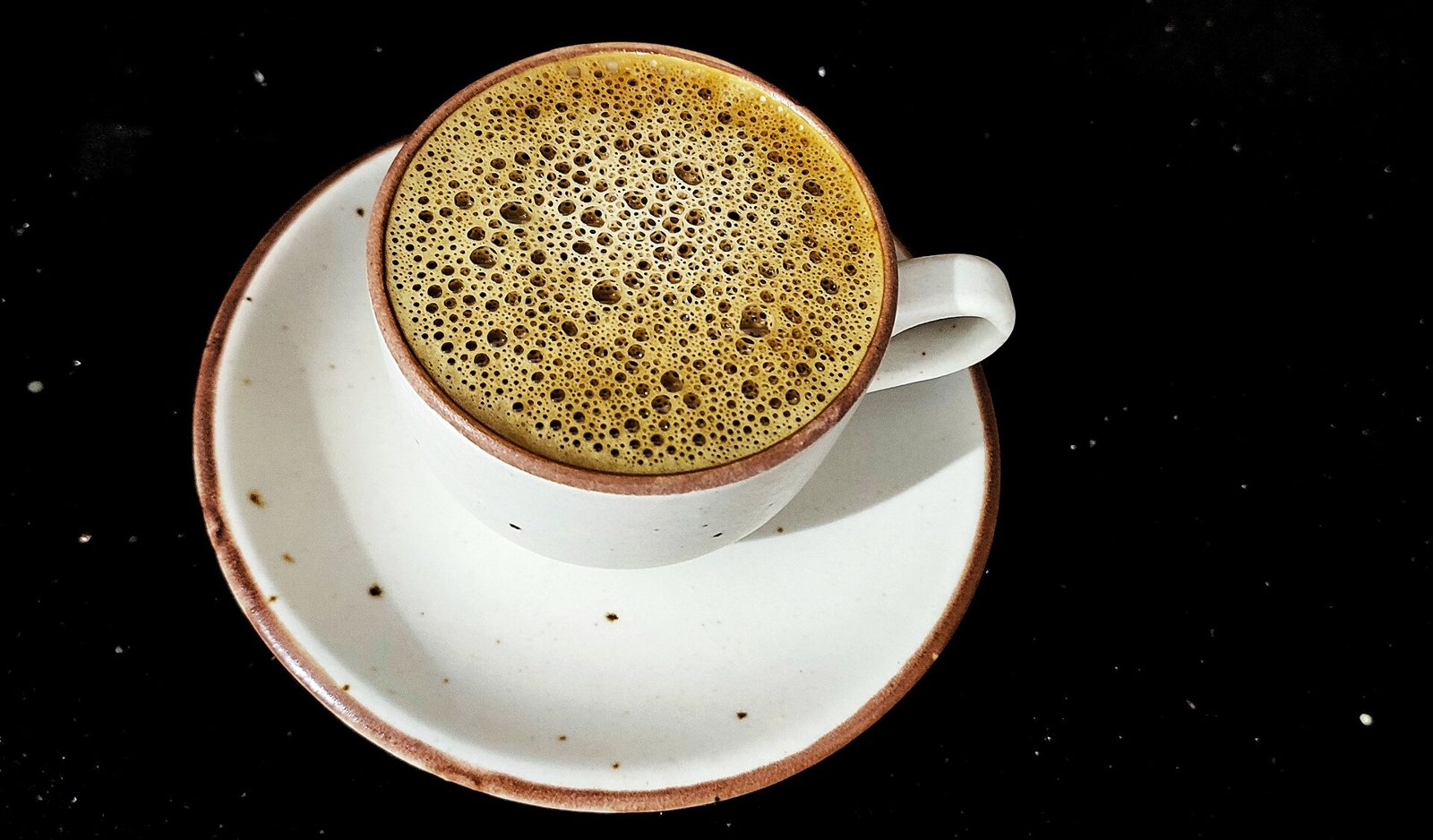
The ritual counts for something too. Paying a pound a cup, scooping a powder with a little wooden spoon and telling yourself it’s good for your brain is a pleasant way to start the day, and expectation is a strong drug. I don’t say that to be dismissive. It’s just that the placebo comes free with the half-caf.
Chaga, reishi and the rest of the blend
Lion’s mane at least has trials you can argue about. The other mushrooms in the “superblends” mostly don’t.
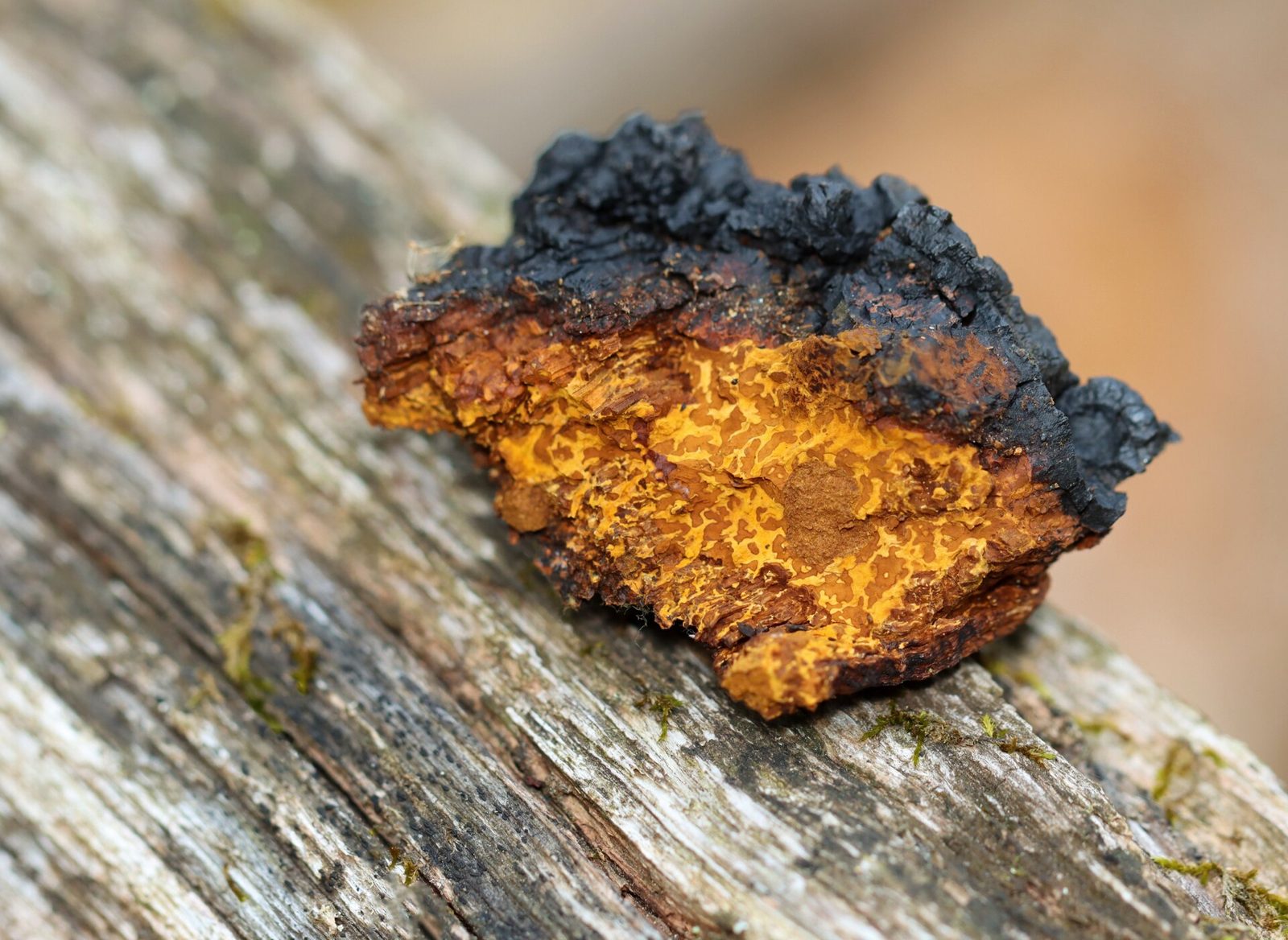
CSPI’s nutrition team went looking for human evidence in 2026 and came back empty-handed on two of the big names. On chaga and brain health, they “couldn’t find a single brain-health trial of chaga in people in a peer-reviewed journal”. On reishi and immunity, they couldn’t find clinical trials testing whether it keeps healthy people from getting ill. That doesn’t mean either mushroom does nothing; it means nobody has shown it in people, which is a different thing from what the packaging implies. If immunity is why you’re buying, our audit of immune-boosting supplements covers the handful of things that have better data.
Ashwagandha and maca pop up in a lot of these blends as well. Adding more ingredients makes the label sound more potent, but in practice it usually means smaller amounts of each one, and you’ve got more things to check if you take any medication.
Who should steer clear
Medicinal mushrooms aren’t inert. A review on News-Medical notes reported cases of liver toxicity linked to heavy reishi use, and warns that medicinal mushrooms can interact with blood thinners, immunosuppressants and diabetes drugs. If you take any of those, talk to your pharmacist before you start a daily habit, and don’t assume a powder in a coffee is too small a dose to matter.
Pregnancy is the other group worth flagging. The NHS caps caffeine at 200mg a day in pregnancy, and some people switch to mushroom coffee thinking it’s caffeine-free. It isn’t. A couple of cups of the higher-caffeine brands would take you most of the way to the limit, and there’s very little safety data on concentrated mushroom extracts in pregnancy at all. Plain decaf is the boring, better choice.
Anyone with a mushroom allergy should obviously skip it. And if you’re already layering supplements (a magnesium at night, a nootropic in the morning, maybe one of the newer biohacking drops like methylene blue), it’s worth asking how many of those you could actually justify with a trial.
So who actually gets something out of it?
There is a group for whom mushroom coffee makes sense, and I’d be unfair to pretend otherwise. If you drink four or five strong coffees a day, feel jittery or anxious by mid-afternoon, and have tried decaf and hated it, a lower-caffeine blend that still tastes like coffee can be a useful halfway house. Some people find the slightly savoury, malty taste of the mushroom powder makes the drop in caffeine easier to live with than a straight swap to decaf. If it gets you from 400mg a day down to 200mg and you sleep better, that’s a real result.
But you’re paying for a caffeine reduction, not a brain upgrade. Go in knowing that.
And if that’s the goal, you can test it for almost nothing. Mix your normal coffee 50:50 with decaf for a fortnight. If you feel the same benefits people describe from mushroom coffee, you’ve got your answer and saved around £20 a month. If you do want to try a mushroom blend anyway, pick one that lists caffeine per serving on the pack, states fruiting body rather than mycelium, and gives a lion’s mane dose in milligrams rather than hiding it in a “proprietary blend”.
What I’d do with the Black Friday money instead
Black Friday lands on 27 November this year, and a lot of wellness brands use it to shift subscription bundles: a pouch, a frother, a branded mug, 30% off if you sign up for monthly deliveries. That’s the bit I’d be wariest of. A discount on something you’d have bought anyway is a saving. A discount that locks you into £30 a month for a drink you’re not sure about is a bit of a faff to cancel in February.
If you want to spend £40 on feeling sharper this winter, the better-evidenced options are dull: a decent daylight walk before 10am, fewer late coffees, and the sleep basics we’ve covered in our look at magnesium for sleep. None of them come in a nice tin. Most of them are free.
My own tub, for what it’s worth, will get finished. It tastes fine, and I like having one cup that won’t keep me up. I just won’t be reordering at £49 when a half-caf bag from the supermarket does the same job.
Have you switched to mushroom coffee, and if so, could you honestly tell whether it was the mushrooms or the lower caffeine that made the difference?
Sources include Docherty et al., Nutrients (2023); Surendran et al., Frontiers in Nutrition (2025); NHS pregnancy guidance; and the Good Housekeeping Institute’s January 2026 mushroom coffee test. This article is for general information and isn’t a substitute for advice from your GP or pharmacist.