
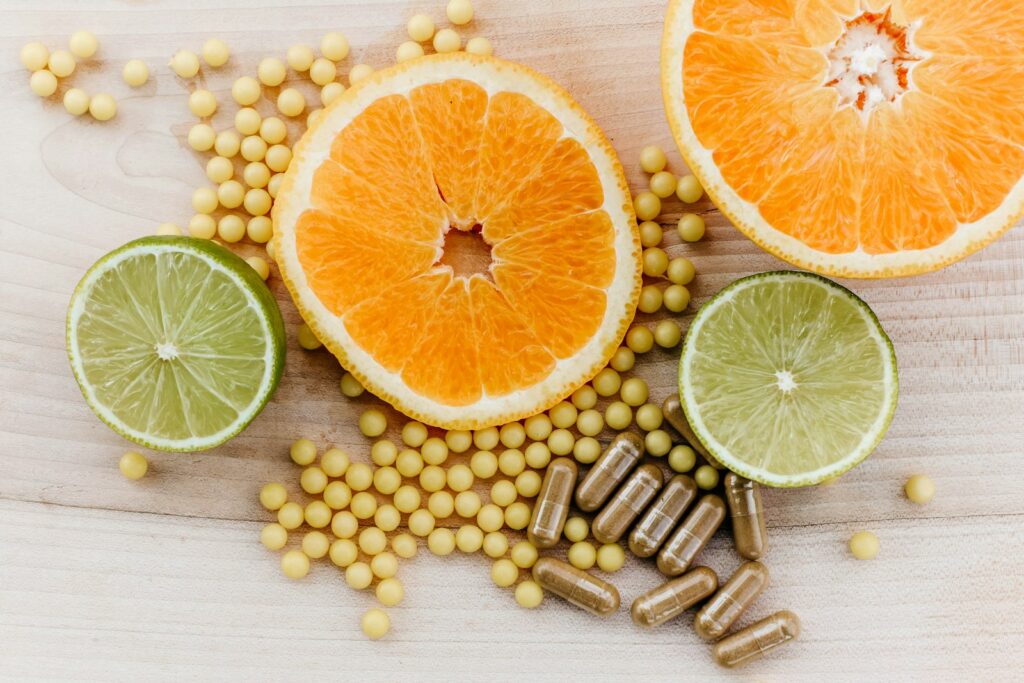
Schools Go Back, Colds Move In: An Honest Audit of Immune-Boosting Supplements for Autumn 2026
Three weeks from now, half your office will be sniffing. That’s not pessimism, it’s epidemiology: rhinovirus infections surge in Britain every September, usually within a fortnight of the school gates reopening, as millions of children swap paddling pools for classrooms and bring home viruses with impressive efficiency.
In This Article
- Why late September is Britain's sneeziest fortnight
- Vitamin C: a supplement for marathon runners, sold to commuters
- Zinc: the closest thing to a yes, with two big catches
- Echinacea, elderberry and the theatre of defence
- The £30-a-month maths
- Where immune-boosting supplements actually earn their keep
- The free stuff that outperforms the aisle
So this feels like the right week to put immune-boosting supplements through a proper audit. Vitamin C, zinc, echinacea, elderberry and the rest of the fizzing orange economy will now run hard until March, and the shelf labelled “immune support” in your local Boots is about to get very busy indeed. Some of what’s on it has genuine evidence behind it. Most of it doesn’t. And the two things that demonstrably cut your odds of spending October horizontal cost almost nothing.
Why late September is Britain’s sneeziest fortnight
There are more than 200 viruses that cause the common cold, and rhinoviruses – the most common culprits – have a well-documented back-to-school spike. It isn’t the weather. Colds rise in autumn mostly because we start spending more time indoors, close together, and because schools are unrivalled virus-exchange programmes. One primary-school classroom in the third week of September does more for viral transmission than any commuter train.
Adults typically catch two to four colds a year. Primary-age children manage roughly double that, which is why parents of reception-year kids describe their first autumn term as one long, merged illness with occasional gaps.
The universities pile in a few weeks later. Freshers’ flu – which is rarely flu and usually a cocktail of rhinoviruses meeting 5,000 immune systems from 5,000 different postcodes – lands in late September, and by mid-October the whole country is one big shared petri dish. None of this is new, and none of it is a crisis. It’s just the annual timetable, and it’s worth knowing because the marketing calendar is built directly on top of it.
The supplement industry knows all this, and its September shelf rotation is as reliable as the leaves turning. But the NHS position on that shelf is blunter than the packaging: there’s little evidence that supplements such as vitamin C prevent colds or help you recover faster. That’s the official line from the people who run the health service, printed nowhere on the tubes of effervescent tablets sold on exactly that promise.

Vitamin C: a supplement for marathon runners, sold to commuters
The vitamin C story starts with Linus Pauling, the Nobel-winning chemist whose 1970 book Vitamin C and the Common Cold convinced a generation to take megadoses. Pauling was brilliant, persuasive and, on this topic, wrong – but the belief he planted has outlived five decades of contrary evidence and still shifts millions of tubes of Berocca every winter.
The definitive word comes from the Cochrane review of vitamin C for the common cold, which pooled trials covering more than 11,000 people. Regular daily supplementation did not reduce the number of colds in the general population. Not by a little – the pooled risk ratio was 0.97, which is statistical shorthand for “nothing happening”.
Duration is slightly kinder. Take vitamin C every single day, all winter, and your colds shorten by about 8% as an adult. On a seven-day cold, that’s around half a day. You’d be paying every day from now until March to feel better on a Thursday afternoon rather than a Friday morning. And the popular version – starting a high dose once the sore throat arrives – showed no consistent effect at all in the same review. That’s the one finding worth taping to the medicine cabinet, because it’s precisely how most of Britain uses the stuff.
There is one genuine exception. In a subgroup of trials covering 642 marathon runners, skiers and soldiers on sub-arctic exercises, regular vitamin C roughly halved the risk of catching a cold. If your training block involves prolonged, brutal physical stress, there’s a real case. If your heaviest weekly exertion is the stairs at London Bridge, there isn’t.
Zinc: the closest thing to a yes, with two big catches
Zinc is the one the evidence-minded keep an eye on, and it’s had a genuine update: a 2024 Cochrane review of 34 trials covering around 8,500 people found that zinc, taken once symptoms start, may shorten a cold by about two days.
Two days isn’t nothing. Two days is the difference between missing one meeting and missing a week.
But the catches matter. First, the authors rated the evidence low-certainty – the trials disagree with each other, the doses and formats vary wildly, and the true effect could be much smaller. Second, zinc does next to nothing for prevention: taking it daily didn’t meaningfully reduce how many colds people caught. It’s a treatment gamble, not a shield. And it’s not a free gamble either – zinc lozenges taste like sucking a battery, and nausea and stomach upset were common enough in trials to be listed as real trade-offs.
Format matters more than the adverts admit, too. The trials that showed an effect mostly used lozenges – gluconate or acetate – dissolved slowly in the mouth and repeated every few waking hours from the first day of symptoms, which is a much bigger commitment than the one-a-day zinc tablet sitting in most multivitamins. A swallowed capsule taken on day three of a cold isn’t what was tested. If you’re going to try zinc at all, try it the way the studies did or save your money.
One firm rule: keep zinc away from your nose. Zinc nasal sprays were pulled from the American market in 2009 after users reported losing their sense of smell, in some cases permanently. Lozenges or nothing. (The same label-versus-trial gap runs through fish oil supplements, where the dose that works is a prescription one.)
Echinacea, elderberry and the theatre of defence
Now for the rest of the shelf, which is where the September money mostly goes.
Echinacea has been trialled for decades, and the results refuse to add up to anything dependable. Different plant species, different parts of the plant, different extraction methods – the products vary so much that even the encouraging trials can’t be generalised to whatever’s in the purple box in front of you. If fifty years of studies can’t find a consistent effect, the effect is either absent or too small to buy.
Elderberry rests on a handful of small trials, none big enough to settle anything, and the black-cherry-flavoured gummies built on them are best understood as sweets with a press release. First Defence and its imitators – the nasal sprays claiming to “trap and remove” viruses at first tingle – sit in the same category for me: the ritual feels productive, which is exactly what you’re paying for. It’s the same pattern we found when we priced up greens powders in July: a kernel of plausible-sounding science, wrapped in a claim no trial has actually cashed.
Vitamin C sachets and effervescent multivitamin tubes deserve a special mention here, because they’ve pulled off the neatest trick on the shelf: taking the supplement with the weakest seasonal case and making it the category’s bestseller through sheer fizz. There’s something about dropping a tablet into water and watching it dissolve that feels medicinal in a way swallowing a pill doesn’t. That’s stagecraft, and it’s very good stagecraft. It’s still an orange-flavoured drink.
And it’s worth saying plainly that the phrase itself is the con. You can’t “boost” an immune system with a gummy, and you wouldn’t want to – an immune system genuinely running hot is called an allergy, or an autoimmune condition. Nobody wants boosted. What you want is an immune system that isn’t being actively undermined, which is a much less marketable sentence.
The £30-a-month maths
Price the ritual up honestly and the numbers get uncomfortable. A tube of branded effervescent vitamin C runs about £8.50 for 20 in Boots. First Defence is around £8 a bottle. Elderberry gummies work out near £15 a month. Add a box of echinacea drops and a committed household is spending £30-40 a month on cold season, every month, from September to March – call it £200 a winter on products that a health service with every incentive to keep you at your desk declines to recommend.
Against that: 90 generic vitamin D tablets cost about £2.50, a supermarket flu jab is under £20 if you don’t qualify for a free one, and a bar of soap is a bar of soap. The gap between what the evidence supports and what the shelf charges has rarely been this wide in any category we cover. Skincare gets close. This is worse.
Where immune-boosting supplements actually earn their keep
None of this means the supplement aisle is entirely decorative. It means the winners are boring.
Vitamin D is the strongest case in the building, and it’s a seasonal one: the NHS advises everyone in the UK to consider 10 micrograms a day from October to March, because British sunlight simply doesn’t deliver it in winter. The evidence on respiratory infections is modest and messiest for people who already have decent levels – we went through the surprisingly tangled trial data in our vitamin D in winter piece last week – but at 3p a tablet, it’s the one autumn supplement with official backing. The case is strongest for the people most likely to be low in the first place: anyone who spends most of the day indoors, older people, people with darker skin, and anyone who covers most of their skin when outside. Buy the generic. The £25 “immunity complex” delivering the same 10 micrograms alongside some zinc and a rosehip garnish is the same product with better graphic design.
Zinc lozenges earn a conditional place too, if you go in with open eyes: start within a day of symptoms, accept the taste, and understand you’re betting on low-certainty evidence for a shorter cold, not a prevented one. Once the cold has actually arrived the pharmacy shelf is a different argument, and we put six cold and flu remedies up against the trials separately.
Beyond that, supplements make sense when they’re correcting an actual deficiency – diagnosed iron or B12 shortfalls, restricted diets, medical advice. That’s not “immune boosting”. That’s just treatment, and it’s the version that works. The same test applies to collagen supplements, where the industry-funded trials say yes and the independent ones mostly don’t. The same logic applies to the live-culture shelf: our audit of whether probiotics actually work found four groups the evidence backs and a £150 course everyone else can skip.

The free stuff that outperforms the aisle
Here’s the comparison the supplement shelf never invites. In 2015, researchers at the University of California sprayed live rhinovirus up the noses of 164 healthy volunteers whose sleep they’d tracked for a week. Those who’d slept less than six hours a night were 4.2 times more likely to develop a cold than those getting seven or more. No supplement on any shelf, at any price, has ever produced an effect within shouting distance of that. Sleep is the closest thing cold season has to a cheat code, and it’s free, and nobody can sell it to you, which is why you’ll never see it on a poster in a pharmacy window.
The flu jab is the other quiet outperformer – the one product in this entire piece that literally trains your immune system against a specific threat. It’s free on the NHS for over-65s, pregnant women, young children and people with certain conditions, and cheap enough at supermarket pharmacies for everyone else. Most primary-school children in England get offered the nasal spray version at school each autumn – the consent form is probably already crumpled at the bottom of a book bag near you. Flu isn’t a bad cold; it’s the thing that makes a bad cold look like a rounding error, and it’s the one infection on this page you can do something meaningful about in October.
Handwashing remains unfashionable and effective, since rhinoviruses spread happily via hands and surfaces. Regular moderate exercise is consistently associated with fewer respiratory infections. And if you’re doing Sober September anyway, you’ve accidentally stacked the deck: alcohol is a reliable wrecker of exactly the deep sleep that UCSF study was measuring.
Add it up and the honest autumn protocol costs under a fiver: generic vitamin D from October, a flu jab if you qualify, an earlier bedtime, and soap. Everything else on the shelf is somewhere between a small maybe (zinc), a specialist tool sold to the wrong people (vitamin C), and a herb with better marketing than data.
The sniffles are coming either way; the only question is what you’ll change before they arrive. So which is it – the supplement order, or the bedtime?
The one supplement with a clear case for most Britons is covered in our vitamin D guide for autumn.