
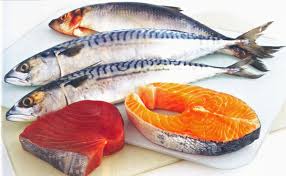
Oily Fish Health Benefits: Why You Should Be Eating More Salmon, Mackerel, and Sardines
Oily Fish Health Benefits: The Nutrition Powerhouse
The oily fish health benefits are backed by decades of research, yet most Brits eat far less than recommended. The NHS suggests at least two portions of fish per week, including one of oily fish. Most of us fall well short.
In This Article
- Oily Fish Health Benefits: The Nutrition Powerhouse
- In This Article
- What Makes Oily Fish Special
- Heart Health
- Brain Function
- Mental Health
- Best Oily Fish to Eat
- Easy Ways to Eat More Fish
- Sustainability
- Frequently Asked Questions
- How much oily fish should I eat weekly?
- Can I get omega-3 from supplements instead?
- Is there a mercury risk from eating fish?
- What if I do not like the taste of fish?
Understanding the specific oily fish health benefits and how to incorporate them into your diet makes hitting that target much easier.
In This Article
- What makes oily fish special nutritionally
- Specific health benefits by condition
- Best oily fish to eat
- Easy ways to eat more fish
- Sustainability considerations
What Makes Oily Fish Special
Oily fish contain high levels of omega-3 fatty acids, specifically EPA and DHA. These essential fats cannot be produced by the body and must come from diet. No other common food source provides them as efficiently.
Beyond omega-3, oily fish delivers high-quality protein, vitamin D, selenium, and B vitamins in every portion. This nutritional density makes it one of the most valuable foods available, and it is one of the central items on any sensible list of foods for better skin UK supermarkets stock.
Heart Health
Omega-3 fatty acids reduce triglyceride levels, lower blood pressure, and decrease inflammation in blood vessels. Regular consumption is associated with a 15-20% reduction in cardiovascular disease risk.
The anti-inflammatory properties of EPA and DHA help prevent arterial plaque formation. This protective effect is most significant when fish consumption is consistent over years rather than sporadic.
Brain Function
DHA is a major structural component of brain tissue. Adequate intake supports cognitive function, memory, and concentration. Research links regular fish consumption with slower age-related cognitive decline.
During pregnancy, maternal omega-3 intake directly affects foetal brain development. The NHS recommends pregnant women eat oily fish, though with guidance on types and portions to avoid excess mercury exposure.
Mental Health
Studies consistently link higher fish consumption with lower rates of depression. The mechanism involves omega-3’s role in neurotransmitter function and brain inflammation reduction.
While fish alone does not treat clinical depression, it forms part of a dietary pattern that supports mental wellbeing alongside exercise, sleep, and social connection.
Best Oily Fish to Eat
Salmon is the most popular and widely available option. It is versatile, mild-flavoured, and works in everything from salads to pasta to simple baked fillets with vegetables.
Mackerel is more affordable than salmon and exceptionally rich in omega-3. Smoked mackerel requires no cooking and makes an excellent quick lunch on toast or in a salad.
Sardines are the budget champion. Tinned sardines on toast provide a complete, nutritious meal for under £1. They are also one of the most sustainable fish choices available.
Trout offers a milder flavour than salmon at a lower price point. It is farmed extensively in the UK, supporting local food systems.
Easy Ways to Eat More Fish
Keep tinned fish in your cupboard. Tinned salmon, sardines, and mackerel are nutritionally comparable to fresh and require zero preparation. Add them to pasta, salads, or simply eat on toast – or pair with seasonal greens like our British asparagus recipes for spring 2026.
Try smoked fish for breakfast. Smoked salmon or mackerel with scrambled eggs takes five minutes and starts the day with high-quality protein and omega-3.
Batch cook fish-based meals on weekends. Fish pie, salmon fishcakes, and mackerel pate all freeze well and provide quick weeknight options.
Sushi and sashimi count toward your fish intake. Restaurant or supermarket sushi is an easy way to consume oily fish without cooking at all.
Sustainability
Choose MSC-certified fish where possible. The blue MSC label indicates the fish comes from a sustainably managed fishery. Most UK supermarkets stock MSC-certified options.
Farmed salmon from responsible sources is a reasonable choice. Scottish salmon farms operate under strict environmental regulations. Look for RSPCA Assured or ASC certification for additional assurance.
Smaller fish like sardines and anchovies are inherently more sustainable. They reproduce faster, exist in larger populations, and require less energy to harvest than larger species.
Frequently Asked Questions
How much oily fish should I eat weekly?
The NHS recommends at least one portion of oily fish per week, approximately 140 grams. Two portions provide even greater health benefits.
Can I get omega-3 from supplements instead?
Supplements provide omega-3 but miss the other nutritional benefits of whole fish including protein, vitamin D, and selenium. Whole food sources are preferable where possible. If you are already looking at supplements for sleep or recovery, see our testing of the best magnesium supplements UK 2026.
Is there a mercury risk from eating fish?
Most oily fish contain low mercury levels. Pregnant women should limit oily fish to two portions weekly as a precaution. Shark, swordfish, and marlin should be avoided entirely during pregnancy.
What if I do not like the taste of fish?
Start with milder varieties like trout or salmon, which have less intense fishy flavour. Strong sauces and marinades can mask fishiness while you develop a taste for it.
Read more nutrition and health guides on our site. For sustainable personal care, explore Wild’s eco-friendly range.




Pingback: Foods for Better Skin UK 2026: Supermarket Staples Worth Eating - Lifestyle Reviewer