Sofa Bed Under £500 for Christmas Guests: Why the £449 Day-Bed Beats Most Click-Clacks, and the Topper That Matters More Than the Frame
Most people shopping for a sofa bed under £500 this month are about to spend their money on the wrong half of the product. They’ll compare fabrics, arm shapes and how the thing looks against the living room wall, then discover on 23 December that their mother-in-law is sleeping on what amounts to two seat cushions and a hinge. The sofa is the part you see. The mattress is the part your guests remember.
In This Article
- What a sofa bed under £500 actually buys you in 2026
- The models worth shortlisting, and the ones I'd skip
- Why a day-bed is the best sofa bed under £500 for most guest rooms
- The £40 fix that matters more than the frame
- Measure the room twice, the doorway three times
- Timing, Black Friday and the Christmas delivery squeeze
- Small double, big compromises: who should buy what
So this guide starts from the bed and works backwards. I’ve been through the current under-£500 options at IKEA, Habitat, Next and Dunelm, read what the people who actually test these things found, and come out with an opinion that won’t please the furniture showrooms: for a lot of households, the best sofa bed under £500 isn’t a sofa bed at all.
What a sofa bed under £500 actually buys you in 2026
Let’s be clear about the money first. According to Which?’s sofa bed buying guide, IKEA’s sofa beds typically cost £400 to £900, most Habitat models sit between £500 and £1,000, John Lewis starts around £500 and DFS’s cheapest click-clack is about £600. Dunelm’s range starts at roughly £150 for click-clacks and futons. Under £500, then, you’re shopping at the bottom of almost every retailer’s range, and that has consequences.
The biggest is the mechanism. At this price nearly everything is a click-clack: the back folds flat to meet the seat, and the upholstery you sat on all evening becomes the mattress. Pull-out models, where a separate mattress lives folded inside the frame, mostly start well above £500. Which? describes click-clacks as the cheapest and most compact type, but “slightly thinner and less comfortable”, and warns they can be creaky. That last bit is true of every cheap one I’ve ever sat on. You’ll hear it at 2am when your guest rolls over.
Mattress depth is the other number to look for, and retailers are oddly shy about printing it. Which? puts the typical sofa bed mattress at 10 to 13cm. Ideal Home’s testers say 6 to 12cm, against roughly 25cm for a normal bed. Either way, you’re getting half a mattress or less. If a listing doesn’t give the depth, assume it’s at the thin end.
And check the sleeping area. Ideal Home makes the point that a lot of sofa beds sold as doubles only give you small-double space. A UK small double is 120 x 190cm; a double is 135 x 190cm. Fifteen centimetres doesn’t sound much until two adults are sharing it.
The models worth shortlisting, and the ones I’d skip
Here’s where the under-£500 market stands this November, with prices as listed on the retailers’ sites and in recent independent tests. Prices move around Black Friday (27 November this year), so treat these as the starting point rather than the deal.
Habitat Kota 3-seater, from £375. Ideal Home named this its best sofa bed under £500. It’s a click-clack with a 123 x 189cm sleeping area, which is a proper small double. The catch, from their own review: it’s firm, the base is visible from the back and sides, and the tester said they’d want a mattress topper. That’s an honest assessment and it matches the category. For the money, it’s the sensible default.
Next Otis boucle sofa bed, £475. Woman & Home called it one of the best-value options they tested, and standard double sheets fit it neatly, which matters more than people think. It’s another firm one, and again the reviewer would add a topper. You’re paying about £100 more than the Kota for the boucle look. Fine if it’s going in a room people see every day; harder to justify in a spare room.
IKEA Älvdalen 3-seat, £499. Right on the cap, rated 4.3 out of 5 from more than 400 customer reviews on IKEA’s site. It’s a well-reviewed all-rounder and IKEA’s 365-day return window is a real advantage if you’re buying something you won’t properly test until a guest sleeps on it.
IKEA Lycksele Murbo 2-seat, £349. The best-rated of IKEA’s cheap sofa beds at 4.5 stars, and it’s been around for years for a reason. It’s a two-seater, so think about who’s sleeping on it.
Dunelm small double, £299. Woman & Home looked at it and left it off their main list, describing it only as compact. That’s not a recommendation. I’d only buy it for a box room where space is the whole problem.
Now the ones I’d skip. The IKEA Hammarn at £89 is a firm, thin fold-down that’s fine for a teenager’s mate after a party and miserable for anyone over 40. The Fridhult at £279 has a 3.2-star rating on IKEA’s own site, which is about as clear a warning as a retailer will ever publish about its own product.
But the one I’d push back on hardest is the Friheten. It’s the sofa bed everyone recommends, the one you’ll see in half the rented flats in Britain, and it’s now £599 in Skiftebo and £649 in Faringe. That’s above the cap, and the reviews on IKEA’s own page include a steady stream of complaints about the seats sagging. The built-in storage is handy and the 144 x 199cm bed is generous. But at £649 it isn’t the bargain its reputation suggests, and I’d rather have a Kota plus a good topper with change to spare.
Why a day-bed is the best sofa bed under £500 for most guest rooms
This is the contrarian bit, and I’ll stand by it.
If your “sofa bed” is going in a spare room or a study rather than the main living room, stop looking at sofa beds. Look at day-beds. IKEA’s Hemnes day-bed with three drawers and two mattresses is £449 at the moment (down from £499), and the Brimnes version is £399. Both come with actual foam mattresses rather than seat cushions, both sleep at a normal height, and the Hemnes pulls out to sleep two. The drawers underneath swallow a duvet, two pillows and a spare set of sheets, so the bedding stops living in the airing cupboard.
The difference matters because a click-clack is a compromise designed to be a sofa first. Its foam has to be firm enough to sit on upright for three hours of Strictly, and that same firmness is what every tester complains about when they lie down on it. A day-bed reverses the priorities: it’s a bed that you can sit on. For a room that gets guests a few weekends a year and otherwise hosts a laptop and a laundry pile, that’s the right way round.
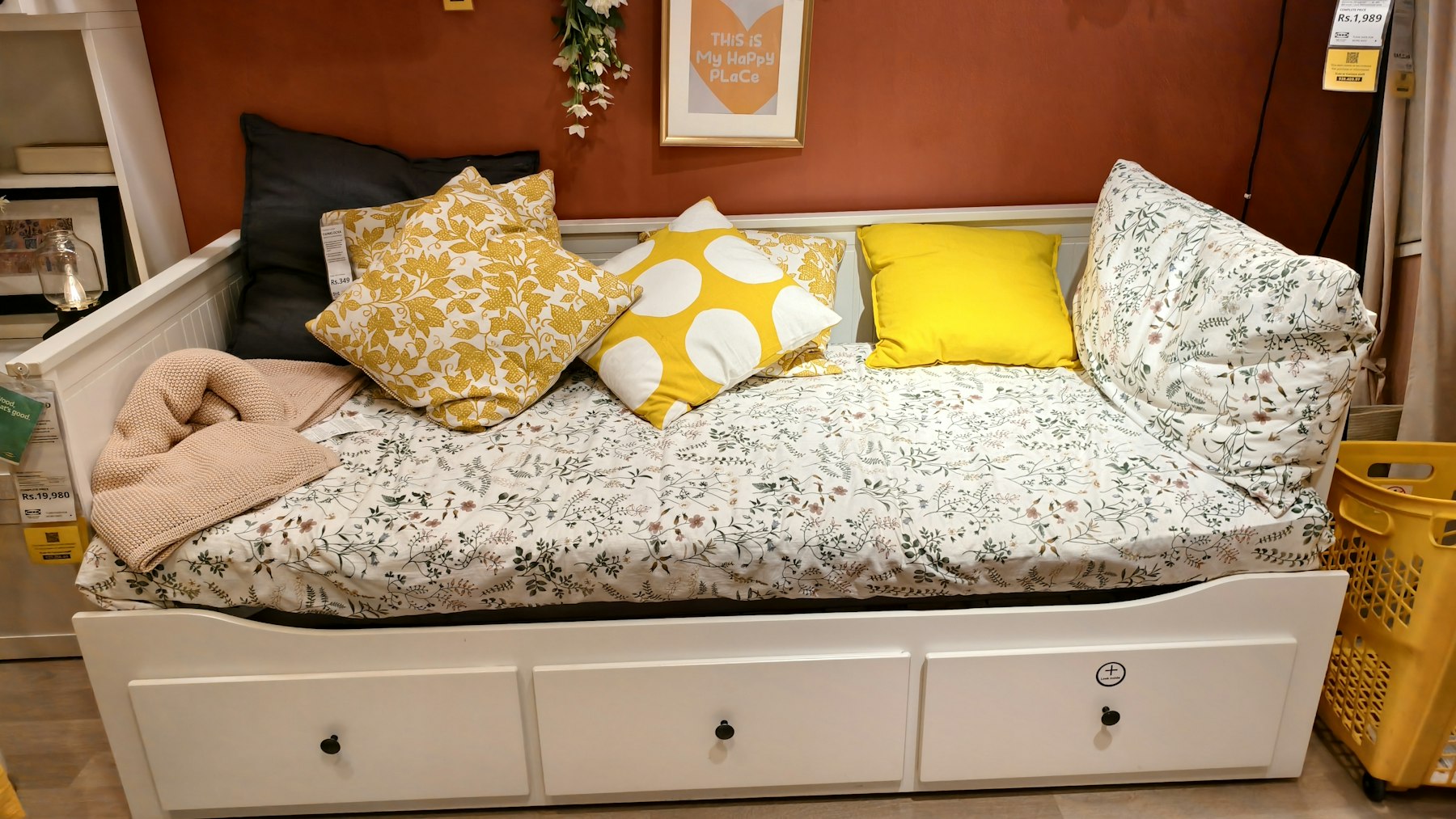
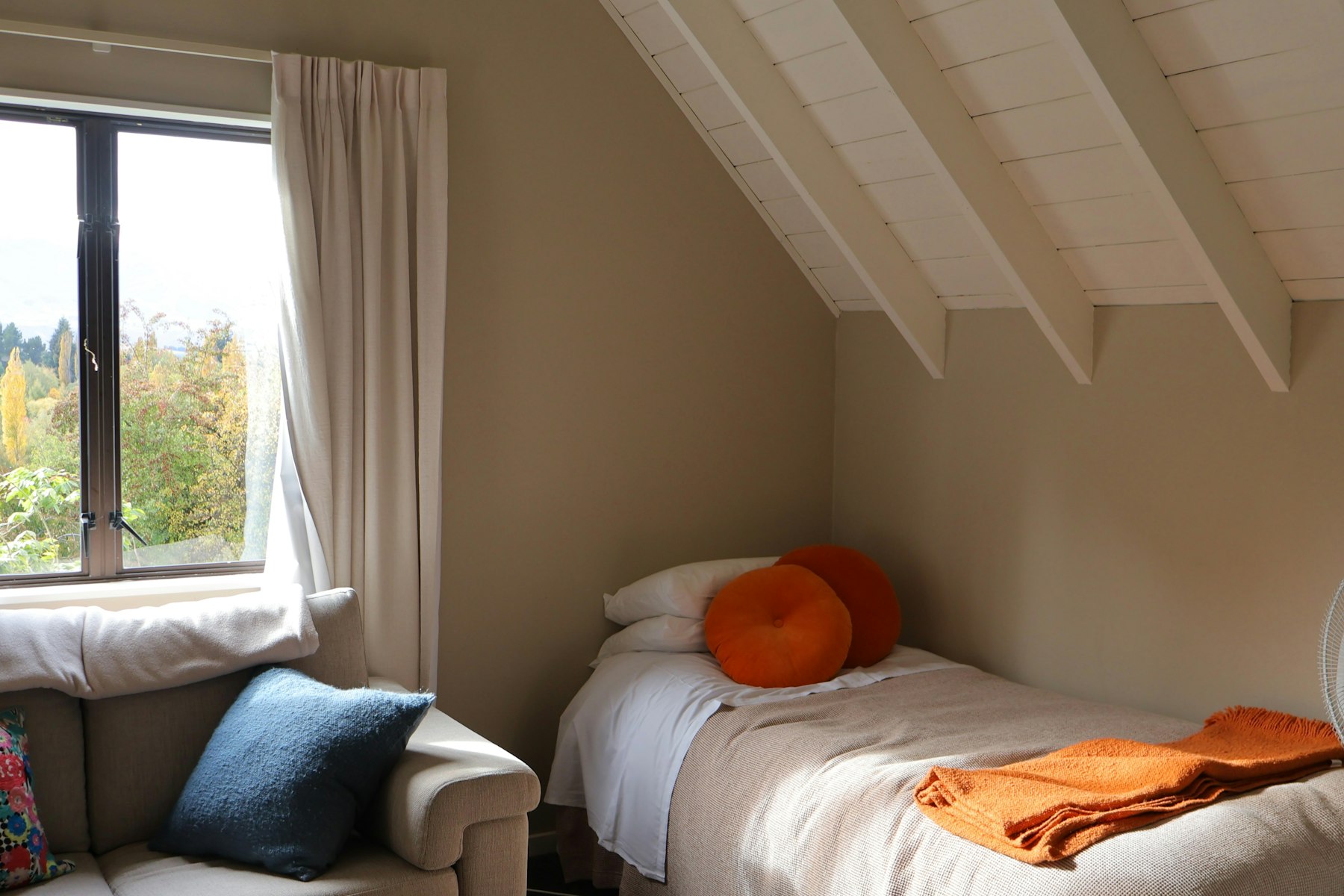
The trade-off is that a day-bed looks like a bed with cushions on it. In a living room it reads as a teenager’s bedroom. In a study or box room nobody minds, and you can dress it up with a long neck-roll cushion and a couple of big square ones. Pair it with a wall-mounted reading light and it starts to feel like a choice rather than a stopgap. Our piece on oversized headboard ideas has a few tricks that work just as well behind a day-bed pushed against the wall.
Which? makes a related point worth repeating: if you only have guests occasionally, an air bed is a perfectly reasonable answer. I’d go further. A decent raised air bed and a proper sofa you actually like sitting on will often make two groups of people happier than one £450 piece of furniture that does both jobs badly.
The £40 fix that matters more than the frame
Every independent tester I read, at every price, ended up saying the same thing about cheap sofa beds: add a topper.
A 5cm memory foam topper for a small double costs somewhere around £30 to £40 at the big supermarkets and Dunelm, and it does more for sleep quality than the jump from a £375 click-clack to a £649 one. It covers the seam where the seat meets the back. It softens the firm foam that every reviewer complains about. It also rolls up and goes in a cupboard (or the Hemnes drawers) the rest of the year. If you’re working to a hard £500 budget, I’d buy a £375 to £450 sofa bed and spend the rest on a topper, a mattress protector and a decent pillow, rather than stretching to the cap on the frame alone.
Two more small things. Get a fitted sheet that’s actually the right size; a double fitted sheet on a small double will ride up and wrinkle all night. And put a throw or a heated underblanket on the bed in winter, because a sofa bed mattress is thin enough that the cold from the floor comes straight through. Our guide to the best electric blanket has the running costs, and they’re pennies a night.
Measure the room twice, the doorway three times
The most common sofa bed mistake isn’t comfort. It’s size. Ideal Home’s list of buying errors puts wrong sizing first and access second: measure your doorways, hallway, stairs and turns before you fall for anything. A three-seater that fits the room beautifully is no use if it gets stuck on the landing, and with cheaper models you’ll also want to check whether it comes flat-packed (the IKEA ones do, in two boxes weighing over 50kg each for the Friheten).
Then measure the room open, not closed. Which?’s sizing table gives a two-seater sofa bed at about 160cm wide closed and 220cm deep open, and a three-seater opens to around 240cm. IKEA’s own note on click-clacks is easy to miss: the mechanism needs free space behind the sofa to fold, while fold-out types need clear floor in front. If your sofa sits flush against a radiator or a window sill, a click-clack may not open at all without dragging it into the room first. That’s a faff you’ll repeat every time someone stays.
Leave at least 60cm around the open bed so your guest can get out without climbing over the end. In a small living room, that usually means the coffee table goes into the hall for the night. Plan for it now rather than on Christmas Eve.
Timing, Black Friday and the Christmas delivery squeeze
If you want a sofa bed in place for Christmas, the real deadline isn’t 25 December. It’s whenever your retailer’s delivery slots fill up, and that’s earlier than most people think. Furniture delivery is usually two-person, booked into a fixed day, and December slots go fast. Flat-pack from IKEA or Argos gives you more room, but you still need an evening and a second pair of hands to build it.
Black Friday falls on 27 November. Sofa beds do get discounted, but don’t assume the biggest percentage off is the best deal. Plenty of furniture prices drift up in October and “fall” in November. Look at what the thing actually sold for in September. Our Black Friday 2026 buying guide applies the same wait-or-buy logic to tech, and it holds for furniture too: if the price you see today is already under £450 for something on this list, I wouldn’t gamble a Christmas delivery on saving another £30.
And check the guarantee before you check the colour options. Ideal Home’s list puts a 10-year frame guarantee as typical. IKEA, Argos and Habitat all offer ten years on frames according to Which?. IKEA’s 365-day return period is unusually generous; most retailers give you about 30 days. With a sofa bed you won’t know if it’s any good until someone has slept on it for three nights, so the longer window is worth more than it looks.
Small double, big compromises: who should buy what
Here’s how I’d spend the money, depending on the room and the guest.
If it’s for the main living room and you’ll sit on it every day: Habitat Kota at £375 or IKEA Älvdalen at £499, plus a topper. Pick the Kota if the budget is tight and the Älvdalen if you want IKEA’s return window. Skip the Friheten unless it drops well below £500 in a sale.
If it’s for a spare room or study: IKEA Hemnes day-bed at £449. It’s the only thing on this list that sleeps like a bed. I’d choose it over every click-clack under £500, and I’d choose it over the Friheten too.
If it’s a box room: the Lycksele Murbo at £349 or a single chair bed. Habitat’s Roma chair bed starts at around £215 to £230 depending on where you look; Ideal Home liked it but found it low to the ground and firm.
If guests come twice a year and you love your current sofa: don’t buy a sofa bed. Buy a raised air bed and a topper, keep the sofa you’ve got, and spend the difference on making the room warmer. Our draught proofing on a budget piece will do more for a guest’s night’s sleep than an extra 2cm of foam.
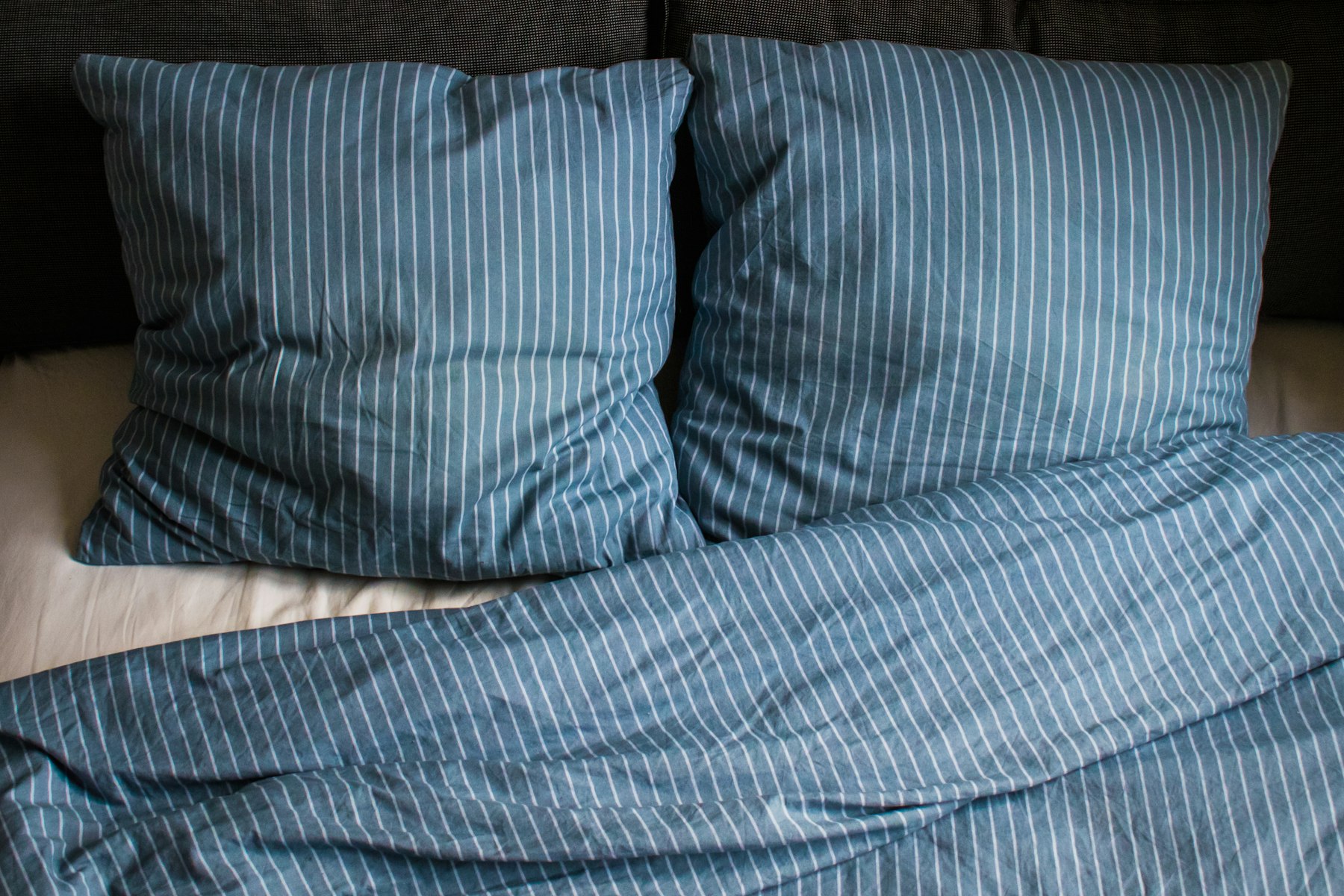
One last thought on making it feel like a room rather than a living room with a bed in it. Warm, low light does a lot of the work. A table lamp on the floor or a side table near the head end, and the big light off, turns a click-clack in the lounge into somewhere a guest can actually unwind. We covered the cheap way to do that in cosy living room lighting ideas for winter.
The sofa bed market will keep selling you the sofa. The question to ask before you buy is a simpler one: how many nights a year will someone actually sleep on this, and would you be happy to be that person?