
Best Electric Blanket 2026: VAT Comes Off Electricity on 1 October, the Bed Costs 2p an Hour to Heat – And the £35 One to Buy Before the Heating Goes On
On 1 October the government takes VAT off electricity bills for six months. Gas keeps its 5%. That one line in Ofgem’s price cap announcement quietly rewrites the oldest argument in British heating – whether it’s cheaper to warm the room or warm the person – and it settles it in favour of the person. Which is why the best electric blanket 2026 has to offer isn’t a luxury purchase this autumn. It’s the cheapest heat in the house, at about 2p an hour, and it’s the one thing on the energy-saving gadget list that pays for itself inside a fortnight.
In This Article
I’ve been running one since the clocks went back last October, and I’ve spent the past two weeks reading every published test I can find – Which?, Ideal Home, Trusted Reviews, Electrical Safety First’s fire data – to work out what’s changed for this winter. Some of it surprised me. The lowest setting on most blankets is close to useless. The £140 blanket everyone recommends is lovely and mostly unnecessary. And the thing most people should buy first isn’t an electric blanket at all.
The maths that changes on 1 October
Ofgem’s cap for October to December puts electricity at 26.32p per kWh and gas at 7.97p. The electricity figure has no VAT in it; the gas figure still does. Ofgem itself says the two periods can’t be compared directly because of the change, which is a polite way of saying the electric side of your bill just got a 5% haircut that the gas side didn’t.
Now do the sums on a blanket. A single-bed Silentnight underblanket draws 70 watts flat out. That’s 0.07kWh an hour, or 1.8p. A dual-control double at 60W a side is 3.2p an hour with both sides on full, and 1.6p if only one of you is cold. The Dreamland Snowed In, the hottest blanket Ideal Home has tested, runs 150W a side – 3.9p an hour for one side, 7.9p for two. Which? measured a spread of 2p to 8p an hour across everything it tested, and that was at 27.69p per kWh; October’s rate is lower.
Compare that with heating the room. As our breakdown of the cheapest electric heater to run shows, any 2kW heater costs about 53p an hour at the October price cap, “low energy” label or not.
Set that against the alternatives. A 2kW fan heater costs 53p an hour at the new rate. A gas combi boiler heating a three-bed semi on a cold evening burns something like 8 to 10kWh of gas an hour – call it 65p to 80p, and that’s before the boiler’s own inefficiency. A blanket on full for an hour before bed and an hour after is 4p to 16p a night depending on the model. Even the greediest one, run hard every night from October to March, comes in around £30 for the season. Which? puts the cheapest at about £10. (The same arithmetic is why the 3p-an-hour heated airer claim falls apart at October’s rate – we ran the numbers on those separately.)
The honest caveat is that a blanket heats one person, not a house. If you’ve got a family spread across four rooms the boiler still goes on. But for a couple in a bedroom, or anyone working from home in a chilly spare room, the blanket wins by a margin that isn’t close.
The lowest setting is a marketing number
Every electric blanket box in Argos quotes a running cost, and almost every one of them is calculated on the lowest heat setting. Which? has been testing blankets since 2022 and its product testing lead, Matthew Knight, is blunt about it: the lowest settings are “incredibly ineffective” and the team no longer bothers testing at them. Their published running costs are all measured at maximum, because that’s the setting you’ll actually use.
This matters for two reasons. The 1p-an-hour claim on the box is technically true and practically meaningless. And the difference between a three-setting budget blanket and a six- or nine-setting one is not about fine control – it’s about whether the top setting gets hot enough to warm a cold bed in 10 minutes rather than 20.
Which? measures that with thermocouples at six points across the blanket, over five and 20 minutes. The best blankets in its 2025 round heated up twice as fast as the worst, and several cheap ones had cold patches at the edges while the middle was toasty. Ideal Home found the same thing at home: the two Silentnight budget models took 15 to 20 minutes to reach full heat, the Dreamland five.
Is a 10-minute wait worth £100? I don’t think so, and I’ll come back to that. But you should know that’s what the money buys.
Buy the heated throw first
Here’s where I part company with most of the buying guides. Everyone treats the electric underblanket as the main event and the heated throw as a sofa accessory. For most households in 2026 it’s the other way round.
An underblanket does one job: it warms the bed for the 20 minutes before you get in and, if it has a timer, the first hour after. That’s lovely on a January night. But the hours that actually hurt on the heating bill are 6pm to 11pm, when the whole house is on because two people are sitting in one room watching television. A heated throw fixes that for 3p an hour, and it does more for the room than turning the big light off ever did. Ideal Home’s tester used the Dreamland Luxury Heated Throw wrapped round her while working from home and kept the central heating off entirely.
The throw also goes anywhere. Spare room desk, the sofa, the car on a long drive if you’ve got an inverter, on top of the bed as an overblanket. Which? found Best Buy throws from about £60 and Ideal Home’s budget pick, the Bedsure at £39.99, does the job with six settings and a timer. I bought the Aldi one last November for £24.99 on a whim. It’s thin, it’s a bit crackly, the controller looks like it came out of a 1990s Nintendo. It’s also been on every evening since and I’ve stopped noticing it, which is the highest praise a heated throw gets.
Buy the throw first. Then, if the bed’s still cold, buy the underblanket.
Best electric blanket 2026: what £35, £55 and £140 actually buy
Underblankets in this country cluster around four price points, and the difference between them is more about comfort and control than heat.
£35 to £40 – Silentnight Comfort Control. One controller, three settings, 70W, no timer. It’s the cheapest blanket to run in Ideal Home’s tests and it warms a bed. What you give up: it doesn’t fully cover a double mattress so the edges stay cold, the socket where the cable joins the blanket sits under your shoulder and you’ll feel it, and you have to remember to switch it off. Which? has tested it too and it’s been on sale long enough that Argos, Amazon and Dunelm regularly undercut each other, so £32 is a realistic price. For a single sleeper who wants a warm bed and nothing else, this is the one. Buy it and move on.
£55 to £60 – Silentnight Yours & Mine. Same basic blanket, but dual control at 60W a side, and it does cover the whole width of a double. Trusted Reviews rated it best budget blanket and I’d agree: the point isn’t that couples want different temperatures (though they do), it’s that you can heat one side only, which halves the running cost when your partner’s away or goes to bed later. Still no timer. Still a lump under the shoulder.
£45 to £80 – Slumberdown Wonderfully Warm. The odd one out. Nine settings, separate heat for feet and body, a 12-hour timer and a quilted top, from £47 for a single. Trusted Reviews’ overall winner. Ideal Home was less impressed: the thick quilting slows the heat coming through, the blanket’s narrower than a standard mattress so the padded edges show under the sheet, and the controller cable’s too short. Two testers, two verdicts. The feet-only mode is a properly good idea if cold feet are your problem, and Argos sells the same blanket as the Perfectly Warm Luxury, sometimes cheaper.
£100 to £170 – Dreamland Snowed In and Hunker Down Scandi Sherpa. This is the blanket everyone recommends and it deserves the reputation. Fitted skirt instead of straps, so it stays put. Quilted cotton top, so you can’t feel the wires. Six settings, 150W a side, hot in five minutes, timer at one, three or nine hours, dual controls on double and above. Ideal Home called it “hands down the best electric blanket” and Which? tested it in October 2025 alongside the Sherpa version. It’s also the most expensive to run on full, at nearly 8p an hour for two sides, though you’ll rarely need full.
And here’s my contrarian position: for most people the Dreamland is a £100 upgrade to solve a 10-minute wait and a lump under the shoulder. Both are real. Neither is £100 real. If you sleep badly, if your mattress is memory foam (Dreamland does an overblanket, the Peaceful Dreams, for exactly this), or if you’re going to run it all night on a timer, pay the money. If you just want the bed warm when you get in, the £35 Silentnight and a hot water bottle for your feet will do the job for a third of the price. The Dreamland’s a better product. It’s not a better purchase for everyone.
Skip: the heated duvet. Dreamland’s Love Mornings lets you dial a duvet from 6 tog to 15, which sounds clever until you read Ideal Home’s notes – trailing cables, complicated washing, and it needed to be switched on most of the night to feel warm. A decent mattress and a 13.5 tog do the same job with no plug.

The 10-year rule, and why the marketplace blanket isn’t a bargain
Electrical Safety First published its analysis of government fire data in March. Accidental electric blanket fires in England hit 31 in 2024/25, a five-year high and up 24% on the year before, with 11 casualties or fatalities. Thirty-one fires across a country where millions of these things are in use is not a reason to panic. But the charity’s product safety engineer, Giuseppe Capanna, makes a point that ought to stick: because the blanket’s against your body, “if a fire breaks out in the bed, it’s not uncommon to see injuries as a consequence.”
Almost all of the risk sits in two places. Old blankets, and cheap imports.
The old-blanket problem is simple. The charity’s advice is to replace anything over 10 years old, and to check for scorch marks, discolouration, wires poking through the fabric and – this one I hadn’t thought of – rodent damage to the cable after a summer in the loft. Roll it for storage rather than folding it, because folding kinks the wires. Never use it creased. Never use it with a hot water bottle. And don’t sleep on it overnight unless it has a thermostat and auto shut-off, which is the single best argument for spending £55 on a timer model rather than £35 without.
The import problem is the one that’s grown. Which? bought electric blankets from AliExpress, Amazon Marketplace, eBay and Wish and found several that couldn’t legally be sold in the UK and failed its electrical safety tests. Every blanket it’s bought from a mainstream retailer has passed. The £19 blanket with 4,000 five-star reviews and a brand name you’ve never heard of is not the same product as the £35 Silentnight, and the difference is the bit you can’t see.
Buy from Argos, Dunelm, John Lewis, Lakeland, Boots, B&Q, Amazon’s own listings – anywhere with a UK returns address. That’s the whole rule.
Hot water bottle or blanket?
Which? ran this comparison and the answer is less obvious than you’d think. A kettle boiling 1.7 litres uses about 0.2kWh – roughly 5p at October’s rate – which is more than most blankets use in an hour. The bottle then cools, the blanket doesn’t. Over a whole evening the blanket’s cheaper. For a single burst of warmth at bedtime they’re about level, and the bottle has no wires to fail.
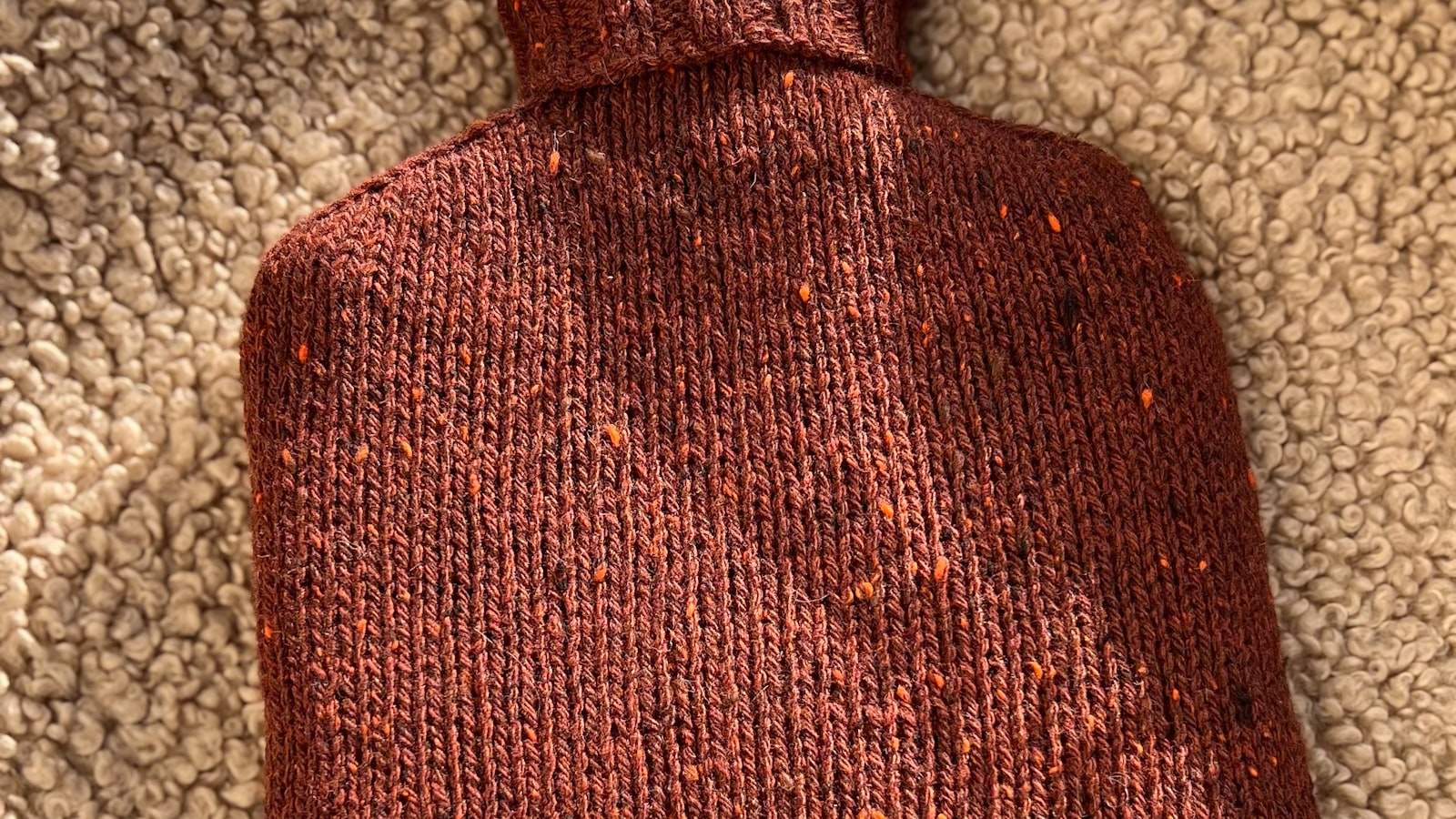
The thing Which? found that changed my habits: the cover matters more than the bottle. A thick fleece or knitted cover kept the heat in for hours longer than the thin ones, and paying more for a fancy bottle made no difference at all. The Boots own-brand bottle with a chunky cover, about seven quid, outlasts anything.
Use both. Blanket for the bed, bottle for the feet, throw for the sofa. Total outlay under £80 and you’ve delayed the boiler by a month.
When to buy
Right now, and not because of a sale. The one I wanted last year was on a three-week delivery by the second week of October, the moment the first proper cold snap hit, and I ended up with whatever the local Dunelm had left. Prices don’t really drop until January, when the retailers are clearing them and you’ve already shivered through the worst of it. It’s the same logic as the dehumidifier and the log burner installer: the whole country wants the same thing in the same fortnight.
Buy in September. Check the socket position before you sleep on it. Put it on the bed the day the heating would otherwise go on. And if you’ve got one in the loft that came with the house, or that you’re fairly sure predates your last two sofas, this is the year to bin it.
The wider point is bigger than blankets. With VAT off electricity until March and gas still carrying it, every heating decision in Britain this winter tilts a little further towards the plug and away from the boiler – heat pumps, electric showers, throws, even a fan heater in the one room you actually use. The blanket’s just the cheapest place to start. What else are you still burning gas for that a 60-watt wire could do instead?
An electric blanket keeps the person warm; the other half of the winter sum is heating the house less in the first place, which is where a smart thermostat under £150 earns its keep before gas goes up on 1 October.
Sources: Ofgem, energy price cap 1 October to 31 December 2026; Which?, best electric blankets 2026; Electrical Safety First, electric blanket fires hit five-year high; Ideal Home, best electric blankets and heated throws tested.