eSIM for Europe in 2026: What UK Travellers Need to Know Before They Fly
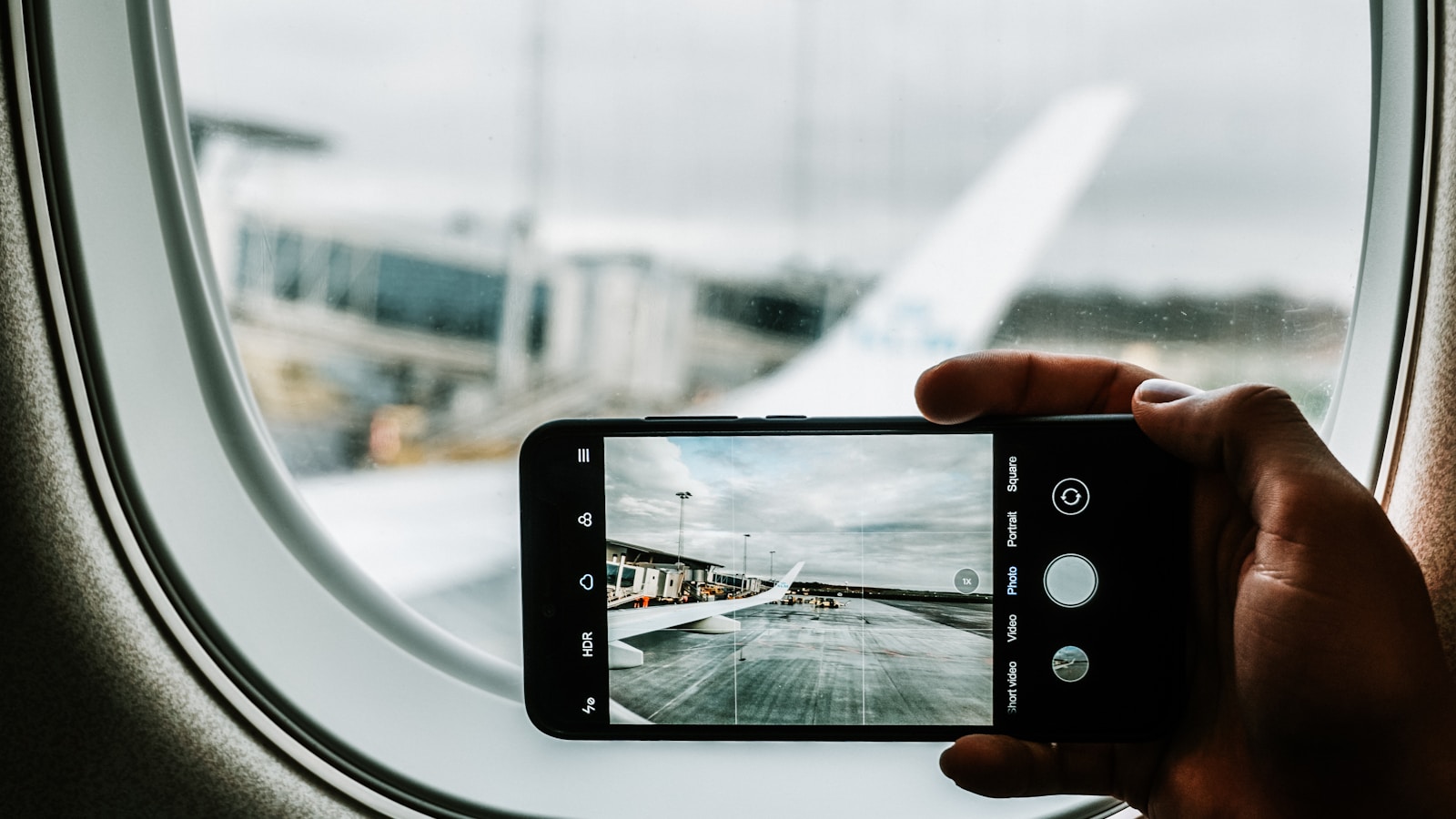
Somewhere in the last eighteen months, the British pre-holiday checklist quietly grew a new item. Passport, boarding passes, suncream – and an eSIM, installed from the sofa the night before the flight. Ask around any departure lounge this summer and a decent share of travellers heading to France, Spain or Italy will have sorted their phone data before they’ve even printed a bag tag. An eSIM for Europe has stopped being a frequent-flyer trick and become the default, and the maths behind the switch explains why.
In This Article
- What an eSIM Actually Is
- Why the Maths Tipped
- Roaming, Wi-Fi, Local SIM or eSIM: The Honest Comparison
- Check Your Own Tariff Before You Buy Anything
- How Much Data Do You Actually Need?
- The Providers Worth Knowing in 2026
- Setting One Up Takes Ten Minutes
- The Catches Most Guides Skip
- Quick Answers to the Questions People Actually Ask
- When Plain Roaming Still Wins
- The One Question Worth Sitting With
For wider context on how phone-led travel kit is changing, the tech making family travel easier in 2026 piece is a useful companion read.
This isn’t an article about the cheapest deal of the week. The market moves too fast for that to be useful. It’s about why the behaviour changed, what the trade-offs actually are, and the small print most “best of” lists leave out.
What an eSIM Actually Is
An eSIM is the same thing as a physical SIM card, minus the plastic. Instead of slotting a fingernail-sized chip into your phone, you scan a QR code and the handset downloads a digital profile from a mobile network. That profile behaves exactly like any other SIM: calls, texts and – the part that matters on holiday – local mobile data without the roaming surcharges that crept back onto UK contracts after Brexit.
For a UK traveller, that means you can land at Malaga or Bordeaux, and be on a local network within minutes of the seatbelt sign going off, while your normal UK number stays live on the same phone for texts, two-factor codes and the occasional call home. Most modern iPhones (XS and later) and recent Pixel, Samsung and OnePlus handsets run dual SIM this way. You no longer have to choose between your everyday number and a travel data plan; the phone runs both in parallel.
Why the Maths Tipped
Before Brexit, EU-wide “roam like at home” rules meant a UK contract worked across the bloc at no extra cost. Those rules no longer apply to UK SIMs, and the cheaper end of the market has steadily clawed roaming back. Daily fees of around £2 to £2.50 are now standard on several major UK networks, and Money Saving Expert tracks the network-by-network picture, which is not improving for casual travellers.
A fortnight in Italy can add £30 or more to one phone bill before you’ve used a single megabyte you wouldn’t have used at home. A 10GB eSIM covering most of Europe costs somewhere between £15 and £25 from a reputable provider. The sums are no longer close.
For families, they tip harder still. Two parents on contracts with daily surcharges, plus a teenager on a third line, can run up a triple-digit roaming bill on a two-week holiday. One eSIM per traveller, bought before flying, removes the whole problem.

Roaming, Wi-Fi, Local SIM or eSIM: The Honest Comparison
| How you get data | Rough cost, two weeks (one phone) | Faff involved | UK number stays live? |
|---|---|---|---|
| Daily roaming charge | £28-£35 | None | Yes |
| Wi-Fi only | Free | Constant hunting; maps and translation suffer | Yes |
| Local SIM on arrival | £10-£20 plus the queue | 30-60 minutes at a kiosk, ID paperwork | No, unless you keep swapping cards |
| eSIM installed before you fly | £10-£25 | Ten minutes at home | Yes |
Wi-Fi only is romantic in theory and maddening in practice – cafés in the popular resorts have tightened up free access noticeably over the last two years, and it’s always the maps app that suffers first. The local SIM still makes sense for a month-plus stay in one country, but the airport queue and the registration paperwork have killed it for a standard fortnight.
Which leaves two serious options for most trips: pay the daily charge and think no more about it, or spend ten minutes at home and keep the £30. For a long weekend, the daily charge wins on pure laziness. For anything longer, it doesn’t. (A two-night Christmas market break on the £39 Eurostar seat is exactly the sort of trip where the daily charge is fine.)
Check Your Own Tariff Before You Buy Anything
Here’s the step that saves some readers the whole exercise: a minority of UK tariffs still include EU roaming at no extra charge. Some of the fee-free banks of the mobile world – the likes of Smarty, Giffgaff within its fair-use allowance, and certain older Three and O2 plans – let you roam in Europe without the daily surcharge, usually with a cap on how much of your allowance you can use abroad.
So before spending a penny on an eSIM, open your network’s app and search “roaming” on your plan. If your tariff includes EU use and the fair-use cap covers your holiday, you need nothing else. And if you’re mid-contract with a network that charges daily, it’s still worth checking whether a sister brand or a plan switch would quietly fix the problem for every future trip, not just this one.
The catch is that these inclusive allowances have been shrinking year on year – caps of 12GB or so per month abroad are typical, and the direction of travel is downwards. Which is exactly why the eSIM habit has spread: it doesn’t depend on your network’s generosity surviving the next price review.
How Much Data Do You Actually Need?
Most people buy too much. A fortnight of normal holiday phone use – Google Maps for an hour or two a day, WhatsApp, email, a browse over breakfast, uploading a few dozen photos – typically lands somewhere between 3GB and 6GB. Maps navigation uses roughly 5-10MB an hour once tiles are cached. Instagram is greedier, and anything involving video is greedier still.
The two habits that blow through an allowance are streaming and hotspotting. An hour of Netflix in standard definition eats around 1GB; a laptop tethered for a working morning can manage the same before lunch. If either applies to you, buy 20GB or an unlimited plan and be done with it.
Everyone else is well served by a 5GB or 10GB bucket. Two small tricks stretch it further: download your holiday region in Google Maps offline before you leave, and let your photos back up only when you’re on the villa Wi-Fi. Between them, those two settings roughly halve most people’s holiday data use.
The Providers Worth Knowing in 2026
Four names dominate the UK market this summer, and the differences between them are smaller than their advertising suggests. Prices move monthly, so treat these as ballpark rather than gospel.
Airalo is the biggest and the safest default. Its Europe-wide plan covers 40-odd countries on one profile, and 10GB over 30 days sits around the £23 mark. The app is decent; support is middling but rarely needed.
Nomad is usually the cheapest per gigabyte – a similar 10GB Europe bundle has been hovering under £20. If price is the whole decision, start here.
Holafly sells unlimited data, at roughly £25 for a week. And honestly, for most holidaymakers it’s overkill: the “unlimited” comes with fair-use throttling and a tethering cap of about 1GB a day, and very few people burn through 10GB in a fortnight of maps, WhatsApp and photos. Buy the bucket instead and keep the difference.
Saily, from the NordVPN people, sits in the middle on price and layers on security extras like ad-blocking. A sensible pick if you’d be buying a VPN anyway; nothing essential if you wouldn’t.
One warning that applies to all of them: the eSIM voucher cards now sold airside are mostly the same plans you could have bought at home, with a mark-up for the privilege of panicking at the gate. Sort it before you leave.

Setting One Up Takes Ten Minutes
The process is less fiddly than its reputation. On a recent trip it took me longer to find the boarding pass in my inbox than to install the eSIM.
- Check your phone supports it – Settings > Mobile Data on an iPhone will show an “Add eSIM” option; Android buries it under Network & Internet.
- Buy the plan at home, on your own Wi-Fi, and install it via the provider’s app or QR code the day before you fly.
- Label the lines so “UK number” and “Travel data” don’t get confused at 6am in an airport.
- On landing, switch mobile data to the travel line and make sure data roaming is on for that line only.
- Leave your UK line switched on for calls and texts, with its data off. That’s it.
The Catches Most Guides Skip
An eSIM is not a magic bullet, and a few caveats deserve more space than they usually get.
First, not every phone supports them properly. iPhones older than the XS and many budget Android handsets either can’t run an eSIM at all or handle only one at a time. Some dual-SIM models sold in Asian markets have the feature disabled in firmware. Check Settings before you buy the plan, not after.
Second, your UK number can misbehave while the eSIM carries the data. Calls and texts still arrive, but anything that needs mobile data over the UK line – some banking apps, some authentication apps – won’t work until you toggle data back. It’s a 30-second fix that catches people out at exactly the wrong moment.
Third, eSIMs are non-transferable. If your phone breaks or is stolen mid-holiday, you can’t slot the profile into a borrowed handset the way you would a physical card. Most providers will reissue, but it can take hours rather than minutes. For long or remote trips, a physical backup SIM still earns its place in the bag.
And fourth, “unlimited” never quite means unlimited. Fair-use clauses, speed throttling after a daily threshold and tethering caps are standard across the industry. If you plan to hotspot a laptop or a tablet, read that clause before you pay, because it’s the one most likely to bite.
The 15 May piece on the EU Entry/Exit System and the new border routine for UK travellers covered the regulatory side of European travel this summer; the eSIM question is the connectivity counterpart. Both reward sorting out before you leave the house.
Quick Answers to the Questions People Actually Ask
Does an eSIM replace my UK SIM? No. It sits alongside it. Your UK number, your WhatsApp account and your saved contacts all stay exactly as they were.
Will WhatsApp still work on my normal number? Yes. WhatsApp is tied to your registered number, not to whichever SIM is providing the data, so it carries on as normal over the eSIM’s connection.
Do travel eSIMs include a phone number? Usually not – most are data-only. Calls home happen over WhatsApp or FaceTime, which is how most people call home anyway. If you need a real local number, that’s the one job where a local SIM still wins.
What about ferries and cruises? Watch this one. Once a ship leaves port, phones latch onto maritime satellite networks that no eSIM or roaming bundle covers, and the per-megabyte rates are genuinely horrible. Flight mode on deck; connect again on land.
Can I top up if I run out? Almost always, through the provider’s app, in about a minute. Running low mid-trip is an inconvenience, not a crisis – another reason not to over-buy at the start.
When Plain Roaming Still Wins
It’s worth saying clearly: an eSIM isn’t always the right answer. For one night in Dublin, the daily roaming charge is cheaper and faster than installing a new plan. For a six-month stay in one country, a local pay-as-you-go SIM with a proper contract may still undercut everything. And if your handset simply doesn’t support eSIMs, none of this applies without a phone upgrade – which is a far bigger decision than a holiday data plan should ever force.
But if your trips are mostly short-haul, sometimes multi-country, and last between five days and three weeks, an eSIM is the closest thing UK travel has to a free upgrade. The saving on a single family holiday usually covers the cost several times over.
For travellers planning a slower summer this year, the recent UK sleeper train holidays guide is a useful counterpart – the same instinct to make travel less stressful, applied to the transport rather than the phone.
The One Question Worth Sitting With
If you haven’t yet tried one, the only honest question is whether ten minutes of setup before your next trip is really worse than paying a daily surcharge on autopilot, year after year. For most UK holidaymakers crossing to Europe in summer 2026, the answer has quietly become no.
What’s the longest trip you’ve taken where you simply paid the roaming charge without checking the alternatives – and would you do the same again this year?
Sorting connectivity in the air as well as on the ground? See what has changed with British Airways’ free in-flight WiFi.
An eSIM keeps you connected abroad; keeping the phone alive is the other half of the job, which is where our pick of the best portable power banks comes in.
Sort the bag before you fly, too. The right underseat cabin bag that dodges the gate fee saves you more than any data plan will.