

Weekly Episodes vs Binge Watching: Why British TV Learned to Wait Again in 2026
Netflix spent the best part of a decade teaching Britain that waiting for television was a design flaw. Then it started carving its biggest shows into parts, the streamer that invented the full-season drop began rationing its own crown jewels, and hardly anyone rioted. The weekly episodes vs binge watching argument – the one that was supposedly settled forever in 2013 – has quietly reopened. And in 2026, the wait is winning.
In This Article
That’s not nostalgia talking. It’s in the release schedules, the retention data and the group chats. The freshest test case is ITV’s The Dark, which arrived in one six-episode lump – our review argues that single decision undercut the strongest crime launch of the year.
The binge was meant to be the future
Cast your mind back to February 2013, when House of Cards arrived on Netflix in one thirteen-episode lump. The pitch was seductive: television would now work like a novel. You’d read at your own pace, no schedule would tell you what to do, and the Sunday-night cliffhanger would go the way of the test card. Collins even crowned “binge-watch” its word of the year in 2015, which is roughly the moment a habit becomes a culture.
For a while, the logic seemed unanswerable. Whole weekends disappeared into box sets. The phrase “just one more episode” did more damage to British sleep than any World Cup kick-off time. Broadcasters looked like relics for making people wait.
Remember what the binge era was reacting against, though, because the old system had real problems. Weekly television in the pre-streaming years meant missing an episode and being lost for a fortnight, or taping things onto VHS with the fervour of an archivist. The binge fixed genuine annoyances. Nobody sensible wants to go back to 2004.
Yet the great irony of the 2010s is that the decade’s most talked-about dramas were mostly weekly ones. Breaking Bad’s final run built to its ending over two months of collective dread. Line of Duty interrogations were appointment viewing in the oldest sense – the AC-12 glass box emptied British pubs on Sunday nights. Game of Thrones, for all its stumbles, proved that a global audience would happily wait seven days between episodes and spend six of them arguing online. The binge model produced hits, but the weekly model produced eras.
But something curious happened on the way to the future. Shows started arriving on a Friday and evaporating by Monday. A drama that took two years and a nine-figure budget to make would dominate the conversation for roughly seventy-two hours, then vanish as if it had never existed. Streaming executives began to notice that the all-you-can-eat model was producing exactly what buffets produce – consumption without much satisfaction, and no reason to come back next week.
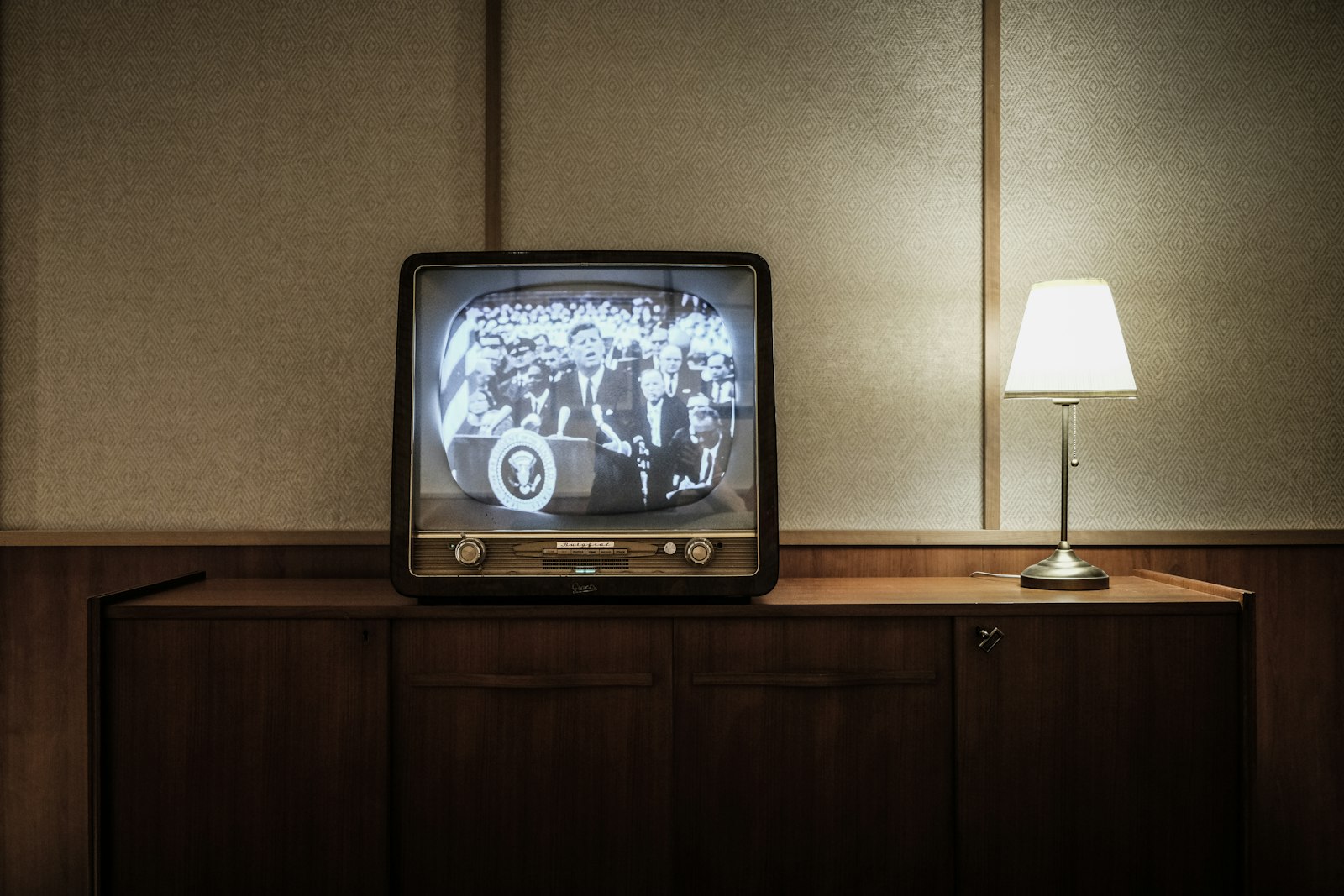
Weekly episodes vs binge watching: what the data actually shows
The numbers behind the shift are blunt. A Carnegie Mellon University study, reported by The Hollywood Reporter, ran a randomised field trial in which viewers were given the same shows either all at once or drip-fed. The result: weekly-style “drip” releases produced 48 per cent greater short-term subscriber retention than full-season drops. The researchers were careful to note the trade-off – “gradual releases negatively affected subscription retention among users with strong binge-watching behaviors” – but the overall direction was clear enough that no streaming finance department could ignore it.
Measurement firm Luminate had been saying something similar for years: weekly releases lead to “longer-sustained engagement”, while binge drops tend to deliver “flash-in-the-pan viewership”. Amazon has quietly built its whole strategy around that insight. Most new Prime Video series still land in batches, but once a show proves itself – usually by its third season – it switches to weekly, often with a two-or-three-episode head start to take the edge off.
Even Netflix, the binge’s inventor and last true believer, has been hedging. Cobra Kai’s final season came in three parts. Stranger Things ended the same way. Wednesday, Bridgerton and Squid Game all had recent seasons cut in half. Nobody at Netflix calls this a weekly release, because that would mean admitting the schedule won. They call it an “event”. It’s a schedule.
And the audience data on this side of the Atlantic tells its own story. YouGov’s May 2026 survey of 2,130 UK adults found that 70 per cent of us still watch broadcast TV content at least weekly – more than use social media (67 per cent) or streaming platforms (64 per cent). The BBC remains the single most-used media platform in the country, watched weekly by 62 per cent of media consumers, ahead of Netflix on 55. For all the talk of linear TV’s death, the corporation that still releases most of its biggest shows one week at a time is beating the corporation that doesn’t.

The group chat brought back the water cooler
Here’s the part the spreadsheets can’t fully capture. A weekly episode gives you seven days of theorising, and theorising is half the fun of television. When The Traitors is on, the country watches more or less together, and the following morning’s conversation is a national sport. Eurovision proves the point once a year on an even bigger scale; Britain’s latest last-place finish was picked apart in real time precisely because the whole country watched it happen live. Happy Valley’s final series worked the same way – those Sunday nights in early 2023 felt like the whole street had its curtains drawn at nine o’clock. You cannot manufacture that with a Friday dump of ten episodes, because by Saturday lunchtime everyone in your group chat is at a different point in the story and nobody’s allowed to say anything.
Binge releases don’t kill conversation exactly. They fragment it into a minefield of spoiler etiquette, which is worse.
Ask around and you’ll hear the same complaint in different accents: the colleague who avoided every group chat for a fortnight because she was only on episode four; the couple who now negotiate a viewing treaty before starting anything together; the WhatsApp group that enforces a strict no-spoilers window with the seriousness of a parish council. None of this friction exists with a weekly show. Everyone is in the same place, because there’s nowhere else to be. The schedule does the diplomacy for you.
The strange thing is that the group chat – the very technology that was supposed to make scheduled TV irrelevant – has turned out to be its best friend. A show that drops weekly generates a rhythm: episode, reaction, theory, memes, next episode. American television has relearned this too; TVLine’s round-up of 2026’s best streaming shows singles out The Pitt, whose weekly rollout is credited with letting a season-long story breathe, and Apple TV+ has built its whole drama slate around the weekly drop. The industry spent ten years optimising for the individual viewer and forgot that television’s real product was never episodes. It was the conversation about them.
It’s the same instinct, incidentally, that has Britain turning living rooms into cinemas and watching everything with the subtitles on so nobody misses a line. We keep behaving like people who want viewing to be an occasion, not a feed.
Britain never really gave up the schedule
Gogglebox has been making the case for years without anyone quite noticing: the pleasure of the programme isn’t the programme, it’s the reacting together. The soaps have run on the same fuel for half a century. Britain’s TV culture was communal long before it was convenient.
There’s a decent argument that the weekly episode never actually left these shores – it just stopped being fashionable to admit you liked it. The BBC and ITV kept transmitting week by week all through the binge era, even while stacking full series on iPlayer and ITVX as a concession to the impatient. The result is a dual system that, viewed from 2026, looks less like a compromise and more like the model everyone else is now crawling towards: watch it live with the nation, or hoover it up later. Your call. Nowhere is the weekly instinct clearer than in British cosy crime, a genre that never once flirted with the Friday dump.
This summer’s schedules show the approach in rude health. Two Weeks in August, BBC One’s Greek-island ensemble drama, has been the season’s slow-burn talking point precisely because it was allowed to burn slowly. Dear England pulled a football-mad country into a drama about a football manager in the middle of a World Cup summer. And when the appetite for a proper wallow strikes, the iPlayer box set shelf is still there, doing what it has always done.
YouGov’s age data suggests this isn’t only a pensioner’s habit, either. Yes, weekly TV viewing climbs from 49 per cent of 18-24s to 81 per cent of over-55s. But look at that first number again – half of the generation that grew up with unlimited streaming still sits down to broadcast television every week. Nobody raised on binge culture is obliged to do that. They do it anyway.

Scarcity is the point
There’s a bigger idea underneath all this, and it goes beyond television. YouGov’s survey found that nearly one in five UK media consumers now spends more than four hours a day on media of some kind, and 29 per cent say their ability to concentrate has declined over the past year. We are not short of things to watch. We are short of reasons to care about any single one of them.
A weekly episode manufactures scarcity in a market drowning in abundance, and scarcity turns out to be what attention responds to. One hour of drama that the whole country receives at once is an event; ten hours dumped into an infinite menu is inventory. The release schedule has become part of the storytelling – the gap between episodes is where the dread builds, the theories compound and the show takes up residence in your week rather than your weekend.
Streamers used to treat that gap as friction to be engineered away. Now their own retention charts tell them the gap was the product all along.
It also changes how we watch. A binge is a solitary sprint, usually half-attended, phone in hand. A weekly episode – because you know everyone else is watching the same thing – gets more of your attention, or at least more of your guilt when it doesn’t. There’s a reason second-screening feels natural during a Netflix dump and faintly disrespectful during a finale the nation has waited eight weeks for.
In defence of the binge
Let’s be fair to the lost cause. Some television is built to be swallowed whole. A twisty thriller full of cliffhangers is often better in two big gulps, because the cliffhangers are load-bearing rather than nourishing – stretch them over six weeks and you notice how little is underneath. Comedy tends to suffer least from bingeing; nobody’s season is ruined by watching three episodes of Alice and Steve in a row. And for anyone who works shifts, has small children or simply hates being told when to enjoy things, the full-season drop remains one of streaming’s few unambiguous gifts. Comedy sits somewhere in the middle – something like Alice and Steve on Disney+ works either way, though a laugh a week arguably goes further than six in one night.
But here’s the contrarian bit, and I’ll own it: the industry’s rediscovery of the weekly episode is being sold to us as a cultural homecoming, all shared moments and national conversation, when it’s really a subscription-retention strategy wearing a nice jumper. The CMU study wasn’t commissioned to restore the magic of Sunday nights. It was commissioned because churn is expensive. Viewers happen to benefit – the conversation really is better, the shows genuinely do linger longer – but if the maths flipped tomorrow, every streamer would flip with it and write a press release about the liberating joy of the binge.
A weekly release also can’t save a mediocre show. It just distributes the mediocrity across six weeks instead of one lost evening, which is arguably crueller to everyone involved.

Where the wait goes from here
This World Cup summer has been a month-long reminder that television’s superpower was never convenience. It was simultaneity – millions of people feeling the same thing at the same time, then talking about it. Live sport never forgot that. Drama is relearning it, one Sunday night at a time, and the streamers’ own data now backs the old broadcast instinct all the way.
My bet for the next few years: the pure binge drop becomes the exception, reserved for comedies, thrillers and shows the platforms quietly don’t believe in. Everything with prestige ambitions gets a schedule, an “event” structure and a seven-day gap engineered for your group chat.
The real test is personal, though. Which show would you actually wait a week for – and which would you want dropped in your lap, all at once, on a wet Friday night?
Weekly release schedules also make it easier to rotate streaming services rather than pay for all of them: wait for a season to finish, subscribe for one month, cancel.
However you watch, the screen matters more than the schedule – if yours smears every time the action speeds up, our best TV for sport under £500 guide applies just as well to drama.