
UK Home Cinema 2026: Why The Big Night Out Is Quietly Moving Into Britain’s Living Rooms
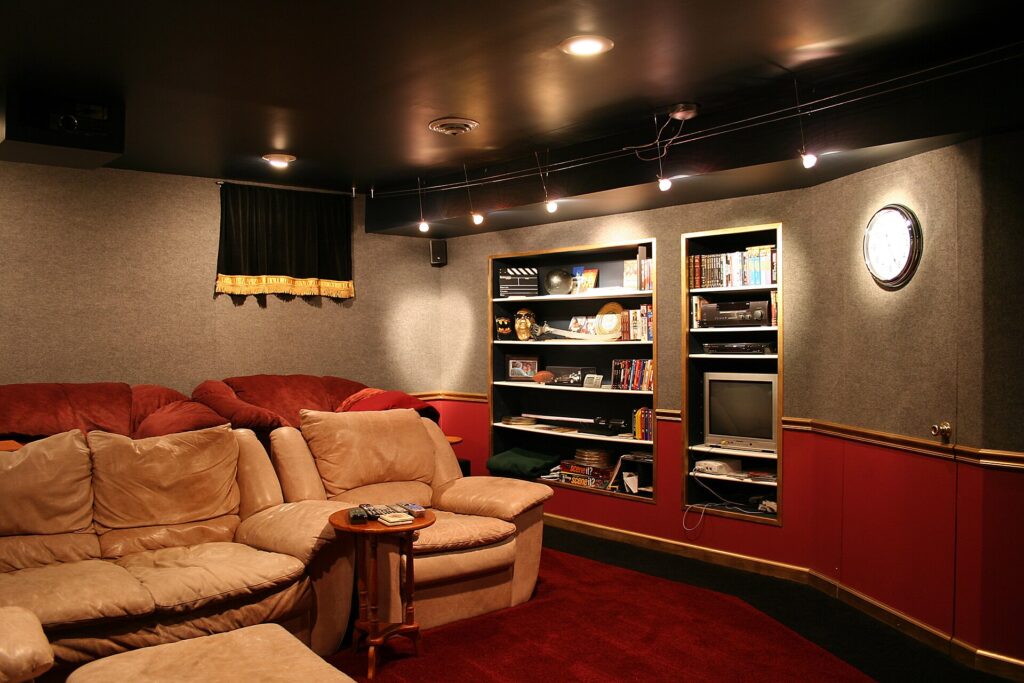
The most telling cultural artefact of British entertainment in 2026 is not a film. It is a sofa – reclined, flanked by a soundbar that cost more than a weekend in Margate, facing a television wide enough to have its own postcode. While the high-street multiplex fights to fill its Tuesday-afternoon screenings, the British living room has quietly turned itself into the nation’s favourite auditorium. This is the story of UK home cinema in 2026: not a gadget trend, but a genuine shift in where, how and with whom we now choose to watch. A serious home setup doesn’t have to replace the real thing – our look at the UK’s indie cinemas makes the case for both.
In This Article
- The numbers behind the shift are blunt
- What UK home cinema in 2026 actually looks like
- Why the sound, not the screen, is doing the persuading
- The shrinking gap that quietly killed the queue
- The adverts have quietly followed us home
- What we lose when the trip becomes optional
- The films that still drag us out of the house
- Where this leaves British viewing culture
It would be lazy to call this the death of cinema. The picture is more interesting than that, and a good deal more revealing about who we have become. We are not watching less. We are watching differently, in a way that rewards comfort, control and a very particular kind of British home-making. The cinema trip has not disappeared so much as it has been demoted – from default to occasion.
The numbers behind the shift are blunt
Start with the part nobody at a multiplex wants framed on the wall. UK cinema admissions in 2025 came in at 123.5 million, down 2% on the year before and roughly 30% below where they sat in 2019, according to figures compiled by the BFI and the UK Cinema Association. Box office takings actually edged up to £996.8 million, helped by higher ticket prices, but that revenue resilience masks the real story: fewer of us are physically going, and the ones who go are paying more to prop up the total.
Now turn to the other screen. The UK home entertainment market – streaming, plus buying and renting films and TV – grew 10% in 2025 to a record £5.7 billion, according to the British Association for Screen Entertainment, as reported by Screen Daily. That single sector is now worth almost six times the entire UK theatrical box office. Put the two figures side by side and the centre of gravity is obvious. The money, the hours and the attention have moved indoors.
You don’t need a five-figure setup to join in, either – our pick of the best TVs for sport under £500 shows how far the budget end has come.
None of this is a one-year wobble. The home market has been compounding while the multiplex has been flat. The question worth asking is not whether the living room has won – on the numbers, it has – but what kind of viewing culture that victory is building.
What UK home cinema in 2026 actually looks like
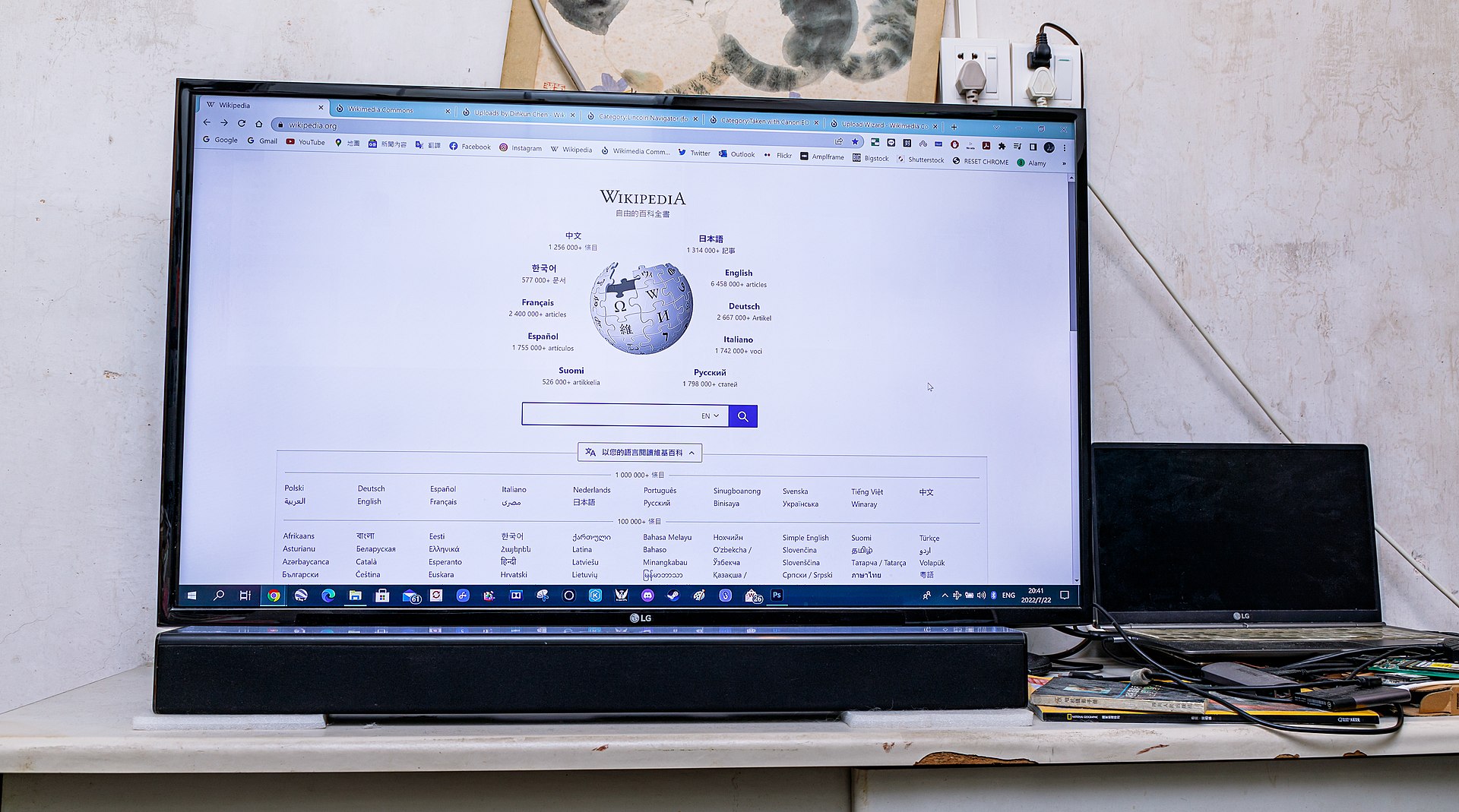
The phrase “home cinema” used to mean a projector, a dedicated dark room and a man who would not stop talking about cable gauges. In 2026 it means something far more ordinary and far more widespread. A typical British setup is a 55-inch or larger television, a soundbar with a wireless subwoofer tucked behind an armchair, and two or three streaming subscriptions feeding it.
The scale is striking. Some 20.3 million UK households now subscribe to at least one streaming service, up almost half a million on the previous year, with Netflix alone reaching 17.6 million subscriptions, Amazon Prime Video 13.6 million and Disney+ 7.5 million. Ofcom’s most recent Media Nations research puts subscription video penetration at around 68% of households, a level that has plateaued rather than collapsed – the saturation point of a habit, not the peak of a fad.
What has changed underneath that plateau is the hardware and the intent. People are no longer buying a television and tolerating its tinny built-in speakers. They are buying a television and, in the same trip, treating sound as part of the purchase. That instinct – that a film at home should be heard properly, not just seen – is the quiet engine of the whole shift, and it is the part the industry data tends to undersell.

Why the sound, not the screen, is doing the persuading
Here is the part I will plant a flag on, because it runs against the usual telling. The reason the living room has become a credible rival to the multiplex is not the size of the screens. Televisions have been large and cheap for a decade. The reason is audio.
A modern soundbar with a separate subwoofer does something a flat panel physically cannot: it gives dialogue room to breathe and lets a score actually land in your chest. Surround formats that were once the multiplex’s trump card now run through living-room kit that costs less than four cinema tickets and a round of overpriced drinks. Once a household crosses that threshold – once a Saturday-night film at home sounds deliberate rather than flat – the calculus of the cinema trip changes for good.
It’s also part of why so many of us now leave the subtitles on even at home – modern sound mixes bury the dialogue, and a big room only makes it worse.
This is where the British weather quietly does its bit, too. A country that spends half its evenings indoors under grey skies was always going to over-invest in the indoor experience. If you want a sense of how seriously people now take their at-home audio, look at how much testing and obsessing goes into adjacent kit, from headphones to Bluetooth speakers for the garden. The same appetite that drives those purchases is what turns a television corner into a home cinema.
The shrinking gap that quietly killed the queue
There is a less romantic, more structural reason the living room keeps winning, and it sits in the release calendar. The average wait between a film opening in cinemas and arriving on premium home rental stretched to 44 days in 2025, around 10% longer than the year before. That sounds like a win for cinemas, and on paper it is. In practice, six weeks is nothing.
For most films that are not a genuine cultural event, the British viewer has made a rational bet: wait a month and a half, watch it at home, pause it when the doorbell goes, and keep the £40 a family outing now costs. The studios know this, which is why they have stopped pretending the two windows are rivals and started treating them as a relay. The cinema run is the marketing campaign. The home release is where a lot of the money is quietly made.
Liz Bales, chief executive of the British Association for Screen Entertainment, framed 2025 as “a landmark year” in which “diversified release strategies deliver consistent, sustainable growth”. Strip out the trade-body gloss and the meaning is plain: the industry has stopped fighting the living room and started building its business model around it.
The adverts have quietly followed us home
There is a delicious irony buried in the living room’s victory, and the data lays it bare. One of the cinema’s oldest selling points was that, once the trailers finished, the film ran uninterrupted. Streaming was supposed to inherit that promise. Instead it has spent 2026 busily reintroducing the very thing it was meant to abolish.
Ad-supported tiers are now the majority. By the latest industry count, around 53% of all UK subscription video sign-ups carry advertising, and roughly 58% of UK adults now pay for at least one streaming service that shows ads. The shift has been fast: Ofcom found the share of Netflix subscribers on its cheaper Standard with Ads tier jumped to 28% in early 2025, more than double the 13% a year earlier, with Disney+ seeing a similar leap. The same research notes that most viewers say they actively dislike the ads they are now sitting through.
What this reveals is that the home-cinema dream and household economics are pulling in opposite directions. We have built rooms engineered for an uninterrupted, cinematic experience, then signed up to the tier that interrupts it – because three or four subscriptions at full price is a genuine monthly cost. The living room won the war for our attention, then promptly sold a slice of that attention back to advertisers. It is a very 2026 kind of compromise: premium kit, budget subscription, adverts in the surround sound.
What we lose when the trip becomes optional
I am not going to pretend this is all gain. Something real is thinning out, and it is worth naming rather than waving away with a shrug about progress.
The cinema was never only about picture quality. It was about submission – two hours where you could not pause, could not scroll, could not wander off to put the kettle on during the slow bit. That enforced attention is exactly the thing the living room cannot replicate, because the living room is a negotiation. The phone is within reach. The second screen is always glowing. A film watched at home is a film watched at 80% attention, and a certain kind of demanding cinema – the slow, the strange, the quietly devastating – simply does not survive being half-watched.
You can see the cost in what is struggling theatrically. The mid-budget adult drama, the very films that reward a dark room and a silent crowd, are the ones haemorrhaging admissions fastest. Britain’s own independent sector felt it sharply in 2025, with the top homegrown indie title, The Roses, taking £10.3 million – a respectable figure that would once have been a disappointment for a film with that cast. The blockbuster is fine. The art house will adapt. It is the thoughtful middle, the films that need an audience to take them seriously, that the sofa is quietly starving. For a fuller view of how the homegrown slate is faring, our rundown of the best British films of 2026 is a useful companion piece.

The films that still drag us out of the house
And yet the multiplex is not a museum. The interesting development of 2026 is not that cinema is dying but that it is specialising. The films still pulling big British crowds share a single quality: they are events that lose something if you wait.
Look at the year’s top performers. A Minecraft Movie took £56.9 million and Wicked: For Good £47 million at the UK and Ireland box office, and both worked for the same reason – they were communal. A cinema full of children chanting at the screen, or a singalong crowd for a musical, is an experience the living room cannot manufacture. Tellingly, Wicked went on to top the home entertainment charts as well, which is the new pattern in miniature: see it loud with strangers first, own it for the sofa later.
Concert films have ridden the same logic, turning a night at the pictures into something closer to a gig, as our piece on the best concert films to stream in the UK traces in more detail. The lesson for exhibitors is unsentimental but clear. People will still leave the house, but only for the things that demand a crowd. Everything else now belongs to the living room, and the smart operators are leaning into spectacle, premium screens and the social occasion rather than competing with the sofa on convenience, a fight they cannot win.
Where this leaves British viewing culture
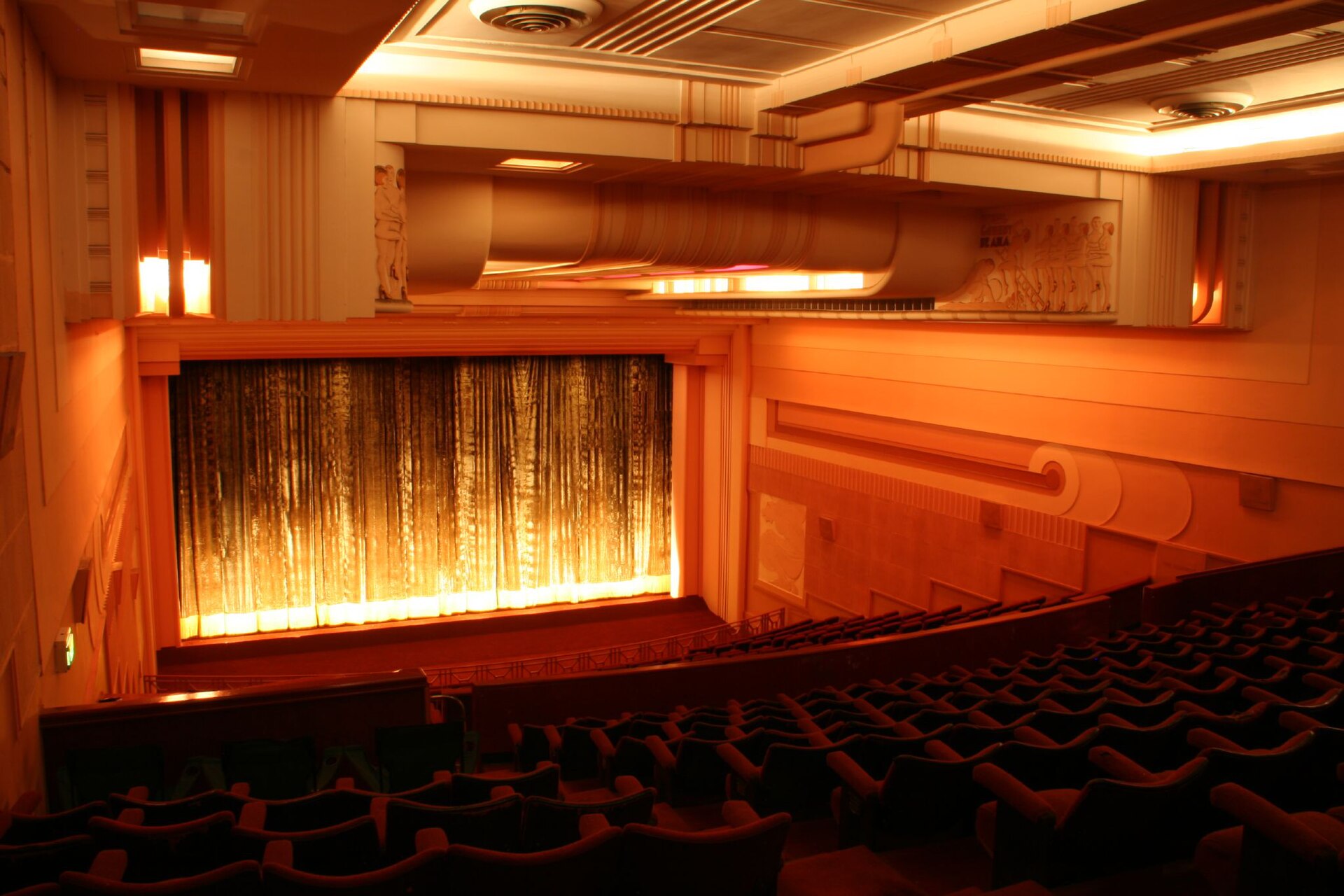
So what does the rise of UK home cinema in 2026 actually mean for how the country watches? Mostly, it means fragmentation – the shared national moment, the thing where half the country saw the same film on the same weekend, is becoming rarer and more deliberate. We have traded the enforced communality of the multiplex for the comfort and control of the front room, and like most trades it comes with a bill attached.
The healthiest version of this future is not one screen beating the other. It is the two settling into honest, separate jobs. The cinema becomes the place for the event, the spectacle, the film that earns a crowd. The living room becomes the everyday default, the place where the bulk of watching happens, increasingly well-equipped and increasingly central to how f
And if the obsession is really about sound rather than screen, the experience has moved out of the living room entirely. Our piece on the UK’s listening bars looks at rooms where the speakers cost more than the fit-out.
For the warmer-weather opposite of a night in, see why Britain’s summer film night has moved outside.