Berberine for Weight Loss in 2026: 23 Trials Found 0.88kg Lost – and Why ‘Nature’s Ozempic’ Is the Wrong Name
Pool every decent trial of berberine for weight loss and the average person loses 0.88kg. Less than a bag of sugar. That’s the headline number from a 23-study meta-analysis published in the International Journal of Obesity in late 2025, and it sits awkwardly next to a TikTok hashtag that has been telling Britain for a couple of years that this yellow plant compound is “nature’s Ozempic”.
In This Article
- Berberine for weight loss: what the pooled trials actually found
- Why "nature's Ozempic" is a marketing line, not a mechanism
- The side effects, and the pills it can clash with
- The arithmetic nobody puts on the tub
- What the trials can't tell you
- The one group with a case for berberine
- Where the money does more
- If you're buying it anyway
It isn’t. And the gap between those two claims is worth a proper look, because berberine for weight loss is now one of the easier supplements to buy on the British high street, and one of the harder ones to get a straight answer about.
Berberine for weight loss: what the pooled trials actually found
Start with the most recent analysis, because it’s the one most likely to be quoted at you. Iman Elahi Vahed and colleagues combined 23 articles and published the results in the International Journal of Obesity. Body weight fell by a mean of 0.88kg compared with control groups (95% confidence interval 0.39kg to 1.36kg). BMI dropped by 0.48. Waist circumference fell by 1.32, though the units in the abstract look garbled, so treat that as roughly a centimetre rather than gospel. Waist-to-hip ratio didn’t change in any way that counted.
The result is statistically real, which is more than you can say for plenty of supplements. It’s also tiny. A drop of 0.88kg is inside the daily wobble of a normal adult’s weight, the sort of thing a salty takeaway undoes by Monday morning.
Now compare it with an older analysis. Xiong and colleagues pooled nine randomised trials in 2020, published in Complementary Therapies in Clinical Practice, and found a weight change of just 0.11kg, with a confidence interval that crossed zero. In plain terms, no detectable effect on the scales. BMI fell by 0.29 and waist circumference by 2.75cm, which is a more interesting result, but it came from nine small trials, mostly run in China, with adults aged 26 to 65.
You’ll also see a figure of around 3kg doing the rounds. One widely shared explainer puts it there, with the best results in women with a BMI over 30 who took at least 1,000mg a day for three months or longer. I can’t trace that number to the newer, larger pooled result, which is a good reason to be wary of it. Subgroups carved out of small trials have a habit of looking better than the whole.
The authors of the 2025 paper say as much themselves. Their conclusion calls for future trials to report purity, potency and the actual grams used, and to fix a “lack of blinding and randomization”. That’s the polite academic way of saying the existing evidence is patchy.
Why “nature’s Ozempic” is a marketing line, not a mechanism
Ozempic is semaglutide, a drug that copies a gut hormone called GLP-1. That hormone tells your brain you’ve eaten and slows the stomach down. Berberine does nothing of the kind.
When the CBC looked into the #NaturesOzempic trend, it quoted Dr Peter Lin, a Canadian family physician, and Dr Sean Wharton, an internal medicine specialist at the University of Toronto and McMaster. Their point was that berberine isn’t a signalling hormone, that its mechanism isn’t fully understood, and that it shouldn’t be thought of as a natural equivalent of the injection. Wharton has done work for Ozempic’s manufacturer, which the CBC flagged, so weigh that as you see fit. But his scientific point isn’t controversial.
What lab work suggests is that berberine nudges an enzyme called AMPK, which has a hand in how cells handle sugar and fat. That’s interesting biology. It’s a long way from “melts weight off”. And berberine is poorly absorbed when swallowed, which is why some products advertise enhanced absorption. That raises its own question, because the doctors quoted by the CBC worry that formulations built to increase absorption could raise the risk of side effects.
The hashtag had more than 12 million TikTok views by the time the CBC covered it. The trials had a lot less to say.
The side effects, and the pills it can clash with
Most people who take berberine and feel something feel it in the gut. Diarrhoea, constipation, wind, an upset stomach. If your plan for autumn involves a long commute, that’s worth knowing before you start a 1,000mg dose.
The less glamorous problem is interactions. Because berberine acts on several body systems, the explainer in The Conversation lists ciclosporin (an immune-suppressing drug), dextromethorphan (found in some cough medicines), and medicines for blood pressure, blood sugar, clotting and sleep as things it may interfere with. If you’re on anything in that list, a pharmacist is the right person to ask before the basket, not after.
Pregnancy and breastfeeding are firm no’s in the sources I could access. Berberine may cross the placenta and pass into breast milk, and that’s enough for anyone planning a baby to leave it alone.
I’d like to point you to a UK regulator line on all this, but I couldn’t find a licensed berberine medicine from the MHRA, and the NHS pages I tried to open wouldn’t load for me. As far as I know it’s sold here as a food supplement, which means nobody checks that the capsule contains what the label says before it hits the shelf. That’s not a berberine problem as such. It’s a supplements problem, and it’s why those purity and potency gaps in the research matter.
The arithmetic nobody puts on the tub
Here’s the number that should end the “natural Ozempic” conversation. In the STEP 1 trial, published in the New England Journal of Medicine in 2021, adults on semaglutide lost an average of 14.9% of their body weight over 68 weeks, against 2.4% on placebo. In SURMOUNT-1, the tirzepatide trial behind Mounjaro, the highest dose averaged around 21% over 72 weeks. For a person weighing 100kg, that’s the difference between losing about 15 to 20kg and losing under one.
Those drugs come with their own baggage: nausea, cost if you go private, and weight that tends to creep back when treatment stops. But they work on a scale berberine simply doesn’t.
Access is the real story in the UK, and it’s why some people reach for a supplement in the first place. NICE recommended Mounjaro on the NHS in December 2024 for adults with a BMI of at least 35 and at least one weight-related condition such as high blood pressure or type 2 diabetes. According to pharmaphorum’s report on the decision, about 3.4 million people qualify, the first wave is roughly 220,000 people with the highest clinical need, and full access could take up to 12 years. Lilly itself said fewer than one in ten eligible patients would be treated in the first three years.
So if you’re stuck on a waiting list, I get the temptation. But a tub from the supplements aisle isn’t a bridge to the same place. It’s a different, much smaller thing, and it’s a bit cruel to market it otherwise.
What the trials can’t tell you
Three gaps matter more than the headline number. The first is duration. Most of these trials ran for weeks or a few months, so nobody can say what happens to weight, or to the liver and gut, after a year of daily capsules. The Conversation’s explainer is blunt that it doesn’t know what happens when people stop.
The second is who was studied. Xiong’s nine trials leaned heavily on adults in China, with a handful from Iran, Italy and Mexico. That tells you little about a British office worker whose diet looks nothing like the one in the study, and who’s probably also taking a vitamin D tablet and a magnesium capsule on the side.
The third is the product itself. Supplements aren’t standardised the way a prescribed tablet is. One trial’s berberine hydrochloride at a measured dose isn’t the same as a mystery blend with black pepper extract added for absorption, and the 2025 authors say as much when they ask for purity and potency to be reported. Trial results are about the trial capsule. The one in your cupboard is a separate question.
None of this makes berberine useless. It makes the confident language on the front of the tub look a long way ahead of the science.
The one group with a case for berberine
Here’s where I’ll give berberine its due. Most of the serious research interest isn’t about weight at all. Studies in people with type 2 diabetes and insulin resistance suggest it can lower blood sugar and improve cholesterol, which is the reason the CBC doctors didn’t dismiss it outright, even while they declined to prescribe it.
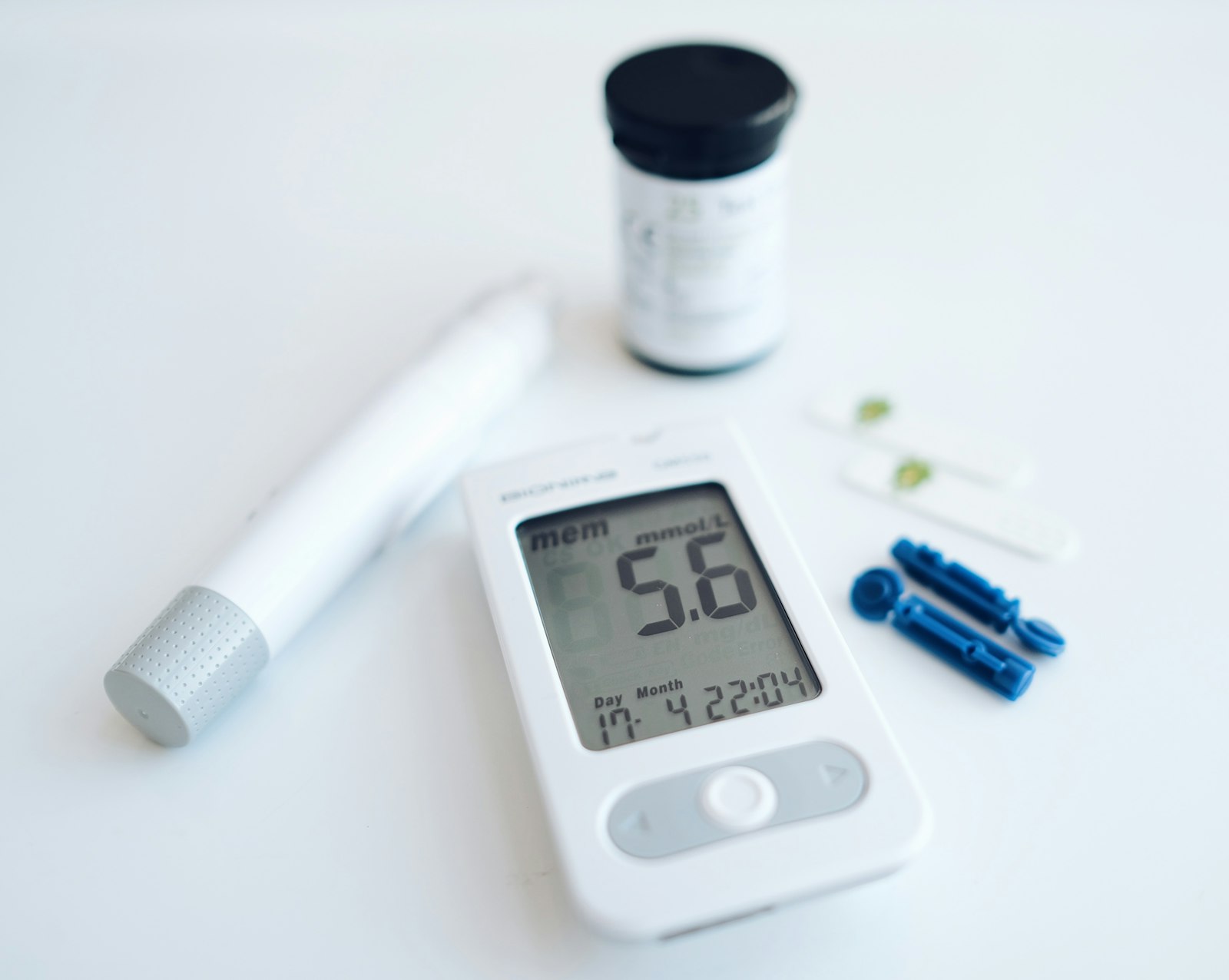
If that’s you, the sensible move isn’t buying capsules and hoping. It’s raising it with your GP or diabetes nurse, because berberine can lower blood sugar further, and stacked on top of existing medication that’s a problem rather than a bonus. If you’ve already been looking at continuous glucose monitors to see what your own numbers do, our piece on whether continuous glucose monitors are worth it for non-diabetics covers what those readings can and can’t tell you.
For everybody else – healthy blood sugar, no diagnosis, hoping for a lighter number on the bathroom scales – my honest view is that berberine for weight loss isn’t worth the money. Not because it’s dangerous for most adults, but because the likely payoff is about the weight of a bag of sugar.
Where the money does more
The pattern across supplements this year is consistent. The things that move weight are dull. Enough protein to stay full, more daily movement, a calorie gap you can actually live with. If you want to know where your protein target should sit, the maths in our protein guide is a better use of ten minutes than any capsule label.
And if the appeal of berberine is that it feels like a shortcut, it’s worth reading what Cochrane found when it pooled trials on eating windows. We covered it in intermittent fasting for weight loss, and the short version is that timing tricks beat ordinary dieting by nothing. Shortcuts, as a category, keep underperforming.
There’s a wider habit worth naming here, too. Berberine is the latest in a line of powders and capsules sold on a single promising mechanism and a lot of enthusiasm. We’ve gone through greens powders and NMN with the same question: what does the best trial actually show, and who ran it? The answers are rarely as thrilling as the packaging.
If you’re buying it anyway
Plenty of adults will anyway, and nobody’s stopping you. A few things make the experience less of a gamble.
Check the dose per capsule against the number you need. Trials used anywhere from 300mg to 3,000mg a day, and Holland & Barrett alone lists 1,000mg products, so the label’s serving size can quietly double what you’re taking. Start at the low end of the range, and expect your stomach to be the first thing to complain.
Tell your pharmacist what else you take. It takes two minutes and it’s the single most useful thing on this list.
Give it a fixed trial, say twelve weeks, and decide in advance what result would count as worth it. If your waist and the scales haven’t moved by then, stop. The meta-analyses suggest that’s the likeliest outcome, and sunk cost shouldn’t keep you buying tubs.

Berberine isn’t a scam. It’s a modestly interesting compound with a better case for blood sugar than for weight, wrapped in a nickname it hasn’t earned. The most useful thing the “nature’s Ozempic” label did was show how badly people want an affordable, accessible option while NHS jabs remain years away for most. That demand isn’t going anywhere. So here’s the question worth asking before you spend another tenner on a tub: if the best-case result is under a kilo, what would you rather put that money towards?