UK Audiobooks 2026: Why Listening Became Britain’s Fastest-Growing Reading Habit
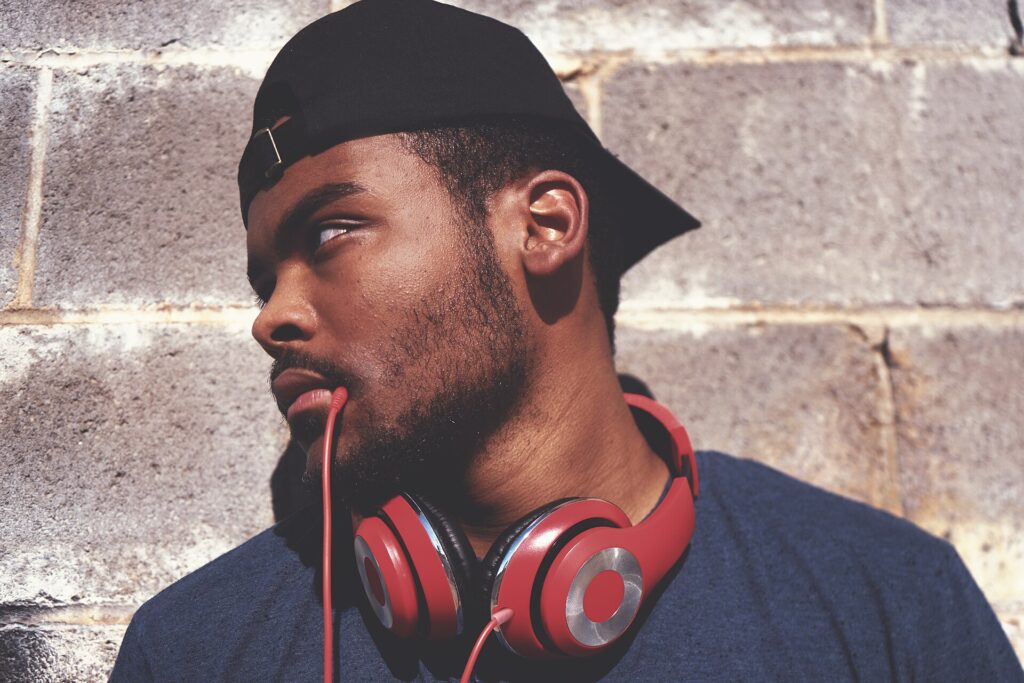
Stand on a packed Northern line carriage at half eight in the morning and count the headphones. Most people assume it’s all music or podcasts. It isn’t. A growing share of those commuters are halfway through a novel, listening to someone read it to them, and the numbers behind that quiet shift are the most interesting thing happening in British publishing right now. The story of UK audiobooks 2026 isn’t a gadget story or a tech story. It’s a story about how Britain found a way to read more by reading less.
In This Article
- What the UK audiobooks 2026 figures actually show
- The commute did the heavy lifting
- It’s the narrator, not the novel
- Who’s actually listening
- Audible owns it – until it doesn’t
- The free option everyone forgets
- Is listening really reading? Honestly, who cares
- The AI narration problem nobody’s solved
- What this means if you’ve never tried it
(If you’re after recommendations rather than numbers, our pick of the best British audiobooks of 2026 is the place to start.)
And the trade body’s own figures back it up.
Prize season feeds the format too – several titles from the Booker Prize 2026 longlist already have strong audio editions.
What the UK audiobooks 2026 figures actually show
UK publishing pulled in a record £7.4 billion in 2025, according to the Publishers Association’s annual Publishing in 2025 report. Digital revenues grew 7% to £3.6 billion, and the bit doing most of the running was digital audio, which now accounts for 10% of the entire consumer publishing market. A decade ago it was a rounding error. The same instinct is feeding the vinyl revival, where Gen Z is buying records without owning a turntable.
The line that stuck with me came from Dan Conway, the Association’s chief executive. “In 2025 we were more likely to listen to a book, or to read content digitally, than ever before,” he said when the figures landed. That’s not marketing fluff. It’s the trade admitting that the format mix has tipped.
Go back a year and the trajectory is even starker. Audiobook revenue jumped 31% in 2024, a rate of growth print can only dream about. Fiction crossed £1 billion in the UK for the first time in the same period, with romance and fantasy doing the heavy pulling – and a big chunk of that fiction is now consumed through an earbud rather than a paper page.

Here’s the part that gets lost in the breathless coverage, though. Print isn’t dying. It still makes up 79% of consumer revenue, and physical book sales stayed flat rather than falling off a cliff. So the honest framing isn’t “audio kills the book”. It’s that audio has found new time in people’s days that print never had access to. You can’t read a hardback while you’re driving to Leeds. You can finish a thriller.
The commute did the heavy lifting
Audiobooks won the bits of the day that books couldn’t reach. The drive. The dog walk. The forty minutes of ironing nobody enjoys. That’s the genuine engine here, and it’s why the format’s growth tracks so neatly onto dead time rather than leisure time.
I switched to listening during a stretch of long motorway commutes a couple of years back, mostly out of boredom, and got through more books in three months than I’d managed in the previous two years of good intentions and a bedside pile I never touched. That’s not unusual. The people who listen tend to consume far more titles than they ever bought in print, because the listening slots into hours that were previously just… gone.
This is also where the snobbery starts to look silly. There’s a persistent idea that audio is the lazy option, the reading equivalent of having your dinner blended. But nobody who finishes thirty books a year through their headphones is being lazy. They’ve just found a way to fit stories into a life that doesn’t have a free hour to sit in an armchair.
The same instinct that’s powered the vinyl revival – wanting a slower, more deliberate relationship with culture – is oddly mirrored here, just from the opposite direction. Vinyl makes you sit still and pay attention. Audiobooks make culture portable enough to survive a busy week. Both are reactions to the same problem: not enough quiet hours.
It’s the narrator, not the novel
Ask anyone who listens a lot and they’ll tell you the same thing: a bad narrator can sink a brilliant book, and a great one can rescue a mediocre one. The performance is the product. This is the single most underrated reason the format took off, and publishers worked it out late.
Stephen Fry’s reading of the Harry Potter books is the obvious example – a generation of British listeners can do his Hagrid from memory. But the casting has got far more ambitious than celebrity voices. Full ensemble productions, original scores, sound design that wouldn’t be out of place on Radio 4. The line between an audiobook and the kind of audio drama BBC Sounds quietly does so well is getting blurry, and that’s no accident. Listeners will pay for a performance in a way they won’t pay for a flat text-to-speech read.
When an author narrates their own memoir and gets it right, there’s an intimacy print simply can’t match. You’re not reading their words. You’re being told their story, in their voice, with their pauses. David Sedaris built half his reputation on it. The format rewards writers who can actually perform, and exposes the ones who can’t.
And this is why I’d argue the narrator deserves billing alongside the author. We credit the director of a film adaptation. We should probably stop treating the person who spent eleven hours in a booth bringing a book to life as an afterthought in the small print.
Who’s actually listening
The stereotype of the audiobook listener – a retiree with failing eyesight – is years out of date. The heaviest consumers in the UK now skew younger and male, with the 25-to-34 bracket leading the way. That’s the demographic publishers spent two decades insisting had stopped reading entirely. Turns out they hadn’t. They’d just been waiting for books to come to them in a format that fit around the gym and the gaming and the commute.
The other engine is romance and fantasy, or “romantasy” as the BookTok crowd insists on calling it. These are long, propulsive, plot-driven books that listeners tear through, and they’ve dragged a younger audience into audio almost by accident. Someone discovers a series through a thirty-second video, runs out of patience waiting to find the time to sit and read, and the audiobook becomes the obvious answer. The same online word-of-mouth that revived physical bookshops is quietly feeding the audio charts too.
Audible owns it – until it doesn’t
One company sits on top of all this, and it’s not a publisher. Audible, owned by Amazon, controlled roughly 63% of UK audiobook revenue in 2024. That’s the kind of market share that makes regulators twitchy and authors nervous, because when one shop sets the terms – the subscription credit model, the royalty splits, the recommendation algorithm – it shapes what gets made.
But the grip is loosening. Spotify barged into the UK market by bundling audiobooks into its Premium tier, handing subscribers around 150,000 titles and fifteen hours of listening a month at no extra cost. For a casual listener who already pays for music, that’s a genuinely good deal, and it reframes the audiobook as just another thing your streaming subscription does rather than a separate purchase you have to justify.
That shift matters more than it sounds. The moment audiobooks stop being a deliberate £8 buy and become a free perk you stumble into, the audience widens to people who’d never have called themselves audiobook listeners. It’s the same trick streaming pulled on the music industry, for better and worse. More access, more listening, and a long argument about who actually gets paid.
The free option everyone forgets
The subscription giants would rather you didn’t dwell on this, but a big slice of the catalogue is free, and has been for years. Your local library card gets you into apps like BorrowBox and Libby, where you can borrow audiobooks the same way you’d borrow a paperback, at no cost beyond the council tax you already pay.
The selection isn’t as instant as Audible – popular titles have waiting lists, and you’ll sometimes sit in a queue for a few weeks. But for anyone who listens steadily rather than obsessively, it covers most of what you’d want, and it quietly props up library services that are fighting for every penny of funding. I’d nudge anyone about to start a paid subscription to try the library route first. Plenty of people are paying a tenner a month for something their own town hall offers for nothing, mostly because nobody told them.
Is listening really reading? Honestly, who cares
There’s a tedious debate that resurfaces every time someone mentions audiobooks at a dinner party. Does listening “count”? Are you really reading if a voice is doing the work for you?
The cognitive science here is messier than either camp wants it to be. Some studies suggest comprehension is broadly comparable across reading and listening for straightforward narrative; others find that your mind wanders more easily through an audiobook, and that you retain dense or technical material better on the page. So if you’re studying for an exam, the paperback probably still wins. For a Sunday-afternoon thriller, the difference is academic.
But the “does it count” question is mostly snobbery dressed up as concern. Reading aloud is how stories existed for most of human history. The silent, solitary, eyes-on-page version we treat as the only legitimate form is a relatively recent default, not some natural law. A blind reader has always “read” through their ears and nobody questioned whether it counted. The sudden purity test only appears when sighted people start enjoying it on the bus.
My honest take? If you finished the book and you can tell me what happened and why it moved you, you read it. The delivery mechanism is nobody’s business. The people clutching their pearls about audio tend to be the same people who haven’t finished a novel since university.
The AI narration problem nobody’s solved
There’s a shadow over all this, and it’s worth being straight about. The thing that makes audiobooks special – a real human performance – is exactly the thing the industry is now tempted to automate away. Audible has begun rolling out AI-generated narration, pitched as a way to get more backlist titles into audio cheaply. The synthetic voices have got unnervingly good.
For a dry instruction manual, fine. For a novel? It’s a category error. The whole value of the format is the human in the booth making a thousand tiny choices about pace and tone and where to let a silence sit. Strip that out and you’ve got a slightly nicer screen reader, and listeners will feel the difference even if they can’t name it. The narrators’ union has every right to be furious, and authors should be paying close attention to what their contracts now permit.
This is the tension that’ll define the next few years. The format grew because it felt more human than reading, not less. If publishers chase margins by hollowing out the performance, they’ll kill the very thing that won them all those new listeners on the morning commute. Vinyl came back because people wanted something tactile and real. Audio could just as easily lose its audience if it starts feeling fake.
What this means if you’ve never tried it
If you’re print-loyal and faintly suspicious of all this, start with a book you’ve already read and loved, narrated by someone good. Hearing a familiar story performed well is the fastest way to understand what the fuss is about. Pick a memoir read by its author, or a comic novel with a narrator who can actually land a joke. The bad first experiences nearly always come from a flat, badly-cast read of a book you didn’t care about anyway.
Short of material? Our pick of the best summer books of 2026 works just as well through headphones as on paper.
And if you already listen, the interesting frontier isn’t the bestseller chart. It’s the full-cast productions and the author-narrated backlist, where the format does things a paperback physically can’t. Pair it with a decent e-reader for the dense stuff and you’ve covered every gap in your day.
The £7.4 billion headline will fade by next summer, replaced by a bigger one. What won’t change is the basic discovery Britain made: there’s far more time for stories than we thought, as long as we’re willing to listen to them. So what’s the last book you actually finished – and were your eyes open or shut?