

Best Summer Books 2026: The Eight Reads Britain Will Actually Finish
The bestselling novel on Britain’s beaches this summer is about a Hungarian bodyguard who answers most questions with the word “okay”. Not a serial killer thriller, not a romance with a lemon on the cover – a Booker winner. If you want a snapshot of where the best summer books 2026 have landed, that’s it: the so-called difficult books are the ones actually selling, and the paperback charts look more like a prize shortlist than a supermarket shelf.
In This Article
- Land by Maggie O'Farrell – the one every book club will fight over
- John of John by Douglas Stuart – the best British novel of the year so far
- Flesh by David Szalay – the Booker winner that fits in a jacket pocket
- Sunstruck by William Rayfet Hunter – the beach read with teeth
- Atmosphere by Taylor Jenkins Reid – the crowd-pleaser that earns it
- Three Summers by Karen Swan – the pure escapism pick
- The Emperor of Gladness by Ocean Vuong – the one to borrow, not buy
- Murder at the Grand Alpine Hotel by Lucy Foley – the cheat entry worth pre-ordering
- What the best summer books 2026 say about us
Some of that is the Booker effect. Some of it is BookTok growing up. And some of it is that this year’s big literary novels happen to be properly readable – family sagas, croft dramas and villa-set page-turners rather than 600 pages of interiority.
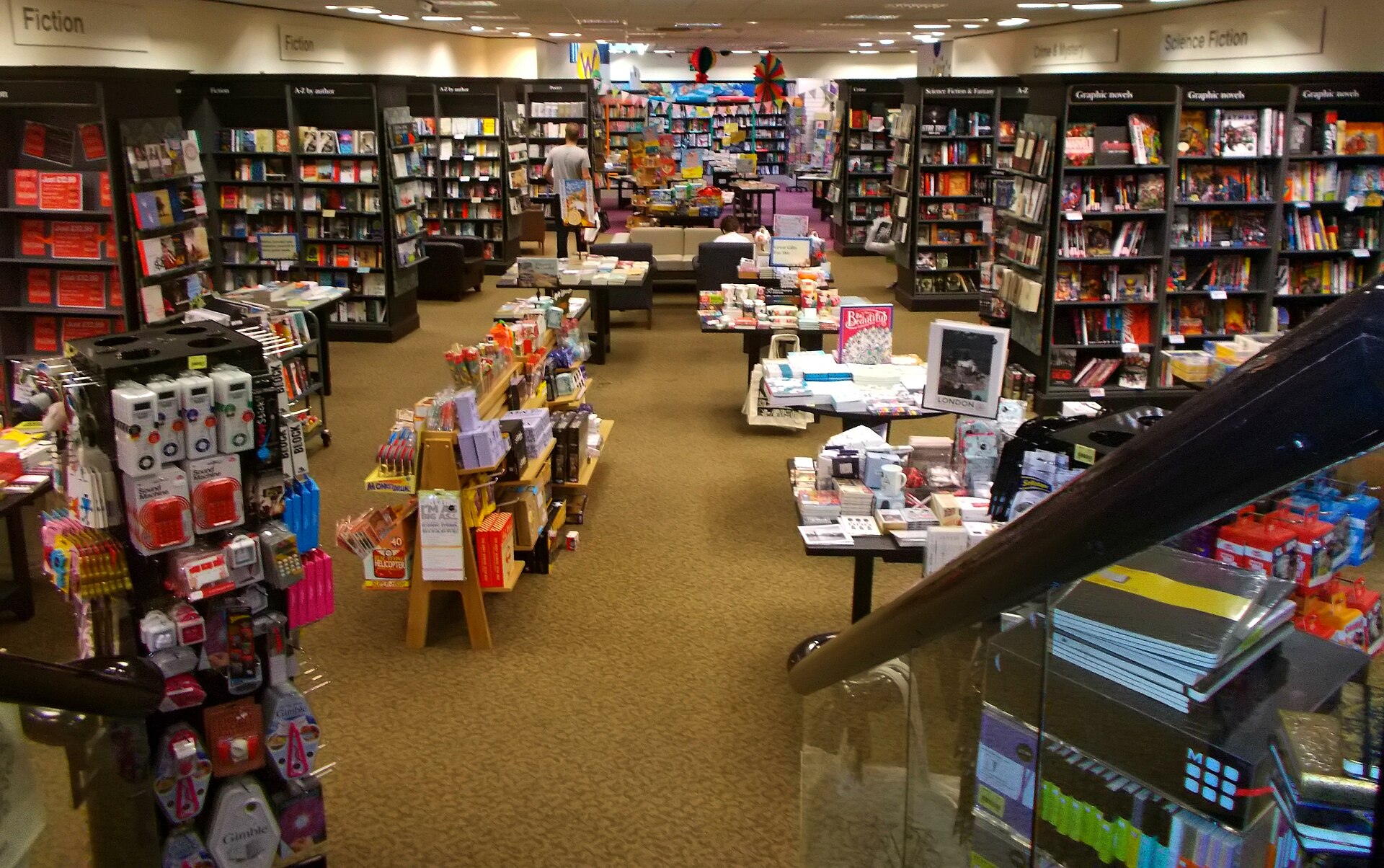
Walk past the front table of any Waterstones this week and you can watch the change happening. The famine saga is stacked next to the aeroplane thriller, and it’s the famine saga that needs restocking. Booksellers have been saying for a couple of years that literary fiction is selling to people who five years ago bought one book a summer, and the summer table finally reflects it.
So this list works to one rule: every book here is one you’ll actually finish. Not admire from the bedside table. Finish. Seven are out now, and there’s one cheat entry at the end that isn’t out until September but earns its place anyway.
A note on format before the list proper: where a paperback exists, we’ve said so, because nobody should be donating hardback weight to an easyJet baggage allowance without knowing the softcover lands in the autumn.
And if you want to get ahead of the autumn conversation, the Booker Prize 2026 longlist has just landed – thirteen books, several of them very strange, all worth a look before the shortlist narrows things down.
Land by Maggie O’Farrell – the one every book club will fight over
The biggest literary event of the summer, and for once the hype is doing the book a disservice by underselling it. Land, published in June, follows an Irish family through the wreckage of the 1840s famine, and O’Farrell has said the story draws on her own family history. It’s her first novel since The Marriage Portrait, and the Hamnet audience has been waiting four years for it.
What makes O’Farrell such a reliable holiday author is that she writes literary fiction with the engine of a thriller. Hamnet was, at heart, a book about a dying child, and people read it on aeroplanes. Land does the same trick with the famine – the subject is heavy, the pages turn themselves. She’s been everywhere talking about it, and it will be the book you see most often by the pool this August.
The one catch is physical: it’s hardback-only this summer, and it’s not a small book. If your luggage is already at the limit, this is the strongest argument going for finally caving on an e-reader – or for buying it at the airport and accepting the shoulder ache as part of the experience.
Reading on a screen instead? See the best e-reader under £100.
Pack it if: you want the one everyone will be asking about in September.
John of John by Douglas Stuart – the best British novel of the year so far
Here’s an opinion this site will stand behind: John of John is a better novel than Shuggie Bain. The Orwell Prize panel shortlisted it for their 2026 political fiction award, and Oprah picked it for her book club, which tells you how far a story set on a Hebridean croft has travelled.
Cal MacLeod is 22, just out of art school in Edinburgh, and back on the Isle of Harris to help on the family croft. It’s the late 1990s, everyone knows everyone, and Cal is carrying a secret the island has no room for. Stuart writes shame and tenderness better than almost anyone working, and here he’s swapped Glasgow tenements for machair and weather you can feel through the page. The Bookseller announced the Picador deal with the usual publishing fanfare; the book outstrips it.
It’s not a beach book in any traditional sense. You’ll read the last 50 pages in one sitting anyway.
A practical note: this is also the entry most likely to wreck the holiday’s social contract. Whoever reads it first will spend two days pressing it on everyone else, and dinner conversation will not move on until at least one other person caves. Plan accordingly.
Pack it if: you want to be ahead of the prize lists rather than behind them.
Flesh by David Szalay – the Booker winner that fits in a jacket pocket
Flesh won the Booker Prize in 2025, and the paperback has been out since late March, which makes this the first proper summer it can do what it was built for: being read in two days somewhere hot.
Istvan starts as a shy teenager in a Hungarian apartment block and ends up among London’s very rich, and Szalay tells the whole rags-to-riches arc in prose so stripped back that “okay” carries entire chapters of feeling. That sounds like a gimmick. It isn’t. The gaps are where the book lives, and the effect is closer to watching someone’s life through a train window than reading a conventional novel.
Fair warning: it divides people. My mate who reads two books a year called it the best thing he’d picked up in a decade; someone else on the same holiday gave up at page 80 and went back to her crime novel. But short chapters, plain sentences and a propulsive story make it the least intimidating Booker winner in years. If literary prizes usually put you off, start here.
There’s also something quietly funny about Flesh becoming a status object. A novel about a man who barely speaks, carried around by people keen to be seen with it – Istvan himself would find the whole thing baffling, and would say so in one word.
Sunstruck by William Rayfet Hunter – the beach read with teeth
Every summer needs one novel set at a beautiful holiday house where everything slowly curdles, and Sunstruck is the current holder of the title. AnOther Magazine called it “the Saltburn-esque novel poised to be book of the summer”, and the comparison gets people through the door – though Hunter’s book goes at race, class and desire with far more precision than that film ever managed.
An unnamed mixed-race student from Manchester is folded into the orbit of the wealthy Blake family and their house in the south of France, where he finds himself drawn less to his friend Lily than to her magnetic, careless older brother Felix. You can see most of the wreckage coming. You keep reading anyway, which is rather the point.
Hunter was named an Observer Best New Novelist, and the debut-of-the-summer tag has followed the book around since it came out through Merky Books, Stormzy’s Penguin imprint. That pedigree matters less than this: it’s properly hard to put down in the last hundred pages, and it will start at least one argument over dinner about whether the narrator deserves what he gets.
Now in paperback, at the exact moment you need something to read by a pool while feeling faintly suspicious of the people who own it.
Atmosphere by Taylor Jenkins Reid – the crowd-pleaser that earns it
Taylor Jenkins Reid sells in numbers most authors see only in dreams, and the snobbery that follows her around has always been a bit lazy. Atmosphere – a love story set among 1980s NASA astronaut candidates – is her most ambitious book, and the one to hand to anyone who wrote her off after Malibu Rising.
The research is worn lightly, the romance at the centre actually lands, and the shuttle-era setting gives the whole thing stakes her celebrity novels never quite had. It’s also built for interrupted holiday reading: you can put it down for a two-hour lunch and pick the thread straight back up.
Is it literature? Wrong question. It’s a 100,000-word machine for making an afternoon disappear, and machines this well-built deserve respect.
One tip for newcomers: you don’t need to have read her earlier books. The internet will tell you her novels share a universe and must be read in order. They don’t and they mustn’t. Start here, and if the astronauts win you over, The Seven Husbands of Evelyn Hugo is waiting for the flight home.
Three Summers by Karen Swan – the pure escapism pick
No caveats, no prize citations, no discourse. Three Summers is set on the Puglian coast, it features exactly the mix of sun-bleached glamour and slow-burn romance the cover promises, and Penguin put it front and centre of their summer reading push because they know precisely what July is for.
Swan is a professional at this. The settings are researched to the last aperitivo, the pacing never sags, and the emotional payoff lands. There’s a strange snootiness about books like this one, usually from people who watch three hours of property telly a night. Ignore them. A well-made holiday romance is a craft object like anything else, and this is a well-made holiday romance.
Pack it if: the holiday is the point and the book needs to keep up.
The Emperor of Gladness by Ocean Vuong – the one to borrow, not buy
Time for the contrarian entry. The Emperor of Gladness – Vuong’s novel about Hai, a 19-year-old talked down from a bridge by an elderly widow he then moves in with – has been treated as untouchable since it landed. The sentences are as good as everyone says. Individual scenes – above all anything set in the fast-food kitchen where Hai works – are among the best published this decade.
But the middle third is a slog, and pretending otherwise does nobody any favours. The plot more or less stops for 100 pages while the prose admires itself, and on a sun lounger – where distractions are plentiful and commitment is thin – that’s where most copies get abandoned. This is a book for a rainy cottage week in Wales, not a beach in Crete. Borrow it from someone in your book club, read the first and final thirds closely, and skim with a clear conscience.

Murder at the Grand Alpine Hotel by Lucy Foley – the cheat entry worth pre-ordering
Out on 8 September, so strictly speaking this one misses the deadline. It stays on the list because it’s the most interesting crime publishing event of the year: the first full-length Miss Marple novel in 50 years – since Sleeping Murder in 1976 – written by Lucy Foley with the blessing of the Christie estate.
The setup is pure Christie: a grand hotel in the Swiss Alps, guests arriving for skiing and indulgence, a body, and a blizzard that seals everyone in. Foley built her career on locked-circle mysteries like The Guest List, so the fit is obvious – she spoke to The Bookseller about taking on the continuation, and the estate doesn’t hand Marple out casually. Pre-order it now and it lands just as the tan fades. Think of it as insurance against the end of summer.
Will it be as good as the originals? Almost certainly not – continuation novels rarely are, and the Poirot ones ranged from decent to forgettable. But Foley is the most natural fit the estate could have chosen, and a snowbound hotel full of secrets is exactly the register she works best in. Cautious optimism, with a pre-order attached.
And if you want to hear any of these read aloud by the people who wrote them, the Edinburgh Book Festival is running 604 events with a £21 ticket ceiling this month.
What the best summer books 2026 say about us
Look at this list again. A famine saga, a Hebridean coming-of-age, a Booker winner, and a Saltburn-adjacent class drama – alongside the NASA romance and the Puglia escape. Five years ago the summer lists were wall-to-wall domestic thrillers with “girl” in the title. The shift is real, and it mirrors what’s happening across British culture this year: the same appetite for substance that has people queueing for this summer’s London exhibitions and paying attention to a properly strong year for British albums.
Reading is having the same quiet renaissance as sitting in a bar listening to records or queueing for an £8 Proms ticket: analogue, slow, slightly smug, and better for you than the alternative.
There’s a cynical reading of all this, which is that carrying a Booker winner to the beach is just another form of display, the literary equivalent of the right tote bag. Probably true for some. But display has always been part of why people read in public, and if status anxiety gets a few thousand more people through Flesh, the books win either way.
One book per week of holiday is the honest ratio – anyone packing five novels for a fortnight is packing for the person they’d like to be. So choose two from this list and choose them for the holiday you’re actually taking, not the one in your head.
Which one goes in the bag first – the famine saga you’ll still be thinking about in October, or the Puglian romance you’ll devour by Wednesday?