
Listening Bars UK 2026: Why Hi-Fi Rooms Are Reshaping the British Night Out
The best-sounding room in Britain right now isn’t an arena, a superclub or the Royal Albert Hall. It’s a sixty-seat bar where the staff choose the records, the speakers cost more than the fit-out, and the loudest thing you’ll hear apart from the music is ice hitting a glass. Listening bars have gone from a niche London obsession to the fastest-spreading idea in UK nightlife, and in 2026 they’re doing something no one predicted: growing while the nightclub next door boards up its windows.
In This Article
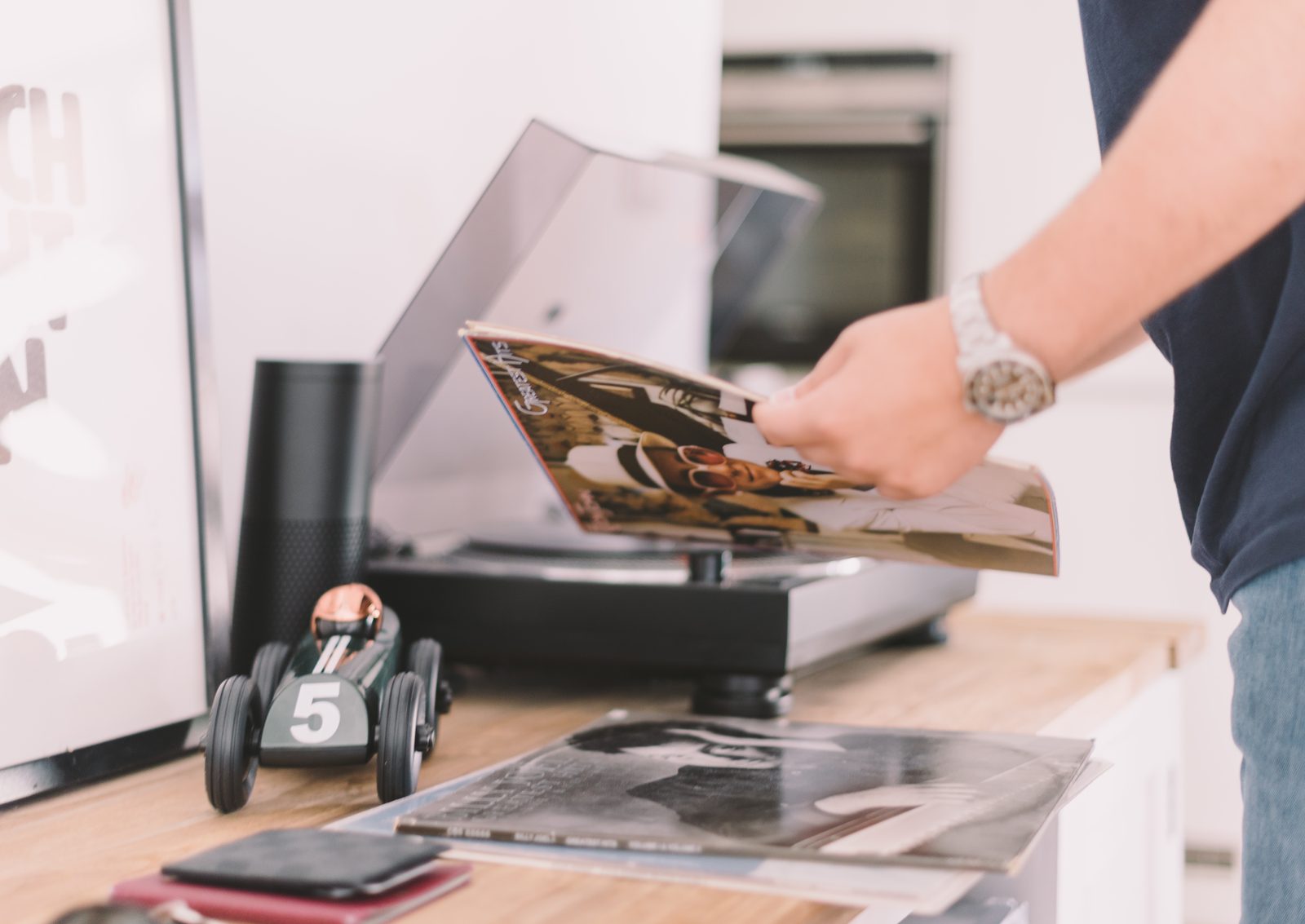
If you haven’t been to one yet, the premise sounds almost like a wind-up. You pay for a drink, you sit down, and you listen. That’s it. No headline DJ, no queue for the smoking area, no one bellowing a work story directly into your ear canal. The music – almost always vinyl, played through a serious hi-fi system – is the point, not the backdrop.
And Britain can’t get enough of it.
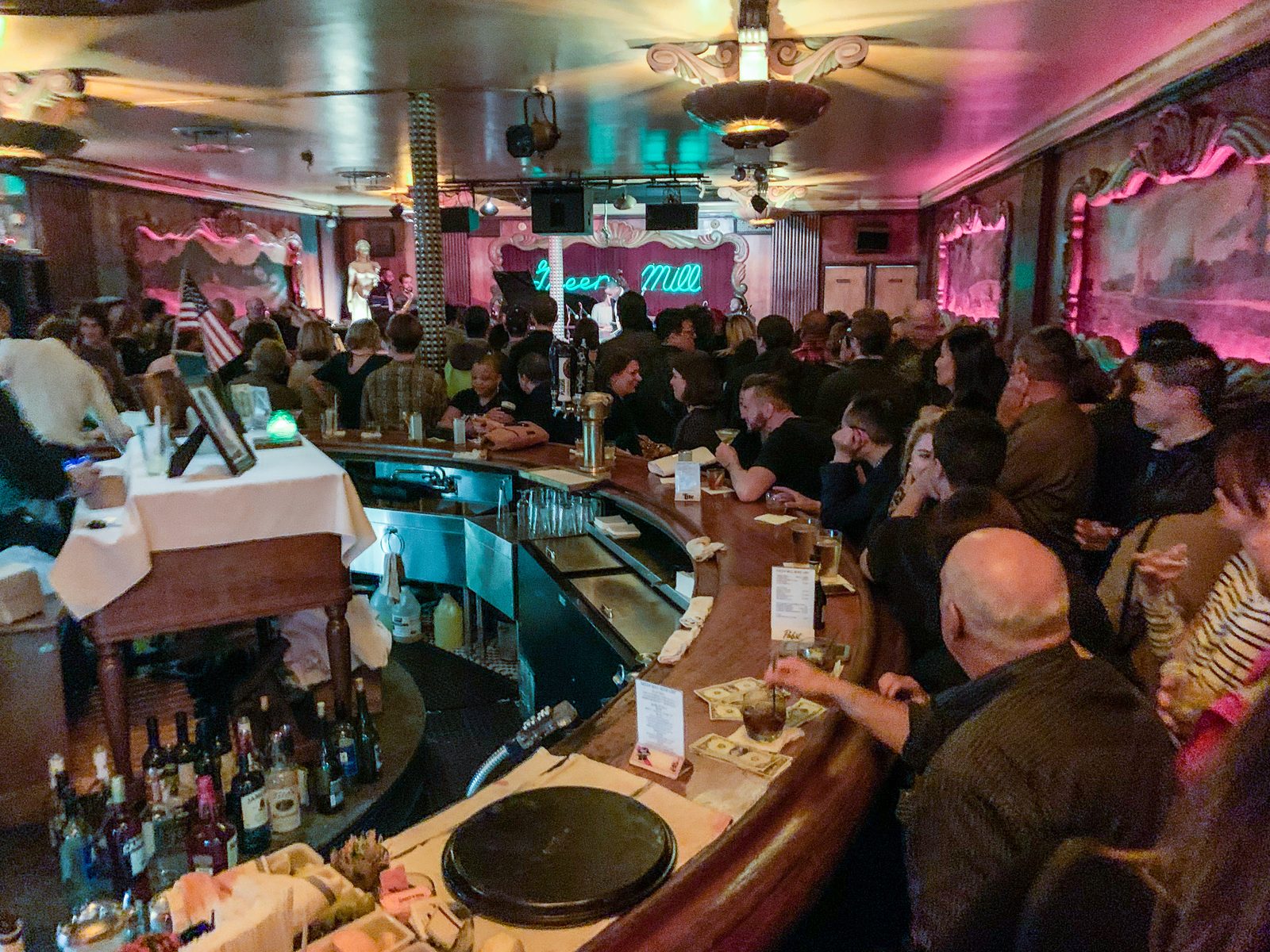
A pint, a record and nobody shouting over the chorus
The idea isn’t new, and it isn’t British. Japan’s jazz kissa – cafes built around a record collection and a pair of expensive speakers – date back to the 1950s, when buying imported jazz LPs was beyond most Tokyo wallets, so people paid for a coffee and heard them in company instead. The format survived because it solved a problem that never went away: most places where you hear music are terrible places to actually listen to it.
London’s version arrived slowly, then all at once. Brilliant Corners has been doing the acoustically-treated-room-and-good-wine thing in Dalston for over a decade. Spiritland built its King’s Cross venue around a system most recording studios would envy. Behind This Wall, in a basement under Hackney’s Narrow Way, has described itself as a “lo-fi bar with hi-fi intentions” since 2015. For years these were outliers, beloved by record collectors and quietly ignored by everyone else.
Then the past three years happened. Mixmag’s most recent survey of London’s hi-fi bars runs to sixteen venues and still misses a few, taking in everything from JUMBI in Peckham, the Afro-Caribbean listening bar co-founded by Rhythm Section’s Bradley Zero, to Goodbye Horses in De Beauvoir, where restored Tannoy Lancaster speakers sit in a quadrophonic arrangement inside a former pub. Stereo in Covent Garden squeezed a 600-capacity music-first venue onto the site of the old Roadhouse. Seed Library put a rotary mixer in a hotel basement in Shoreditch. The format stopped being a curiosity and became a category.
The numbers behind the quiet boom
Here’s the uncomfortable context: this is all happening while British nightlife shrinks at a rate that should alarm anyone who’s ever danced in a room with strangers. According to Night Time Industries Association figures reported by The Drinks Business, around one in four UK late-night venues has closed since 2020, and roughly a quarter of British towns and cities that had a nightclub in 2020 no longer have one at all. Through spring 2025 the sector was losing venues at a rate of about three a week.
Vinyl, meanwhile, is having its best run since CDs were invented. The BPI’s 2025 figures put UK vinyl sales at £174.4 million, up nearly 20% year on year and the format’s highest level in more than three decades – its 18th consecutive year of growth, within a recorded music market that passed £1.5 billion for the first time. And the top sellers weren’t reissues for nostalgic dads; they were new records by Olivia Dean and Sam Fender, the same artists dominating this year’s best British albums.
Put those two lines on the same graph and the listening bar stops looking like a fad. It’s what happens when a country full of people who own records and increasingly can’t face a club night go looking for somewhere to be on a Thursday.
How listening bars spread across the UK
The lazy version of this story is a London story. The true version is more interesting.
Leeds now has Pardon Me, a neighbourhood record bar its founders spent three years planning around trips to listening bars across Europe. Stockport – Stockport! – has Ōdiobā, a three-floor audio bar that would look at home in Shibuya. In Glasgow, Mamasan tore out its old setup and rebuilt the whole venue around a purpose-designed sound system. Manchester had NAM, an audiophile bar and kitchen that won a devoted crowd before running costs killed it, and the gap it left is already being circled by new openings.
What’s striking is how un-London the appeal turns out to be. The listening bar works in smaller cities precisely because it doesn’t need a 2am licence, a bouncer or a thousand ticket sales to break even. It needs a decent room, a record collection with a point of view, and people willing to pay London prices for Picpoul. Two of those three exist everywhere.
There’s also a musicians’ economy underneath it. Bar Levan in Peckham, a vinyl-only spot named after the Paradise Garage legend Larry Levan, was set up partly as a home for selectors who never get near a club booking. “There are a lot of great DJs with superb collections that just don’t get the chance to play the ‘clubs’,” its founder told Mixmag. “It gives these creatives an essential outlet.” When the grassroots circuit is shedding venues, a bar that pays a DJ to play records at conversation volume isn’t a novelty. It’s infrastructure.
Why sitting down became the point
It’s tempting to file this under “millennials got old”, and there’s some truth in it. The generation that built its identity on club nights now has knees, mortgages and 6:45am alarms. But that explanation misses what’s actually being sold.
A listening bar charges you for attention, not volume. In a year when we’ve written about Britain’s growing appetite for audiobooks on the commute and the scramble for twelve nights of Harry Styles at Wembley, the common thread is obvious: people will pay properly for listening experiences that feel deliberate, and they’re increasingly bored of ones that don’t. Streaming made all music available and none of it special. A stranger dropping the needle on a Pharoah Sanders record through £40,000 of speakers makes one album, for forty minutes, feel like an event again.
It’s the same instinct that keeps the £8 Proms ticket the best deal in British live music: the format insists the music deserves your full attention, and the audience turns out to agree.
The drinking maths matters too. Nobody sinks eight pints at a listening bar. You have two good drinks, you hear a side of something you’d never have chosen, you’re home by midnight and you feel like you went somewhere. For a generation drinking measurably less than its parents did, that’s not a compromise. That’s the brief.
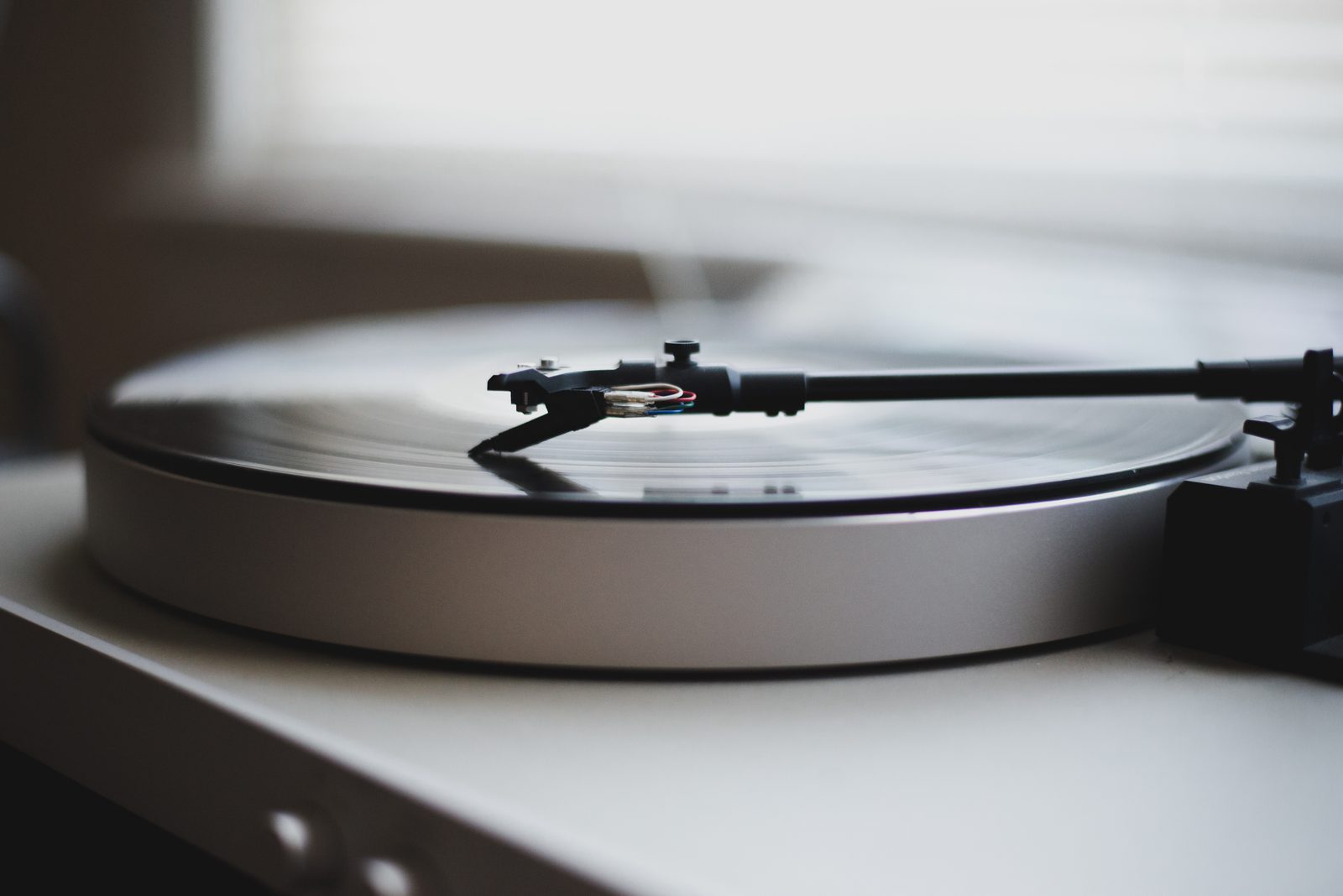
What all that expensive kit is actually doing
A fair question, if you’ve never sat in front of a proper system: what’s the difference between this and a good pub with a Sonos?
Quite a lot, as it turns out, and almost none of it is about volume. A club rig is built to move air – to make 500 chests thump at once – and it does that by sacrificing everything else. A listening bar system is built to do the opposite: reveal detail at levels where you can still order a drink without miming. That’s why so many of these venues run horn-loaded or full-range speakers from another era, restored Tannoys and Klipschorns and JBLs, driven by valve amplification. Old kit like that was designed for living rooms, so it’s remarkably good at sounding alive when it’s quiet. Modern PA speakers, by contrast, only wake up when they’re loud.
The rooms matter as much as the boxes. Brilliant Corners treated its ceiling and walls before it worried about the wine list. Goodbye Horses arranged its four Tannoy Lancasters quadrophonically, so the sound arrives from around you rather than at you. Several venues run rotary mixers – the smooth-knobbed, faderless sort associated with New York’s loft parties – because blending records gently suits a room where nobody’s waiting for a drop.
There’s now a small British cottage industry underneath all this. Firms like Audio Gold in London supply and restore the vintage gear, and builders such as Friendly Pressure make new systems that borrow old ideas; when Bambi in London Fields wanted a soundsystem for its dinner-party-turned-house-party format, it commissioned one rather than buying off the shelf. Ten years ago that expertise served recording studios and rich hobbyists. Now it fits out bars in Stockport.
You don’t need to know any of this to enjoy the result. But it explains the odd magic of the format: the first time you hear a bassline resolve into actual notes at background volume, somewhere in your brain a switch flips, and the Bluetooth speaker in your kitchen never quite recovers.
The £14 negroni problem
Now the contrarian bit, because this boom has a silly side that deserves naming.
A record wall and a pair of vintage Klipschorns don’t, by themselves, make a good night out. Some of the newer openings are furniture showrooms with a turntable – rooms where the system cost a fortune, the staff treat requests like a breach of etiquette, and you’re paying £14 for a negroni to hear a Steely Dan B-side you could’ve streamed in the bath. The worst listening bars have simply invented the most expensive possible way to hear someone else’s record collection.
And the format isn’t a guaranteed living. London’s MOKO and System both closed within the last couple of years; NAM in Manchester couldn’t outrun its overheads. Hi-fi kit is expensive, rents are brutal, and reverence doesn’t pay invoices. The venues that last – Brilliant Corners, Spiritland, Behind This Wall – survive because they’re good bars first and shrines second.
My test is simple. If the room goes quiet when a record ends and someone laughs, it’s a bar. If the room goes quiet and someone tuts, leave.
Can you actually talk in one?
The most common question, and the answer is yes. Obviously yes. These are bars, not libraries, and conversation volume is the whole design brief – the system is tuned so the music stays vivid underneath your chat rather than fighting it. Anyone who shushes you over a martini in Peckham has misunderstood the format more badly than you have.
Still, the culture has edges worth knowing about before your first visit. Requests are a grey area: most selectors will happily chat between records, but treating the booth like a wedding DJ’s laptop won’t land well. Some venues run occasional silent listening sessions – a full album, front to back, no talking – and those are always advertised as such, so you won’t wander into one by accident. And the sweet spot is real: most rooms have a few seats where the stereo image locks into place, they’re usually not at the bar, and regulars take them early.
Practicalities, briefly. Most of these places are walk-in friendly on weeknights and rammed by 8pm on Fridays. There’s no dress code anywhere that deserves your money. London cocktails sit in the £12 to £14 bracket that makes your eyes water; Leeds and Stockport are kinder. A surprising number do proper food – JUMBI’s Afro-Caribbean kitchen and Brilliant Corners’ Japanese-leaning menu are destinations in their own right – which is part of why the format works for a 7pm Tuesday in a way no club ever could.
One more thing: the music won’t be what you expect. You’ll get dub into Alice Coltrane into some Brazilian record nobody in the room can name, and that’s the good version of the night.
Where to start
If you’re new to all this, don’t book the most po-faced audiophile temple you can find. Start somewhere that lets the format breathe. In London, JUMBI on a Friday feels like a party that happens to sound incredible, and Brilliant Corners remains the gold standard for eating well while someone plays you records seven nights a week. Goodbye Horses is the one for wine people; Nine Lives at London Bridge is the one for cocktail people who want the quadrophonic treatment with their tacos.
Outside the capital, Pardon Me in Leeds and Ōdiobā in Stockport are the two that justify a train ticket, and Mamasan makes a strong case that Glasgow understood the assignment better than most.
Go on a weeknight. Sit near the speakers, not the bar. And resist the urge to Shazam everything – half the pleasure is not knowing what’s coming next.
The interesting question for 2027 isn’t whether listening bars survive – the economics say plenty will – but whether the big operators try to bottle them. You can already imagine the chain version: a “premium audio experience” with a laminated QR menu and the same 200-record collection in every city. That version will be dreadful, and it will probably do quite well.
The real ones will be fine regardless, because what they’re selling was never really the speakers. It’s the increasingly rare experience of a room full of people paying attention to the same thing at the same time. Britain built its nightlife on that feeling; the listening bar has just found a way to serve it sitting down, at conversation volume, with better wine.
So here’s the question worth taking to the bar with you: if a stranger handed you the needle and one album to play to a silent room, which record would you trust to hold it?
Making an evening of it? The best London exhibitions this summer fill the hours before the needle drops.