Best London Exhibitions Summer 2026: The Eight Shows Worth Your Money – And the Record-Breaker With an Asterisk
Forty-one thousand people bought tickets to see Frida Kahlo at Tate Modern before the doors even opened. That’s a record for the gallery – it beats the 32,000 advance sales for the 2017 David Hockney retrospective, which until now was the high-water mark for British exhibition mania. And it tells you almost everything about the best London exhibitions summer 2026 has produced: this is the strongest gallery season the capital has staged in years, the money is flowing, and the show everyone’s queuing for is not actually the best thing in it.
In This Article
- The blockbuster with an asterisk: Frida at Tate Modern
- Anish Kapoor at the Hayward is the show of the summer
- The free one: Hockney’s kitchen table at the Serpentine
- Emin, Hepworth and the summer of second looks
- Two weekends left for Wes Anderson at the Design Museum
- Marilyn and Whistler: two kinds of portrait
- Why this summer sold out in March
- The Summer Exhibition is still the best value wall in London
- Seeing the best London exhibitions summer 2026 offers without spending £100
If you’d rather see something new without the queue or the ticket price, the Turner Prize 2026 in Middlesbrough is free and runs from 26 September to 29 March 2027.
That honour belongs to a 72-year-old sculptor filling the Hayward with objects that look like wounds.
Here’s the season, show by show – what’s worth your £25, what’s worth your afternoon, and where the smart money goes instead of following the crowd.
The blockbuster with an asterisk: Frida at Tate Modern
Let’s deal with the big one first. Frida: The Making of an Icon (25 June – 3 January 2027, £25) is the exhibition of the year by pre-sales, and ARTnews reports it broke Tate’s advance ticket record months before opening. The show gathers Kahlo’s paintings alongside her garments, jewellery, photographs and personal artefacts, plus more than 200 works by her contemporaries and the artists she’s inspired since. There’s a whole final chapter on ‘Fridamania’ – hundreds of commercial objects bearing her face – and the museum restaurant has even brought in Santiago Lastra of Michelin-starred KOL to build a menu around it.
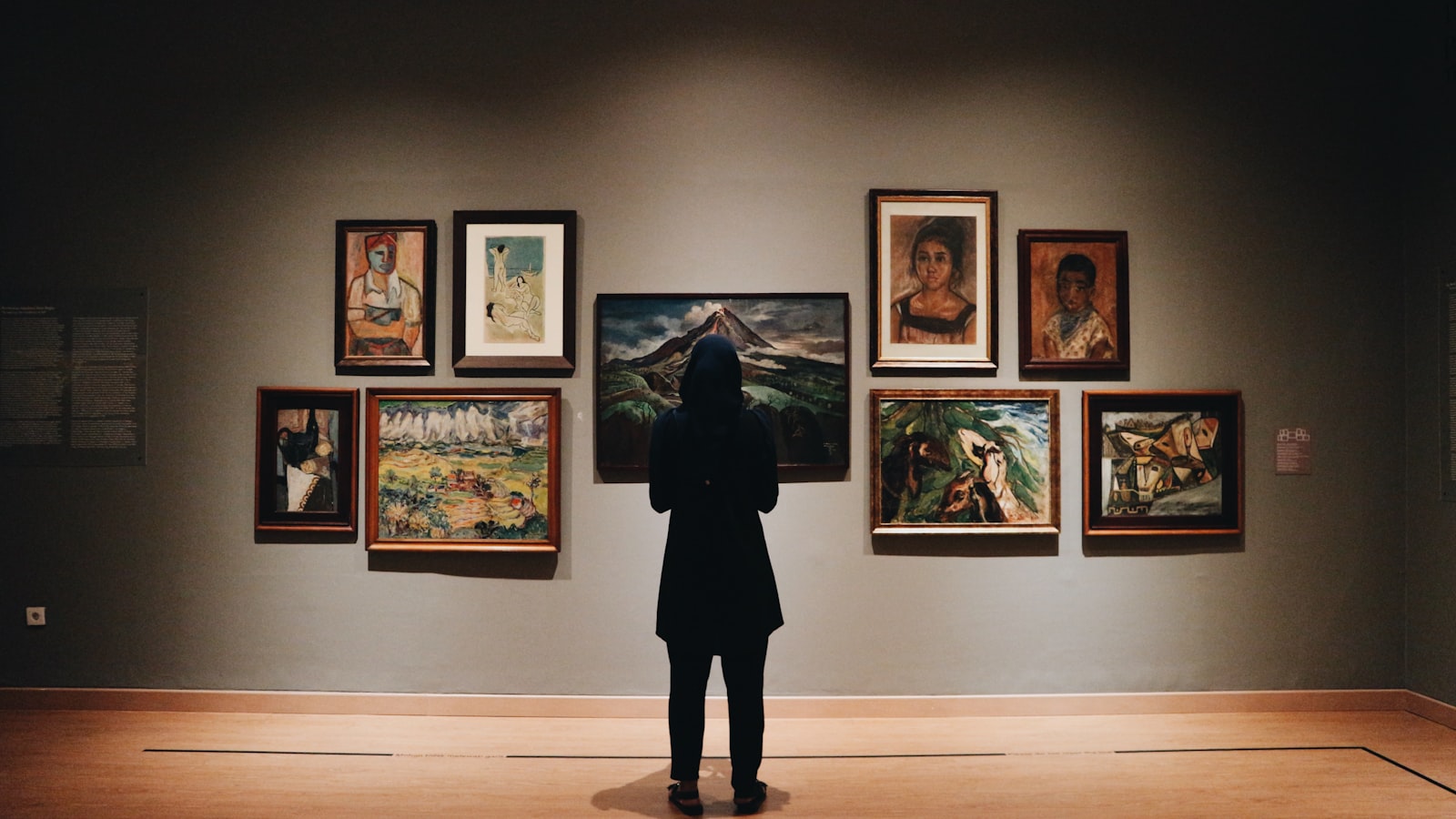
But the critics have been noticeably cooler than the box office. The Guardian’s reviewer called it “a filibuster in which the curators throw in every possible bit of context and affinity to stretch out what would otherwise be quite a small exhibition”. Frieze went further, running its review under the headline “Tate Mistakes the Icon for the Artist”. The core complaint is the same in both: of the roughly 200 paintings Kahlo made, only around 36 are here. The rest of the space is filled with context – and context, however well assembled, isn’t what 41,000 people thought they were paying £25 for.
Should you go? If you love Kahlo, yes, obviously – three dozen of her paintings in one building is still a rare event, and the frocks and photographs genuinely earn their place in her story, because her self-presentation was part of the work in a way that’s true of almost no other twentieth-century painter. Just go in knowing what it is. It’s a show about fame that happens to contain some paintings, not the other way round. Britain has been booking cultural events absurdly far in advance lately – we wrote about the same instinct when IMAX screens sold out a year early for The Odyssey – and the Kahlo queue is that same instinct wearing a flower crown.
Anish Kapoor at the Hayward is the show of the summer
Now the one to actually book. Kapoor’s return to the Hayward Gallery (16 June – 18 October, £22) is his first survey there in almost three decades, staged for the Southbank Centre’s 75th anniversary and curated by Ralph Rugoff. It fills the entire building: warped steel mirrors, objects coated in Vantablack – the blackest substance yet made, absorbing all but a fraction of visible light – and a pair of giant new installations in his signature visceral red, pressing against the walls like something organic that got out of hand.
The Guardian gave it five stars and described work that “moves, frightens and stuns”. The Arts Desk called him “an artist at the top of his game”. For once the consensus is right. Kapoor at his best does something almost no other living artist manages: he makes you physically distrust your own eyes, and the depthless voids in this show do it to a room full of adults simultaneously. You watch people lean in, squint, step back, and grin. It’s £3 cheaper than Frida and about three times the experience.
The free one: Hockney’s kitchen table at the Serpentine
David Hockney’s show at the Serpentine North Gallery (until 23 August) costs nothing, though you need to book a slot. It’s small and deliberately quiet: five still lifes and five portraits of the people closest to him, including his family and carers, most of them sharing the same frontal composition and a recurring gingham tablecloth.
After the pyrotechnics of his immersive shows and the record crowds of past retrospectives, there’s something disarming about Britain’s most famous living painter sitting down and painting the tablecloth. It’s an exhibition about slowing down, made by a man in his late eighties who has earned the right to insist on it. Twenty minutes, no queue rage, no gift-shop funnel. And it’s the only show this summer you can see twice without doing the maths.
Emin, Hepworth and the summer of second looks
The quieter theme of the season is women artists getting the full-scale treatment London owed them. Tate Modern is running Tracey Emin: A Second Life (until 31 August, £20) alongside the Kahlo show, and the Courtauld’s Hepworth in Colour (12 June – 6 September, £20) is the first exhibition anywhere to focus on Barbara Hepworth’s lifelong fascination with colour – around 20 sculptures and 30 drawings, wood and stone carvings with their hollows painted in bright blues and yellows.
The Emin pairing is shrewd programming on Tate’s part, whatever you make of the Kahlo show upstairs. Emin is the rare British artist whose life and work genuinely can’t be separated, so a retrospective with a title like A Second Life carries real weight – and £20 for it feels fair in a summer where fair pricing is thin on the ground.
Hepworth herself once said: “In a way my colour has been accepted, but never understood.” The Courtauld show is a proper attempt at the understanding part, and it’s the sleeper hit of the season – the kind of exhibition you drift round in forty minutes and then think about for a fortnight. If the choice is between fighting the Bankside crowds and having a Somerset House room full of painted Hepworths nearly to yourself, that’s not a difficult decision.
Two weekends left for Wes Anderson at the Design Museum
A deadline warning. Wes Anderson: The Archives closes at the Design Museum on 26 July, which at time of writing gives you two weekends. It’s the director’s first official UK retrospective – over 600 objects from his personal archive, including the Fendi fur coat Gwyneth Paltrow wore in The Royal Tenenbaums, a candy-pink model of The Grand Budapest Hotel and the vending machines from Asteroid City. Tickets start at £19.69, which is either a coincidence or the most Wes Anderson price ever set. And once summer is done, the design calendar picks up again with London Design Festival 2026 from 12 to 20 September, most of it free.
It’s been one of the most talked-about shows of the year and it deserves the noise. Film exhibitions often feel like props in glass cases; this one works because Anderson’s whole method is miniature, handmade and obsessive, so the artefacts carry the films inside them. If you’re the sort of person who paid for an outdoor screening of a film you already own this summer, this is your exhibition.
Marilyn and Whistler: two kinds of portrait
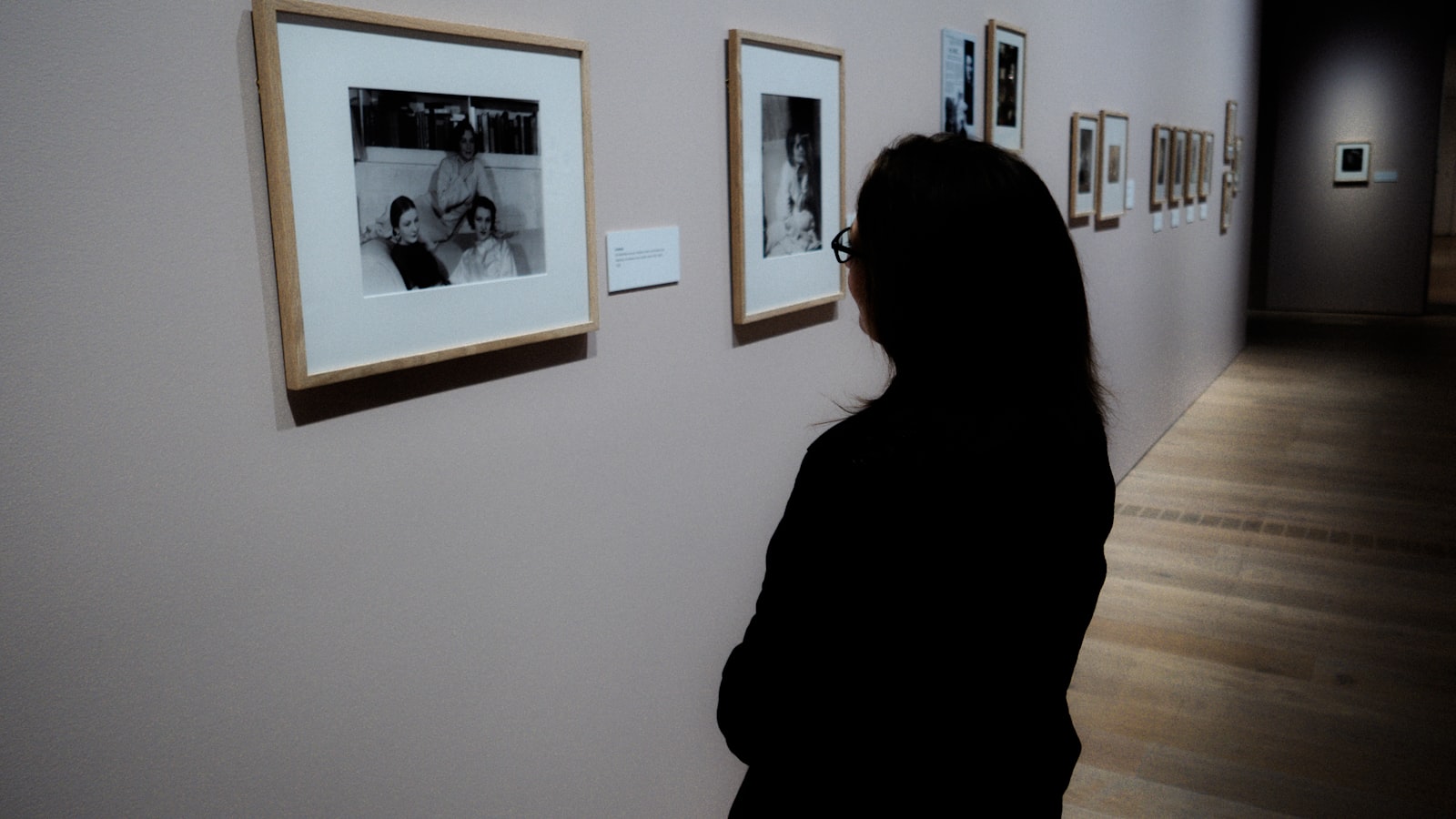
The National Portrait Gallery’s Marilyn Monroe: A Portrait (until 6 September, £25-£27) assembles the photographs that built the twentieth century’s other great female icon, including Eve Arnold’s off-duty pictures from 1952. It makes an odd, telling pair with the Kahlo show: two women whose images escaped their control, treated by two institutions in the same summer. The NPG show is the more honest of the two about what it is – a show about photographs, fame and the gap between the person and the poster.
Over at Tate Britain, James McNeill Whistler gets his first major European exhibition in 30 years (until 27 September). His Thames nocturnes and full-length portraits are the opposite of icon-making – people caught in low light, emotionally rich and compositionally plain. It’s the least Instagrammable show of the summer, which may be the strongest recommendation on this page.
Thirty years is a long gap for a painter this influential, and the show quietly makes the case that Whistler invented a lot of what we now think of as mood in painting – the fog, the restraint, the refusal to explain. If the Kahlo exhibition is about what happens when an artist becomes an image, Whistler is what happens when an artist refuses to become one. He sued a critic, alienated his patrons and spent decades being difficult on principle. The paintings survived the personality. There’s a lesson in that somewhere for the icon-making machinery across the river.
Why this summer sold out in March
Step back from the individual shows and the pattern is hard to miss. British cultural life has become an advance-booking economy. The Kahlo record, the year-early IMAX sellouts, Fringe shows selling out in June, timed-entry slots for a free Hockney – the spontaneous Saturday gallery visit is quietly dying, and the galleries themselves have every incentive to kill it.
Timed entry smooths the crowds and the cash flow. Advance sales turn an exhibition into a pre-funded event rather than a gamble. And memberships – Tate, RA Friends, Courtauld – have become the real product, because once you’ve paid £90 a year the £25 barrier disappears and you start going to things you’d never have paid for individually. That’s not a criticism. It’s arguably a better deal for anyone who goes to more than three shows a year. But it does mean the headline ticket prices increasingly function as an advert for the membership desk, and it explains why every big show now opens with record pre-sales: the audience already paid.
The loser in all this is the person who just fancies wandering in. Which is why the free Hockney and the pay-what-you-hang chaos of the Summer Exhibition matter more than their size suggests.
The Summer Exhibition is still the best value wall in London
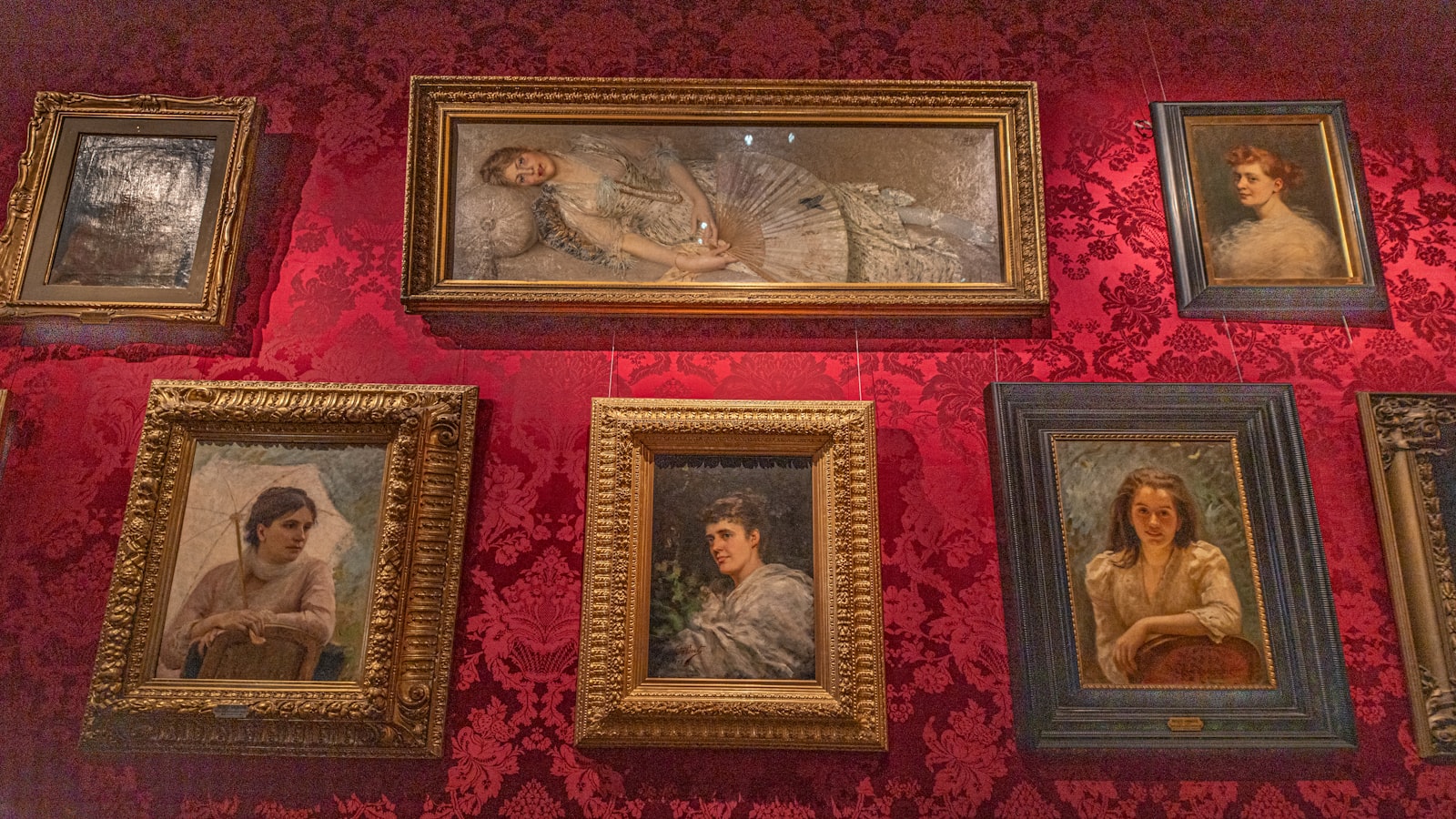
The Royal Academy’s Summer Exhibition (16 June – 23 August, £23.50-£25.50) is on its 258th consecutive year and remains gloriously, stubbornly odd. This year’s edition is coordinated by Ryan Gander around the theme of ‘Interconnectedness’, with nearly 2,000 works crammed onto the walls – Frank Bowling and Anselm Kiefer hanging in the same building as Harry Hill and Joe Lycett, plus hundreds of amateurs and unknowns, most of it for sale.
People are snobbish about the Summer Exhibition and they’re wrong. Nowhere else do you get this much art per pound, and nowhere else does British art culture look this unguarded – the great, the strange and the frankly misjudged sharing wall space with no algorithm sorting them first. Every year someone leaves having bought a print for less than the price of the ticket. That’s the game, and it’s a good one.
Seeing the best London exhibitions summer 2026 offers without spending £100
Add it all up and the full circuit costs serious money: Frida (£25), Kapoor (£22), Marilyn (£27 at weekends), Emin (£20), Hepworth (£20), the RA (£25.50). That’s £140 before a single flat white on the South Bank.
So triage. Kapoor is the essential ticket. Hockney is free. The Courtauld’s £20 is the best-spent money of the season for anyone who prefers art to crowds. If you’re 16-25, Tate Collective membership prices both Tate Modern shows at £5 each, which changes the whole calculation – Frida for a fiver is a different proposition from Frida for £25. And the Summer Exhibition rewards a long, aimless afternoon better than any timed-entry blockbuster. Skip the £27 weekend Marilyn slot unless photography is your thing; the catalogue delivers most of what the walls do.
The V&A’s Schiaparelli show is the other big cultural ticket still running – we covered why it’s the fashion event of the year – and if your summer leans musical rather than visual, the £8 Proms ticket remains the best deal in British live culture, full stop.
And when the summer blockbusters close, the cheapest cultural fixture of the year opens: Heritage Open Days unlocks thousands of buildings across the country in September, free, no queue-jumping membership required.
London’s galleries have bet big on icons this summer, and the public has answered with record money. The more interesting question is what you’ll actually remember in January: the selfie in front of the flower crown wall, or the red thing at the Hayward that made the whole room go quiet. Which queue are you joining?
One for the diary before autumn: the Bayeux Tapestry arrives at the British Museum on 10 September, and after July’s record sell-out a second ticket window opens in October.