BBC Proms 2026: Why the £8 Ticket Is the Best Deal in British Live Music
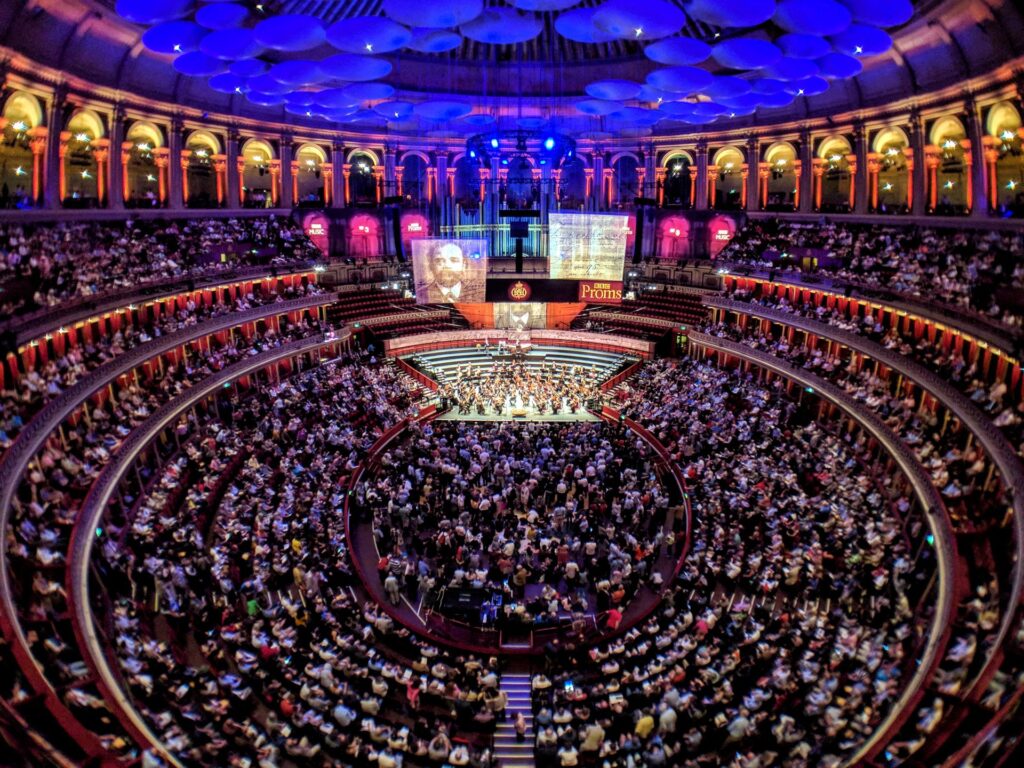
Eight pounds. That’s what it costs to stand a few feet from one of the world’s great orchestras this summer, in a hall that seats five thousand and sells out for artists charging twenty times as much. The BBC Proms 2026 season opens at the Royal Albert Hall on 17 July and runs to 12 September, and while everyone argues about whether a prog rock night belongs at a classical festival, the more interesting story is sitting quietly in the ticket pricing. In a summer when British live music has become a luxury purchase, the biggest classical festival on earth still charges less than a cinema ticket to get in. The BBC’s other big live weekend this autumn is Radio 2 in the Park 2026 in Stirling – a rather different crowd, and a row over what it cost Scotland’s own festivals.
In This Article
- The £8 ticket in the year of the £180 gig
- What's on at the BBC Proms 2026
- First Night, 17 July: America, 250 years on
- The Prog Prom is the right kind of ridiculous
- Five nights worth queuing for
- How Promming actually works
- Skip the Last Night, take a punt on a Tuesday
- You don't need to be in London at all
And luxury is the word. Across town, Ariana Grande’s ten O2 nights sold out before most fans got near a basket.
And almost nobody under 40 seems to know.
The £8 ticket in the year of the £180 gig
Consider the state of the British gig economy in 2026. Stadium tickets routinely clear £150 before fees. Harry Styles is playing twelve nights at Wembley at prices that made even seasoned touts blink. Glastonbury took its fallow year, removing 200,000-odd of the country’s most coveted wristbands from circulation and leaving a hole in the festival summer that smaller events have been scrambling to fill. Dynamic pricing has turned buying concert tickets into a hostage negotiation.
Against all of that, the Proms will release tens of thousands of tickets at £8 across the season. Around a thousand standing places go on sale at 9.30am on the day of each concert. No ballot, no presale code, no queue-jumping app subscription. You get up, you buy a ticket, and that evening you’re standing closer to the Berlin Philharmonic than anyone in the £114 seats.
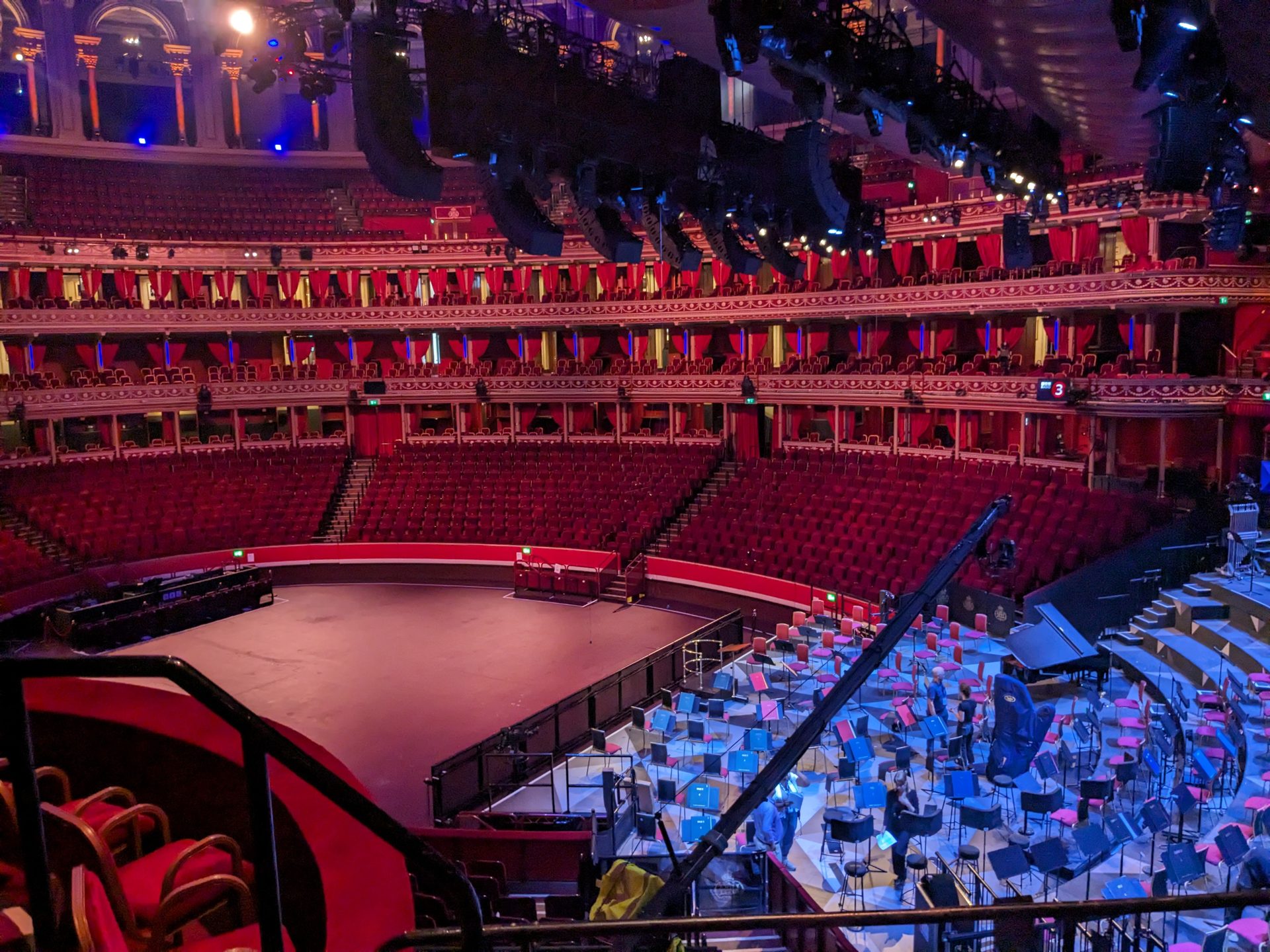
There’s no catch beyond the standing. The arena puts you nearer the players than seats costing ten times more, and regulars will tell you the sound up in the gallery, lying against the rail with the orchestra somewhere below you, is among the best in the building. It’s the kind of arrangement that would be dismissed as economically impossible if someone proposed it today, which is roughly why it survives – it’s been the founding idea of the festival since 1895, and nobody’s been brave enough to kill it.
Henry Wood’s original pitch was to get the best music in front of the widest possible audience at prices a clerk could afford, in an atmosphere relaxed enough that early promenaders ate, drank and smoked through the concerts. The smoking has gone. The principle hasn’t. The £8 promming ticket might be the single most durable piece of cultural policy in Britain, and it predates the BBC, the Arts Council and almost everyone’s opinion about all three.
What’s on at the BBC Proms 2026
The season itself is one of the more argued-about programmes in recent memory, which is a good sign. Festival director Sam Jackson announced 86 concerts in April – 72 at the Royal Albert Hall and 14 at venues around the UK, from Gateshead to Bristol – telling IQ Magazine and others he was “delighted to be announcing a 2026 season that brings together the world’s great orchestras, the finest British talent and an extraordinary breadth of musicmaking”.
The thread running through it is American music, pegged to the 250th anniversary of the Declaration of Independence. Cue Copland, Gershwin and Bernstein, a Miles Davis centenary Prom with trumpeter Ambrose Akinmusire working through new arrangements of Sketches of Spain, and Marin Alsop conducting an American Classics night of West Side Story dances and Rhapsody in Blue. The Chineke! Orchestra brings soprano Angel Blue for an evening of Barber’s Knoxville: Summer of 1915 alongside Gershwin, Margaret Bonds and Irving Berlin arrangements in late August, and Wynton Marsalis’s Concerto for Orchestra gets its UK premiere as a BBC co-commission. This isn’t a token theme; it runs wall to wall.
Some critics have grumbled that an American season at a British festival feels like outsourcing the identity. I’d argue the opposite: American orchestral music was built for exactly this hall and exactly this crowd, big-boned and direct, and a festival confident enough to programme a Finzi rarity on opening night can afford one summer of showmanship.
Beyond the theme, the shape is familiar in the best way. Late-Romantic symphonies. Premieres scattered through the season rather than penned into one worthy evening. Late-night Proms that start at 10.15pm and cost £12. Visiting orchestras that would headline any festival in Europe. If your knowledge of the Proms begins and ends with flag-waving on the Last Night, the other 85 concerts will come as a surprise.
First Night, 17 July: America, 250 years on
The opener sets the tone properly. Dalia Stasevska conducts the BBC Symphony Orchestra and Chorus, with the BBC Singers, tenor Thomas Atkins and pianist Yunchan Lim, in a programme that starts with Copland’s Fanfare for the Common Man and moves through Gershwin’s An American in Paris before Lim takes on Ravel’s Piano Concerto in G, according to the Royal Albert Hall’s listing. The second half brings a BBC-commissioned world premiere from Josephine Stephenson and Finzi’s rarely heard For St Cecilia.
Lim is the booking that matters here. The South Korean pianist has been filling halls with audiences visibly younger than the classical average since winning the Van Cliburn competition at 18. Putting him on the First Night, in the Ravel rather than a warhorse concerto, is a statement about who this festival thinks it’s for.
The whole thing goes out live on BBC Two and iPlayer from 7pm. But watch the day tickets for this one – First Nights sell through faster than almost anything else in the season.
The Prog Prom is the right kind of ridiculous
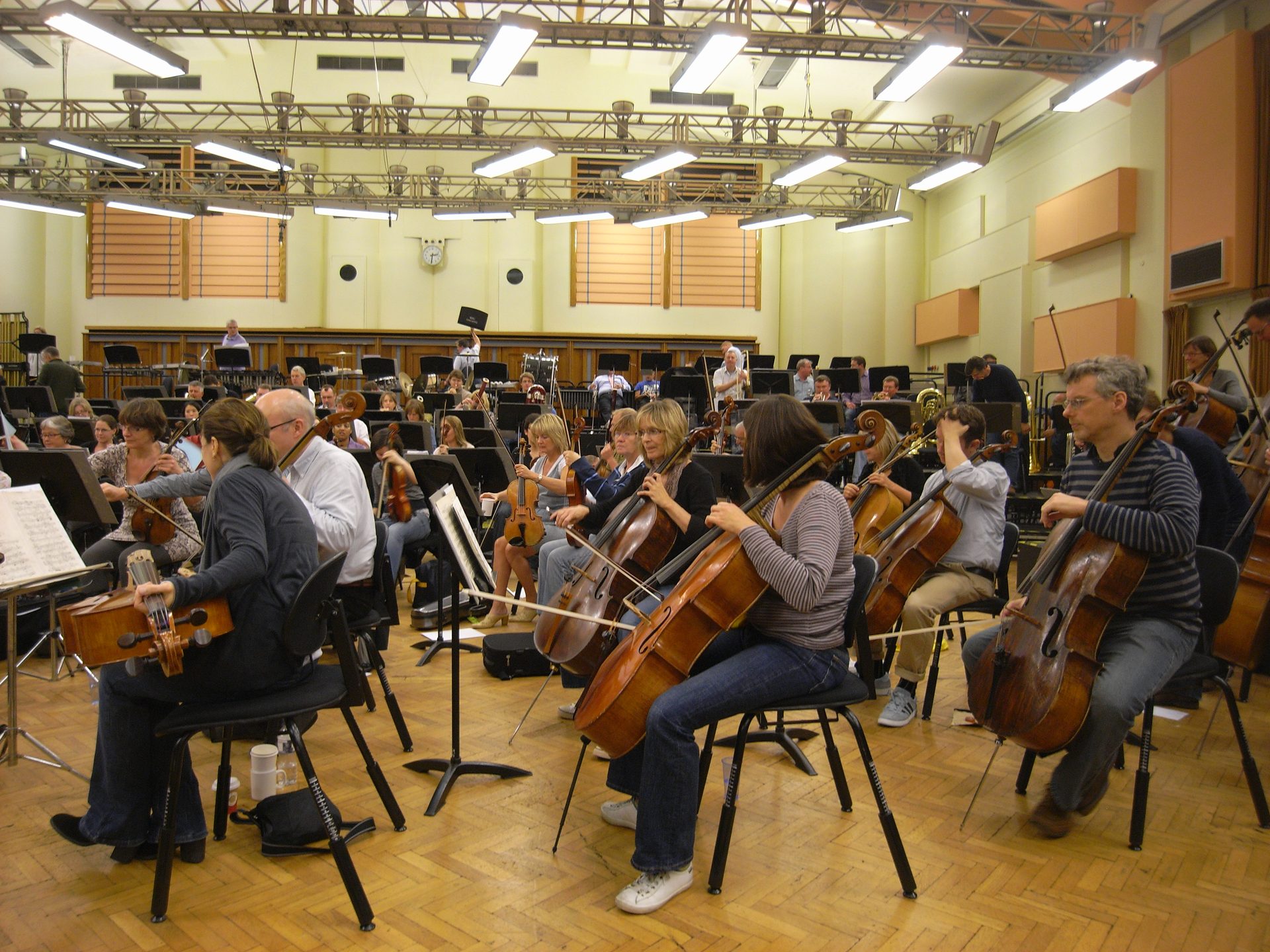
Then there’s the second night, 18 July, when the festival hands an evening to progressive rock. Robert Ames conducts the BBC Concert Orchestra in new orchestral arrangements of Emerson, Lake and Palmer, Genesis, Jethro Tull, Mike Oldfield and Renaissance, presented by BBC 6 Music’s Stuart Maconie. A Prog Prom. Twenty-minute songs, odd time signatures, capes optional.
The purist objection writes itself, and it’s been written plenty since April. The counterargument is better. Prog was always the rock genre with classical ambitions – the Mellotrons, the suites, the borrowed Mussorgsky – and it makes far more sense in this hall than half the crossover acts the Proms has hosted without complaint. “Prog is simply great music released from the arid strictures of cool and from the sneers of gatekeepers,” Maconie said when the season was announced, and he’s right. The same announcement confirmed Bond and Beyond, an evening tracing six decades of 007 scores with Daniel Bartholomew-Poyser conducting, which will be dismissed as populist and will also, I suspect, be one of the best nights of the summer.
What the gatekeeping misses is that the crossover nights subsidise nothing and displace nothing. There are 86 concerts. The Bruckner is still there. What the themed evenings actually do is get people through the door of a building they’ve walked past for years, and some fraction of them come back in October for the real stuff. Every serious concertgoer I know started with something unserious.
Five nights worth queuing for
Not a ranking, just where I’d spend my £8 first.
Dudamel and the LA Phil, 11 and 12 August. Gustavo Dudamel brings the Los Angeles Philharmonic for two nights: Beethoven’s Pastoral paired with Thomas Adès on the first, the Seventh Symphony plus the UK premiere of Gabriela Ortiz’s Revolución diamantina on the second. Dudamel at the Proms is always an event; Dudamel with his own orchestra is something else.
The Met Orchestra with Joyce DiDonato, 27 August. Yannick Nézet-Séguin conducts Mahler’s Fourth and the Rückert-Lieder. Seats run to £114.20. Standing costs £8. You do the maths.
Berlin Philharmonic, 2 and 3 September. Kirill Petrenko opens with Elgar’s Enigma Variations – a German orchestra playing the most English piece there is – then Augustin Hadelich in the Beethoven Violin Concerto the following night.
Martha Argerich plays Beethoven, 5 September. Argerich is in her mid-eighties and remains the most electric pianist alive. Any chance to hear her is a chance you take. No arguments accepted.
Late Night Baroque, 21 July. The 10.15pm Proms are the season’s best-kept secret – shorter, stranger, half-empty in the best way. Thomas Dunford’s Jupiter Ensemble doing Dowland and Purcell by lamplight, with tickets from £12.20 if you want to sit down. The late-night strand also has Ladysmith Black Mambazo in August and a Steve Reich at 90 programme in September.
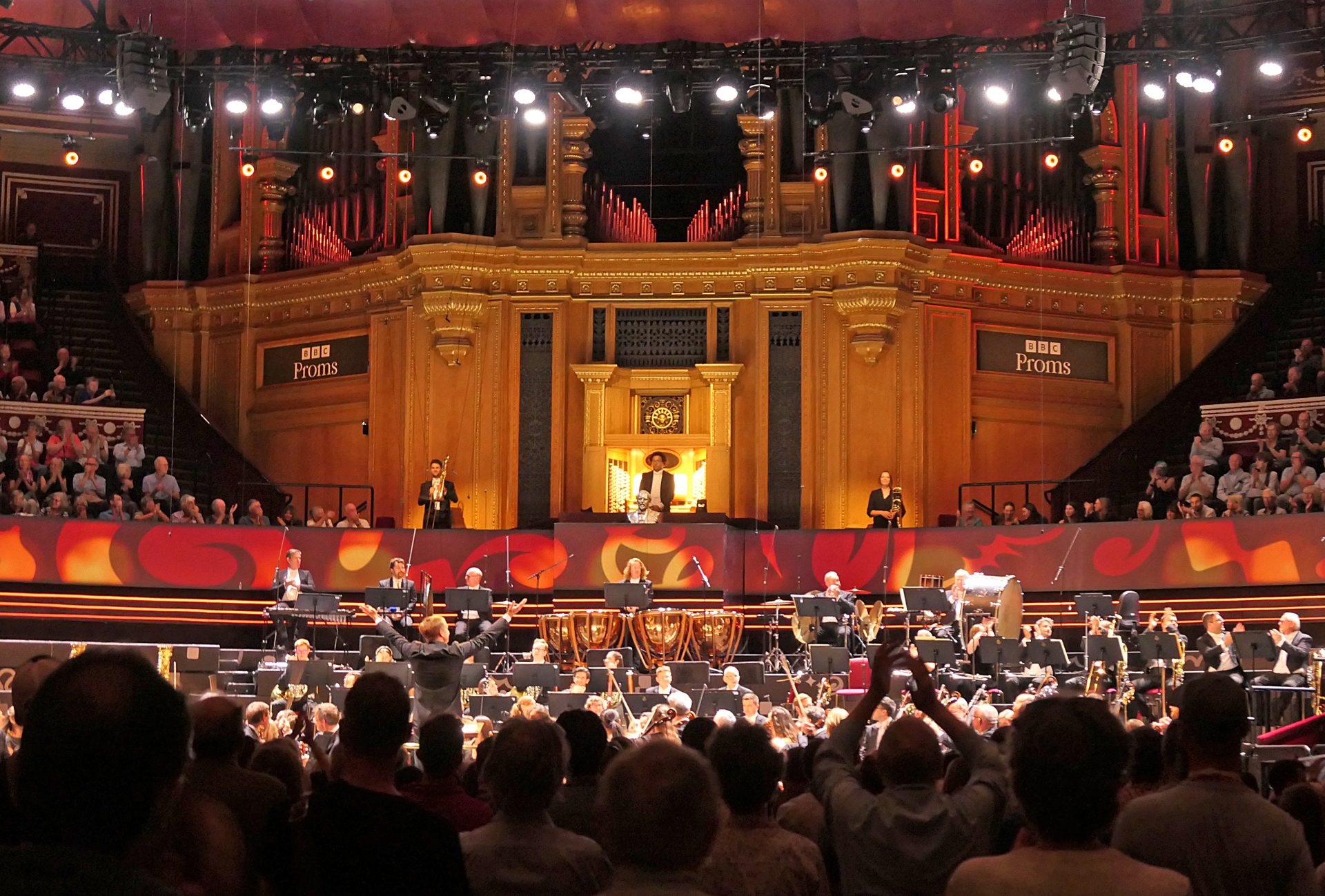
How Promming actually works
The mechanics, because they’re simple and people persist in believing they’re not. I’ve lost count of the conversations that end with someone saying they’d always assumed the Proms needed booking months ahead, or a dinner jacket, or a working knowledge of Shostakovich. None of the above. The dress code is whatever you wore to work, and half the arena couldn’t tell you the opus number of anything.
Promming means standing, either in the arena (the flat floor in the middle, closest to the stage) or the gallery (the top of the building, more space, famously good acoustics). Tickets cost £8. Around a thousand go on sale online at 9.30am on the day of each concert, with day tickets also sold at the box office at Door 12. For all but the biggest nights, you can decide to go at lunchtime and be leaning on the arena rail by 7.30pm.
A few practical notes. The arena queue is a social institution in its own right – regulars bring folding chairs and crosswords, and conversations struck up at Door 12 have outlasted marriages. The gallery is the pick for anything long and quiet; you can sit on the floor, and nobody minds. Wear comfortable shoes for Mahler. And if a concert is being televised, arrive earlier than you think you need to.
If you’d rather book a seat like a normal person, those start reasonably too, though prices climb quickly for the marquee visiting orchestras. The £8 route remains the point. It’s the last place in British live music where the best experience in the room is also the cheapest.
Skip the Last Night, take a punt on a Tuesday
One opinion, held firmly: the Last Night is the worst night to go. Tickets run from £53 to £185.60 – the most expensive of the season – for the one evening governed by ritual rather than music. Yuja Wang and Sakari Oramo deserve better than being the warm-up for Rule, Britannia!, and the whole spectacle has given the Proms a public image of Union Jack waistcoats and harrumphing letters to The Times that has almost nothing to do with the other two months. People who judge the festival by its final Saturday are judging a novel by its acknowledgements page.
None of which is Wang’s fault, to be clear. Booking the most glamorous pianist on the planet for the season’s silliest night is a very Proms piece of mischief, and if anyone can make the first half worth the ticket price, she can. But you’d hear more actual music, for a twentieth of the cost, on any of the ten nights before it.
The actual magic is a wet Tuesday in August. A programme you half-recognise, an £8 ticket bought that morning, a hall that’s somehow full anyway. You take a punt on an orchestra you’ve never heard of playing something you can’t pronounce, and it turns out to be the best thing you hear all year. That’s the festival working as designed, and it’s a better night out than most of what this year’s British records are soundtracking. If your tastes run closer to the London jazz scene, the Miles Davis and ‘Round Midnight late-nights are aimed squarely at you.
You don’t need to be in London at all
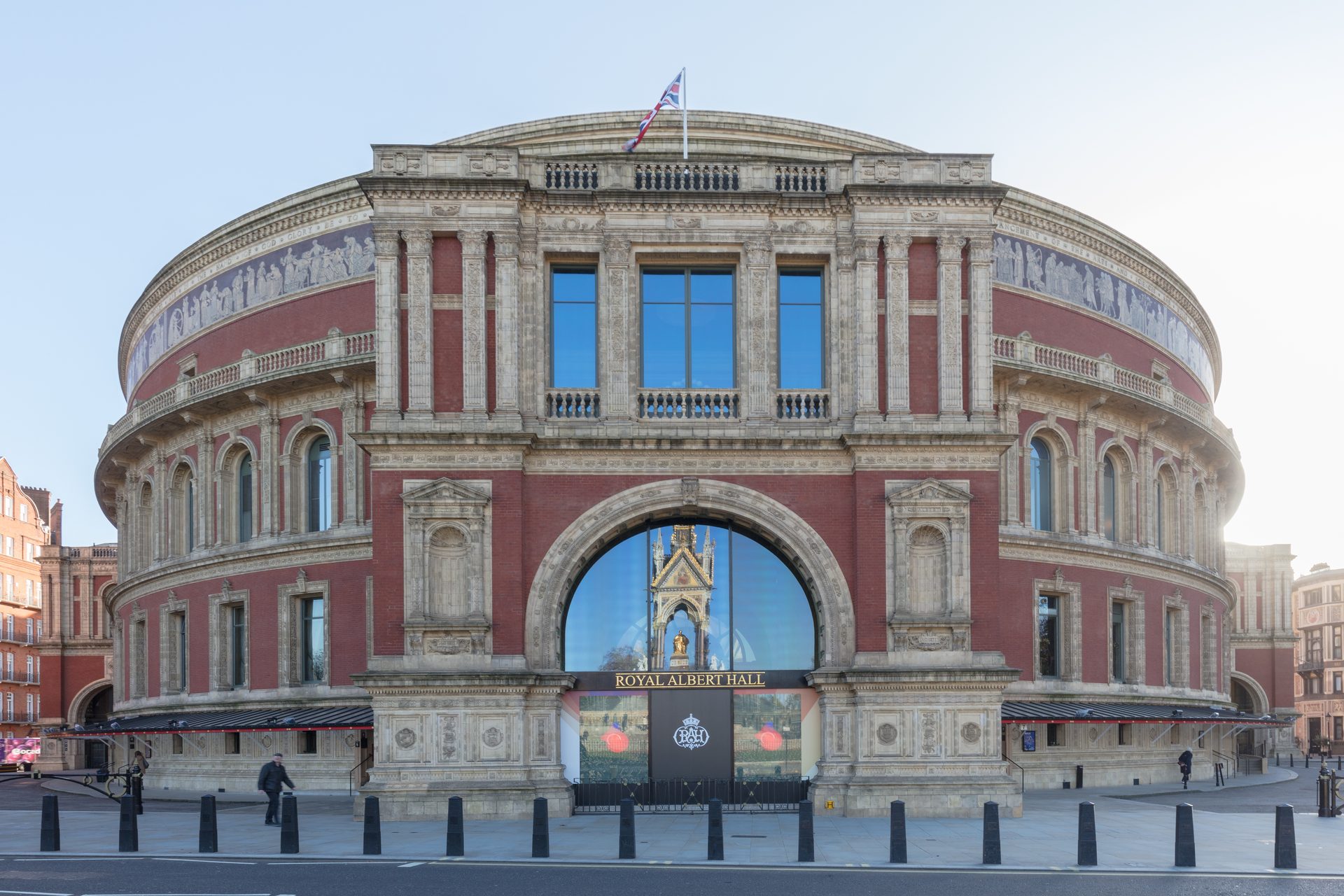
Fourteen of this year’s concerts happen outside the capital, and some of the most interesting programming has been sent north and west. Gateshead gets a Morton Feldman centenary performance in July – about as far from Rule, Britannia! as the festival travels. Bristol hosts a late-night jazz show built around John Coltrane and A Love Supreme, marking his centenary year alongside the Miles Davis celebrations in London. The BBC has been criticised for years, fairly, for treating “national festival” as a synonym for “thing that happens in Kensington”. This is the most serious effort yet to fix that, even if 72 of the 86 concerts still happen under the same dome.
And every single Prom goes out live on Radio 3 and BBC Sounds, a habit the BBC has kept up since it took the festival on in 1927. A healthy run are televised on BBC Two and BBC Four, and iPlayer carries the big nights for weeks afterwards. The licence fee argument rages on, but this remains one of the strongest cases for it: eight weeks of world-class music, free at the point of use, for everyone in the country.
Still. The hall is the thing. Five thousand people going completely silent for a pianissimo is not an experience that survives compression into a phone speaker.
So that’s the summer’s best-value night out: £8, no algorithm, no dynamic pricing, some of the finest musicians alive. The real question is why the queue at Door 12 isn’t ten times longer. Have you ever taken the £8 gamble – and if not, what’s been stopping you?