The Dark ITV Review: The Strongest Crime Launch of 2026 – And the One Decision That Lets It Down
Ten minutes into The Dark, a man walks across a Highland moor with a naked body slung over his shoulder, and the dead man’s arms swing like pendulums with every stride. No music telling you what to feel. No detective delivering a grim one-liner. Just the walk, the weight, and the hills. It’s the most confident opening ITV has put out this year, and it tells you almost everything about what follows. This The Dark ITV review covers the first two episodes – which, in my experience, is where every crime drama shows you exactly what it is. And this one is the real thing, though a decision made well away from the screen nearly undermines it.
In This Article
- A staged body, a missing brother, and a village full of suspects
- Laura Donnelly gets the lead she should have had years ago
- The supporting cast does the quiet, devastating work
- The novel behind it – and why crime TV keeps raiding the bookshop
- The Dark ITV review verdict: the strongest crime launch of ITV’s year
- Now, the bad decision: dropping all six episodes at once
- Where it sits in a crowded year for British crime
The six-parter began on ITV1 and STV on Sunday 12 July at 9pm, with the whole series dropped on ITVX the same night. Hold that thought, because we’ll come back to it.
A staged body, a missing brother, and a village full of suspects
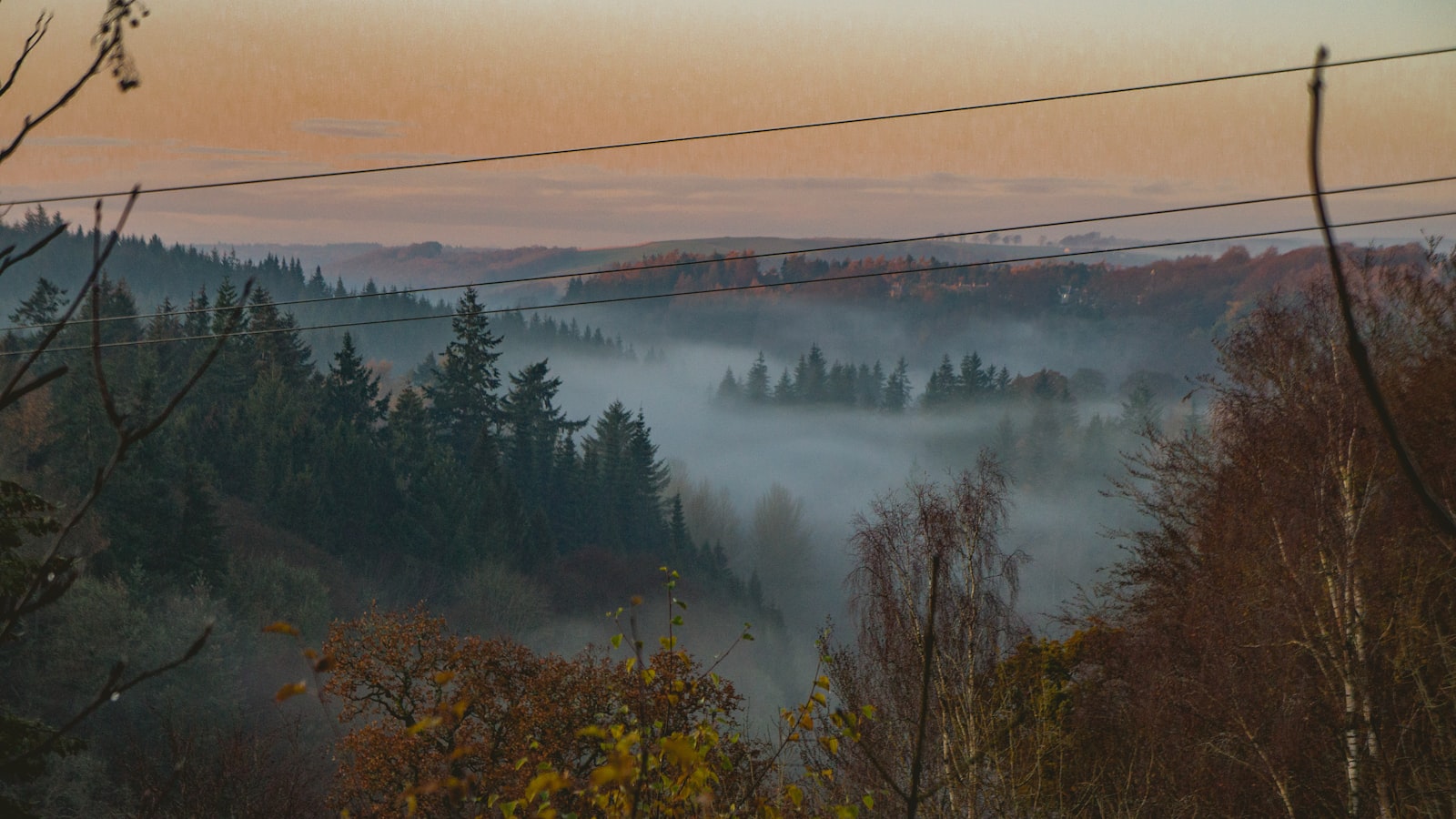
Adapted from G.R. Halliday’s debut novel From the Shadows, The Dark opens with the discovery of 17-year-old Jason Morgan, found laid out in the heather with his arms arranged above his head, as if in prayer. It’s shot from above by drone, and the image does more unsettling work in five seconds than most dramas manage in an hour.
DI Monica Kennedy (Laura Donnelly) catches the case, and it comes with history. Jason’s older brother Nichol vanished five years earlier – a disappearance Kennedy herself investigated, which ended with village gossip pointing at the boys’ stepfather Barclay (Emun Elliott) and an official conclusion that the lad had simply run off. Now the younger son is dead, arranged like an exhibit, and a killer in a pale mask is working through a farming community that thought it knew all its own secrets.
The clues are properly strange: swallowed stones, drugged teas, stuffed animals. And the suspect list fills quickly – the stepfather, a rattled ex-social worker (Tunji Kasim) who takes more medication than he dispenses, an austere father (Cal MacAninch), a rabbit poacher who moves through the story like weather (Phil McKee). Meanwhile a local teenager finds a burner phone taped to the handlebars of his bike, texted by the mother who abandoned him. He’s so relieved he doesn’t ask the question every viewer is screaming at him.
If that sounds like standard-issue Highland noir, the execution isn’t. The pacing is measured without being slow, the dread accumulates rather than announces itself, and the show trusts silence in a way that’s still rare on commercial television at 9pm.
Even the killer’s-eye opening, a device that usually makes me groan, earns its place. We watch an unseen man punching holes in leather straps before that walk across the moor, and the scene works because it withholds rather than teases. There’s no lingering on gore, no voyeur’s camera. The genre has spent twenty years using the murderer’s point of view as a cheap thrill; here it’s used as a statement of method. This is a show about preparation – his and, eventually, hers.
Laura Donnelly gets the lead she should have had years ago
Donnelly has been quietly excellent for two decades – Jenny Fraser in Outlander, an Olivier for The Ferryman, the lead in HBO’s The Nevers, and a devastating turn in Say Nothing. What she’s never had until now is a mainstream British lead built around her particular gift, which is conveying a person thinking. Kennedy watches. She lets interviewees fill silences. When she does speak, it lands.
And the writing gives her something most female TV detectives are denied: a life that works. Her childcare is handled by her mother (Stella Gonet), who is neither dying nor disapproving. Her backstory – hinted at through locals who remember her pregnancy with a slightly odd intensity – is a mystery that thickens the plot rather than a trauma dossier the script keeps thumbing through. The Guardian’s Lucy Mangan, who gave the series three stars and called it “stylish, fun and chilling”, singled out the same thing – a detective whose arrangement of grandmother-assisted childcare felt almost radical. She’s right. It shouldn’t be radical. It is.
Mark Rowley, best known as Finan in The Last Kingdom, plays her new DC with an easy charm that the script wisely refuses to turn into comic relief. The pairing works because neither actor is performing chemistry at us. They’re just two professionals learning each other’s rhythms, which is what new colleagues actually do.
The supporting cast does the quiet, devastating work
The best scene in episode one has no violence in it at all. Helen Baxendale – yes, Rachel from Cold Feet, Emily from Friends – plays Bethany, the dead boy’s mother, and when the detectives arrive to deliver the news, she responds by cutting a slice of cake for the visiting officer. Too large a slice. Then it goes on the floor. That’s the whole scene, and it says more about a mind refusing catastrophe than any amount of wailing would. Baxendale has been away from heavyweight drama for too long, and on this evidence the industry should be embarrassed about it.
Elliott, meanwhile, does his usual trick of making decency look suspicious and suspicion look decent, sometimes within one scene. If you saw him as the dogged detective in The Gold, this is a deliberate inversion, and he clearly relishes it. The cast, as TV Guide’s rundown makes clear, is stacked with this calibre of actor right down the call sheet – Catherine McCormack, Lois Chimimba, Brian Ferguson, Phil McKee. Donnelly said she knew from the first script that the series “was going to be something special”, and for once the press-release quote matches what’s on screen.
Keep an eye on Lois Chimimba as PC Carol Stewart, too. She’s been quietly building one of the better CVs in Scottish television – Vigil, Shetland, The Outlaws – and she gets the kind of watchful local-officer role that tends to grow in importance as these stories tighten. Gonet, for her part, was born in Greenock, where much of the series was filmed. Small thing, but you can feel it; nobody in this cast sounds like they were helicoptered in.
A note for anyone allergic to thick accents delivered at murmur volume: this is a subtitles-on show, and there’s no shame in that. Most of Britain watches with them now anyway.
The novel behind it – and why crime TV keeps raiding the bookshop
The Dark is adapted from G.R. Halliday’s debut, From the Shadows, the first of his DI Monica Kennedy novels set in the Highlands, and it joins a very long queue. Karen Pirie came from Val McDermid’s back catalogue. Dept. Q arrived on Netflix via Jussi Adler-Olsen’s Danish series, relocated to Edinburgh. Rebus got its umpteenth screen life from Ian Rankin’s shelf. Commissioners have worked out that a published crime series is pre-tested plot architecture with a built-in readership, and in a nervous commissioning climate that maths is irresistible.
Usually I find this trend a bit dispiriting – it crowds out original screenwriting, and too many adaptations treat the book as a synopsis to be strip-mined. This one doesn’t. The screen version keeps the novel’s patience. It also keeps its structure of information, letting the audience learn things at the speed the community does, which is where most TV adaptations lose their nerve and start explaining.
There’s a practical upside too. Halliday has written further Kennedy novels since his debut, so if this lands the audience it deserves, ITV has somewhere to go that isn’t a hastily invented second series. Produced by Poison Pen with ITV, the show already carries itself like the first chapter of something longer.
Kennedy could sustain it. That’s not nothing.
The Dark ITV review verdict: the strongest crime launch of ITV’s year
Let’s be plain about the flaws, because there are some. The plot occasionally relies on intuitive leaps that sit awkwardly against its careful realism – Kennedy simply knows things a couple of times when the evidence hasn’t earned it. There’s a moment involving a bouquet of flowers at a hospital that happens purely because the story needs it to. And the pathologist is a genuine misfire: a wildly overwritten character who intones lines like “dark as the darkest soul” in a heavy accent and then exits, apparently to find a different drama. Mangan clocked it too. Everyone will.
But these are blemishes on something well made, not cracks in something hollow. What separates The Dark from the assembly line of British crime television is control – of tone, of image, of pace, of information. It’s gothic without costume-box theatrics, bleak without being punishing. Where so many recent thrillers confuse misery with depth, this one understands that dread is a rhythm, not a colour grade.
There’s also something perversely well-timed about it. Mangan’s review ran under a headline calling the show a heatwave antidote, and she’s onto something: Britain is sweltering through mid-July, and ITV has counter-programmed it with drizzle, gloaming and cold-water dread. It sounds like a scheduling accident. I suspect it’s the opposite. Nothing makes a warm living room feel safer than watching characters get soaked to the bone in a place where the sun appears to have been cancelled, which is roughly the same instinct that packs out ghost walks in December.
Four stars from me, and the missing fifth is mostly about that pathologist and a finale I haven’t seen yet. Against a summer field we covered in our round-up of the year’s best British dramas – where this was flagged as one to watch before a frame had aired – it stands up. It’s comfortably the best crime series ITV has launched in 2026.
Now, the bad decision: dropping all six episodes at once
Here’s my problem, and it has nothing to do with anything on screen. ITV put the entire series on ITVX the night episode one aired, and social media immediately filled with people announcing they’d watched all six in one sitting, as Hello! reported within a day of transmission.
I think that’s the wrong way to watch this show, and I’d argue it’s close to self-sabotage by the channel. The Dark is engineered around accumulation – the slow tightening of a community, red herrings that need days to ripen in your head, a masked figure who is scarier between episodes than during them. Swallowed whole at 1am, it becomes content. Six hours of Highland murder consumed like a bag of crisps, finished, forgotten, onto the next. The commissioners know this, too: British broadcasters spent the last two years rediscovering the value of the weekly episode, and the shows that dominated conversation did it seven days at a time.
The strangest part is that the weekly run continues regardless – episode two still goes out next Sunday, playing to an audience that half-emptied itself into ITVX on night one. Whatever conversation builds around each instalment now has to compete with people who already know the ending and can’t resist hinting at it. Ask anyone who had the Broadchurch reveal spoiled in 2013 how much that matters.
You can’t un-ring the bell, and plenty of readers will have finished the finale before this piece goes up. Fine. But if you haven’t started yet, take it as it airs, Sunday by Sunday. Give the dread room. This is a drama that rewards patience, made in an era that keeps punishing it. Some shows are built for the box-set drop – Fallen, ITVX’s gothic romance, worked precisely because you could swallow it whole. Dread isn’t one of them.
Where it sits in a crowded year for British crime
The genre is in a strange, healthy place. At one end, cosy crime is having its breakout year, all cardigans and gentle resolution. At the other, the prestige end keeps reaching for bleakness as a badge of seriousness, with mixed results. The Dark threads between them: too frightening for the cosy crowd, too well-mannered in its storytelling to count as misery television.
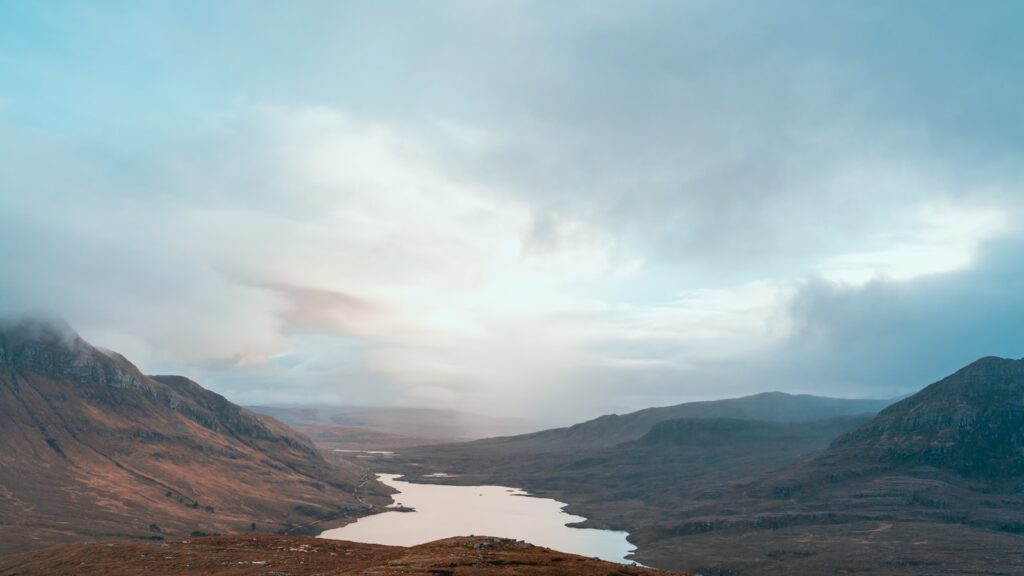
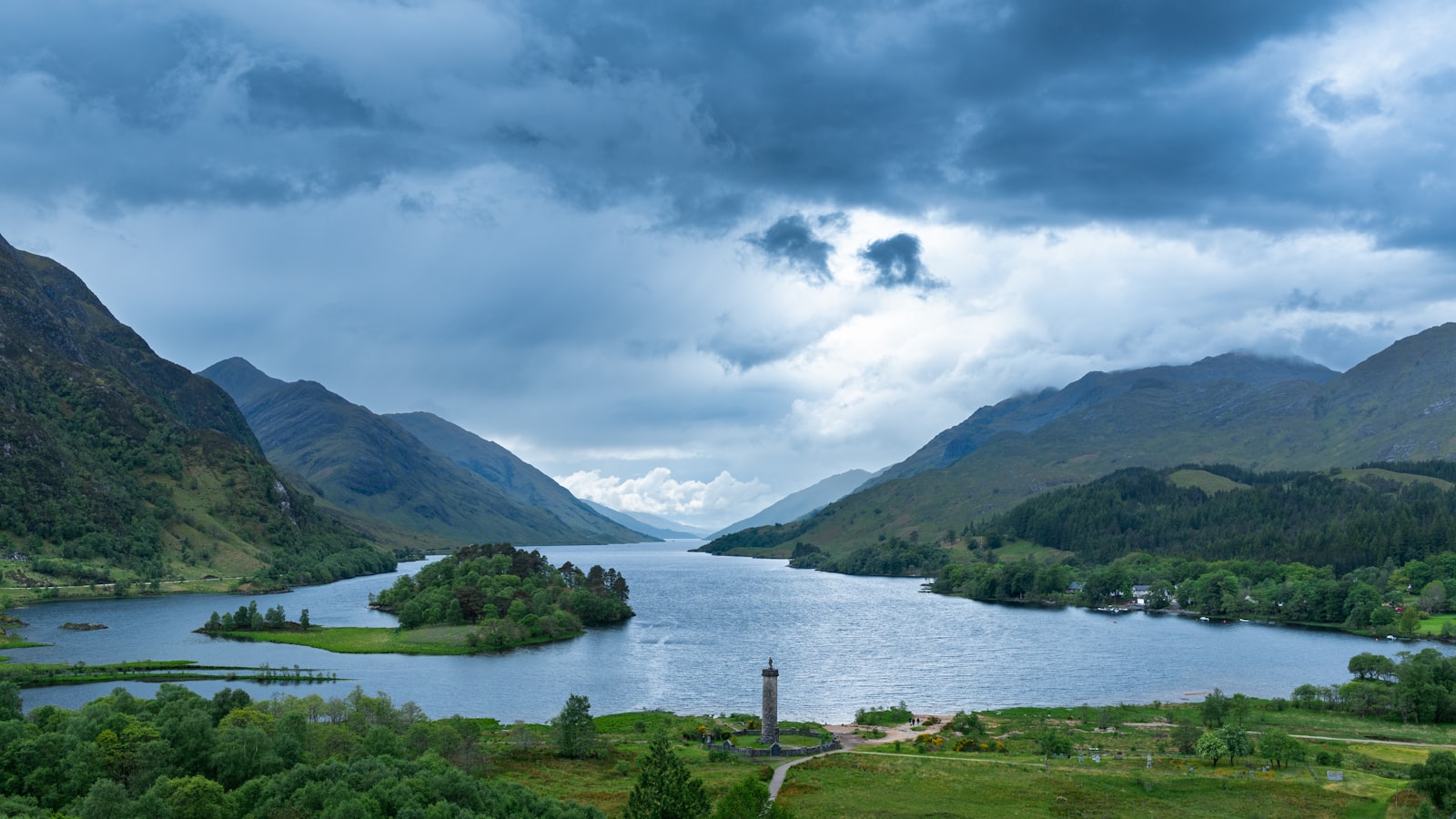
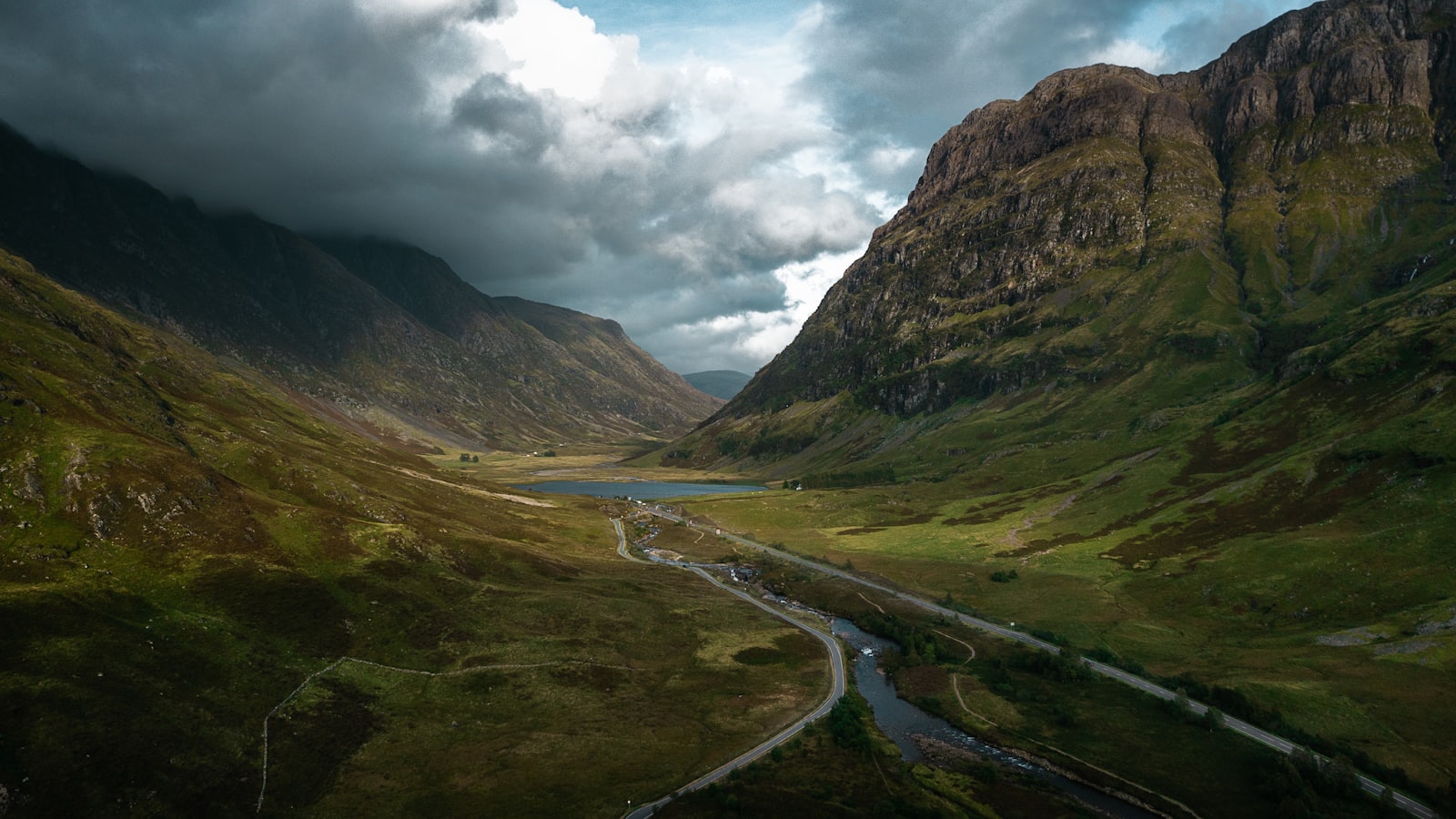
Its closest relatives are the slow-burn regional pieces – Shetland at its best, or the first series of Broadchurch. Like those, it understands that the land isn’t a backdrop, it’s a pressure. The Highlands here (filmed around Greenock and up through some spectacular mountain-pass country) aren’t postcard material. They’re the reason nobody hears anything, the reason a boy can vanish for five years, the reason everyone knows everyone and nobody knows anything.
The obvious comparison from this year’s crop is Under Salt Marsh, the Welsh slow-burner we rated highly in the drama round-up. Both use remoteness as a plot engine, both prefer implication to exposition. The difference is temperature: the Welsh series ran on grief, while The Dark runs on fear, and fear is simply a more propulsive fuel for six hours of television. If you only have room for one bleak coastline-and-hills drama this summer, this is the one that will keep you up past your bedtime for the right reasons.
Whether it can stick the landing is the one question the first two episodes can’t answer. Serial-killer stories live or die in their final hour, and for every drama that pays off its dread there are four that hand you a lock-up garage and a rushed confession. The ingredients for something better are all here: a detective with an unresolved past that’s woven into the case rather than bolted onto it, a village where every second door hides a motive, and a director who’d rather hold a shot than cut away from discomfort.
How to watch, for the planners: episode two airs Sunday 19 July at 9pm on ITV1 and STV, with the full series on ITVX now if your willpower has already gone. If you’re building a summer viewing list around it, our iPlayer box set picks cover what to line up when the mask comes off for the last time.
And if ITVX is where your evenings live, our review of Fallen asks whether the platform’s big supernatural YA gamble actually paid off. Prefer something that’s actually funny? Our review of Alice and Steve on Disney+ found the rare British sitcom that earns its laughs in the first ten minutes.
So I’ll ask you what I asked my colleague this morning, who saw all six and has been unbearably smug about it: did you ration it week by week, or did the mask get you at midnight and drag you through to dawn? And if it’s the latter – be honest – how much of episode four can you actually remember?