Booker Prize 2026 Shortlist: Six Novels, 47 Days and a £79 Bundle – Read the Man in the Bag First, Root for the 81-Year-Old
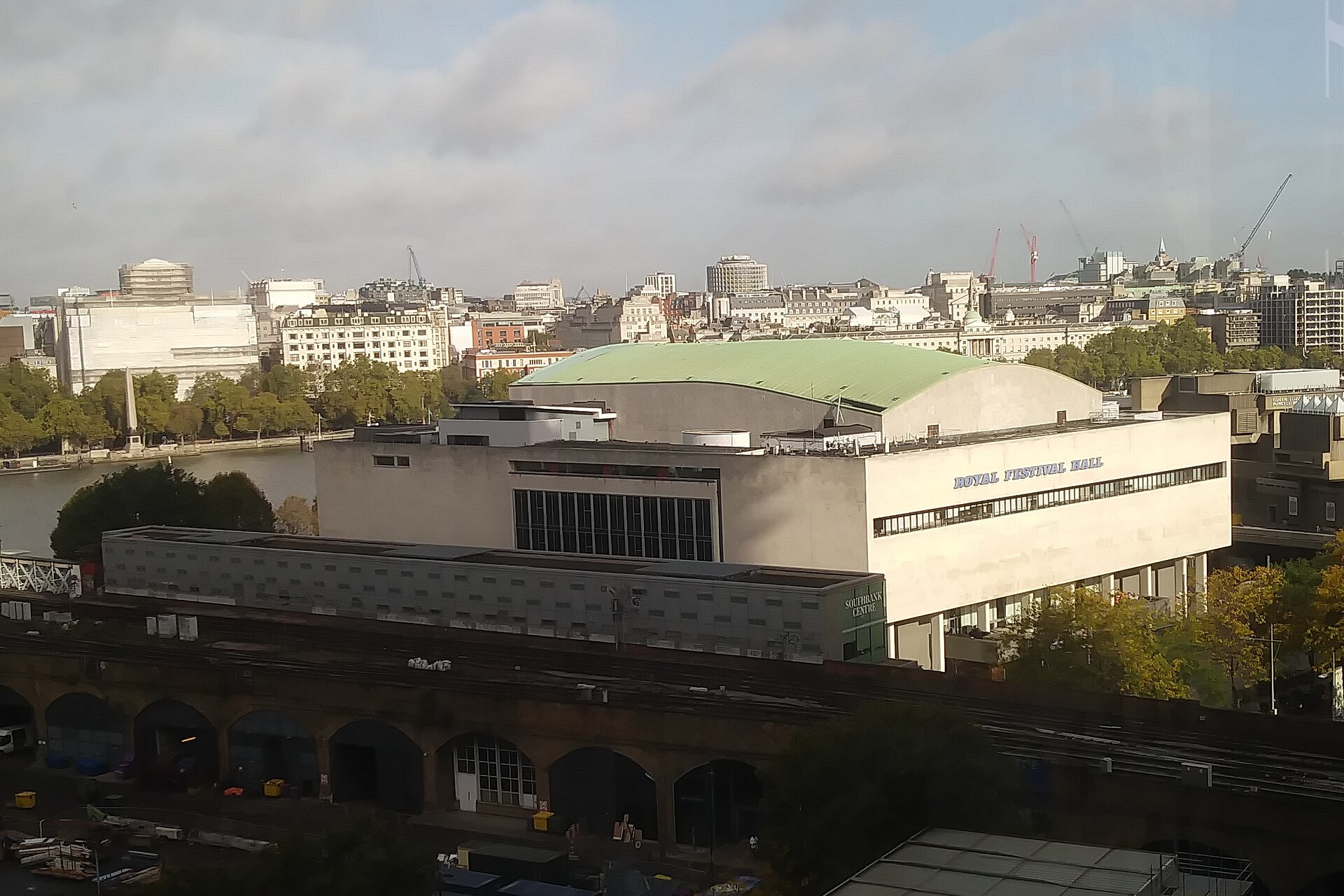
Jarvis Cocker has a problem with his own shortlist. The Pulp frontman, one of five judges on the Booker Prize 2026 panel, admitted this week that it was a “surprise” four of the final six novels were written by men, because, as he put it, “generally speaking, the male-written books weren’t as good as the ones written by women”. That’s a remarkable thing for a judge to say out loud the morning after the Booker Prize 2026 shortlist was read out at the Southbank Centre. And it tells you more about this year’s list than any press release.
In This Article
- The Booker Prize 2026 shortlist, and the three books that didn't make it
- 47 days, six books: read them in this order
- What the Booker Prize 2026 shortlist costs: £79, £109 or nothing
- "Are men OK?" – the theme nobody set out to pick
- The case against Elizabeth Strout
- Who should win on 9 November, and who will
- Where to hear the authors before the result
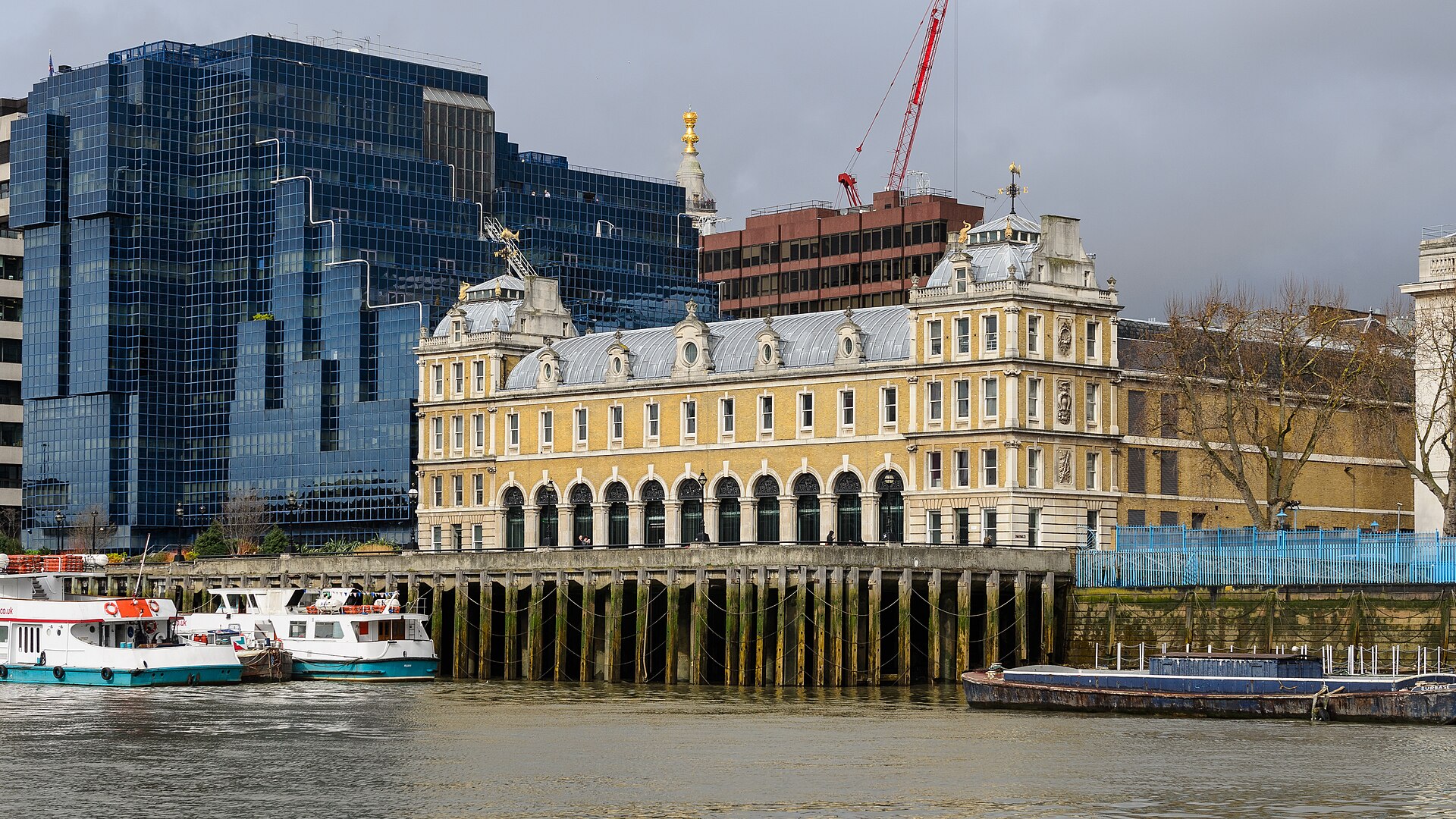
The winner gets £50,000 on Monday 9 November at Old Billingsgate. That leaves 47 days. Six novels in 47 days works out at roughly one every eight days, which is doable if you commute and a stretch if you don’t. Here’s what’s on the list, which order to read it in, what it’ll cost you – and why I think the judges are about to give it to the wrong man.
The Booker Prize 2026 shortlist, and the three books that didn’t make it
Chaired by Mary Beard, with Cocker, the poet Raymond Antrobus, critic Rebecca Liu and novelist Patricia Lockwood alongside her, the panel read 163 submissions and cut a longlist of 13 down to these six:
- Black Bag by Luke Kennard (John Murray) – an out-of-work actor is paid to attend a term of university lectures zipped inside a large black bag, recreating a real psychology experiment from the 1960s.
- May We Feed the King by Rebecca Perry (Granta) – a reluctant medieval monarch and a present-day curator dressing historic banquets. The only debut on the list, and it’s already won the Waterstones Debut Fiction Prize.
- John of John by Douglas Stuart (Picador) – a young gay art graduate goes home to his devout father on the Isle of Harris in the 1990s.
- The End of Everything by M. John Harrison (Serpent’s Tail) – a scavenger and his aunt picking through a post-apocalyptic Kent coast, with aliens.
- The Disappearers by Marlon James (Hamish Hamilton) – the murder of a gay actor in late-1980s Kingston, Jamaica, and what follows.
- The Things We Never Say by Elizabeth Strout (Viking) – a Massachusetts history teacher quietly coming apart in the run-up to the 2024 US election.
Two previous winners (Stuart for Shuggie Bain in 2020, James for A Brief History of Seven Killings in 2015), one previous shortlistee in Strout, and three newcomers. Beard’s own summary, published by the Booker Prize Foundation, was that the books run “from the hilarious to the discomfiting, from the frighteningly strange to the alarmingly domestic”.
The casualties matter too. Chloe Aridjis’s The Shadow of the Object and Emma Cline’s Switzy both had devoted followings by the time the longlist landed in July, and Gwendoline Riley’s The Palm House was the sort of cool, precise English novel the Booker usually likes to keep around for the final round. Tanjil Rashid in the New Statesman put it bluntly: in other years those books “might have catapulted” onto the shortlist. “It’s not their year.”
47 days, six books: read them in this order
Nobody reads a shortlist in the order it’s printed. They read the famous names first, get bogged down in the heaviest book by mid-October and quietly abandon the project. I’ve watched my own book group do exactly that three years running. So here’s a running order built around momentum rather than reputation.
Start with Black Bag. It’s the funniest book on the list by a distance, and that’s not just me. Johanna Thomas-Corr in The Sunday Times compared its humour to Jesse Armstrong’s work on Peep Show and said she was “laughing on almost every page”; Anthony Cummins in The Observer called it the “most purely enjoyable” of the six. Kennard is a Forward Prize-winning poet and a professor at Birmingham, and it shows in the sentences, but the thing moves. It’s the book you’ll finish on a Sunday and immediately press on someone else.
Then May We Feed the King. Perry is also a poet, and her debut is shorter on plot than Kennard’s and longer on texture – the Irish Times singled out lines like “a fresh day, like cutting into an apple”. Read it second while you’ve still got the patience for a book that’s more mood than momentum.
Third, John of John. This is where the list gets heavy, and Stuart is the best at making heavy feel readable. If you loved Shuggie Bain you’ll get through it fast. If you gave up on Shuggie (a friend of mine still brings up the page she stopped at), this is the better book; Vulture’s review called it “his best yet”, and I’d agree it’s more controlled.
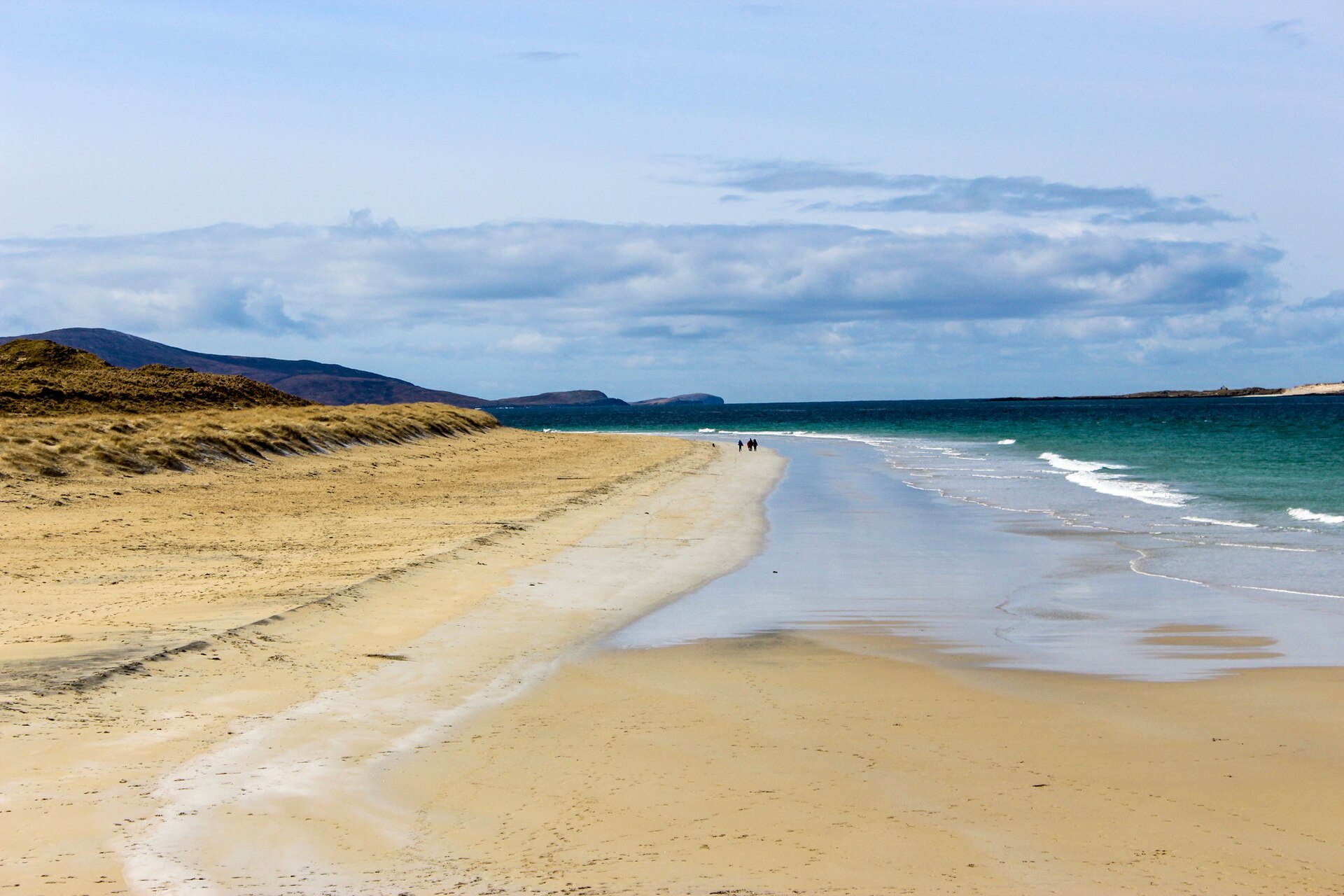
Fourth, The End of Everything. Save the strangest book for when you’ve got your reading legs. Harrison is 81 and has been writing science fiction since the late 1960s, and he doesn’t hold your hand; Helen Macdonald said in The Observer that it “destabilises you – quite savagely”. But the judges also said they found themselves “laughing aloud”, and they’re right. It’s bleak in the way a wet February on the Kent coast is bleak, which is to say you end up quite enjoying it.
Fifth, The Disappearers. James is the most ambitious writer here and this is the most demanding book: Dwight Garner in the New York Times called it “a maximalist’s banquet” and “humane, blood-flecked, disturbing and sustaining”. Give it a clear fortnight. Don’t start it the week the clocks go back on 25 October and you’ve got a cold.
Last, and optionally, The Things We Never Say. More on this below.
What the Booker Prize 2026 shortlist costs: £79, £109 or nothing
Here’s the practical bit. Four of the six come from imprints of the big groups – Penguin Random House, Pan Macmillan and Hachette – and the other two from the independents Granta and Serpent’s Tail. The Booker Prize Foundation is selling all six as a bundle through the ethical online bookshop BookKind for £79 with free UK delivery, and says that saves “over £30” – which puts the full-price total at north of £109. Ten per cent of the bundle goes back to the Foundation’s charity work.
Is £79 good value? For six new hardbacks, yes, and it’s cleaner than chasing supermarket deals on individual titles. But I’m not convinced most people need all six in hardback. The library is the obvious answer, with a catch: expect reservation queues to build now the shortlist is out, so if you’re going that way, reserve today rather than next week. Audiobooks are the other route, and the full list reads better aloud than you’d expect – Stuart and James in particular write for the ear. If you’re new to listening, our best British audiobooks of 2026 guide covers which services make the maths work.
My split, for what it’s worth: buy Black Bag and The End of Everything, because they’re the two you’ll want to lend out, and borrow the rest.
And if you’re the sort of person who buys the whole shortlist mainly to have it on the shelf, you’re not alone – that’s half of the bookshelf wealth trend in one parcel.
“Are men OK?” – the theme nobody set out to pick
Beard’s panel didn’t choose a theme, but one arrived anyway. Thomas-Corr, writing in The Times and quoted in The Week, spotted it immediately: “masculine authority in crisis – and discomfort”. Look at the list again with that in mind. Kennard’s actor loses his status and confidence inside a bag. Stuart’s John-Calum returns to a father whose authority is enforced by the kirk. James writes about masculinity being policed with violence. Harrison’s scavenger tests what she called “the masculine survivalist fantasy of practical competence” and finds it lacking. Even the two women on the list turn their attention to men: Strout’s isolated husband, Perry’s king who never wanted the job. Cummins summed up the whole thing in The Observer as a list whose theme “might be summed up as: are men OK?”
That’s why Cocker’s comment lands so oddly. The judges seem to have been drawn to books about men failing at being men, while privately thinking men had written the weaker submissions. Those two things aren’t contradictory. But it does make the shortlist feel like a verdict on last year’s winner, David Szalay’s Flesh, which kicked off an argument about literary fiction’s new fixation with masculinity that hasn’t gone away.
You’ll find that either fascinating or exhausting, and I suspect it comes down to how many novels about sad men you’ve already read this year.
The case against Elizabeth Strout
Strout is the biggest name on the list. She’s won a Pulitzer, Olive Kitteridge became an HBO series, and she’s the one author here whose new novel was going to sell in serious numbers whether or not the Booker noticed. She’s also, as the New Statesman pointed out, the only author on the shortlist who wouldn’t have been eligible before the prize opened up to American writers in 2014.
I don’t think The Things We Never Say should be here. It’s a decent Strout novel, and a decent Strout novel is better written than most things published this year, but it’s the weakest of the six. The critics who’ve taken it on seriously keep circling the same problem. The New Statesman’s reviewer, Ellen Peirson-Hagger, said back in April that it lays “on the trauma especially thick”. Cummins found the politics “too unsubtle”. The judges themselves praised it as “a calm antidote to contemporary events”, which is a nice line but reads like the kind of thing you say about a book you’re fond of rather than one you think should win the biggest prize in English fiction.
Strout doesn’t need the Booker, and that’s not an argument against her by itself. The problem is that her place on the list went to a book at the same level of craft (Riley’s, or Aridjis’s) that would have done more with the attention. If you’re short on time, this is the one to skip.
Who should win on 9 November, and who will
The critics are, broadly, split two ways. Cummins in The Observer thinks the “straightforward page-turning jeopardy” of John of John will carry it, and he’s probably right about the room. Stuart’s already won once, he writes the most emotionally direct book on the list, and five judges trying to agree tend to land on the book nobody hates. Lucy Thynne in The Telegraph is backing Harrison instead, calling his “stunningly weird vision of the collapse of England” a “cut above” the others.
I’m with Thynne. The End of Everything is the book on this list that couldn’t have been written by anyone else, and Harrison has spent more than 50 years being called a genre writer by people who hadn’t read him. He won the Goldsmiths Prize, the Arthur C. Clarke Award and the Boardman Tasker, and this is the first time the Booker has so much as looked at him. If he wins he’ll be the oldest winner in the prize’s history, at 81 – Margaret Atwood currently holds that record, from her shared win at 79 in 2019. A Booker for a science fiction novel about the end of England, given to a man who used to judge it, would be the most interesting thing the prize has done in years.
But I’d put money on Stuart, and I’d be a bit disappointed if I won. A second win for him would make him only the fifth author to take the Booker twice, after J.M. Coetzee, Peter Carey, Hilary Mantel and Atwood. That’s a good story. It’s just not as good a novel as Harrison’s.
The dark horse is Kennard. Comic novels almost never win the Booker, and Black Bag is a comic novel. But Beard is a judge who’s made a career out of being funny about serious things, Cocker has said the men who made the cut are the ones able to “rethink their roles”, and Lockwood wrote one of the funniest novels of the last decade. If any panel was going to break the rule, it’s this one.
Where to hear the authors before the result
Autumn’s literary festivals will lean heavily on whoever’s shortlisted, so check programmes at Cheltenham in October and your nearest city book festival for last-minute additions; shortlisted authors tend to get booked in after the fact. It’s a different crowd from Edinburgh in August, but the ticket prices are similar and the queues are shorter. The ceremony itself on 9 November is invitation-only, though the result is announced live on the night.
And if you want something to do with the other half of your cultural autumn, the Turner Prize opens in Middlesbrough on Saturday – a prize shortlist you can see for free, in an afternoon.
So: are you reading the whole shortlist before 9 November, or have you already picked your one – and is it the man in the bag?