
The Cheapest Electric Heater to Run Doesn’t Exist: Every 2kW Heater Costs 53p an Hour From 1 October, the £284 ‘Low Energy’ Panel Included – And the £32 One to Buy Instead
Herschel sells a 500-watt portable infrared panel for £284 and says it costs “around 7 pence per hour” to run. From 1 October, when Ofgem’s new cap puts a unit of electricity at 26.32p, a 500-watt anything costs 13p an hour flat out. The 7p is what you’d pay if the thermostat cut the panel off for half of every hour, which is what every heater with a thermostat does. But it’s been dressed up as a property of the heater, and it isn’t.
In This Article
- Why the cheapest electric heater to run doesn't exist
- What the October cap does to the maths
- Fan, oil, halogen, panel: what the type changes, and what it doesn't
- The four things that actually cut the bill
- The heaters to buy, from £10 to £244, and the £540 one to leave in the shop
- The bit about safety nobody reads until afterwards
That’s the whole category in one product listing. Search for the cheapest electric heater to run and you’ll get a page of “eco”, “low energy”, “energy efficient” and “fast heat” models, and none of those words mean anything. A plug-in heater turns electricity into heat at 100 per cent whether it cost £10 in Argos or £540 from Dyson. The only number that decides your bill is the wattage on the box multiplied by how long it’s on. Everything else is packaging.
I’ve had a fan heater under the desk in the box room since the first cold snap, and this year I finally put a plug-in energy monitor on it, the £15 kind from Screwfix. What it told me is below. So is what actually cuts the cost, which heaters are worth having for reasons that have nothing to do with running cost, and why the most heavily marketed heaters of the autumn are the ones to walk past.
Why the cheapest electric heater to run doesn’t exist
Physics first, and briefly.
A resistive heater – fan, oil-filled, convector, halogen, ceramic, infrared panel, the lot – passes current through something that gets hot. There’s nowhere else for the energy to go. One kilowatt-hour in, one kilowatt-hour of heat out. Which? has put more than 40 heaters through its test room over the past three years and the running costs it publishes range from 8p an hour to 80p, and that spread is wattage, nothing else. The small, low-wattage models sit at the bottom. The 3kW ones sit at the top. Neither is cleverer than the other.
The only electric heater that beats 100 per cent is a heat pump, which moves heat in from outside rather than making it, and the Energy Saving Trust puts them at two to four times less electricity for the same warmth. Nobody’s selling you one of those for £40 in B&M.
So when a box says “energy efficient”, ask: compared with what? Every one of its rivals is exactly as efficient. When it says “low energy”, it means low wattage, which means it puts out less heat and takes longer to do it. That’s a trade, not a saving. And when a listing says “cheap to run”, find the watts and do the sum yourself, because whoever wrote the listing has usually used a unit rate from about 2021.
What the October cap does to the maths
Ofgem’s cap for 1 October to 31 December sets electricity at 26.32p per kWh and gas at 7.97p. The electricity figure has no VAT in it, because the government has taken VAT off electricity until 31 March; gas still carries 5 per cent. That narrows the gap between the two fuels to 3.3 to one. In April it was 4.3 to one. It’s the first winter in a while where the sums for a plug-in heater are less bad than they look, though “less bad” is doing a fair bit of work in that sentence.
Here’s what the new rate means per hour with the heater on full:
| Heater wattage | Cost per hour on full (26.32p/kWh) | Five-hour evening |
|---|---|---|
| 500W infrared panel | 13p | 66p |
| 800W mini oil radiator | 21p | £1.05 |
| 1.2kW halogen | 32p | £1.58 |
| 1.5kW ceramic fan heater | 39p | £1.97 |
| 2kW fan heater or oil-filled | 53p | £2.63 |
| 2.5kW oil-filled | 66p | £3.29 |
| 3kW convector | 79p | £3.95 |
A 2kW fan heater flat out for a five-hour evening is £2.63. Do that every night in October and it’s £82. With a thermostat doing its job in a smallish room it’s a lot less: the monitor on my box-room heater has it running about 40 per cent of the time once the room is at 20 degrees, which makes the evening nearer £1.05 and the month about £33. Those are the numbers to hold in your head, not “7p an hour”.
The boiler comparison is the one everybody actually wants. A gas combi heating a three-bed semi on a cold evening burns something like 8 to 10kWh of gas an hour, which is 64p to 80p at the October rate, before you lose a tenth or so to the boiler’s own inefficiency. Five hours is £3.20 to £4. So an electric heater in one room, with the boiler off, saves you a pound or so a night. Two electric heaters in two rooms and the boiler is cheaper. Which? reaches the same place in more careful language: fine for a short blast in a small area, but over a full day you’re probably better off with the central heating.
That’s the honest version of the “just heat one room” advice. It works. It only works once.
Fan, oil, halogen, panel: what the type changes, and what it doesn’t
Which?’s own averages get quoted at me as proof that oil-filled radiators are cheaper: 33p an hour on average against 60p for fan heaters and 48p for convectors, on last quarter’s unit rate. But look at what was tested. The oil-filled group includes an 800-watt Daewoo mini and a 1.5kW John Lewis; the fan heater group is nearly all 2kW. Same watts, same cost. A 2kW De’Longhi costs exactly what a 2kW Pro Breeze costs while it’s switched on.
What the type does change is how the heat arrives, and that matters more than the marketing admits.
Fan heaters are fast and rude. Which? measures a medium room over 30 minutes and fan heaters come out ahead in that test, because they’re shoving warm air at you. They’re also the noisiest – mine is a low roar you stop hearing after a week – and the warmth vanishes the moment they click off. Right for a bathroom, a box room, or twenty minutes before you sit down.
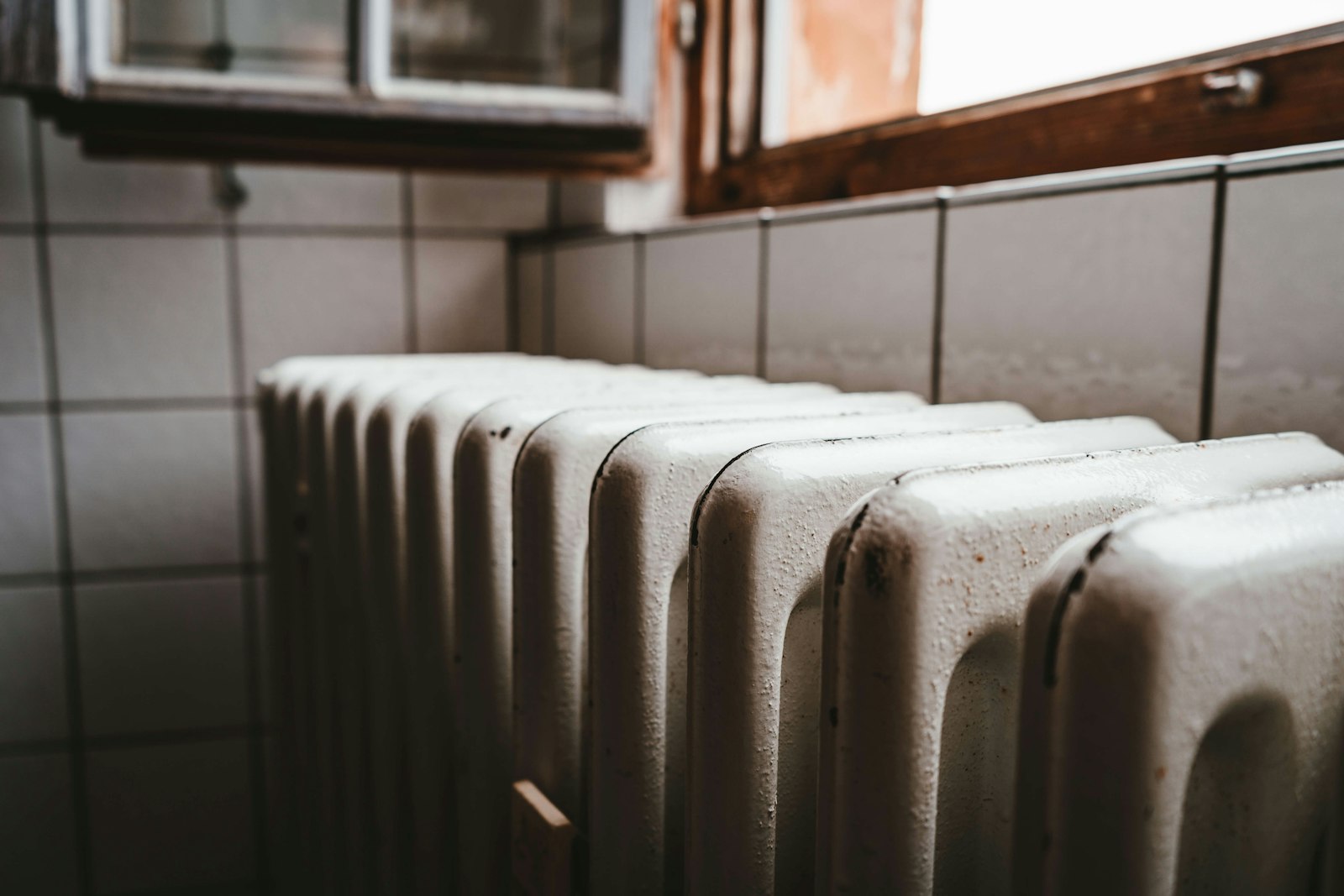
Oil-filled radiators are slow and heavy. The De’Longhi Dragon 4 is nearly 18kg, and it takes a good half hour to feel like it’s doing anything. But it’s silent, it holds a thermostat better than anything else, and Which? found it kept giving off heat for about another half hour after being switched off. That’s stored heat, not free heat; you paid for it earlier. Right for a bedroom, or a home office you’re in for six hours.
Halogen heaters are the odd one out and the most underrated thing in the aisle. A £13 bar heater from B&M doesn’t heat the room at all. It heats you, by radiation, the way the sun does on a cold day. If you’re one person in a big cold room, a 1.2kW halogen pointed at the sofa will feel warmer than a 2kW fan heater fighting the whole volume of air, for 32p an hour instead of 53p. That’s the one true “cheaper to run” case on this page, and it’s about where the heat goes, not how it’s made.
Infrared panels are halogen heaters with a marketing department. Same radiant principle, gentler, and a great deal more expensive. The Energy Saving Trust is careful about them: it says a well-controlled infrared set-up will probably cost less to run than standard electric panel heaters, then adds that there’s little research to confirm it. It also flags a risk nobody selling them mentions. If you’re warm in the beam and the air in the room stays cold, you get condensation on the walls, and then mould. Anyone who read our dehumidifier guide in August knows how that story ends.
The four things that actually cut the bill
A thermostat you can set in degrees. Not the 1-to-6 dial on a £10 heater, which is a guess. The Dreo, the Russell Hobbs and every oil-filled radiator over £60 let you set 19 or 20°C and leave it, and that’s where my 40 per cent duty cycle comes from. It’s the single biggest saving available and it lives in the control panel, not the heating element.
The low setting. Most 2kW heaters have a 1kW or 1.2kW mode. Once the room’s warm, drop to it. Half the watts, half the cost, and in a small room with the door shut it holds temperature fine.
Where you point it. If it’s a radiant heater, point it at the person, not the room. If it’s a fan heater, put it low and across the room from you so the warm air crosses the space instead of blasting your shins and leaving your back cold.
Turning the gas off elsewhere. This is the only reason a plug-in heater saves money at all. If the boiler is still heating five other rooms, the electric heater is a £2.63 luxury on top of the bill, not a substitute for it. Turn the radiator valves down in the rooms you’re not using, or set the boiler’s timer to skip the evening, and then the heater earns its keep. Our smart thermostat guide covers the gas side of that equation.
And the cheapest heater in the house isn’t a heater. MoneySavingExpert costs a single electric blanket at about 2p an hour: a hundred watts, warming a person rather than 40 cubic metres of air. We ran the numbers on heated throws a fortnight ago in the electric blanket guide and they came out at about 3p. If you’re sat still watching telly, a £30 throw does what a £40 heater does for a twentieth of the cost, and it’s the reason the snug room is having a moment.

The heaters to buy, from £10 to £244, and the £540 one to leave in the shop
The under-£15 fan heater. Argos’s own-brand Challenge 2kW ceramic fan heater was showing at £9.60 when I looked, down from £15, and B&M’s Home Comforts 1200W halogen has been £12.99. These do the job. What you don’t get is a proper thermostat, a timer, a remote or quiet, and the plastic smells for the first hour. Buy one for the bathroom or the shed. Don’t buy one for a room you’ll sit in for five hours a night, because without a real thermostat you’ll run it flat out and pay for it.
Pro Breeze 2000W Mini Ceramic, about £32 on Amazon, £40 at Robert Dyas. Of the ten fan heaters in Which?’s latest test, this is the one I’d spend my own money on. It’s small, it has tip-over and overheat cut-outs, two heat settings and a fan-only mode, and it’s the one I’d put under a desk. The thermostat is a dial rather than degrees, which is its one real weakness. Nothing to write home about, and that’s rather the point.
Russell Hobbs RHCH2001G, £29 to £40. A 1.5kW ceramic fan heater with a digital thermostat you set in degrees, a 24-hour timer, oscillation and a remote. It sat in Which?’s November test alongside the Pro Breeze. The lower wattage means it’s slower to warm a big room – 39p an hour flat out – but for a bedroom or an office it’s the right amount of heater, and the degree-based thermostat is why. If you’re choosing between this and the Pro Breeze for a room you’ll actually sit in, choose this.
Dreo Atom One (DR-HSH006), £40 to £50. Also 1.5kW, also Which?-tested, and the quietest fan heater I’ve had in the house. Three power settings, a 12-hour timer, a child lock, degrees on the display and a remote. Argos lists it as the Atom 416. The price has bounced between £40 and £50 since the summer; at £40 it’s the best fan heater here.
John Lewis Digital Oil Radiator, £65, in-store only. A 1.5kW oil-filled radiator with a proper thermostat, a 24-hour timer, wheels and a remote, for a quarter of what the Dragon 4 costs. Which? tested it. It’s slow, like all of them, and 8kg. For a bedroom you want warm for the hour before sleep and silent while you read, it’s the sensible option in this list, and the only real mark against it is that you have to go to a shop to buy it.
De’Longhi Dragon 4 TRDX41025E, £244 at Currys, from £219 elsewhere. The 2.5kW oil-filled radiator that tops every list, with a ten-year guarantee and 1,431 Currys reviews averaging 4.8 out of 5. It’s a very good heater. It’s also 66p an hour on full, nearly 18kg, and the price of seven Pro Breezes. Buy it if you have a big cold room you’re in all day, every day, and you want it silent and set-and-forget. Otherwise the John Lewis does the same job for a quarter of the money, and the extra kilowatt just costs more to run.
Skip: Dyson Purifier Hot+Cool HP1, about £540. It’s a fan heater with an air purifier on top, and the heating element inside is an ordinary resistive one that costs whatever its wattage says, like everything else. If you want a purifier, buy a purifier. If you want a heater, you’ve just read about six for under £70.
Skip, mostly: the £284 Herschel Select portable panel. It’s well made, it has a five-year warranty and the app works. It also puts out 500 watts, which won’t lift the temperature of a medium room much at all, and its “7p an hour” is a 13p heater with the thermostat doing half the work. If you want radiant heat for one person, the £13 halogen does it for a twentieth of the price and gives you more of it. The case for the Herschel is that it looks like a picture frame and doesn’t glow orange. I’m not sure that’s a £270 case.
The bit about safety nobody reads until afterwards
Which? keeps finding heaters on Temu, TikTok Shop, Amazon Marketplace and eBay that could catch fire, explode, burn you or give you a shock, and says it keeps seeing the same ones relisted. Unbranded is the tell. Every heater above has a name on it and somebody to complain to.
The other thing: plug it into the wall. A 2kW heater on a cheap four-way extension lead, under a desk, next to a paper bin, is how these things go wrong. Don’t sleep with a fan heater running, don’t dry socks on it, don’t leave it on when you go out, and if it tips over and doesn’t switch itself off, it’s the wrong heater.
The next cap is announced on 25 November and applies from January. If gas goes up again and the VAT holiday on electricity holds, the 3.3-to-one ratio narrows further and the one-room-electric plan gets slightly less bad still. What it will never do is make one heater cheaper to run than another at the same wattage, however many times the box says “eco”. The same arithmetic caught out the “3p an hour” heated airer a fortnight ago, and it’ll catch out whatever’s in the Facebook adverts next month.
So the question for the next fortnight isn’t which heater is cheapest to run. It’s which room you can shut the door on, and whether you’ll actually turn the boiler down when you do.
Sources: Ofgem, energy price cap 1 October to 31 December 2026; Which?, best electric heaters 2026; Which?, best oil filled radiators; Energy Saving Trust, infrared heating explained; MoneySavingExpert, heat the human not the home.