
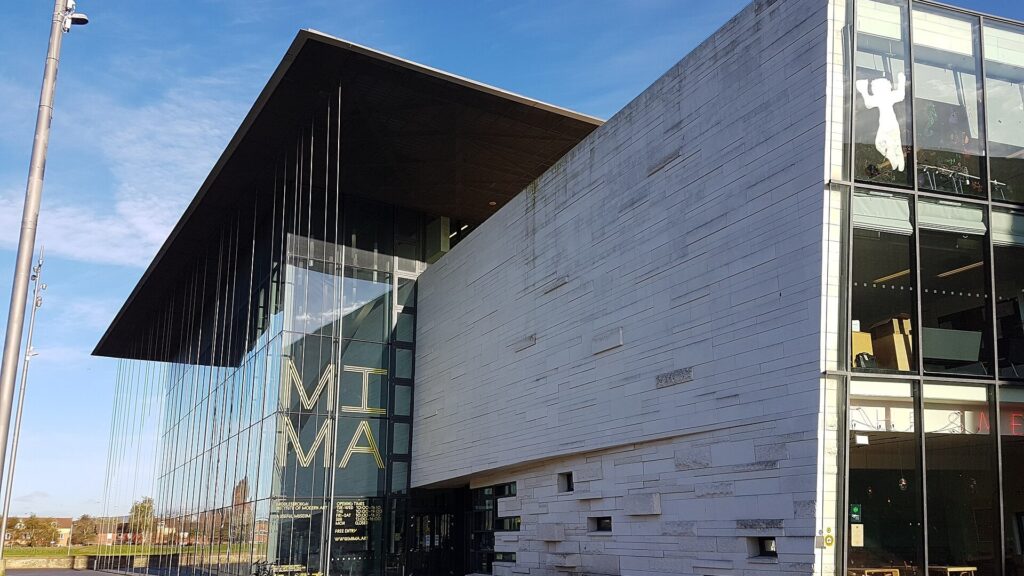
Turner Prize 2026 Opens in Middlesbrough on Saturday: Free Entry, a Six-Month Run and the Best Case Yet for Keeping It Out of London
The Turner Prize used to fill Tate Britain with people who’d come to be annoyed. That was the point of it. An unmade bed, a shed that became a boat, a light going on and off – you paid your money, you went in, you had a row on the way home. This year the Turner Prize 2026 opens on Saturday 26 September at MIMA in Middlesbrough, the admission is free, it runs for six months, and the nearest thing to a row is a handful of London critics complaining that nobody’s angry any more.
In This Article
I think they’ve missed what’s happened. The prize didn’t lose its edge. It moved.
Four artists are on the shortlist: Simeon Barclay, Kira Freije, Marguerite Humeau and Tanoa Sasraku. The winner is announced at MIMA on 10 December and takes £25,000, with £10,000 for each of the other three. The exhibition then carries on until 29 March 2027, which matters more than it sounds, and I’ll come back to it.
The prize that stopped coming home
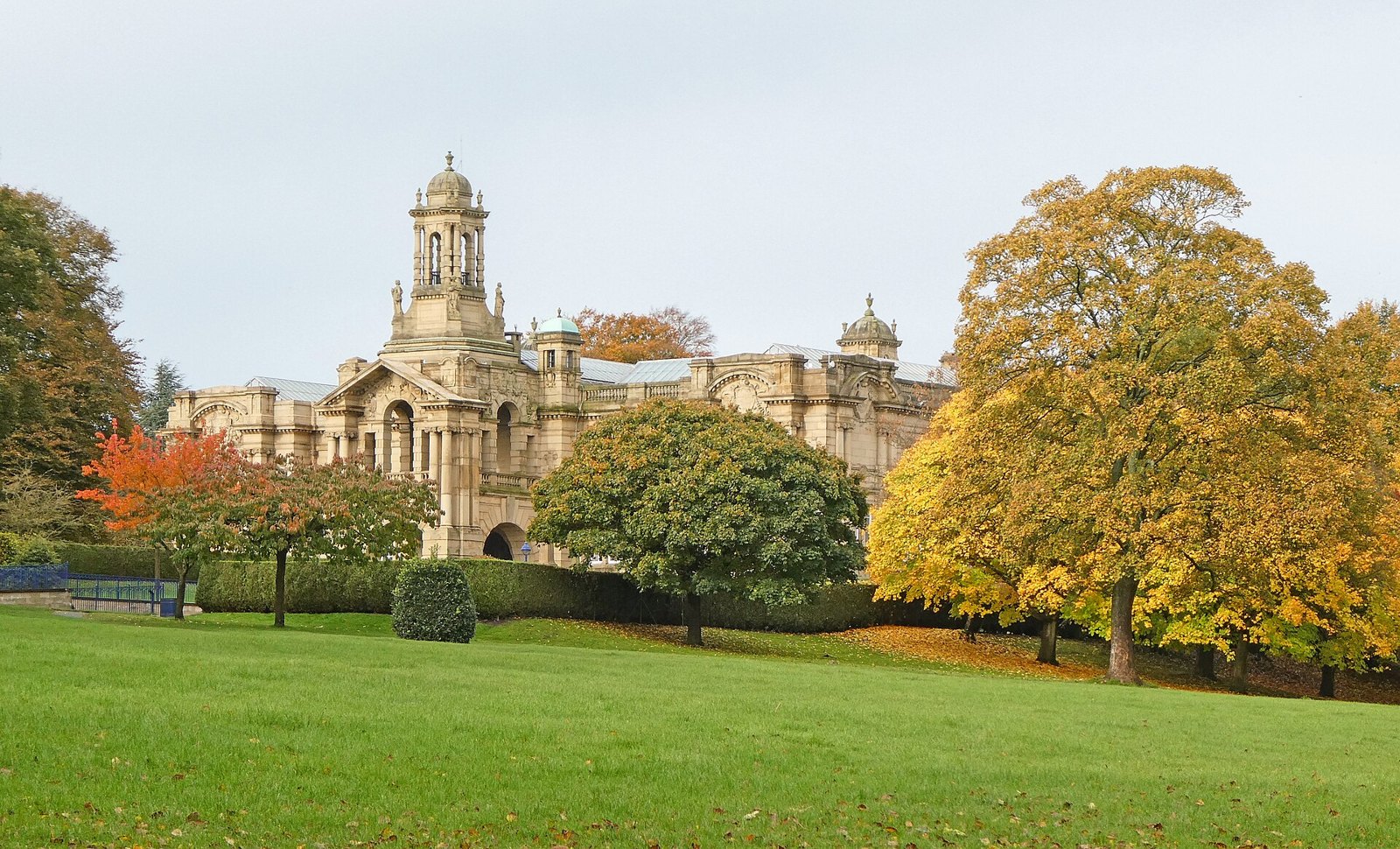
Here’s the run of host cities since Tate started sending the Turner Prize out on the road in 2011: Gateshead, Derry-Londonderry, Glasgow, Hull, Margate, Coventry, Liverpool, Eastbourne, Bradford. The only recent year it stayed at Tate Britain was 2024, and that was the 40th birthday. The Museums Association counts Middlesbrough as the tenth year the exhibition has been staged outside London, and since 2011 the away fixtures outnumber the home ones ten to five.
What started as an occasional gesture has become the prize’s actual identity. And the numbers from last year suggest the gesture works. Tate said 34,000 people had been through Cartwright Hall in Bradford by the time Nnena Kalu was named the 2025 winner in December; the total by the time the show closed in February was north of 50,000, and Cartwright Hall’s visitor numbers were up 44% on the year, according to figures published by Rabbithole, the Leeds studio that designed the Bradford edition’s identity. For a municipal gallery in Lister Park that most of the country couldn’t place on a map, that’s not a rounding error.
Kalu’s win was itself a marker. She was the first artist with a learning disability to take the prize, the ceremony was held at Bradford Grammar School rather than a Pimlico dining room, and BBC News carried it live. None of that would have felt as pointed in London.
Middlesbrough is the next step along that road, and a slightly bolder one than Bradford. Bradford had a City of Culture year and a budget to match. Middlesbrough has a gallery, a university and a reputation for being the town you pass on the A19. That’s exactly why it’s the more interesting host.
Who’s on the Turner Prize 2026 shortlist – and who I’d back
The jury chair, Tate Britain’s director Alex Farquharson, described the four as inviting us into “carefully constructed scenarios, both real and imagined”, which is diplomatic shorthand for a list heavy on sculpture and installation, and light on anything you could hang.
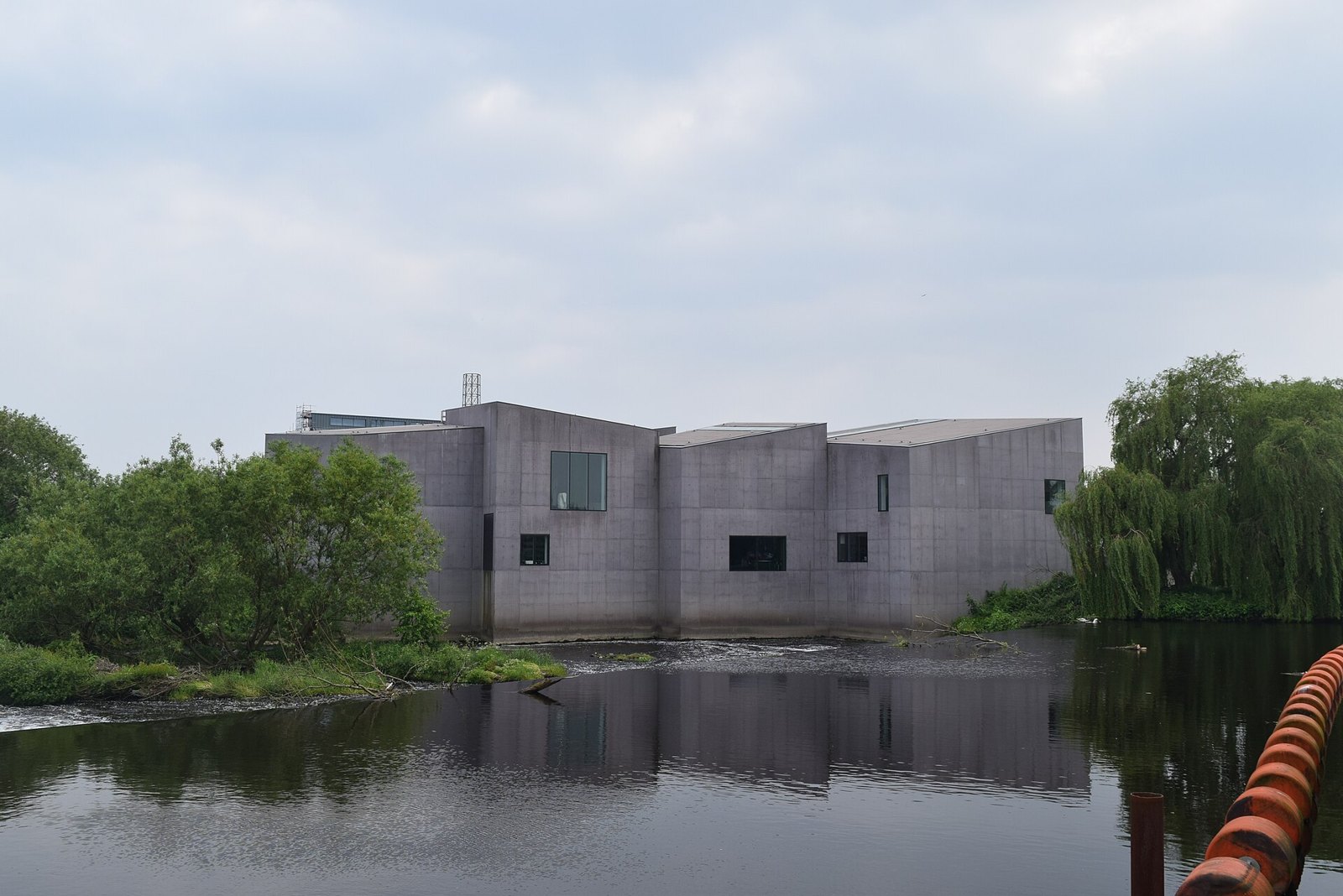
Kira Freije, 41, London-born and Royal Academy Schools trained, is nominated for Unspeak the Chorus at The Hepworth Wakefield, her first major solo show, co-commissioned with Modern Art Oxford. Life-size figures built from bare metal armatures with stonecast faces, arranged like a chorus that’s stopped mid-line. She’s cast her own hands and feet in aluminium for these things. The jury talked about emotional depth and a “haunting” transformation of the room, and having stood in that Wakefield gallery on a wet Tuesday in November, I don’t think that’s overselling it. It’s the kind of work that makes people go quiet, which in a Turner Prize show is rarer than it should be.
Tanoa Sasraku, at 30 the youngest of the four, was born in Plymouth and is British-Ghanaian. Her ICA show Morale Patch took the political and military history of oil and dressed it in the visual language of a corporate lobby: clean plinths, acrylic, the vocabulary of a trade-show stand. The jury called it clinical, ironic and serious all at once, and that’s fair. It’s also the nomination with the most to say about the present, which the Turner Prize has historically rewarded.
Marguerite Humeau, 39, is French, London-based, and the only nominee whose qualifying show wasn’t in Britain. Torches ran at ARKEN outside Copenhagen and then HAM in Helsinki: sculptures that look part animal, part instrument, part something dug up, sitting in a looped cycle of light and sound. The jury liked its “cinematic exhibition-making”. I like it too, though it’s the work most at risk of being shrunk by a smaller room, and MIMA’s galleries are not ARKEN’s.
Simeon Barclay, 51, from Huddersfield, is nominated for The Ruin, an hour-long spoken-word performance with live percussion from James Larter and horn from Isaac Shieh, commissioned by the Roberts Institute of Art and performed at the ICA, the Hepworth and New Art Exchange in Nottingham. It’s about growing up in the industrial north, about class, race and what it means to be a man from a place like that. By every account it’s a serious, affecting hour. But it’s a performance. The eternal problem with nominating one for a prize decided by an exhibition is that what visitors get in the gallery is documentation, a film, a set. Unless MIMA has scheduled live dates – and I couldn’t find any confirmed at the time of writing – Barclay is being judged on a shadow of the thing.
Two small notes on the list. Barclay wouldn’t have been eligible before 2017, when Tate scrapped the under-50 rule; that change is why the shortlist now spans 30 to 51 rather than a room full of thirtysomethings. And there’s no painter, which will annoy the people it always annoys.
If you want a tip: Freije. Sasraku is the smarter bet on form, and juries do love a young artist with a big idea, but the Turner Prize rewards the room, and Freije’s figures will own whatever room they’re given. My money, such as it is, goes on her.
The “it’s gone safe” complaint is a London complaint
Artforum’s write-up of the April shortlist announcement rounded up the grumbling. The prize, it said, has lately been “the subject of derision”, with detractors calling it a toothless shadow of its former self; it quoted the Guardian calling a recent shortlist “a bit timid, a bit fearful, a bit safe” and the Telegraph declaring that the award had “lost touch with the public”.
Lost touch with which public, though?
The version of the Turner Prize those critics miss is a 1990s London phenomenon: Channel 4 money, Tracey Emin drunk on the telly, Madonna swearing on stage at the ceremony, tabloids sending photographers to Millbank. It was a great show. But it was a show staged for a city that already had more contemporary art than it knew what to do with, and its “public” was a Tate Britain crowd plus whoever the Daily Mail could wind up that week.
The prize that’s opening on Saturday has a different job. When 50,000 people go through a Bradford gallery, most of them from Bradford, that’s the prize touching a public. When a Middlesbrough teenager walks past MIMA on the way to the bus station and goes in because it’s free and it’s raining, that’s contact of a kind the Tate Britain years never managed. The shock value has gone, and I’d argue it was always the least interesting thing about the Turner Prize anyway. What’s replaced it is reach, and reach is harder to sneer at from a desk in King’s Cross.
There’s a fair criticism buried in the moaning, and it’s this: when the shortlist is four thoughtful installations and nobody’s shouting, the ceremony loses its television hook, and the BBC News slot that Bradford got isn’t guaranteed. The Turner Prize needs a story every year. This year the story is the town, not the art, and Tate will need to be comfortable with that.
Why a university gallery changes the room
MIMA opened on Centre Square in 2007 and has been part of Teesside University since 2014, which makes this the first Turner Prize staged inside a university. Tate has made a modest fuss about that. The gallery’s director, Laura Sillars, who’s also the university’s dean of culture, described Middlesbrough as “a place with a strong and growing cultural confidence”, and talked about contemporary art sparking “discussion, dialogue and new ways of thinking” among students.
Strip out the press-release phrasing and there’s something real underneath. A university gallery has a captive, curious, skint audience on its doorstep for six months. It has lecture theatres for the talks, a student body to staff the invigilation and the family days, and a reason to keep the lights on in January when a council-run venue might be counting the pennies. The Bradford show leaned on a City of Culture machine; the Middlesbrough one leans on a campus. Different engine, similar effect.
The other thing a university brings is patience. Six months is a long run for a Turner Prize exhibition. Recent editions have closed in February; this one goes to the end of March. That gives the show a second act after the winner is announced, and it’s the second act I’d aim for.
Free entry, 10am on Saturday, and the January trick
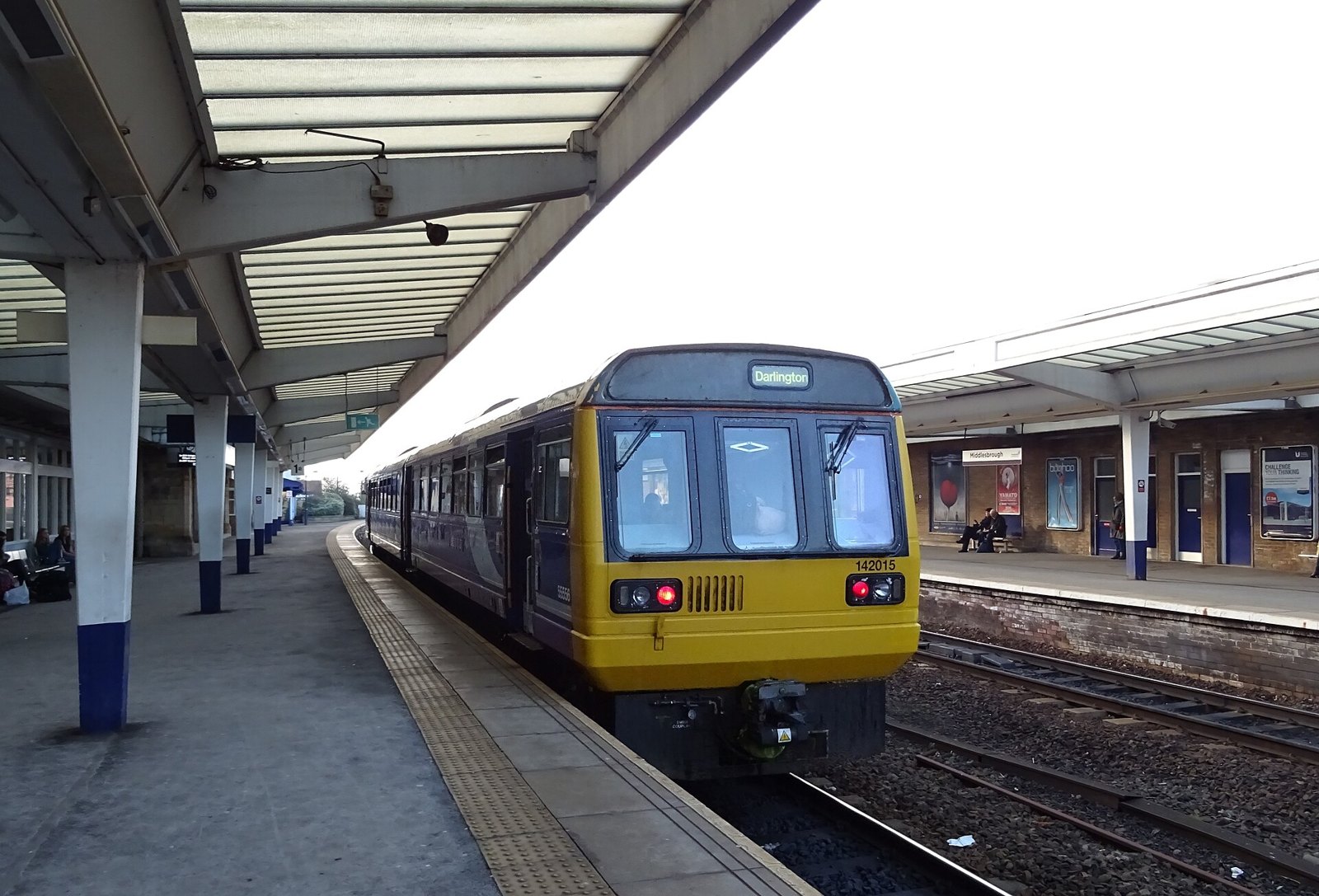
The basics. MIMA is at Centre Square, Middlesbrough TS1 2AZ, five minutes’ walk from the railway station. The Turner Prize 2026 opens Saturday 26 September and runs to 29 March 2027. Hours are Tuesday to Saturday 10am to 4.30pm and Sunday noon to 4pm, closed Mondays. Admission is free, with no booking required, though MIMA has an Eventbrite listing if you’d rather book a slot for a busy weekend. The work is split across the ground and second-floor galleries.
Getting there from the south is the only faff. LNER runs a single direct Azuma each way on weekdays – the 15:25 from King’s Cross gets into Middlesbrough at 18:18, and the return leaves at 07:08 – so for a day trip you’re changing at Darlington or York for the short hop across. Book ahead and the fare is nothing like a London exhibition ticket plus a Tube. From Newcastle it’s a 90-minute hop, and if you’re in the north-east already the timing lines up nicely with the Mercury Prize at the Utilita Arena on 22 October, which makes for an odd, pleasing autumn of national prizes being decided a long way from Whitehall.
Now the trick. Opening weekend will be busy with the art crowd who’ve come up on the train, and the first month will have the school groups. The winner is announced on 10 December. After that, the show runs for another three and a half months with the argument settled, the crowds thinned and the galleries quiet. Go in January. You’ll get the four rooms more or less to yourself, you’ll know which one the jury picked, and you can spend the visit deciding whether they were right. That’s the Turner Prize at its best, and it costs nothing but a train fare.
My sister, who lives in Yarm and has never once set foot in Tate Britain, has already pencilled in a Saturday. That, in one sentence, is the case for the tour.
What Middlesbrough gets out of it
The honest answer is: a lot of coverage, a good winter, and a test.
Bradford’s 44% uplift at Cartwright Hall was on the back of a whole year of City of Culture marketing. Middlesbrough doesn’t have that. What it has is a gallery that’s been quietly good for nearly 20 years, a town centre that has struggled for longer than that, and a university that has decided culture is part of its job. If the Turner Prize pulls Bradford-level numbers here without the City of Culture halo, the case for the touring model is settled for good. If it doesn’t, expect a quieter conversation at Tate about whether the prize should be going to places that can carry it, which would be a shame, because the places that can’t carry it are the ones that need it.
There’s a wider pattern in autumn 2026 of London’s big cultural fixtures either going regional or losing their grip. The London Design Festival still earns its fortnight, and the capital’s big summer shows pulled record crowds, but the national prizes have moved: the Mercury’s in Newcastle for a second year, the Turner’s on Teesside, and the Edinburgh Book Festival is the literary event of the year by some distance. London still has the money. It’s no longer where the arguments happen.
One thing I’d change
The ceremony. Tate has kept the December date, which puts the winner’s announcement in the dead zone between the end of the Christmas markets and the actual holiday, and hands the exhibition its quietest weeks straight afterwards. Move the announcement to late February, a month before the show closes, and you’d give the whole six months a spine: the argument runs through the winter, the vote lands when the town’s ready for something to do, and the final month becomes a victory lap rather than an afterthought. It’ll never happen, because the December slot is a television habit. But it’s the wrong habit for a touring prize.
Until then, the advice stands. Saturday if you want the buzz, January if you want the art. Either way you’re seeing the same four rooms for free that a Tate Britain edition would have charged you for, in a town that’s decided to take it seriously.
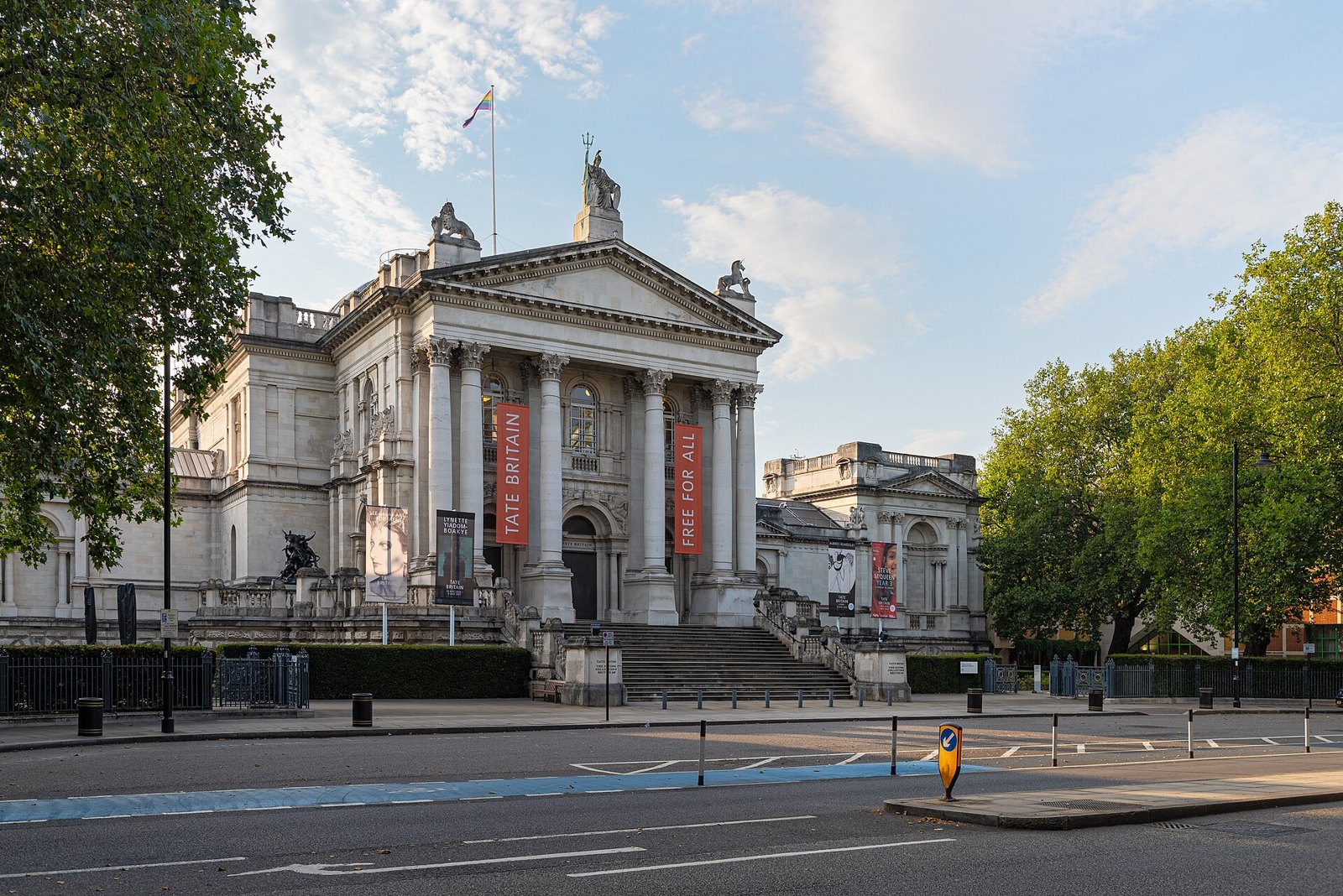
Which brings me to the question I keep circling. If the Turner Prize now does its best work in Bradford and Middlesbrough, what exactly is the argument for ever taking it back to Millbank?