Edinburgh Book Festival 2026: 604 Events, a £21 Ceiling, and the August Ticket the Fringe Can’t Match
Nothing at the Edinburgh Book Festival 2026 costs more than £21. Not John Grisham. Not Gordon Brown, not the former Finnish prime minister, not the bloke who started Wikipedia. Twenty-one quid is the ceiling across a bill of 604 events that opens tomorrow and runs until 30 August, and a decent chunk of the programme sits well below it or asks you to pay whatever you can manage.
In This Article
- The £21 ceiling is a decision, not an accident
- 604 events, 41 countries, and a theme that could easily have been a fudge
- The Front List, and why the McEwan Hall matters
- Greyfriars Kirk is the gamble worth watching
- The politicians problem
- What I'd book at the Edinburgh Book Festival 2026
- The comparison nobody at either festival wants to make
- Where this fits in a strange year for British culture
That’s the story here, and almost nobody writes it, because ticket pricing is dull and author line-ups are not.
But look at what August in Scotland now costs. A weekend at a mid-sized music festival will take £200 off you before you’ve bought a pint. A run of Fringe shows adds up faster than anyone admits at the time. And into that sits a festival with Pulitzer winners, an International Booker winner and a man who’s sold north of 300 million books, charging less than a cinema ticket and a bag of Minstrels for most of it. Either the Book Festival has badly misjudged what its programme is worth, or it has judged something else correctly. I think it’s the second one. (The comedy end of that spend now has a form guide – this year’s Comedy Awards shortlist.)
The £21 ceiling is a decision, not an accident
Adult tickets this year run from £0 to £21. Children’s events top out at £6. Livestreams are £0 to £8, and a portion of both in-person and online events are Pay What You Can. There are reduced prices for over-60s, students, under-30s, people on Income Support and disabled visitors, which is a longer list of concessions than most arts organisations bother with.
Compare that to what a comparable name commands elsewhere. An arena author event with a household name will routinely charge £35 to £60. A West End play with a television actor in it can ask three figures for a good seat. The Book Festival has a Pulitzer winner discussing a brand new novel and it wants roughly the price of two pints in Bruntsfield.
Ticket income clearly isn’t the engine here. Creative Scotland, the City of Edinburgh Council and Culture Edinburgh are all listed as funders, and the schools programme alone hands out free tickets, transport and books to around 5,000 pupils. Money moves through the festival rather than piling up at the box office. You can be cynical about publicly funded arts and still notice that this is what the funding is actually doing: holding a price down so that a sixth-former from Wester Hailes can sit in the same room as Colson Whitehead.
604 events, 41 countries, and a theme that could easily have been a fudge
Festival themes are usually wallpaper. Something broad enough to cover whoever happened to have a book out. This year’s is Changing Your Mind, and on paper it reads like the sort of thing you’d write in a funding application at half four on a Friday.
Director Jenny Niven’s framing is sharper than that. “At a time when opinions seem increasingly polarised and online debate is so divisive,” she said when the programme launched in June, “we’re creating space for thoughtful conversations – exploring the reasons for our increasing social and political divides, and how we might change each other’s minds, or at least agree to disagree, more agreeably.”
It sticks because the programming follows the brief rather than gesturing at it. There’s a strand on trust and information running through the fortnight, with The New Yorker‘s Fergus McIntosh, The News Agents co-host Lewis Goodall and the journalist Yi Ling Liu picking at misinformation and how global stories get told. There’s an AI thread that has gone out of its way to book people who were in the room: Steve Crossan, part of the original DeepMind team; Sarah Wynn-Williams, who ran public policy at Facebook; and Tim Wu, who coined “net neutrality”. That’s a line-up assembled by someone who wanted argument rather than agreement. Booking the person who built the thing and the person who left it in disgust is a more useful hour than booking two commentators who already share a position.
The Front List, and why the McEwan Hall matters
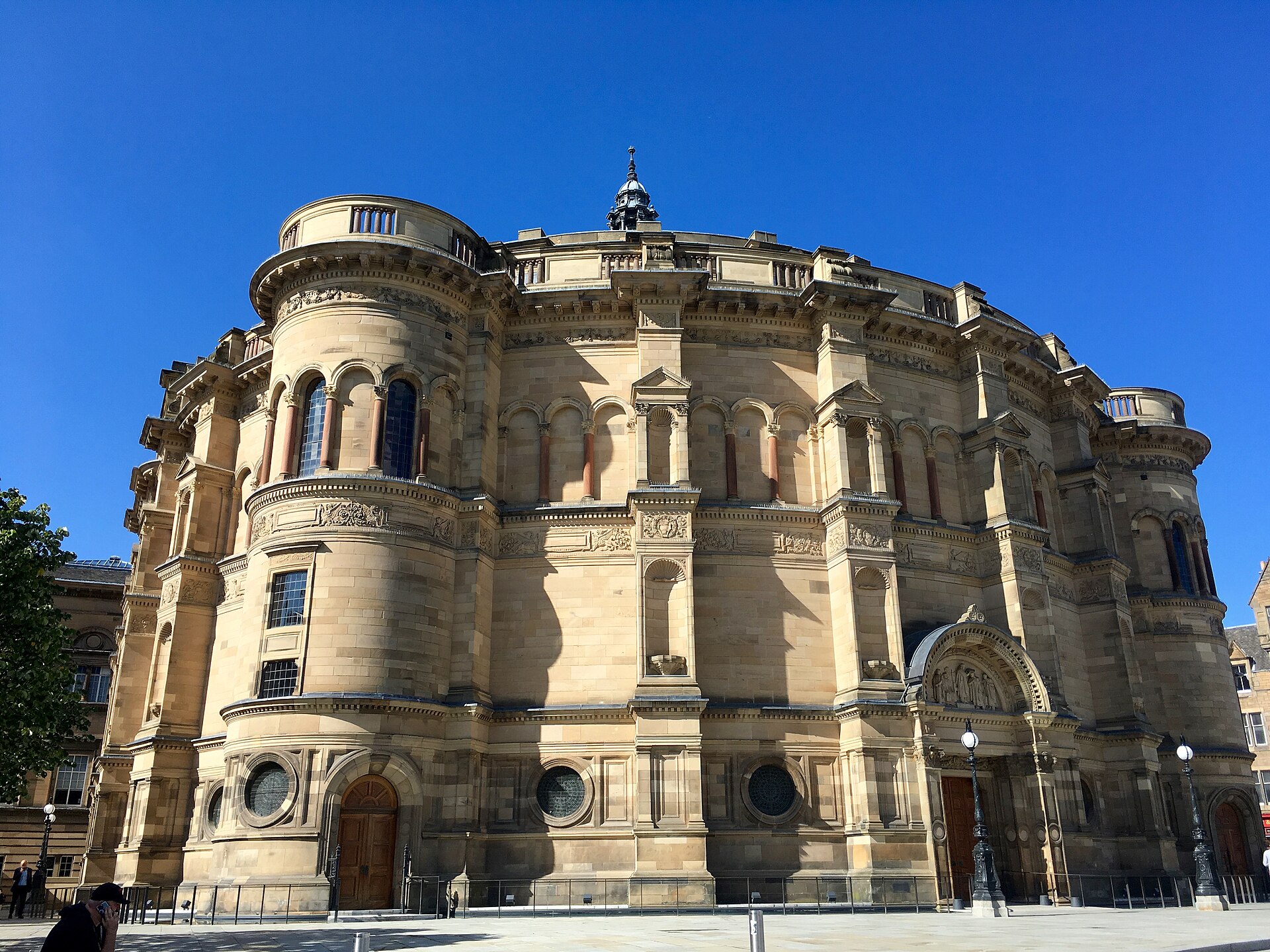
The heavyweight strand is called The Front List: fifteen events, running daily from Monday 17 August at 1pm, most of them in the McEwan Hall. If you’ve never been inside it, the McEwan is the enormous domed Victorian graduation hall on Bristo Square, all painted ceilings and tiered seating, and it does something to a reading that a marquee never manages.
Colson Whitehead is there with Cool Machine. Douglas Stuart brings John of John, his third novel and the one people have been waiting on since Shuggie Bain. Kae Tempest is discussing Having Spent Life Seeking, a novel that reportedly took a decade. Diana Gabaldon is on the bill, which will bring a completely different crowd through the doors, and good.
The one I’d queue for is the Grisham and Rankin pairing. On the face of it that’s a curiosity booking – two men who sell in enormous quantities, put in a room together to talk about it. But there’s a real conversation buried in there about what popular fiction is allowed to be. Grisham has shifted over 300 million copies and is still routinely written about as though he’s a genre problem rather than a novelist. Rankin has spent thirty-odd years dragging Scottish crime fiction into the literary mainstream, mostly by being better at it than the people sniffing at it. If the chair has any sense, that hour gets prickly.
International fiction is unusually strong too. Yáng Shuāng-zi is over with Taiwan Travelogue, which took this year’s International Booker. Mieko Kawakami brings Sisters in Yellow, set among the dive bars of 90s Tokyo. Daniyal Mueenuddin has This Is Where the Serpent Lives. Maggie O’Farrell is here with Land, Colm Tóibín with a short story collection called The News from Dublin, and Ann Patchett, Ali Smith, Candice Carty-Williams and Ben Lerner are all in town.
Greyfriars Kirk is the gamble worth watching
New venue this year, and it’s a church.
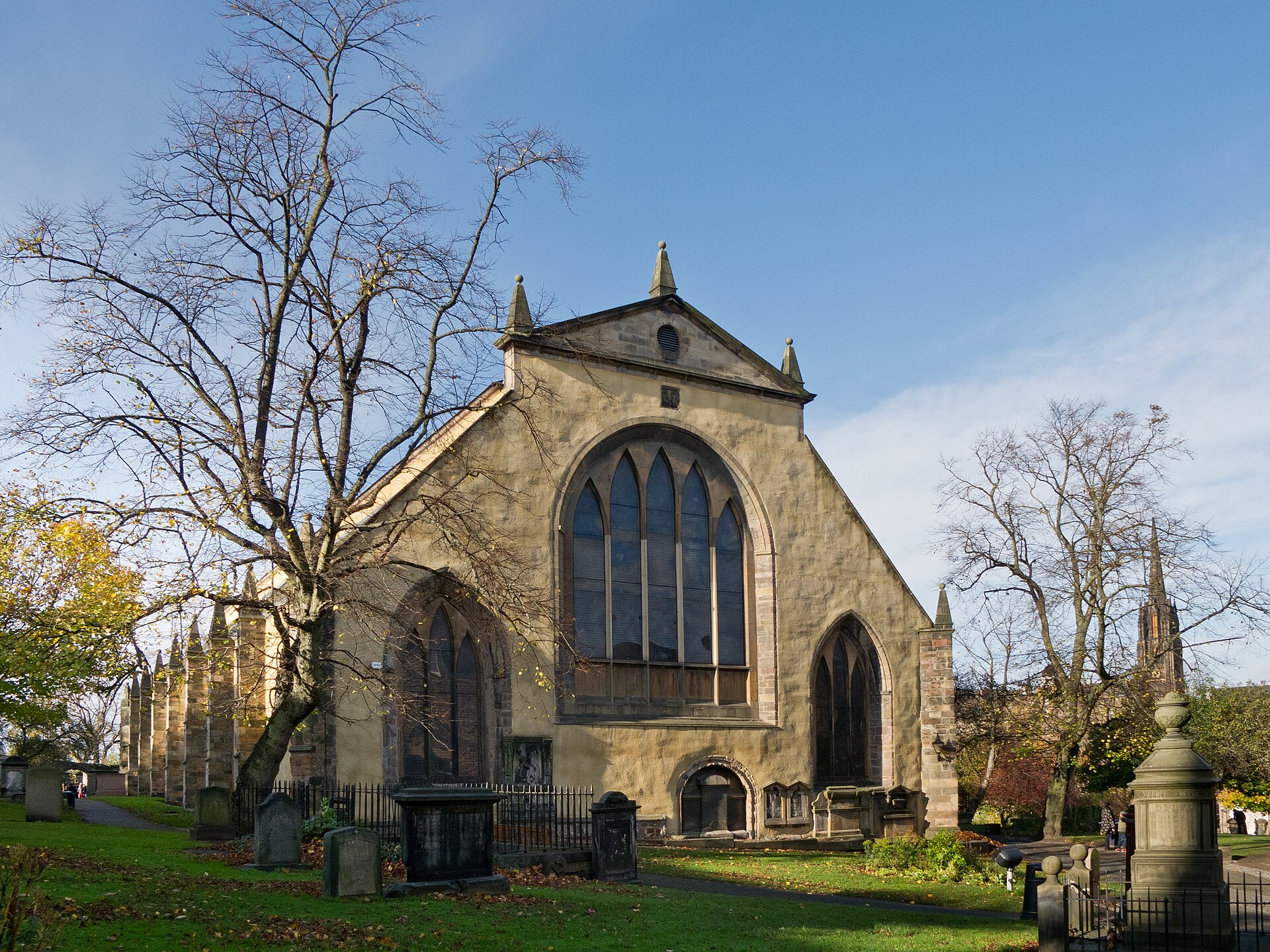
Greyfriars Kirk joins the festival for the first time, hosting a series called Scotland to the World that pairs Scottish writers with international musicians and performers. Ali Smith is doing four readings from her Seasonal Quartet alongside four new pieces written by the Dutch contemporary classical group New European Ensemble. The piper Brìghde Chaimbeul and the India Alba collective are paired with Len Pennie, Kathleen Jamie and William Dalrymple.
This is the sort of thing that either lands beautifully or turns into a very long evening. Literature-plus-live-music events have a habit of flattering neither art form – the music becomes background, the reading becomes an interruption. But Greyfriars has the acoustic to make a case for itself, and pairing Ali Smith’s seasonal cycle with four commissioned pieces is a real structural idea rather than a novelist reading over a cello. It’s also, in a programme with this many talking heads on stools, the one strand doing something you couldn’t get from a podcast.
The politicians problem
Here’s where I part company with the festival slightly.
A theme about changing your mind sounds generous until you notice who’s been invited to do the changing. Gordon Brown and Sanna Marin are both on the bill; so is Jeremy Hunt, a point The Skinny made pretty bluntly in its programme write-up, noting the awkwardness of a festival preaching open-mindedness while platforming an architect of austerity. Former ministers on book tours are a recurring feature of the literary festival circuit, and they’re very rarely there to have their minds changed. They’re there to sell a memoir and firm up a legacy.
The counter-argument is decent: exclude them and you’re running exactly the closed loop the theme is complaining about. Fair enough. But the difference between a genuinely uncomfortable hour and a gentle PR exercise comes down entirely to who’s chairing and whether the audience gets real questions. On that, the festival’s record is patchy. I’ve sat in Edinburgh events where a politician was properly pressed, and others where the chair spent fifty minutes helping a former cabinet minister be charming. If Changing Your Mind means anything at all, it should mean the difficult questions land before the last ten minutes.
One more gripe. Fifteen Front List events at 1pm on weekdays is a scheduling choice that quietly selects for the retired and the self-employed. Some evening slots exist, but the flagship strand sitting in the middle of a working day is an odd fit for a festival that has otherwise thought hard about access.
What I’d book at the Edinburgh Book Festival 2026
If you’re picking a handful rather than moving to Lauriston Place for a fortnight, this is roughly where I’d put the money.
- Grisham and Rankin, McEwan Hall. The one people will still be talking about in October. Two writers who’ve been condescended to for decades, in a room built for graduations.
- Ali Smith at Greyfriars Kirk. The most ambitious thing in the programme and the one least likely to be repeated.
- Douglas Stuart on John of John. He’s been careful about how often he appears since Shuggie Bain, and a third novel is where the interesting questions start.
- The AI strand, and Sarah Wynn-Williams above all. Whistleblower memoirs make for lively events, and she’s got a specific story rather than a general worry.
- Fern Brady previewing High Energy Unpleasant. A standup’s first novel is usually a hard sell. Brady is a genuinely good writer, and a preview event is the cheapest way to find out whether the novel holds up.
- Anything Pay What You Can, honestly. It’s the least risky way to gamble on a writer you’ve never read.
If you can’t get to Edinburgh, the livestreams are £0 to £8 and library streaming extends the thing across Scotland. There’s also a new BBC arrangement turning the Spiegeltent into a daytime broadcast hub from 17 to 21 August, with output going out on BBC iPlayer and BBC Sounds – which is a sensible way for a festival to reach people who were never going to make it to Lauriston Place. Our round-up of the best British audiobooks of 2026 covers a fair few of the writers appearing, if you want to do the reading first.
The comparison nobody at either festival wants to make
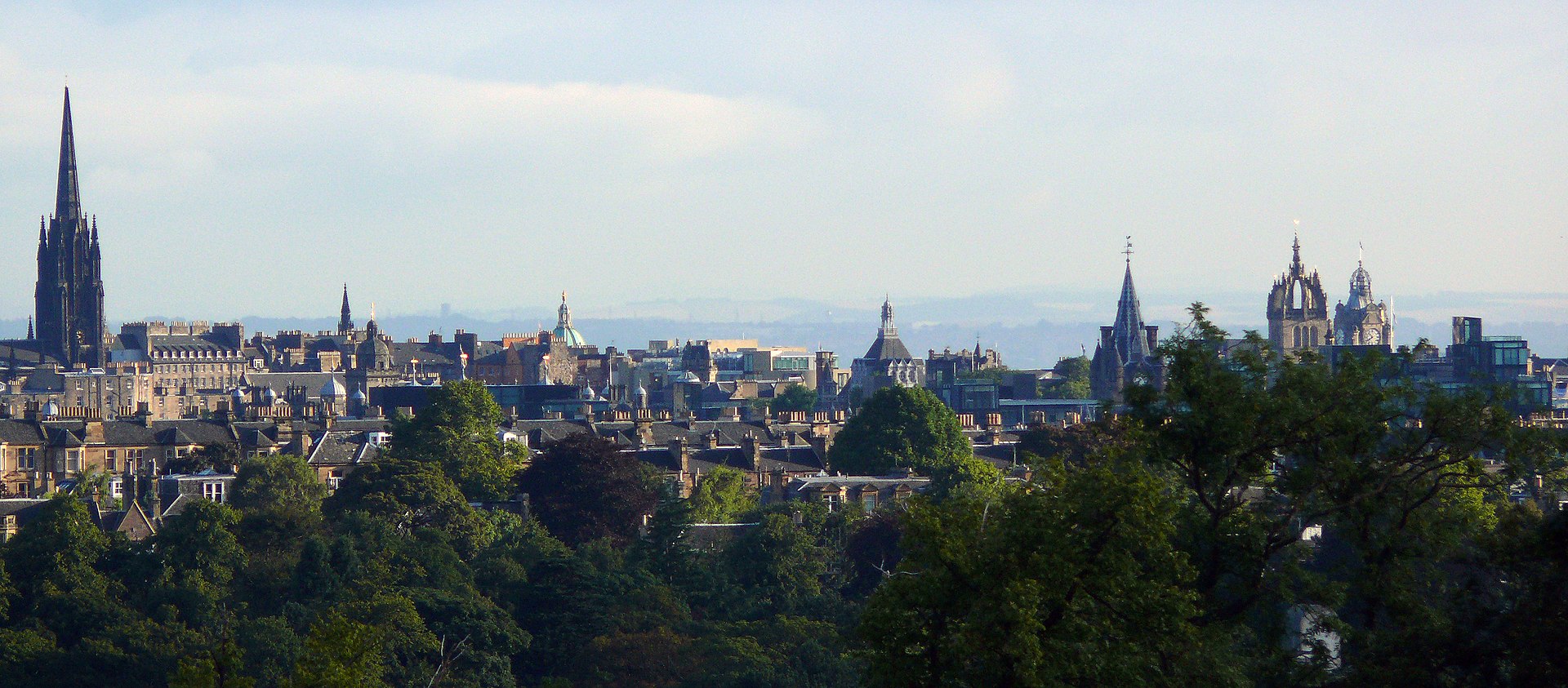
Both things are happening in the same city at the same time. One has a marketing budget, a global brand and roughly the density of an airport at half term. The other has 604 events, 41 countries and a top ticket price of £21.
I’m not going to pretend they’re competing for the same evening – plenty of people do both, and the Fringe has its own case to make on price, mostly through its free programme. But if you’re weighing up how to spend a Saturday in Edinburgh this month, the maths is not close. Four Book Festival events costs less than a good night out. Four Fringe shows, once you’ve factored in the ones that turn out to be a man shouting in a basement, rarely does.
The Fringe sells volume and chance. The Book Festival sells access to people who are usually behind a paywall, a publicist and a signing queue. And access is the harder thing to buy.
Where this fits in a strange year for British culture
Literary events have had an odd 2026. The Booker longlist in July was the strangest in years, full of books that shouldn’t work on paper. Publishers have been unusually happy to back difficult novels. Whatever’s going on in fiction at the moment, it isn’t caution.
The Booker judges have since cut their 13 down to six. Our take on the Booker Prize 2026 shortlist runs through the books, the judges’ comments and who should win in November.
A festival with 604 events and 600 writers only functions if there’s enough happening in the culture to fill it, and this year there plainly is. The children’s and family programme runs to more than 150 events, the schools programme takes over 24 to 28 August, and Global Ink brings twenty cultural leaders from five continents into the same building, as The List set out when the line-up landed. It’s a lot of machinery for a fortnight. Whether all of it justifies itself is another matter – festivals of this size always carry a certain amount of programming that exists because a slot needed filling – but the top end of the bill is as strong as it’s been since the move out of Charlotte Square.
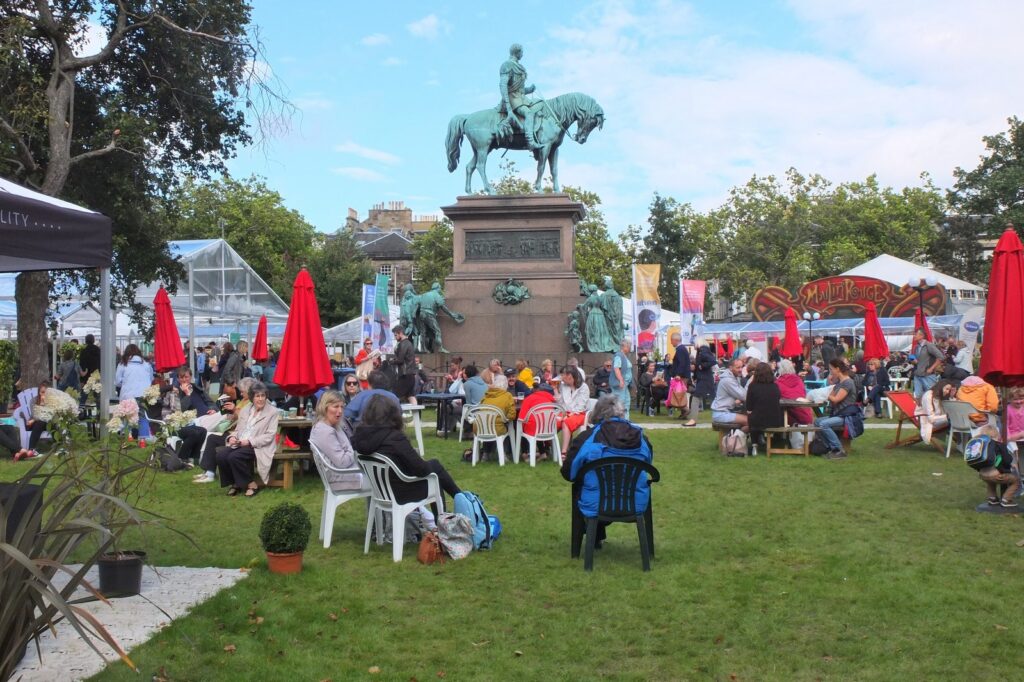
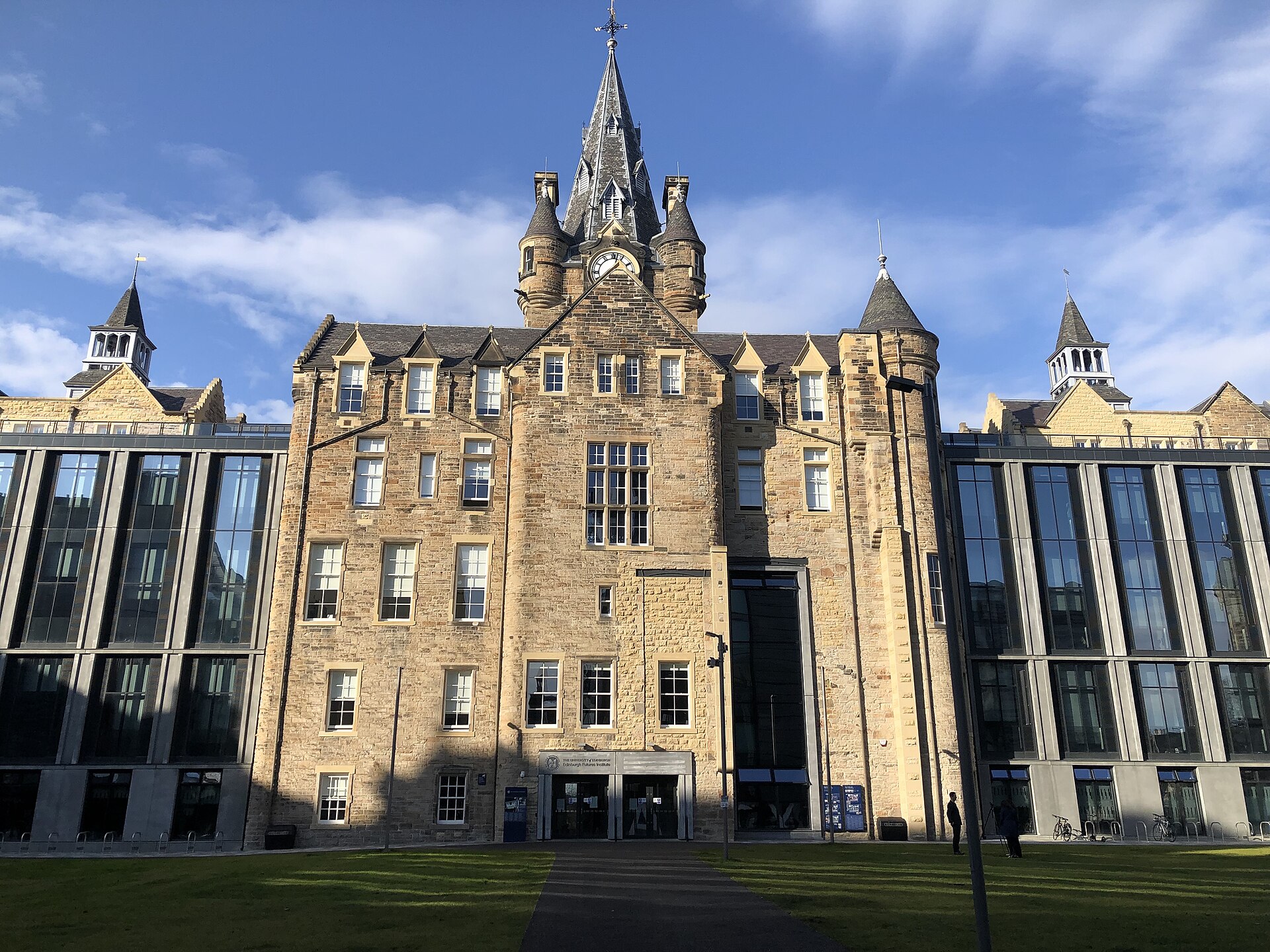
What’s changed is the confidence. For a few years after the move the festival felt like it was apologising for not being in a tent in a Georgian square any more. The Futures Institute programming now reads like an organisation that’s stopped mourning the marquees. It’s a building, it’s got rooms, and the rooms have got Colson Whitehead in them.
If you want more Edinburgh-adjacent culture while you’re planning, our list of the summer’s best books and the London exhibitions worth the money both overlap with what’s on the bill here.
The bigger question is what happens when the funding conversation comes round again, as it will. A £21 ceiling is only sustainable while somebody is choosing to subsidise it. If that choice goes, the Book Festival becomes a much more ordinary proposition very quickly. So which is it – is a price cap on culture a public good worth paying for out of the block grant, or a thing arts organisations should be weaning themselves off?