
Car Hire Excess Insurance in 2026: The £250 Desk Upsell You Can Cover for £12
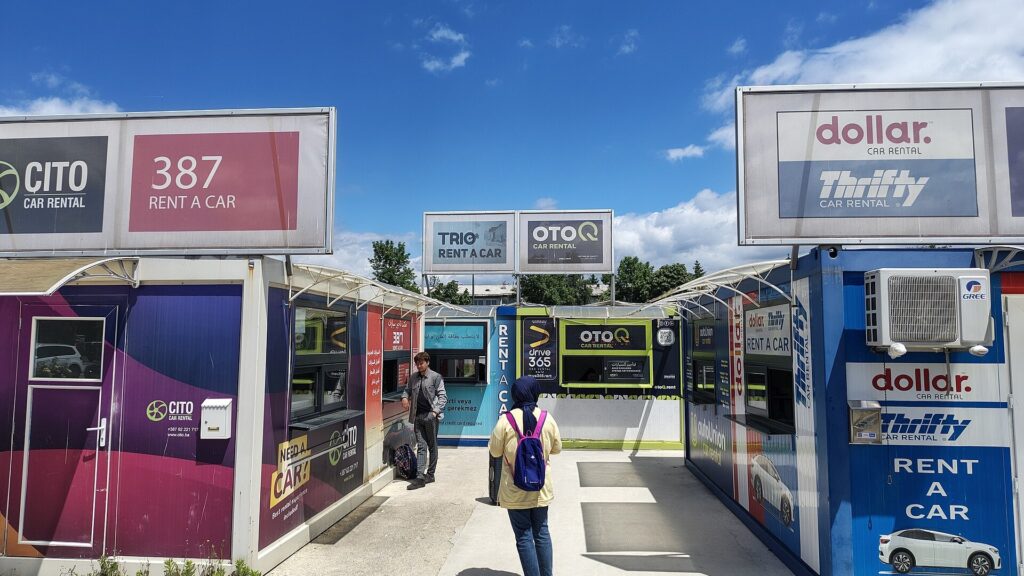
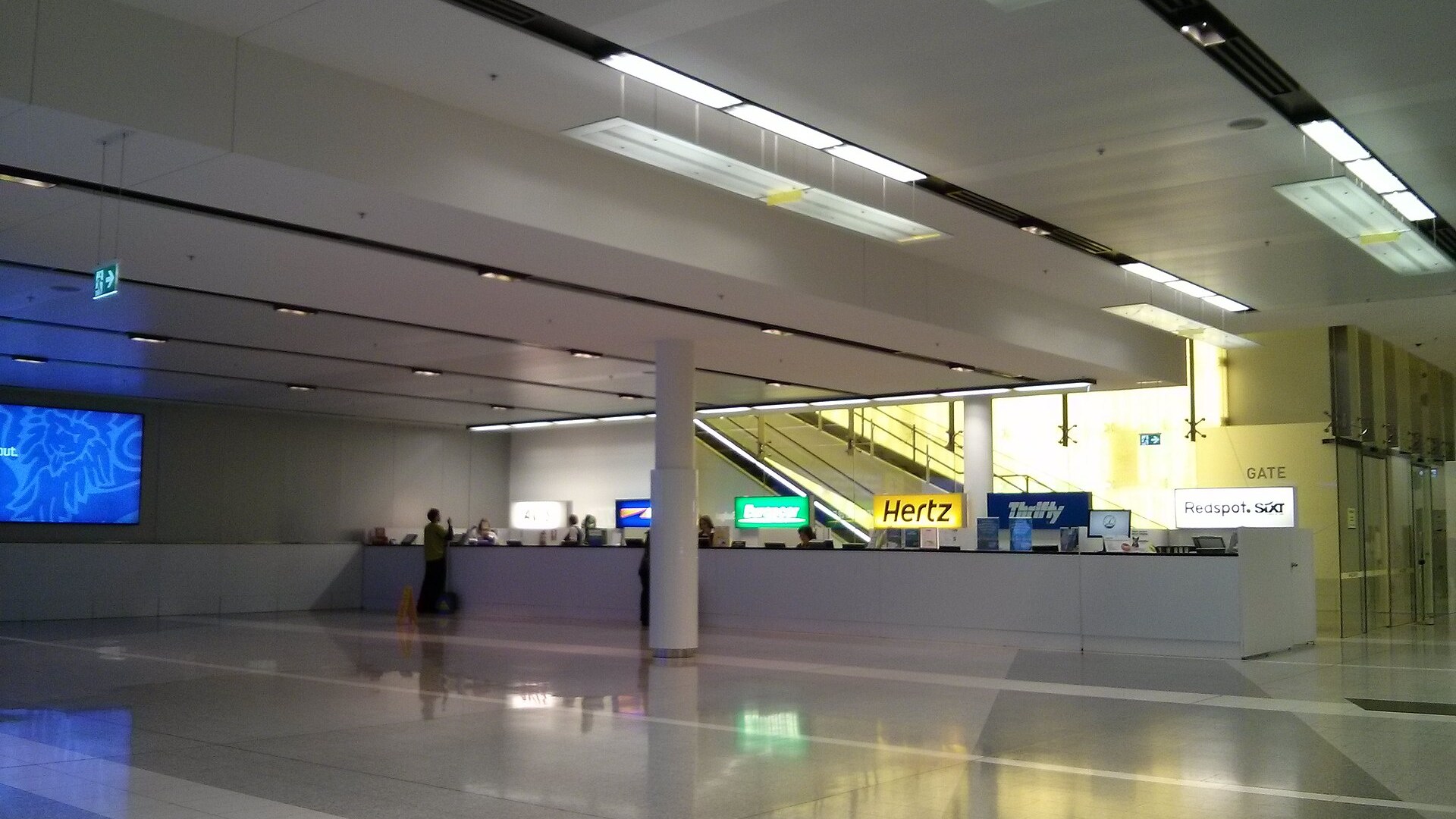
The queue at the Malaga car hire desk moves at roughly one family every eleven minutes, and most of that time is the excess insurance pitch. I’ve stood in it enough times to know the script by heart. You booked the car for £160. The agent now explains, with practised concern, that unless you take their cover you’re liable for the first £1,200 of any damage – and would you like to add Premium Protection for £24 a day? By the time you’ve got the keys, your £160 hire costs £328. Car hire excess insurance is the single most profitable moment in the whole rental transaction, and in 2026 it’s still catching out travellers who did everything else right. The annoying part? The same protection is on sale before you fly for about a tenth of the price.
In This Article
- What you’re actually liable for when you decline
- The desk waiver: what £25 a day actually buys
- Car hire excess insurance for £2 a day: the standalone route
- The middle option: booking-site protection add-ons
- The catch: you pay first and claim it back
- The deposit hold catches people either way
- When the desk waiver is actually the right call
- Can’t your travel insurance just handle this?
- The five-minute version before you fly
What you’re actually liable for when you decline
Every mainstream hire in the UK and Europe comes with Collision Damage Waiver and theft protection baked into the headline price. That’s the bit people forget when the desk agent starts talking. You are already insured for the big stuff – write the car off and you won’t be buying Europcar a new Corsa.
What you’re exposed to is the excess: the first chunk of any claim, which the rental company can take off your card before you’ve even found your boarding pass for the flight home. In 2026 that figure typically sits between £500 and £2,000 depending on the company and the car, and on larger vehicles it can go higher. A scraped bumper in a tight Spanish car park won’t cost anywhere near £1,200 to fix, but £1,200 is what they’re entitled to hold against it while the paperwork grinds through.
So the risk is real. Nobody sensible drives a hire car around the Costa del Sol for a fortnight with a naked £1,500 excess and their fingers crossed. The question was never whether to cover the excess. It’s who you buy the cover from.
The desk waiver: what £25 a day actually buys
The product the desk sells – usually badged Premium Cover, Super CDW or similar – reduces or removes your excess. Prices in Europe this summer run £15 to £30 a day. For a two-week August hire, that’s £210 to £420 on top of what you already paid, often more than the car itself.
And here’s what grates: it’s frequently a worse product than the cheap alternative. Desk waivers regularly exclude the parts of the car most likely to get damaged on holiday – tyres, windscreen, wing mirrors, the underside. Some firms sell a second waiver at the desk to cover exactly those bits, which tells you everything about how the first one was designed.
Which? put numbers on this in its most recent car hire insurance analysis, and they’re brutal. The top-rated standalone policy for a week in Spain cost £12. Europcar’s equivalent desk product for the same week: £287. That’s 23 times the price, and across the market Which? found rental companies charging around eight times more than independent insurers for equivalent protection.
Car hire excess insurance for £2 a day: the standalone route
Standalone excess reimbursement insurance is bought online before you travel, from a UK insurer that has nothing to do with the rental company. Daily policies currently start at around £2 a day, with most decent single-trip options landing between £2 and £4. Annual European policies start at roughly £42, worldwide from about £65 – which is worth knowing if you hire a car more than twice a year, because the annual policy usually pays for itself on the second trip.
The cover is typically broader, not narrower, than the desk version. Most standalone policies include the windscreen, tyres, roof and undercarriage as standard – the exact items the desk waiver quietly excludes – and many throw in mis-fuelling, lost keys, towing costs and admin fees.
MoneySavingExpert has been telling people this for years, and the maths hasn’t changed direction: a fortnight of standalone cover costs £30-£50 against £200-£400 at the desk. Same excess protected. Same peace of mind. One of them buys the kids’ entire holiday ice cream budget with the difference.
Book it the day you book the car and forget about it. And if you’re the sort of person who compares the cost of everything airside, the same logic applies to half the trip – the £70 Ryanair gate fee and drive-up airport parking are the same trick wearing different lanyards.
The middle option: booking-site protection add-ons
There’s a third product lurking in this market, and it confuses more people than the other two combined. When you book through a broker or comparison site – the big aggregators that funnel most UK holiday car hire – the checkout offers its own damage protection, typically £8-£12 a day. It’s presented as if it were the rental company’s cover. It isn’t.
These add-ons are reimbursement insurance too, underwritten by a third party, exactly like the standalone policies – you’d still pay the rental desk if something happened and claim the money back afterwards. You’re getting the standalone product’s mechanics at three or four times the standalone product’s price, because the aggregator takes a commission for placing it in front of you at the right moment.
They’re not terrible. Held against £287 at the Europcar desk, £70 for a week looks positively reasonable, and the cover terms are usually decent. But if you’re buying reimbursement insurance anyway, buy the £12 version from an insurer directly rather than the £70 version from a middleman. The only thing the extra £58 buys is the convenience of one fewer browser tab.
One more wrinkle worth knowing: whichever version you buy, the rental desk agent will often claim not to recognise it. “That’s not insurance with us” is technically true and entirely beside the point – it was never meant to be insurance with them. Smile, decline the upgrade, and move on to the bit where they hold your deposit.
The catch: you pay first and claim it back
This is the bit the comparison tables gloss over, and it’s the one genuine advantage the desk product has. Standalone cover is reimbursement insurance. If you bring the car back with a cracked bumper, the rental company charges the damage to your card – up to the full excess – and you then claim that money back from your insurer, usually within 31 days, with the rental agreement, the damage report, your card statement and those pick-up photos as evidence.
So for a few weeks you’re out of pocket, possibly by £1,500. Claims on the reputable providers generally pay out without drama, but “generally” is doing some work in that sentence, and you’ll want photographs. Lots of photographs.
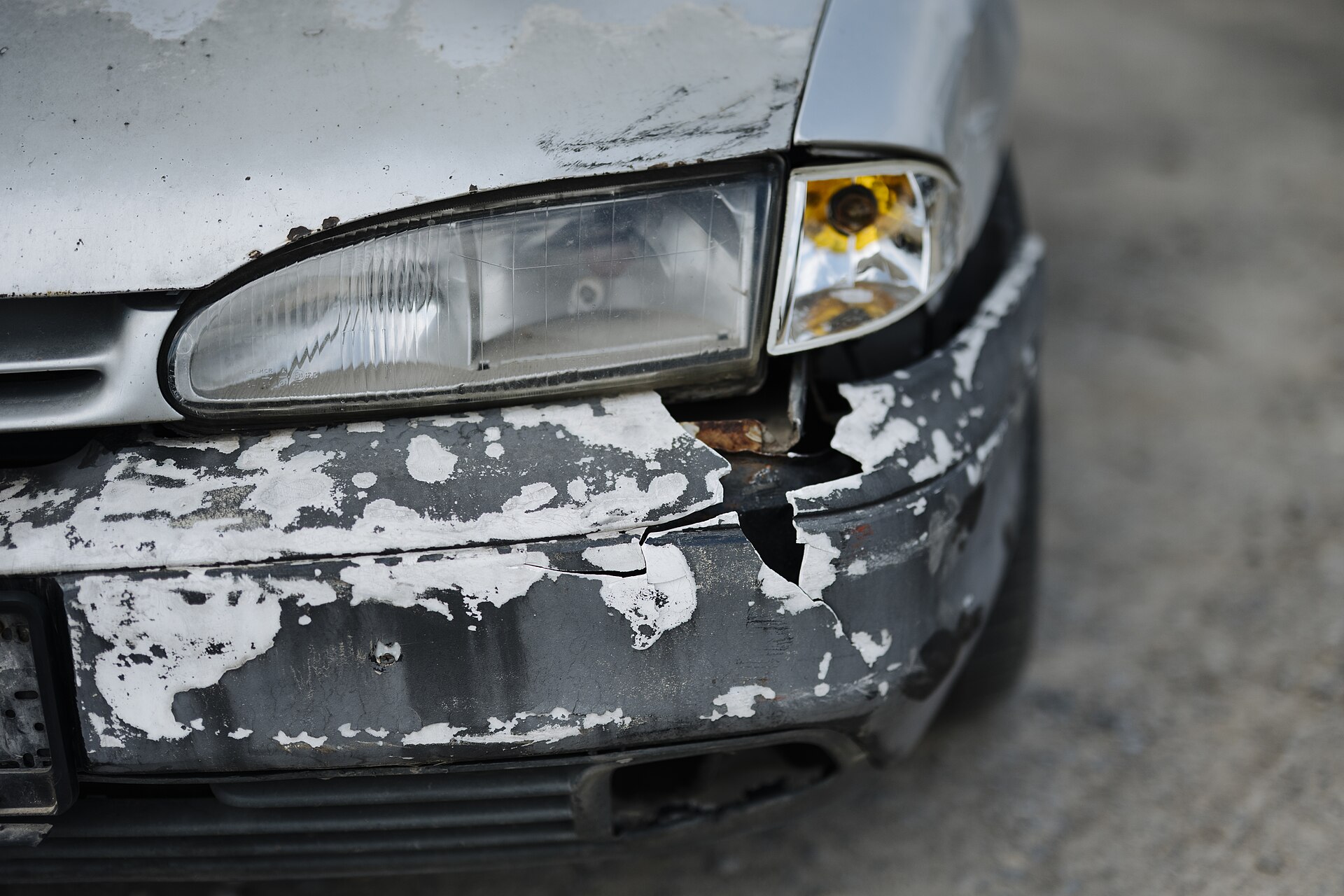
Do a slow lap of the car at pick-up filming on your phone, timestamp visible, and do the same at drop-off – especially if you’re returning it at 5am to an unstaffed car park. Every scuff that’s already on the car goes on the check-out sheet before you drive away, however long the queue behind you. Hire firms have charged people for damage that predated their rental, and your video is the only witness you get. Ten minutes of mild social awkwardness against £1,500 of card hold; it’s not close.
The deposit hold catches people either way
Buying standalone cover doesn’t make the deposit disappear. The rental company doesn’t know or care that you’re insured elsewhere – as far as they’re concerned your excess is unprotected, so they’ll ring-fence it on a credit card at pick-up. That’s a pre-authorisation rather than a charge, but it still eats £1,000-£2,000 of your credit limit for the duration, and it needs to be a proper credit card in the main driver’s name. Some firms won’t accept debit cards for the hold at all; others will, then quietly upgrade you to their own waiver as a “convenience”.
Banks release the hold after the final invoice settles, which can take a lazy week or more after you’ve flown home.
Budget for it. If your credit limit is £2,500 and the hold is £1,800, that’s a fortnight of paying for tapas on a card that’s nearly maxed. It’s also, quietly, the strongest sales lever the desk has – “take our cover and there’s no deposit” lands differently when you’re jet-lagged with two children hanging off the luggage trolley. We’ve written before about how an August family holiday budget actually breaks down, and an unplanned £1,800 hold is exactly the kind of thing that wrecks the maths mid-trip.
When the desk waiver is actually the right call
Here’s where I part company with the money blogs, which tend to treat the desk product as a scam full stop. It isn’t – it’s an overpriced product that happens to suit a minority of hirers, and pretending otherwise doesn’t help anyone.
If you don’t have a credit card with £1,500 of headroom, the desk waiver may be the only way the hire happens at all. If you’re hiring for two days and the waiver is £18 a night, the saving from a standalone policy is a takeaway coffee and you’ve added a claims process to your life. And a zero-excess desk package means walking away from a dinged car with nothing to claim and no card charge to chase – there are travellers for whom that’s worth real money. My late father-in-law was one of them; he’d have paid double rather than argue with anyone in a hi-vis about a wheel scuff.
But be honest about which traveller you are. For the standard case – a week or two with a credit card and ten minutes of patience for photographs – the desk product is paying £287 for £12 of insurance because the £287 version was available at a moment of maximum tiredness. That’s not protection, that’s timing.
Can’t your travel insurance just handle this?
A reasonable question, and mostly no. Standard UK travel insurance policies don’t cover hire car excess as a matter of course – it’s usually an optional add-on costing £5-£10 per trip, and the limits are often lower than a dedicated policy’s. Check yours before assuming. Some do include it; most don’t.
Packaged bank accounts are the sleeper option here. A handful of the premium current accounts that bundle travel insurance also bundle hire car excess cover, and people pay the monthly fee for years without ever noticing. If you’re already paying £15 a month for one, five minutes with the policy document could save you buying cover you own twice.
One geography note: everything above describes the UK and Europe, where basic damage cover is built into the hire price by law or convention. Hire in the United States and the structure flips – liability cover is the thing to worry about and the acronyms multiply. That’s a separate article, and if you’re driving in Florida this summer, read one before you go.
The five-minute version before you fly
Buy a standalone excess policy when you book the car – £2 to £4 a day single-trip, or an annual European policy from around £42 if you’ll hire again within the year. Check it covers tyres, windscreen and undercarriage, and check the excess limit actually matches your rental company’s figure; a policy capped at £2,000 is no good against a £2,500 excess on a nine-seater.
Take the credit card the booking is under, with room for the hold. Film the car at both ends. Decline everything at the desk politely and repeatedly – the agent is on commission and the third “no thank you” usually lands. Keep every scrap of paper until the deposit hold is released and the final invoice matches what you agreed.
And sort the boring admin the same evening you book, while the reference numbers are all in one email thread – it sits alongside sorting your eSIM before you fly in the category of five-minute jobs that remove an entire class of holiday stress.
While you’re in five-minute-job mode: driving your own car instead of hiring? A dash cam under £100 is the same species of small spend that settles arguments before they start.
The wider point is one the travel industry understands better than its customers: the booking is no longer where the money is. The margin has moved to the moments you’re tired and queuing – the gate, the desk, the fuel policy, the drop-off. The excess pitch works because it’s timed for the exact minute your defences are down, and the fix costs less than an airport sandwich.
So next time you’re in that Malaga queue, watch what the family in front does when the Premium Protection pitch starts. How much of your own holiday budget went to the desk last year – and what did it actually buy?



Pingback: Car Rental Insurance Explained: A Traveller’s Guide – Btours