Insect Bite Treatment UK 2026: Why a Heat Pen Beats the Cream in Your Cabinet
I spent about thirty quid on a battery-powered pen that gets hot at one end, and it’s done more for my summer than any cream I’ve bought in a decade. That’s the short version. The longer version is a bit more interesting, because the best insect bite treatment on the market barely resembles what most of us reach for, and the NHS advice you’ll find online skips over it entirely.
In This Article
- The insect bite treatment nobody at the chemist mentions
- Which heat pen, and what you should actually pay
- What the NHS says, and the gap in the advice
- So is it heat or ice? Both, but for different jobs
- Antihistamine cream is the most overrated thing in your first-aid drawer
- The best insect bite treatment is not getting bitten
- Britain’s mosquito situation is shifting, slowly
- Five things people swear by that don't hold up
- Ticks are the bite that actually matters
- And then there's the horsefly
- When a bite stops being just a bite
Here’s the setup. Every July my ankles look like I’ve walked through a field of nettles, except it’s bites, and I scratch them in my sleep until they scab. Antihistamine tablets took the edge off. The little tube of steroid cream did something, maybe. Nothing actually stopped the itch in its tracks. Then last summer a friend who spends half her life on Scottish riverbanks told me to try a heat pen, and I’ve been slightly evangelical about it ever since.
The insect bite treatment nobody at the chemist mentions
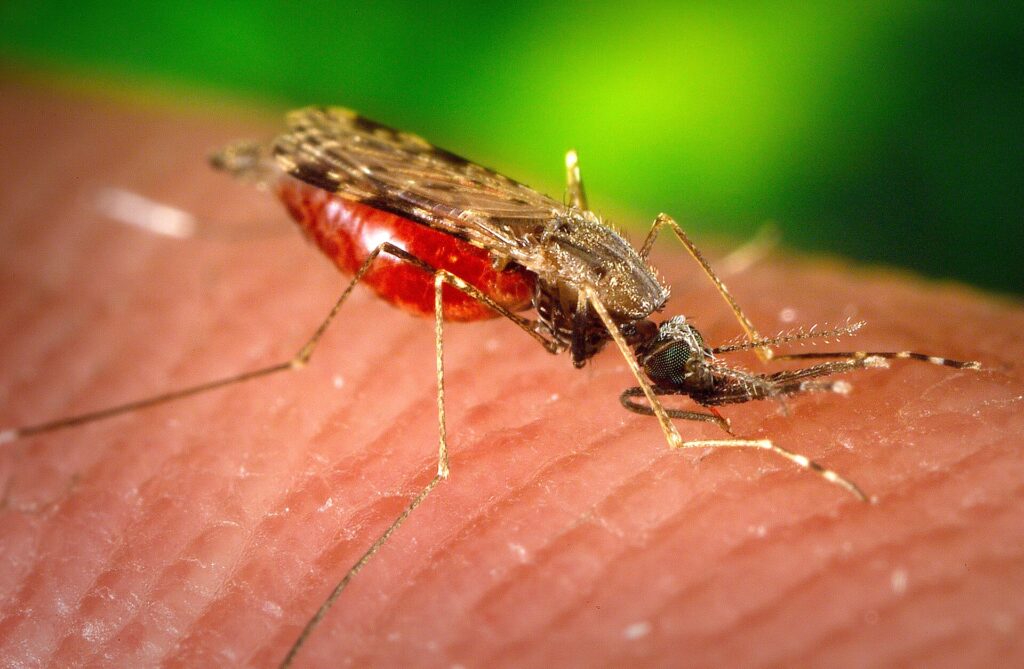
The device is simple. You press a small ceramic plate against a fresh bite and it heats to around 50C for a few seconds. It stings a little, in the way that hot tap water stings, and then the itch just goes. Not muffled. Gone, for hours, sometimes for good if you catch the bite early.
I assumed this was placebo the first time. It isn’t. A placebo-controlled randomised trial published in the journal Itch in 2024 tested a thermal device against a sham on people’s own mosquito bites, one arm treated, one arm not, and found a real reduction in itch and the urge to scratch. Before that, a 2023 real-world study in Acta Dermato-Venereologica pooled more than 12,000 treated bites from around 1,750 users and reported that heat cut itch and pain regardless of how long ago the bite happened.
The mechanism is the genuinely clever bit. Brief, concentrated heat appears to do two things at once. It floods the same nerve pathways that carry the itch signal, effectively drowning it out for a while, and it looks to partly denature the proteins in insect saliva that set off the histamine reaction in the first place. So you’re not just masking the itch. You’re taking apart some of what causes it.
Is it perfect? No. If you’re covered in forty midge bites after a night in the Highlands, dabbing each one individually is a chore, and the pen does nothing for swelling that’s already up. But for the two or three angry mosquito bites most of us get, it’s the closest thing to an off switch I’ve found.
Which heat pen, and what you should actually pay
They all work the same way, which is the useful thing to know before you spend anything. A ceramic plate, a battery, about 50C for three to six seconds. There is no secret sauce in the expensive ones.
What you’re paying for at the top end is build quality, a proper CE-marked medical device registration, and a plate big enough to cover a bite without three separate goes. What you’re saving at the bottom end is real money, because the unbranded ones do the same job until the day they stop charging.
| Device | Roughly | Power | What you’re getting |
|---|---|---|---|
| Bite Away Original | £25 to £30 | AA batteries | The benchmark. Two timer settings, so a shorter burst for children and a longer one for adults. Registered as a medical device. |
| Beurer BR90 | £20 to £25 | Battery | Same principle, and it has a small light built in. Sounds like a gimmick until you’re finding a bite in the dark at 2am. |
| Stylpro Heated Insect Bite Pen | £15 to £20 | Rechargeable | Boots stock it, which makes it the easiest one to buy in a hurry. Smaller contact plate. |
| Unbranded marketplace pens | £8 to £15 | Usually USB | Identical mechanism, variable build. Fine as a second one for the car or a rucksack. |
My advice, having now owned three of these: buy one good one and one cheap one. The good one lives at home. The cheap one lives in whatever bag you take outdoors, because the pen you left on the kitchen worktop is worth nothing at all.
One practical thing nobody mentions in the reviews. Check whether it takes AAs or charges by USB. On a weekend under canvas, a pen that needs a plug is a pen that dies on Saturday night, and if you’re already juggling a phone, a lantern and a cool box that’s supposed to hold ice for four days, that’s one more thing to think about. AAs are unglamorous and they work.
For children, the shorter setting matters. Bite Away’s three-second burst is designed for exactly this, and the sensation is more than a toddler will happily sit through anyway. Under about four, I’d skip the pen, keep the nails short and use a cold compress instead.
What the NHS says, and the gap in the advice
The official line is sensible and worth knowing. The NHS guidance on insect bites and stings tells you to wash the area, put a cold cloth or wrapped ice pack on it for at least twenty minutes if it’s swollen, take paracetamol or ibuprofen if it hurts, use an antihistamine for the itch, and dab on a bit of hydrocortisone cream. It also tells you, firmly, not to scratch and not to bother with bicarbonate of soda and the rest of the kitchen-cupboard folklore.
All fine. But notice what’s doing the heavy lifting there: cold, tablets and time. The page doesn’t mention thermal treatment at all, which is a fair reflection of NHS caution rather than a verdict on whether it works – these devices are sold as consumer products, not prescribed, so they sit outside the guidance. Worth knowing if you’re the sort who treats the NHS website as the last word.
One thing the NHS is dead right about is scratching. Every time you scratch you’re dragging bacteria across broken skin, which is how a harmless bite turns into something that needs antibiotics. If you struggle with the night-time scratch, a sedating antihistamine before bed does more than any cream, and it’s the one bit of standard advice I’d never argue with.
So is it heat or ice? Both, but for different jobs
This trips people up, because the NHS says cold and I’m banging on about heat, and they sound like opposites. They’re not. They treat two different problems.
Cold is for swelling. A wrapped ice pack constricts the blood vessels around a bite, which brings down the puffy, hot, angry reaction – useful for a big weal or a sting that’s ballooned. Heat is for itch. The brief 50C jolt from a pen isn’t trying to reduce swelling at all; it’s interrupting the nerve signal and knocking back the saliva proteins. So the smart move on a fresh, maddeningly itchy bite is the heat pen first, and if it’s also swelling up, cold afterwards. I keep the pen by the bed for the 2am ones and a gel pack in the freezer for the daytime whoppers.
The timing matters more than people think. Both work far better on a fresh bite than a two-day-old crater you’ve already been at. Catch it early and you often stop the whole cascade before it starts.
Antihistamine cream is the most overrated thing in your first-aid drawer
Now the contrarian bit. Those little tubes of “bite and sting” antihistamine cream you find in Boots for about a fiver? I think most of them are close to useless, and there’s a decent argument you should skip them.
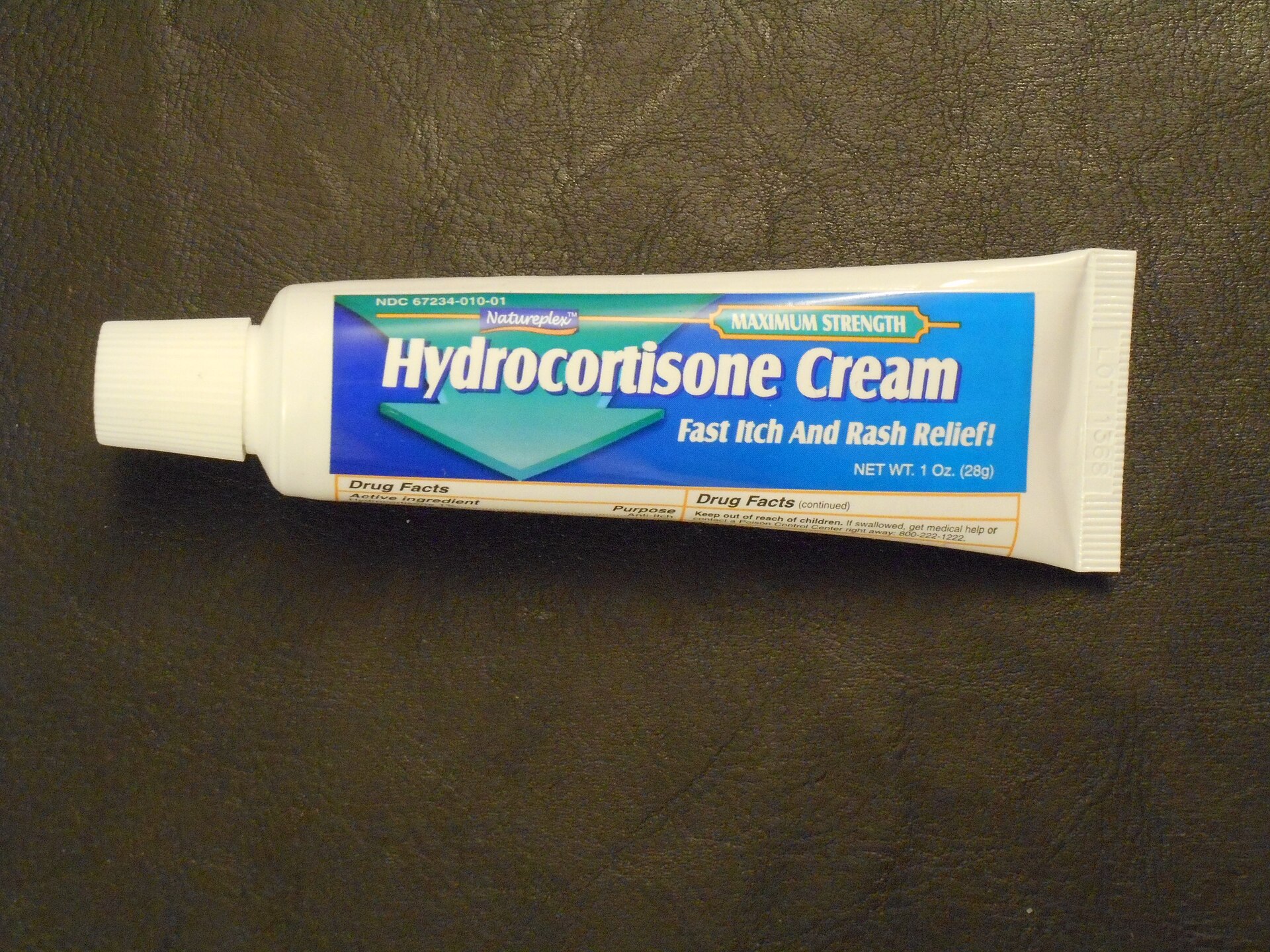
Topical antihistamines barely penetrate to where the itch is generated, and they carry a real risk of sensitising the skin, meaning you can develop a contact allergy to the very thing you’re rubbing on to calm a reaction. Dermatologists have been lukewarm on them for years. If you want a cream that earns its place, hydrocortisone 1% is the one with evidence behind it, and it’s available over the counter for adults and children over ten for up to seven days. Reach for that, not the pastel-coloured antihistamine gel.
And calamine lotion, that pink stuff your nan swore by? It’s soothing for about as long as it stays wet, then it flakes off and does nothing. Pleasant ritual. Not really a treatment.
If your skin tends to overreact to bites in the first place, that’s often a sign of a compromised barrier, and it’s the same story that plays out with heat rashes and hay-fever flare-ups. We’ve written before about how a wrecked skin barrier turns every summer irritant into a bigger drama, and reactive skin follows the pattern. Calm, well-moisturised skin bounces back from a bite faster than dry, cracked skin does.
The best insect bite treatment is not getting bitten
Obvious, maybe, but the point stands. Treatment is damage limitation. Repellent is the actual win, and this is where people quietly waste money on the wrong products.
The two ingredients that genuinely work are DEET and picaridin. DEET is the old reliable – a 20 to 30% concentration gives you several hours of solid protection and it’s the benchmark everything else is measured against. Picaridin is the newer one, and here’s the thing that surprised me: at matching concentrations it performs about as well as DEET, sometimes edging it, while being odourless, non-greasy and kind enough that it won’t melt the plastic on your sunglasses. A review in the Journal of Travel Medicine found the two broadly comparable for protection time, so if you hate the DEET smell, picaridin is a straight upgrade rather than a compromise.
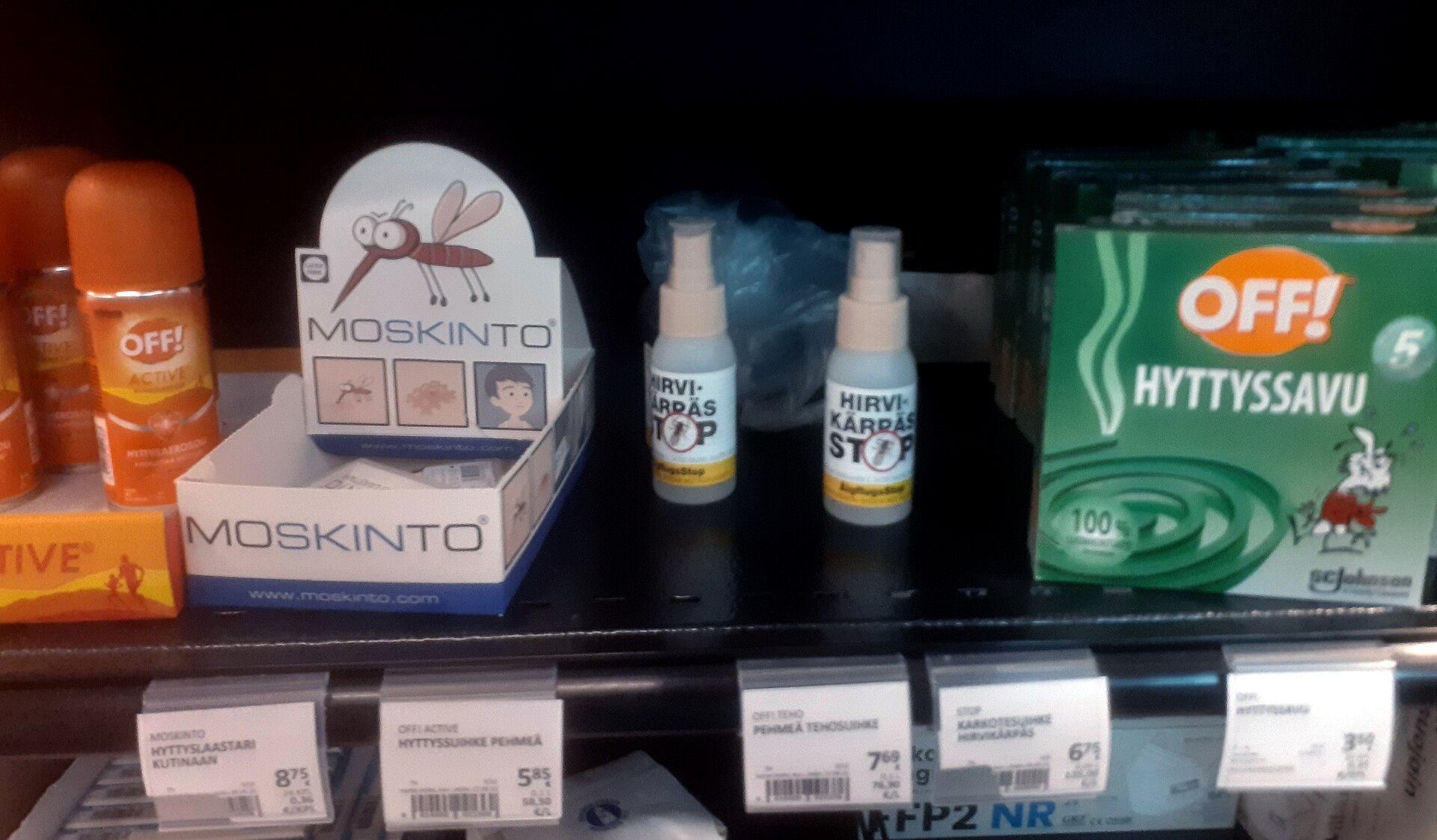
Concentration is the dial that matters, not the brand on the bottle. Higher percentage means longer protection, not stronger repelling, so a 20% picaridin lasts a good chunk of the day and a 10% one needs topping up after a few hours. For children, picaridin has the edge – it keeps a comfortable safety margin at lower concentrations than DEET needs, which is why a lot of parents quietly switch to it. Whatever you use, put sun cream on first (our round-up of the best British sunscreen brands covers the ones worth the shelf space), let it settle, then repellent on top, and reapply the repellent after swimming or a proper sweat.
What doesn’t work well enough to rely on: the wristbands, the ultrasonic apps, the citronella candle wafting three feet away while mosquitoes feast on your shins. Citronella has a mild, short repellent effect right next to the skin and evaporates fast. As a garden centrepiece it’s basically ambience.
Cover up at dusk, when biting peaks, and if you’re sitting out late, a fan on the table genuinely helps, and a decent quiet fan earns its keep twice over – mosquitoes are weak fliers and can’t hold course in moving air. It’s the cheapest bit of prevention going, and it doubles as a way to cope with those sticky, sleepless heatwave nights we now seem to get every year.
Britain’s mosquito situation is shifting, slowly
You don’t need to panic about tropical disease on a walk round your local park. But it’s worth knowing the picture is changing.
The UK Health Security Agency runs a surveillance programme with more than a thousand traps at ports, airports and motorway service areas, watching for invasive species. In its 2020 to 2024 summary published this year, UKHSA reported repeated detections of the Asian tiger mosquito, Aedes albopictus, in south-east England, and for the first time eggs of Aedes aegypti. Both can carry dengue and chikungunya in warmer climates. Modelling suggests that under a high-warming scenario the tiger mosquito could become established across much of England by the 2040s.
That’s a slow-moving story, not a this-weekend one. For now the thing biting you in a Yorkshire beer garden is almost certainly a native mosquito or a midge, and the treatment is the same as it’s always been. But it does make the humble repellent feel less like holiday faff and more like a normal British summer habit, the way sun cream became one.
Midges deserve a special mention because Scotland’s are a genuine menace and no heat pen will save you from a swarm. There the answer is coverage, timing and a headnet if you’re serious, plus Avon Skin So Soft, which has an almost cult following among Scottish hillwalkers despite being marketed as a moisturiser. Whether it truly repels or just makes your skin slippery is debated, but people who spend real time outdoors up there swear by it, and I’m not going to argue with a ghillie.
Five things people swear by that don’t hold up
Bite folklore is unusually resilient, probably because almost every bite gets better on its own and whatever you did last gets the credit.
- Bicarbonate of soda paste. The NHS specifically tells you not to bother. It dries, it flakes, it leaves white dust on your sheets.
- Toothpaste. The menthol gives you about ninety seconds of cool. Then you’ve got toothpaste on your leg.
- Vitamin B1 and garlic tablets. The theory is that you sweat out something mosquitoes dislike. It’s been tested. They don’t dislike it.
- Ultrasonic repellent apps. Reviewed repeatedly, never once shown to reduce biting. If anything they’re the purest example of a product that exists because the download is free.
- Venom extractor pumps, sold for snake bites and repurposed by the outdoorsy. They don’t pull out mosquito saliva, which was injected into tissue, not left in a pocket.
The one bit of folklore I’ll defend is a slapped-on cold spoon from the fridge. It’s not a treatment, but it’s free, it’s to hand, and cold genuinely does calm swelling.
Ticks are the bite that actually matters
Everything above is about comfort. This bit isn’t.
Lyme disease remains the most common vector-borne infection acquired in England, according to the UKHSA’s annual reporting, and it comes from ticks rather than mosquitoes. Ticks don’t itch. That’s the problem. A mosquito announces itself; a tick attaches quietly to the back of a knee or a hairline and you find it two days later, if you find it at all.
Removal technique is the whole game, and most people get it wrong. Use a plastic tick removal tool if you have one, or fine-point tweezers if you don’t. Get under the body, as close to the skin as you can manage, and pull steadily upwards. Don’t twist it, don’t squeeze the body, and don’t do any of the things your uncle recommends – burning it with a match, smothering it in Vaseline, dabbing it with alcohol. All of those stress the tick, and a stressed tick regurgitates. Clean the bite afterwards with soap and water or antiseptic.
Then watch the spot. The NHS guidance on Lyme disease describes a circular or oval expanding rash that usually shows up within one to four weeks of the bite, though it can appear as late as three months, and it doesn’t always look like the textbook bullseye. Not everyone gets a rash at all. Flu-like symptoms after a walk in long grass are worth a GP call on their own. Treated within the first few weeks, it clears up on a course of antibiotics; left for months it gets considerably more complicated, which is the entire reason to be fussy about checking.
Check after any walk through bracken, long grass or deer country – the Highlands, the New Forest, Exmoor, Richmond Park, plenty of ordinary countryside in between. Ankles, waistband, groin, armpits, behind the ears, and children’s hairlines. If you do a lot of grass-verge running, and Britain now does an enormous amount of it thanks to the parkrun habit, make the check part of the post-run shower rather than something you remember in October.
And then there’s the horsefly
Clegs, if you’re northern. Horseflies bite rather than pierce, sawing the skin open with mouthparts that look like something off a Victorian surgical tray, and the wound is correspondingly worse. Bigger weal, longer recovery, much higher chance of it turning infected because it’s an actual cut.
The heat pen helps less here, and I’d say honestly it’s the one situation where the standard advice wins. Wash it properly, cold compress, antihistamine, keep it clean, and get it looked at if it spreads. They’re at their worst on warm still days near water and livestock, which is exactly where everyone wants to be in August. Repellent works on them about as well as it works on mosquitoes, which is to say it helps and doesn’t solve.
When a bite stops being just a bite
Most bites settle in a few days. A few don’t, and knowing the difference matters more than any product.
See a pharmacist if the skin around a bite feels hot, looks red and spreading, is painful or is weeping pus – that’s likely infection, and a pharmacist in England can now supply antibiotics for it without a GP visit under the Pharmacy First scheme. Get urgent help if you feel dizzy or sick, your face or throat swells, or you’re struggling to breathe, because that’s the territory of a serious allergic reaction and needs treating fast. And if you’ve been walking in long grass and later notice a spreading circular rash like a bullseye, see a GP about Lyme disease, which comes from ticks rather than mosquitoes and is a different problem altogether.
The overreaction most of us should worry about isn’t anaphylaxis. It’s our own fingernails. A bite you leave alone fades. A bite you gouge at for three nights running can scar, and if you’re prone to marks that linger, the same pigment-calming approach that works for other red, angry skin applies here – the sort of gentle, evidence-led routine we set out in our piece on treating reactive, easily-flushed skin.
So my kit for the season is short: a heat pen, a bottle of picaridin, a tube of hydrocortisone for the ones that get away, and a sedating antihistamine for the truly maddening nights. That’s it. If you’ve got a bit of garden or you swim outdoors – and if you don’t, our round-up of Britain’s best lidos might tempt you – you’ll get bitten. The question worth asking isn’t which cream to buy. It’s why we all still reach for the cream when the better tool costs about the same and actually works. What’s been sitting unused in your bathroom cabinet all this time?
Bites aren’t summer’s only skin complaint – prickly heat gets the same evidence-first treatment in our guide.