
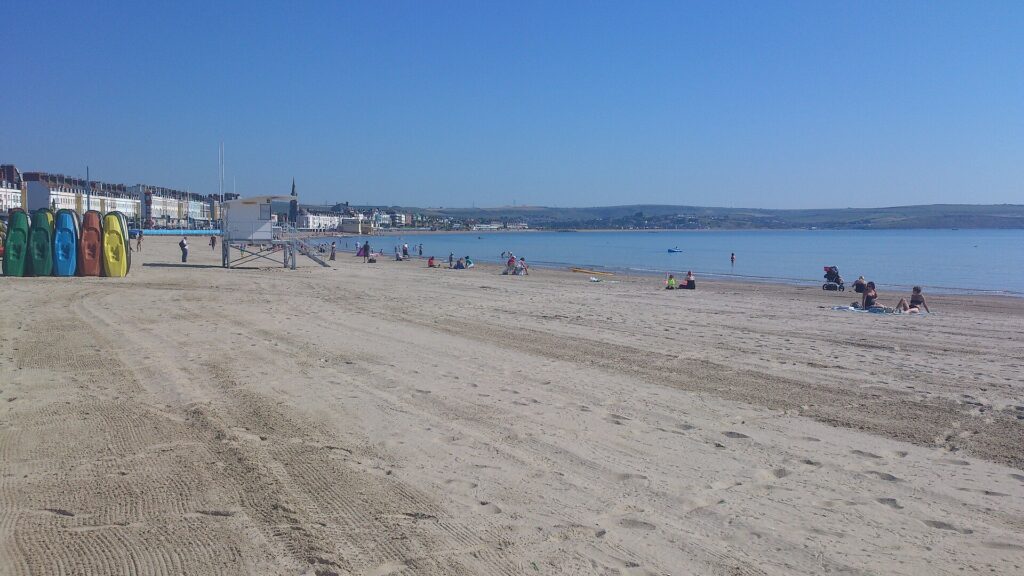
Cheap Family Holidays UK 2026: What £1,000 Buys in the August Peak
The caravan we priced up at Haven’s Devon Cliffs for the third week of June cost £689. The identical caravan, same grade, same sea view, jumps past £1,500 in the second week of August. Nothing about the holiday changes except the date and roughly £120 a night for the privilege of school being shut. That’s the market parents are walking into right now, and it’s why cheap family holidays UK searches spike every July like clockwork.
In This Article
- The cheap family holidays UK test: what £1,000 has to cover
- Caravan parks: still the workhorse, but watch the grade ladder
- Camping got cheaper while everything else went the other way
- Center Parcs isn’t a budget holiday, and we should stop pretending it is
- The Spain question: when abroad undercuts Britain
- Cottages and Airbnb: where the maths quietly falls apart
- Three real budgets, itemised
- The costs that never make the brochure
- Booking in mid-July for August: what still works
So here’s the test we set ourselves: can a family of four still get a proper week away in the August peak for £1,000 all-in? Not a grim week. An actual holiday, with a beach or a pool and something for the kids to talk about in September.
The short answer is yes, twice over. The longer answer involves some uncomfortable maths about where British families have been overpaying for years.
The cheap family holidays UK test: what £1,000 has to cover
First, the rules. £1,000 covers accommodation and travel for two adults and two children for six or seven nights. It doesn’t cover food, because you’d eat at home anyway, but it does need to leave headroom for the extras that holiday operators quietly rely on – parking charges, entertainment passes, the £9 swimming session that used to be included.
And we’re pricing the actual school summer holidays, late July to the end of August 2026. Any fool can find a cheap week in September. That’s not the assignment.
On those rules, three of the five options below pass. One scrapes through if you’re flexible. One fails so badly it needs its own section.
Caravan parks: still the workhorse, but watch the grade ladder
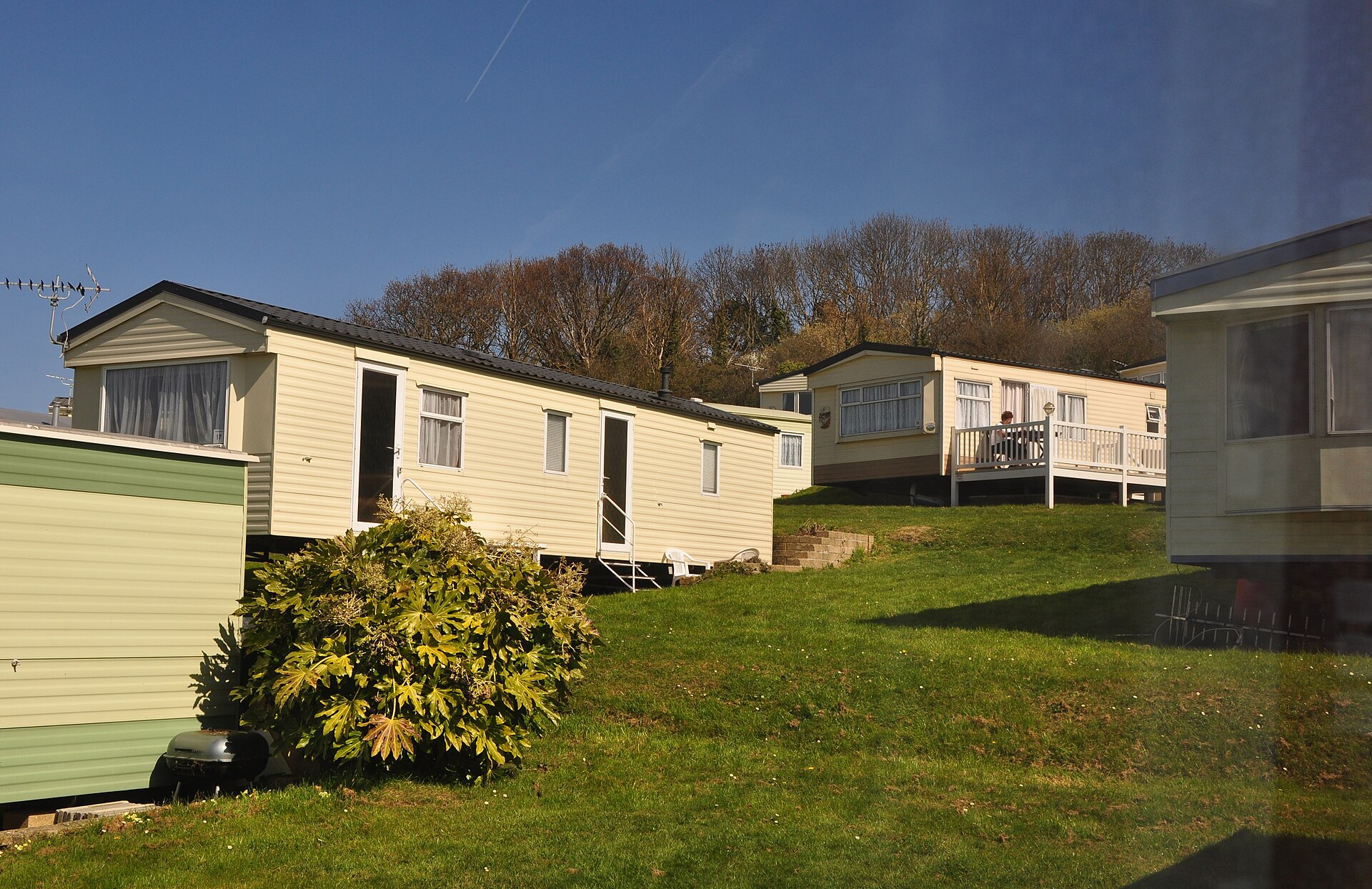
The big park operators – Haven, Parkdean, Away Resorts – remain the default British answer, and the headline pricing is designed to get you through the door. Haven’s summer 2026 breaks advertise “from £49”, which is real but refers to a four-night stay in the most basic grade at selected parks. It’s the holiday equivalent of the airline seat that exists mainly in the advert.
What a family week in August actually costs depends almost entirely on the grade ladder. Quotes we pulled this week for standard-grade caravans at mid-ranking parks – think Lincolnshire coast, south Wales, the quieter end of Devon – came in between £700 and £1,100 for seven nights. The moment you climb to Prestige or Platinum grades at the famous parks, you’re at £1,400 to £2,000 and the £1,000 test is gone.
The trick is unfashionable geography. The same operator, the same pool complex and the same evening entertainment cost hundreds less at Cleethorpes than at Weymouth. Kids don’t care. They never have. The verdict from every parent we spoke to is that children rate a holiday on the pool, the arcade and whether they made a friend on the second day, none of which correlates with the postcode premium.
Standard grade, unfashionable coast, book the passes online before you go: passes the test with room for chips.
Camping got cheaper while everything else went the other way
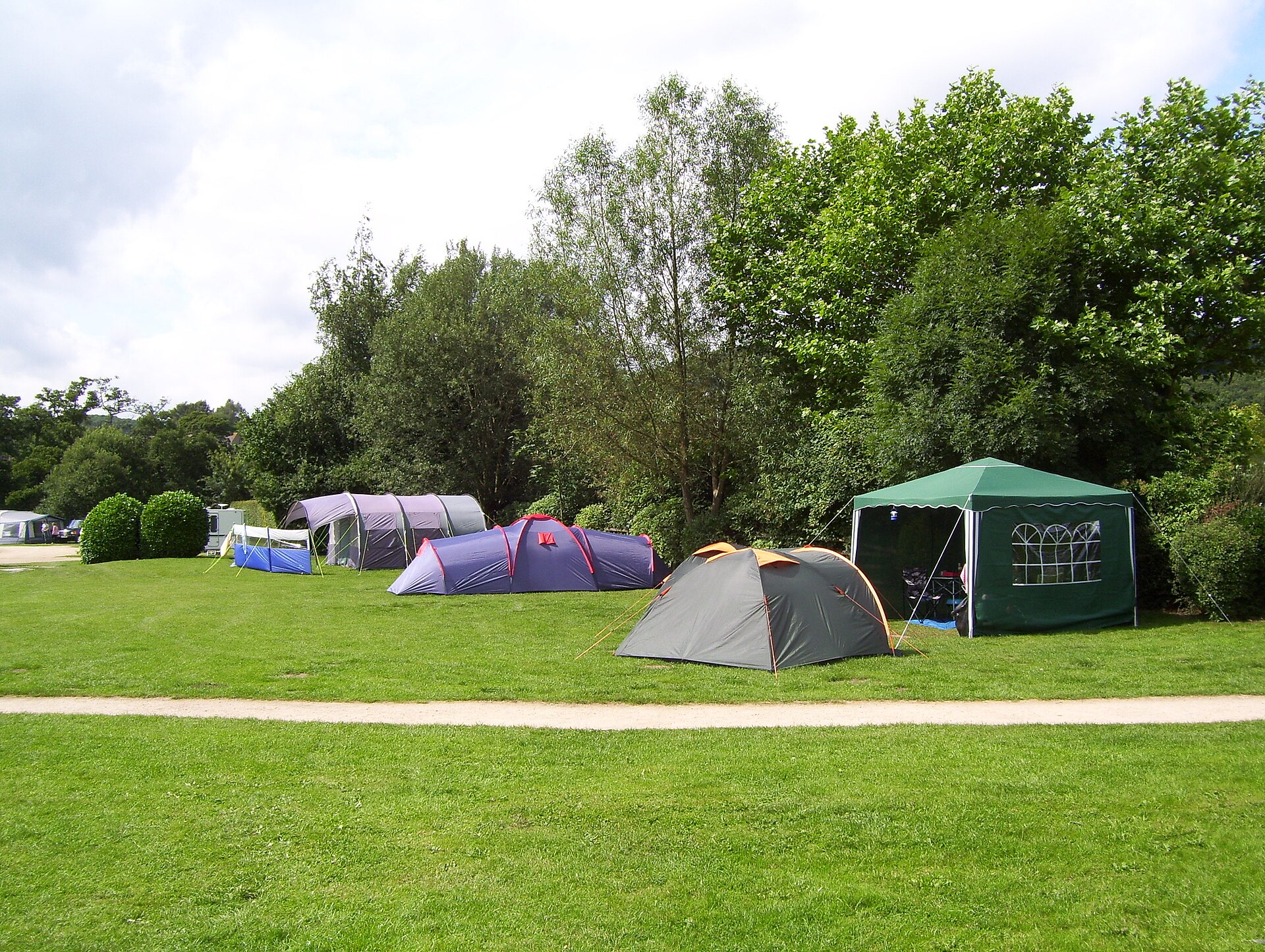
Here’s the quiet story of 2026: camping is one of the only family holidays that has barely moved in price. A serviced family pitch at a decent coastal site still runs £25 to £45 a night in peak season, which puts a seven-night week at £175 to £315. Even adding a £150 fuel budget, you’re at half the caravan price.
If you’re starting from zero kit, one warning before the checkout: our guide to choosing a family tent under £200 covers what the berth rating on the box won’t tell you.
But be honest about the gear question. If you own nothing, a tent, four sleeping bags, mats and a stove will eat £300 to £400 of your budget in one Go Outdoors trip, and that’s the mid-range stuff, not the kit that survives a Welsh crosswind. The economics only sing from year two onwards. First-time campers should borrow before they buy – half the tents in Britain go up once and then live in a loft.
Weather risk is the other honest caveat, and it’s the one hedge we’ll allow this article. An August week under canvas in Cornwall can be the best holiday your kids ever have or five days of damp Monopoly. If your nerves can’t take it, several of the big campsites now do pre-pitched safari tents at £60 to £90 a night – still inside the £1,000 line, with actual beds.
Pair a cheap pitch with free days out – we’ve covered Britain’s best lidos and the seaside towns that still earn the trip – and camping is the clearest pass of the lot.
Center Parcs isn’t a budget holiday, and we should stop pretending it is
Every summer, Center Parcs gets discussed alongside caravan parks and campsites as if it belongs in the same conversation. It doesn’t, and the pricing proves it. A two-bedroom Woodland Lodge at Elveden Forest for four nights starting 10 August 2026 was quoted at around £1,427 when we checked the operator’s own pricing pages this month. The same lodge five weeks earlier: £859. That’s roughly a 66 per cent uplift for the identical break, and it’s four nights, not seven.
The cheapest full August week we could find across the UK villages came in above £2,100 before a single paid activity. And Center Parcs is built on paid activities – the pool is free, but archery, climbing, bowling and the rest land at £20 to £45 a head. A family of four doing two activities a day adds £400 to £600 to the week.
None of this makes it a bad holiday. It’s a very good holiday. But it fails the £1,000 test by a factor of two and a half, and calling it a budget option because it’s self-catering in a forest is how families end up £2,800 lighter wondering what happened. If the money’s there and the kids are the right age, go. If you’re reading an article with “cheap” in the title, this isn’t your year for it.
The Spain question: when abroad undercuts Britain
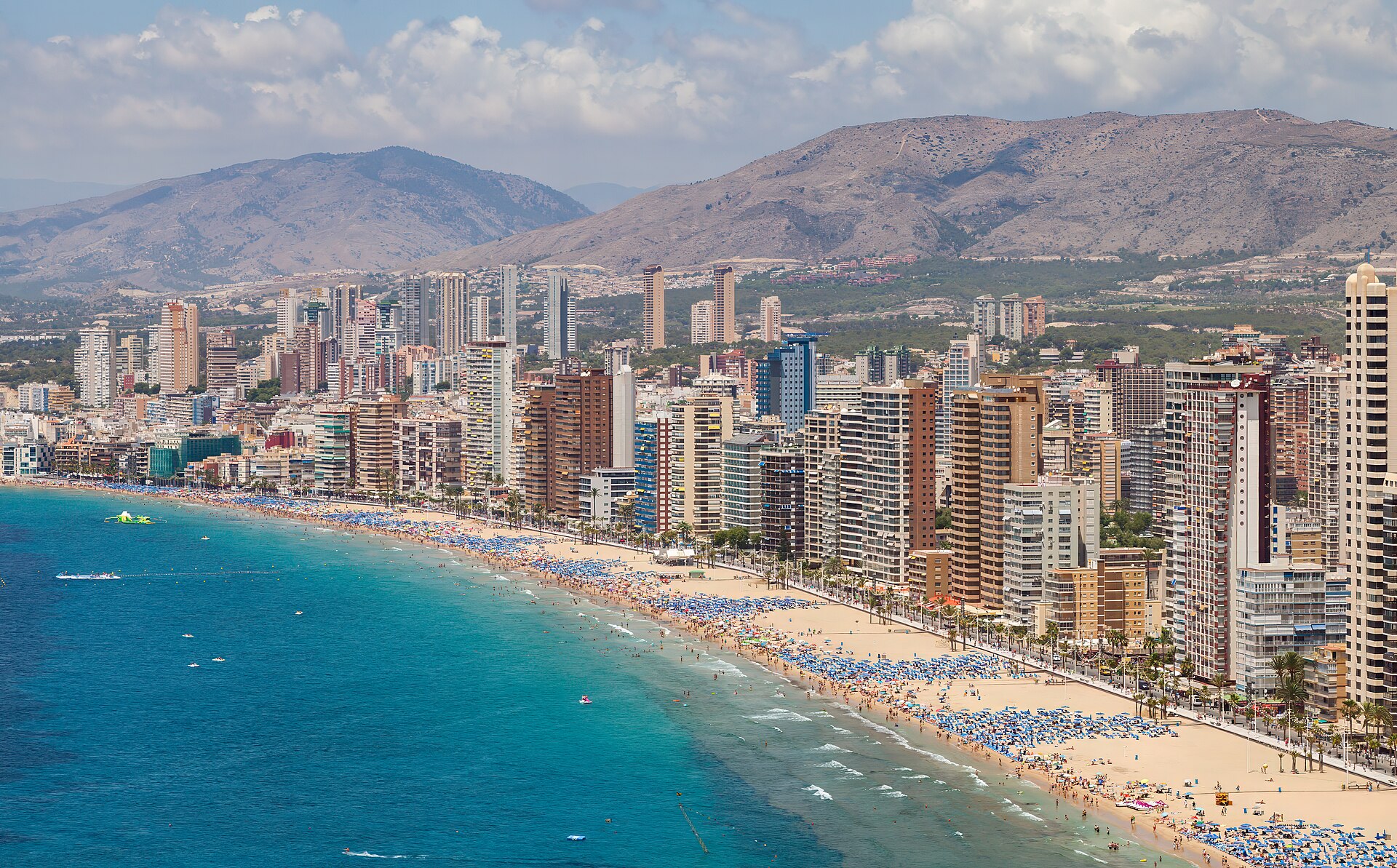
The comparison that used to be unthinkable is now routine. Because UK peak pricing has climbed so hard, a package week in Spain, Greece or Turkey – flights, transfers, half-board – regularly lands in the same bracket as a Platinum caravan in Dorset.
If you do go abroad, watch the rental desk on arrival. Our guide to car hire excess insurance covers the £25-a-day upsell you can replace for about £2.
The catch is that August is the cruellest month for package pricing too. Jet2’s deals pages and easyJet holidays both lean on £60-per-person deposits to soften the blow, but the underlying school-holiday quotes for a family of four rarely dip below £2,000 in early August. Self-catering apartments on the Costas booked as flight-plus-accommodation can undercut that, and late-August departures – the last week before term starts – are reliably the softest.
Our honest reading: abroad beats the UK on value when you’re comparing against premium British options, and loses when you’re comparing against a standard caravan or a tent. MoneySavingExpert’s travel section is the right place to sanity-check a quote before you commit, because the gap between a good and bad package price for the same hotel in the same week can be several hundred pounds.
For the £1,000 test: a marginal fail in early August, a scrape-through pass in the final week if you’re quick and flexible.
Cottages and Airbnb: where the maths quietly falls apart
The fifth option is the one Instagram sells hardest: the whitewashed cottage, the Aga, the dog in the garden. And in August, it’s the option where the numbers behave worst.
Peak-week pricing for a two-bedroom cottage anywhere within sniffing distance of a Cornish or Pembrokeshire beach now sits at £900 to £1,600 for the week, and the good ones at the bottom of that range were booked last October. What’s left in a July search is the compromise stock – the cottage that’s twenty minutes inland, sleeps four if two of them are small, and still asks £1,050 plus a cleaning fee that would make a hotel blush.
Airbnb has drifted the same way. Once the service fee, the cleaning fee and the August multiplier land, the per-night cost of a modest flat in St Ives comfortably beats a caravan with an on-site pool. You’re paying cottage prices for the look, then paying again for everything a holiday park throws in – the kids’ entertainment, the pool, the takeaway on site when nobody can face cooking.
There are two situations where the cottage still wins. Big multi-family groups splitting an eight-berth place can get the per-head cost down to campsite territory, and that’s the version of this holiday that works. And shoulder weeks – that last-week-of-August window again – occasionally shake loose a cancellation at 30 per cent off. The Guardian’s travel desk has been tracking the broader cooling in UK self-catering demand this year, and owners with empty August weeks are newly open to offers in a way they simply weren’t in 2023.
For a standard family of four against the £1,000 line, though: fail, in most Augusts, by £200 to £400. File the cottage under September half-plans.
Three real budgets, itemised
Abstract ranges only get you so far, so here’s how three actual versions of the week stack up, priced this month for a family of four in mid-August.
The £650 week. Serviced tent pitch on the north Devon coast, seven nights at £38 a night: £266. Fuel from the Midlands: £110. Site-adjacent spending – the surf hire, the ice creams, one fish and chip blowout: £180. A day at a paid attraction: £70. Total: £626, assuming you already own or can borrow the gear. This is the cheapest genuine holiday in Britain right now, and it isn’t close.
The £1,000 week. Standard-grade caravan at a Lincolnshire or south Wales park, seven nights: £760. Entertainment passes bought online in advance: £60. Fuel: £90. The invisible extras we itemise below: £90. Total: £1,000 on the nose, which is exactly why we set the line there. Move the same booking to a headline Dorset park and the caravan alone breaches the budget.
The £2,000 week. This buys the late-August package to the Costa Blanca – self-catering apartment, flights, transfers, 22kg bags – or a Prestige caravan at a marquee UK park with money left for eating out. What it doesn’t buy – and this is deliberate – is a week at Center Parcs, which starts above this line before activities. If you’re choosing at £2,000, the abroad option wins on weather certainty and the UK option wins on faff. Pick your poison. If you’re trimming costs by flying hand-luggage only, our guide to the 2026 hand luggage rules shows what each airline actually lets you carry free.
One more pattern worth naming: every budget above gets roughly 20 per cent cheaper in the last week of August. The school holidays aren’t priced as six identical weeks. They’re priced as a mountain with a summit in the middle, and the smart money books the slopes.
The costs that never make the brochure
Whatever you book, the advertised price is the start of the negotiation, not the end. The recurring offenders, from parents who tallied it up last summer: entertainment passes sold per person rather than per family, parking charged nightly at parks that used to include it, air conditioning as a bolt-on in Spanish apartments, and the arcade – always the arcade – which absorbs £10 a day per child like a small municipal tax.
Fuel deserves its own line. A Midlands-to-Cornwall round trip is £90 to £120 in a family petrol car at current prices, and August traffic makes the train tempting until you price four peak-season tickets. (If the route works, we made the case for Britain’s sleeper trains earlier this summer – kids treat the journey as part of the holiday, which is a rare piece of free value.)
Budget £150 to £250 of invisible costs into any UK week. If your headline price is £950, you haven’t passed the test yet.
Booking in mid-July for August: what still works
The early-booking discounts are gone – most operators closed their 10 to 15 per cent early-bird windows back in May. What’s left in mid-July is the inventory game, and it favours the flexible.
Caravan parks release late deals when their August occupancy charts show gaps, and the gaps are almost always Monday-to-Friday stays at the less famous parks. Campsites hold pitch space far later than static accommodation, so camping is the strongest last-minute play. And the final week of August – roughly the 24th onwards – is the single softest pricing window of the entire school holidays, because a chunk of families are back-to-school shopping by then. One school-gate tip that keeps proving true: set fare alerts now for the last week of August rather than refreshing prices for the first.
We ran a similar exercise for May half term and the pattern held there too: the calendar’s edges are where the value lives. We’ve since run the numbers on October half term too – the one school holiday where abroad is the cheap option.
The £1,000 family week in the August peak isn’t dead. It’s just moved – out of the brochure-front parks and the forest villages, and into standard-grade caravans on the unfashionable coast, tents, and the dying days of August. The question for next summer is whether the park operators keep pushing peak pricing until camping stops being the alternative and becomes the default. Where’s your £1,000 going this August?
For the journey itself, our guide to the best tablets for kids in the UK covers the screens that survive the back seat.
A London theatre day is cheaper than it looks in August, too – Kids Week 2026 means a free child’s ticket with every adult one across most of the West End. And September brings Heritage Open Days – thousands of buildings that normally charge, free for ten days.