
Do Hangover Cures Work? 21 Trials, No Repeat Results and the Christmas Party Pills I’d Leave on the Shelf in 2026
Twenty-one placebo-controlled trials. That’s the entire scientific case behind the hangover pills, sachets and “morning-after” shots stacked by the tills this month, and when researchers at King’s College London pulled every one of them together, they rated all of it as very low quality. No two trials tested the same remedy. Not one result has been repeated. So, with the Christmas party season about to start in earnest, do hangover cures work? On the evidence we’ve got, no – and the few that look promising are mostly things you’ll never find on a British high street.
In This Article
- Do hangover cures work? What 21 trials actually tested
- Why nobody in Britain is allowed to sell you a hangover cure
- The Christmas party shelf, pill by pill
- Four myths the Christmas party crowd still swears by
- What actually helps the morning after
- The £300 IV drip and other expensive ways to feel the same
- Who should leave the hangover pills on the shelf
- So what's worth spending money on this December?
That hasn’t stopped anyone buying them. Walk into any big chemist in late November and you’ll find a little cluster of them near the multivitamins, usually in black-and-neon packaging that looks like it was designed for a festival, and usually somewhere between £15 and £30 for a pack that covers a handful of nights out. Mad Friday falls on 18 December this year. Expect to see them everywhere by then.
Before you hand over the money, it helps to know two things: what the research actually found, and what British advertising law lets these products claim. The second one tells you more than the label does.
Do hangover cures work? What 21 trials actually tested
The review that matters was published in the journal Addiction in January 2022 by a team from King’s College London and the South London and Maudsley NHS Foundation Trust. They went looking for every randomised, placebo-controlled trial of anything taken to prevent or treat a hangover. They found 21.
The list of what got tested reads like the contents of a health food shop that’s lost its way: curcumin, probiotics, L-cysteine, N-acetylcysteine, clove extract, red ginseng, Korean pear juice, Hovenia dulcis (the Japanese raisin tree), artichoke extract, prickly pear, L-ornithine, a couple of prescription painkillers and anti-inflammatories, and a few oddities like propranolol and chlormethiazole that nobody’s going to be popping before the office do. Some of these trials did report a statistically significant improvement in symptoms. But each remedy was tested once, in one small group, under one set of drinking conditions, and the reviewers judged the quality of every single result as “very low”. The trials varied in what people drank, how much, and whether they ate. Eight of the 21 included only men. And the two painkillers most Britons actually reach for the morning after – paracetamol and aspirin – had never been tested against a placebo for hangover at all.
The lead author, Dr Emmert Roberts, a senior clinical lecturer in addiction psychiatry at King’s, didn’t leave much room for interpretation. “For now,” he said when the paper came out, “the surest way of preventing hangover symptoms is to abstain from alcohol or drink in moderation.” You can read the King’s College London summary of the review here.
It’s not a glamorous answer. It’s just the honest one.
Why nobody in Britain is allowed to sell you a hangover cure
Here’s a detail most shoppers miss. Under UK rules, nothing sold as a food supplement is allowed to say it prevents or cures a hangover. Full stop.
The Advertising Standards Authority treats hangover symptoms as an adverse medical condition, following the medicines regulator, the MHRA. That means a claim to treat or relieve a hangover is a medicinal claim, and only a licensed medicine can make it. Food and drink can’t claim to prevent, treat or cure a disease at all. The ASA’s guidance on hangover advertising goes further, warning that promising to sort out the morning after can be seen as encouraging people to drink more, which is socially irresponsible in its own right. The ban covers euphemisms too. “The morning after” counts.
And the ASA does enforce it. In May 2024 it upheld a complaint against a TikTok video promoting a supplement called Hangcure Rebound, posted by a paid affiliate account the previous November with the line “take 2 capsules before drinking”. The ruling went beyond the video: the ASA decided the brand name itself was shorthand for “hangover cure”, which made the name a prohibited claim. Back in January 2020 it had done the same to a Glasgow firm’s “After-Alcohol Revival Drink”, finding the name implied it could revive people from the effects of alcohol, and that the advert had also implied approvals from the MHRA and the European Food Safety Authority that the company didn’t have.
Which is why the packaging on the shelf is so carefully vague. You’ll see “supports liver function”, “contributes to normal energy-yielding metabolism” and “replenishes electrolytes” – those are authorised claims tied to ingredients like B vitamins and choline, and they’re true in the most technical sense. They just aren’t claims about hangovers. If a product could genuinely stop you feeling rough on Saturday morning, its makers would be desperate to license it as a medicine and say so in 72-point type. None of them have.
The Christmas party shelf, pill by pill
So what’s actually in these things? Most of the popular sachets and capsules are built from a short list of ingredients, and they don’t all deserve the same verdict.
Dihydromyricetin (DHM) and Hovenia dulcis. This is the ingredient the more expensive brands like to lead with. It comes from the Japanese raisin tree, and there’s some animal work suggesting it interferes with alcohol’s effects on the brain. Hovenia was one of the remedies in the King’s review. One trial. Very low quality. It’s the most interesting thing on the shelf scientifically and still nowhere near good enough to justify £2 a capsule.
N-acetylcysteine and L-cysteine. The theory is sound enough: cysteine helps the body make glutathione, which mops up acetaldehyde, the toxic by-product of breaking down alcohol. Both turned up in the review. Neither has a replicated result.
Milk thistle. It’s been sold as a “liver tonic” for decades. There’s no good evidence it does anything for a hangover; Cancer Research UK made the same point years ago, and nothing has changed since. Don’t bother.
B vitamins. They’re in almost everything because they come with legal, authorised wording about energy and tiredness. If you eat a normal diet you aren’t short of them after one night out. Your body will excrete the excess and you’ll have very bright yellow wee.
Electrolytes. Mildly useful if you’ve been sick or sweated a lot on the dance floor. Alcohol suppresses the hormone that tells your kidneys to hold onto water, so you do lose fluid. But a hangover isn’t mainly dehydration – it’s an inflammatory response, poor sleep and the after-effects of acetaldehyde – and drinking water plus a normal breakfast covers most of what a sachet does.
Probiotics, curcumin, ginseng, clove. Each had a single trial in the review. Each produced a headline at some point. None has been confirmed by anyone else. If you want the wider picture on gut bacteria pills, we looked at whether probiotics actually work earlier this autumn, and the answer was “for a few specific things, not this”.
The verdict on the whole shelf? Not worth the money. And the price per night is often closer to a round of drinks than to a packet of paracetamol.
Four myths the Christmas party crowd still swears by
“Beer before wine and you’ll feel fine.” Someone actually tested this. In 2019 researchers at Witten/Herdecke University in Germany and the University of Cambridge split 90 volunteers into groups: beer then wine, wine then beer, or one drink only, with everyone taken to roughly the same level of drunkenness. A week later they swapped. The order made no difference to the hangover. What did predict a bad morning was how drunk people felt and whether they’d been sick. So the rhyme is nonsense; the amount is what counts.
“Hair of the dog.” A drink the next morning can take the edge off because you’re topping up your blood alcohol and delaying the drop that brings on symptoms. You’re postponing the hangover, not curing it. Cancer Research UK’s verdict was “Nope. Definitely not.” I’d go further: if you regularly need a drink to feel normal the morning after, that’s worth noticing in itself.
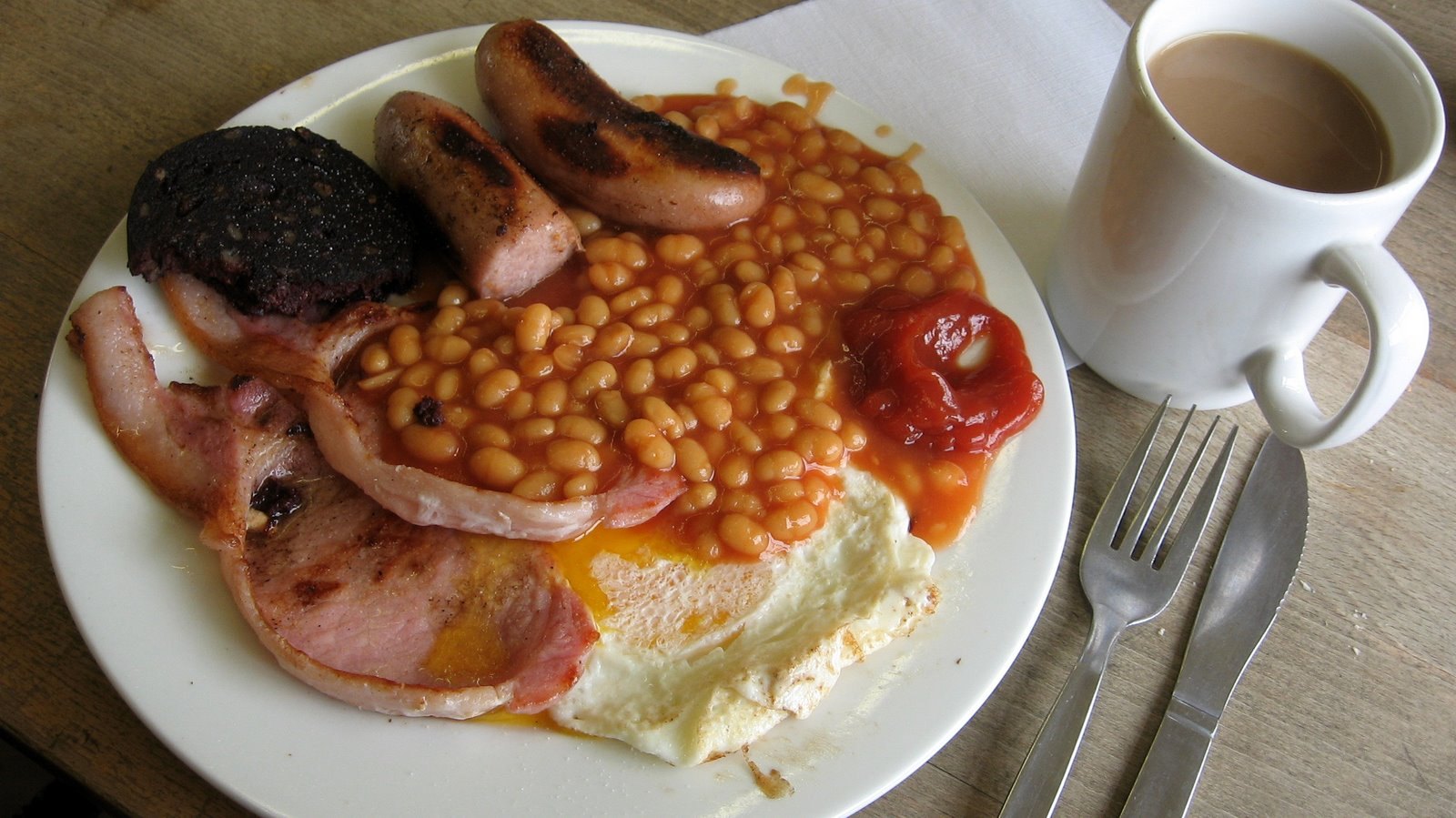
“A fry-up soaks it up.” Food in your stomach before and during drinking slows how fast alcohol reaches your bloodstream, and that does help. Food the next morning won’t undo anything, though a bacon roll can settle a queasy stomach and bring blood sugar back up. Eat it because you want it, not because it’s medicine.
“Clear drinks are safer.” This one’s half true, which is why it survives. Darker drinks like bourbon, brandy and red wine contain more congeners, the by-products of fermentation and ageing. A 2010 study at Brown University in the US gave young adults either bourbon or vodka to the same blood alcohol level and found the bourbon drinkers reported worse hangovers. But their performance on next-day tests was just as impaired either way. Switching to vodka might make you feel slightly less dreadful. It won’t make you any sharper at Monday’s meeting.
What actually helps the morning after
None of this is exciting. All of it is cheaper than a sachet.
Water before bed and again when you wake up does help, partly because of the fluid and partly because a glass of water between drinks slows you down. Cancer Research UK pointed out that this might be water’s biggest benefit: it simply means you drink less alcohol. Alternating is the single most useful habit I know of, and it costs nothing at most bars if you ask for tap water.
For a headache, Cancer Research UK suggested paracetamol over aspirin, because aspirin can irritate a stomach that’s already unhappy. Ibuprofen has the same issue. Stick to the dose on the packet and don’t double up with cold and flu remedies that already contain paracetamol, which is an easy mistake at this time of year when half the office has a cough. Remember, though, that even paracetamol hasn’t been tested properly for hangovers; it eases the headache, which isn’t the same thing.
Sleep matters more than people think. Alcohol knocks you out quickly but wrecks the second half of the night, so a 7am alarm after a 1am finish is a hangover you’ve built yourself. If you can, don’t book the early train. And go easy on the coffee – it’ll help you feel more awake, but a fourth cup at 3pm will mess with your sleep the following night too. We wrote about caffeine cut-off times in October and the same rules apply when you’re trying to recover.
Then there’s the bit no supplement brand will put on a poster.
Most of what decides your hangover happens before midnight: how much you drink, how quickly, whether you ate, and whether you end up on shots because someone from accounts got a round in. The NHS low-risk guideline is no more than 14 units a week, spread over three or more days, and a single big Christmas party can blow through that in an evening. A large glass of 13% wine is about three units on its own.
The £300 IV drip and other expensive ways to feel the same
At the top end of the market sit the clinics offering IV vitamin drips for the morning after. A bag of saline with some vitamins added will rehydrate you faster than a pint of water, and some people do feel noticeably better afterwards. But you’re paying £100 or more for something your gut would have done for free in a couple of hours, and putting a cannula in a vein always carries a small risk. We looked at IV vitamin drips and who actually needs one last week; the short version is that people who are genuinely dehydrated from vomiting need proper medical care, and everyone else needs a glass of water and a lie-down.
It’s the same logic with the pricier capsules. The more a product costs, the more confident its marketing tends to sound, and the less the evidence changes. A £30 box and a £5 box are resting on the same handful of single trials.
Who should leave the hangover pills on the shelf
Everyone, really. But a few groups have more reason than most.
If you take any regular medication, check with a pharmacist before adding a herbal supplement, because things like ginseng and some plant extracts can interact with prescribed drugs; and if you’re pregnant or trying, there’s no safety data at all. If you’ve got any liver condition, you shouldn’t be treating a “liver support” capsule as a licence to drink more. The ASA was right about that part: the whole pitch of these products is that you can carry on as normal and skip the consequences, which is the opposite of what anyone with a reason to be careful needs to hear.
And if your hangovers have started to feel worse, or longer, it might not be the brand of prosecco. Tolerance drops as we age, sleep gets lighter and the body clears acetaldehyde more slowly. Plenty of people who used to bounce back by lunchtime find themselves written off for the whole weekend in their forties. That’s not a supplement problem. If you want to see what a proper break does, our pieces on Dry January benefits and what 30 days without alcohol changes are worth reading before the new year.
I’ll make one exception to “don’t bother”. If a sachet of rehydration salts from the pharmacy – the plain ones meant for diarrhoea, at a couple of quid for a box – stops you feeling sick enough to eat breakfast, use it. It’s cheap, it’s licensed, and it doesn’t pretend to be anything it isn’t.
So what’s worth spending money on this December?
A taxi home at a sensible hour. A big jug of water on the bedside table. A proper meal before you go out, not a few canapés passed around at 7pm. A packet of paracetamol you already own. And, if you can manage it, a Saturday with nothing in the diary before noon.
But if you’ve found something that reliably works for you – whether it’s a pint of water and a banana or a ritual you’d never admit to in public – what’s your Christmas party survival plan this year – and which so-called cure have you quietly given up on?