
Britain Bans the Word ‘Probiotic’ on Labels – So Do Probiotics Actually Work? The 4 People the Evidence Backs in 2026 and the £150 Course Everyone Else Can Skip
Walk into any Boots this week and you’ll find a whole bay of little bottles and capsule tubs promising “live cultures” and “friendly bacteria”. What you won’t find, anywhere on the packaging, is the word everyone actually uses for them. In Britain “probiotic” counts as an unauthorised health claim, so it’s banned from labels. And on 9 September the supplement industry’s trade body finally lost patience and wrote an open letter to the Health Secretary asking for that rule to be scrapped. Which raises the obvious question: do probiotics actually work well enough to deserve the name? I’ve spent a fortnight going through the trials, the NHS position and the price tags, and the honest answer is that a small number of people get a real, measurable benefit, and everyone else is funding a market worth north of £1.5 billion a year for not very much.
In This Article
- Britain won't print the word – and this month the industry snapped
- So do probiotics actually work? Only if you ask the question properly
- The antibiotic case, and the 2018 study that complicates it
- Four people who should bother – and one who absolutely shouldn't
- What the money buys you: strains, billions and the survival problem
- The bit the industry won't thank me for: a £1.50 pot of live yoghurt does most of the job
- How to run a fair four-week trial on yourself
Britain won’t print the word – and this month the industry snapped
The rule dates back to EU health-claims law that the UK kept after Brexit. Because “probiotic” implies a benefit, and because the European food safety regulator never approved a single probiotic health claim, brands here have to talk around it. Hence “live cultures”, “gut-friendly bacteria”, “bio” and the rest. Eleven EU countries have since quietly allowed the term. The UK hasn’t.
The Health Food Manufacturers’ Association’s letter argues that patients can’t find on the shelf what their GP or dietitian just told them to buy, and that a change to guidance rather than law would fix it. It landed in the same week that Dr Xand van Tulleken went on Good Morning Britain to promote his new book on the wellness industry and spent the segment telling Susanna Reid which of her supplements were a waste of money (vitamin D for immunity, magnesium in big doses, collagen once you strip out the industry-funded trials). The HFMA put out a defensive statement about that too. So the timing of this piece isn’t accidental: the argument over whether any of these products do what people think has become a proper public row.
I don’t think the label rule is silly, for what it’s worth. It exists because the evidence for the category as a whole is thin. But “thin as a whole” isn’t the same as “useless for everyone”, and that distinction is where the money gets wasted.
So do probiotics actually work? Only if you ask the question properly
“Do probiotics work” is a bit like asking “do tablets work”. A probiotic is a specific strain of a specific species at a specific dose, tested for a specific problem. Lactobacillus rhamnosus GG isn’t the same organism as the Lactobacillus in your supermarket yoghurt, any more than a Labrador is the same as a wolf. The NHS makes exactly this point on its probiotics page: a strain that helps with one problem tells you nothing about other problems or other strains, and there’s “little evidence to support many health claims made about them”. It also notes, drily, that there’s no evidence they treat eczema, which hasn’t stopped the eczema-probiotic market.
Once you ask strain by strain and problem by problem, the picture sorts itself into two piles.
The first pile is diarrhoea. Preventing the diarrhoea that antibiotics cause, shortening a bout of infectious diarrhoea in children, and cutting the risk of Clostridioides difficile infection in hospital patients on antibiotics. Here the trials are numerous, the effects are consistent and the regulators’ own evidence bodies say so. A Cochrane review pooling 39 trials and nearly 10,000 patients found that probiotics cut C. diff diarrhoea by 60 per cent, from 4 per cent of patients to 1.5 per cent. In people at high baseline risk – older, sicker inpatients – it went from 11.6 per cent to 3.5 per cent, meaning only 12 people needed to be treated to prevent one case. The NIHR’s plain-English summary of that review is the single best thing you can read on the subject, and it’s free.
The second pile is irritable bowel syndrome, where the evidence is real but modest and strain-dependent. A 2026 meta-analysis in the Journal of Gastroenterology and Hepatology pooled around 40 trials and found probiotics improved overall IBS symptom scores against placebo, with four single strains showing a measurable effect: Bifidobacterium longum 35624 (the one in Alflorex), Lactobacillus rhamnosus GG, Lactobacillus plantarum 299v and Bacillus coagulans Unique IS2. The effect sizes are small. Some people respond well, most respond a bit, and the trials are all over the place in quality. NICE’s IBS guideline treats probiotics as something to try for a month and then stop if nothing happens, which is about the right level of enthusiasm.
Everything else – immunity, mood, skin, weight, “bloating” in people without a diagnosis, general wellness – is either untested, tested in tiny industry-funded studies, or tested and found wanting. That isn’t me being sniffy. It’s the sum of what exists.
The antibiotic case, and the 2018 study that complicates it
This is the one most people actually care about in autumn. Chest infections, sinus infections, the UTI that arrives the week the heating goes on. GP prescriptions climb from now until February, and somewhere between one in twenty and one in three people on a course of antibiotics will get the runs from it, depending on the drug.
The evidence here is decent. In children, a 2019 Cochrane review found probiotics roughly halved the rate of antibiotic-associated diarrhoea, from about 19 per cent to about 8 per cent, with L. rhamnosus GG and the yeast Saccharomyces boulardii at doses of five billion or more a day doing the heavy lifting. Adults show a similar direction of effect. If you’ve had a course wreck your stomach before, taking one of those two organisms for the duration of the antibiotics and a week after is a reasonable, cheap bet. Take the probiotic a few hours away from the antibiotic dose (S. boulardii, being a yeast, doesn’t care either way).
But there’s a wrinkle that the marketing never mentions. In 2018 a group at the Weizmann Institute in Israel gave healthy volunteers a course of antibiotics and then split them three ways: an off-the-shelf 11-strain probiotic, nothing at all, or a transplant of their own pre-antibiotic stool. The probiotic group’s native gut bacteria took months longer to come back than the group who took nothing. The transplant group recovered within days. The same lab found, in a companion study, that whether a probiotic colonises your gut at all depends heavily on the person – “persisters” and “resisters” – and that stool samples don’t reliably tell you what’s happening on the gut wall.
Two small studies, and they’ve been argued over since. But they punch a hole in the idea that taking a probiotic “restores” your gut after antibiotics. It may prevent the diarrhoea, which is worth having. Whether it helps your microbiome recover, or gets in the way, isn’t settled, and anyone who tells you otherwise is selling something.
Four people who should bother – and one who absolutely shouldn’t
Pulling that together, here’s who I’d actually tell to buy something.
Someone starting antibiotics who has had a course cause diarrhoea before. LGG or S. boulardii, from the first day, for a week beyond the last tablet. Optibac’s “For Those on Antibiotics” is the obvious UK pick, and Boots and Holland & Barrett both sell cheaper own-label versions.
Someone with diagnosed IBS who is willing to run a proper four-week test on one product and keep a symptom diary. Alflorex, with the 35624 strain, has the longest trial record, and the original study behind it shows why strain and dose matter: it worked at one dose and failed at a hundred times the dose, because the high-dose capsules clumped into a paste and never dissolved properly.
The parent of a small child with a stomach bug, for a few days, on the basis that a couple of trials show S. boulardii or LGG shortens the illness by around a day. Marginal, but a day less of a vomiting toddler is worth having.
And an older relative going into hospital on broad-spectrum antibiotics, where C. diff risk is real – but that’s a conversation for the ward, not the chemist, because it depends on the trust’s own policy and the patient’s immune status.
The person who should stay well away is anyone seriously ill or with a weakened immune system. That isn’t the usual reflexive caveat. In 2008 a Dutch trial gave a multi-strain probiotic to patients with severe acute pancreatitis and had to be stopped because more people died in the probiotic arm. Live bacteria are, in the end, live bacteria. The NHS says talk to a doctor first if you have an existing condition or a compromised immune system; I’d put it more bluntly and say don’t self-prescribe them at all.
What the money buys you: strains, billions and the survival problem
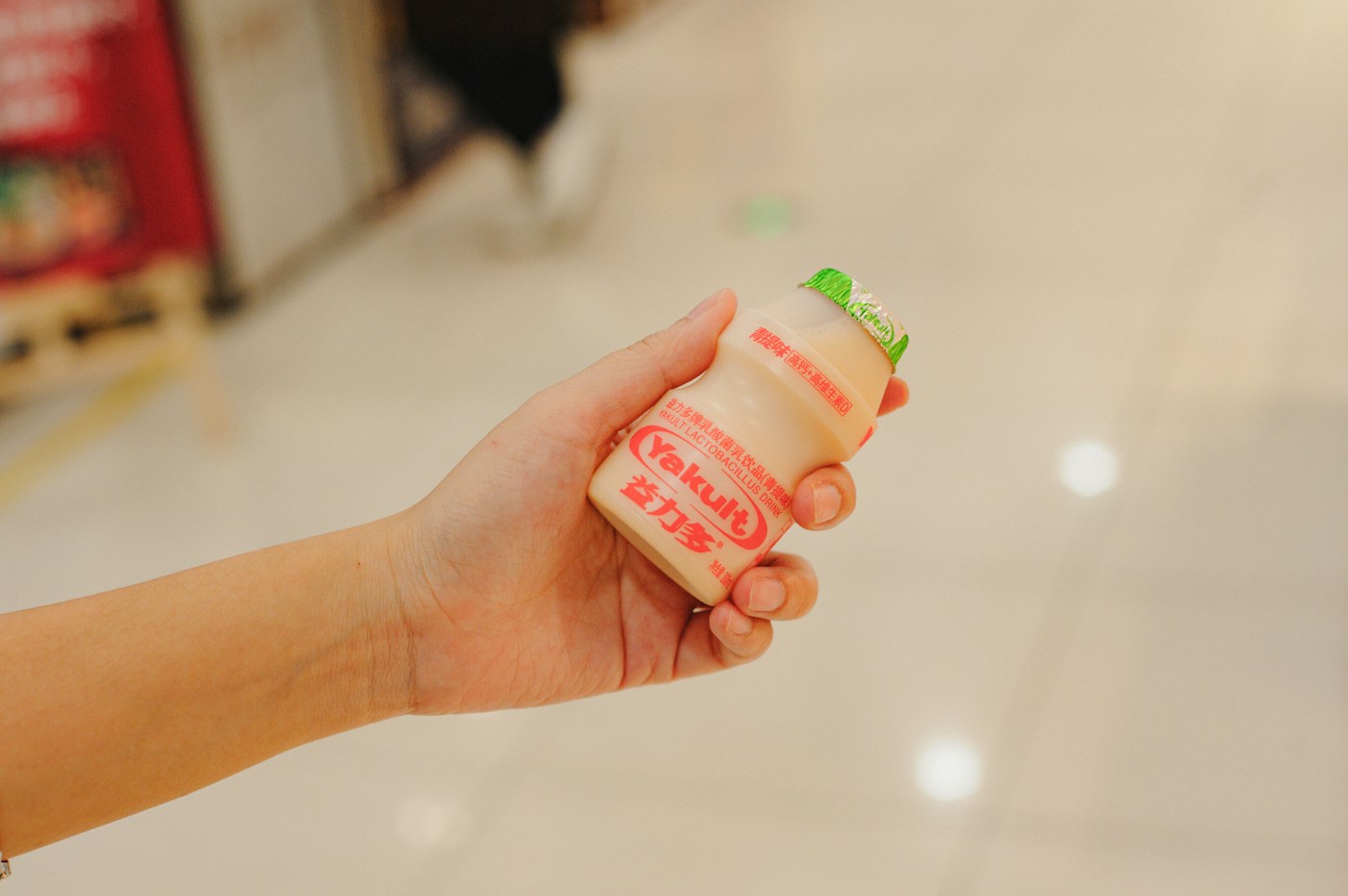
Now to the shelf. When Which? tested a shelf’s worth of products last October it lined up everything from Boots and Holland & Barrett own-label capsules to Optibac and Symprove, and the price spread was enormous. Symprove, the water-based liquid you keep in the fridge and swig every morning, was listed at around £150 for a 12-week course. Alflorex works out at roughly a pound a day. Yakult, the one everyone’s grandmother bought, is a few quid for a week of those little bottles.
The number on the front – “20 billion”, “50 billion”, “100 billion” – is the industry’s arms race and mostly a distraction. It’s a colony-forming-unit count, usually at the point of manufacture rather than at the end of the shelf life, and there’s no evidence that a bigger number does more once you’re past the dose the strain was actually trialled at. The NHS is blunt about this: because these products are regulated as food rather than medicine, you can’t be sure the pack contains the bacteria it says, in the quantity it says, or that they’ll survive your stomach acid to reach the gut. It also warns of “a huge difference” between the pharmaceutical-grade probiotics used in trials and what’s sold in shops, which is a remarkable thing for a national health service to have to say.
Two things I’d look for instead. First, a named strain with a code – “L. rhamnosus GG” or “B. longum 35624” – rather than a species list. A label that just says “Lactobacillus acidophilus” is telling you the breed, not the dog. Second, a brand that publishes its own trials on its own product. Symprove and Alflorex both do, which is partly why they cost what they cost. Whether those trials are convincing is another matter – Symprove’s headline IBS study was run at a single London hospital with fewer than 200 patients – but at least it exists.
Refrigerated or shelf-stable makes less difference than the marketing implies, provided the product was designed for the format. Gummies are where I’d draw a line. The heat and sugar involved in making them aren’t friendly to live organisms, and the doses are usually a fraction of a capsule’s.
The bit the industry won’t thank me for: a £1.50 pot of live yoghurt does most of the job
If you’re healthy, not on antibiotics and don’t have IBS, I don’t think you should be buying any of this. Not because it’s dangerous, but because there’s no outcome the trials can point to that you’d notice. The “maintenance” probiotic – the daily capsule for general gut health, the one sold on a subscription – is the category’s biggest earner and its weakest case.
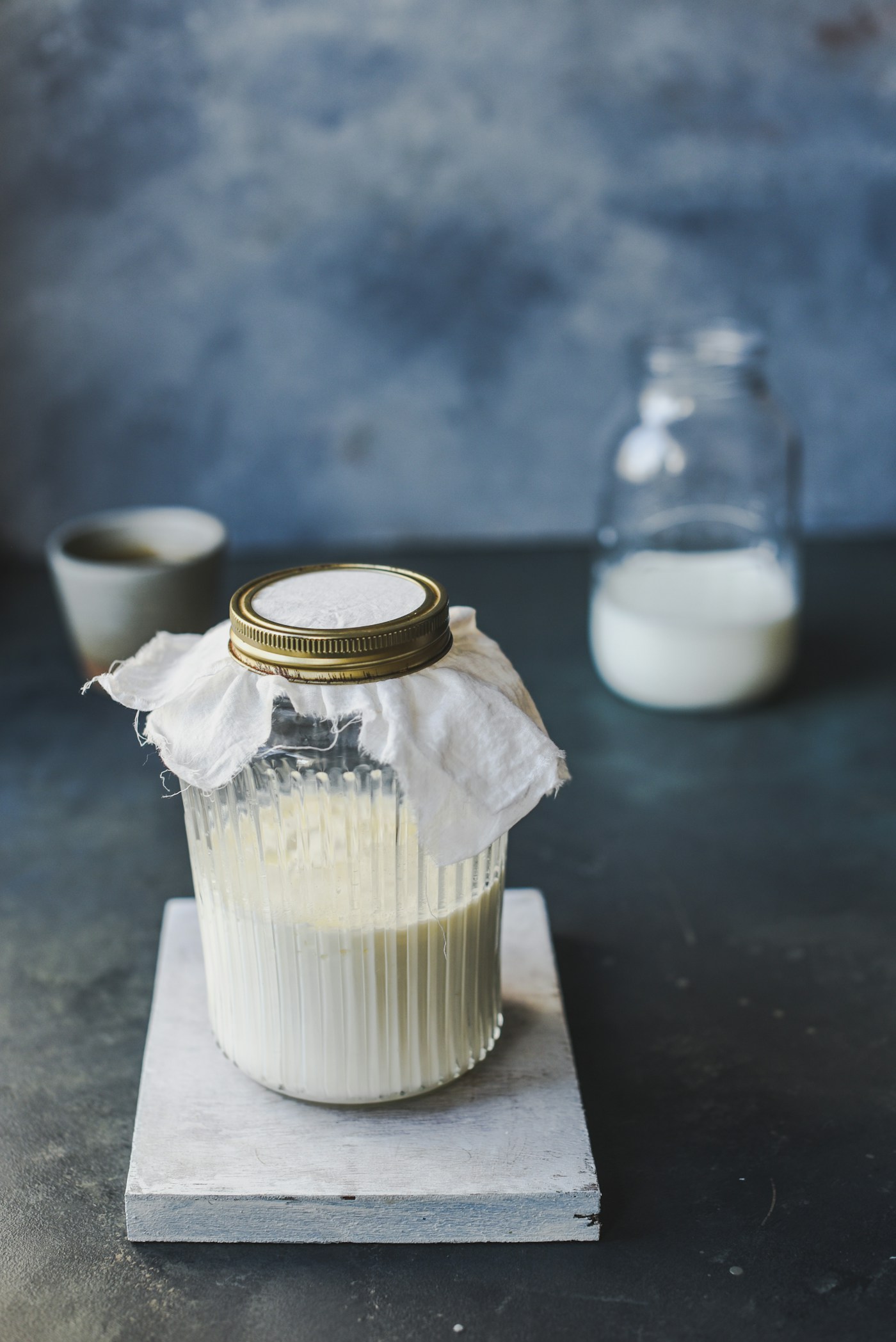
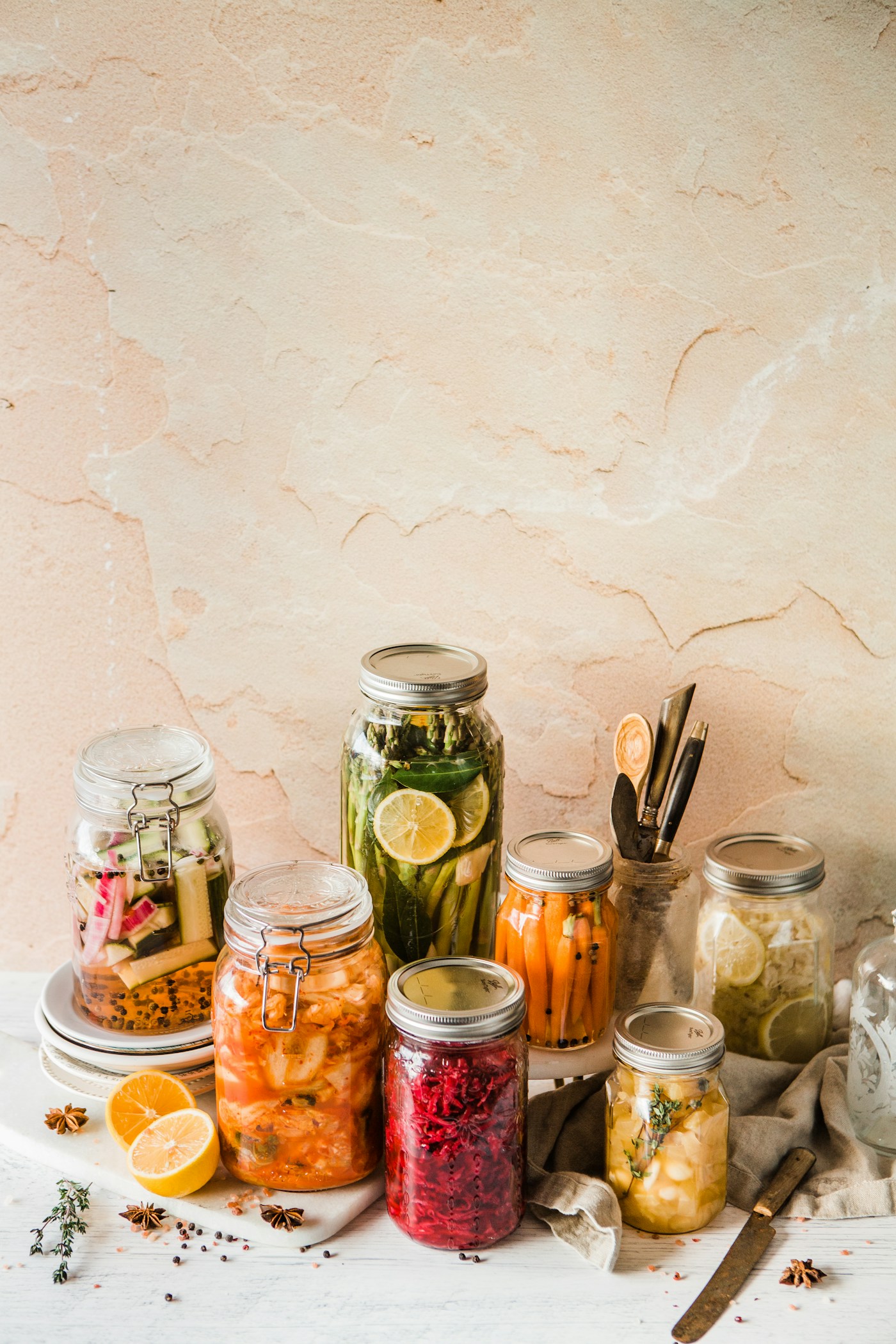
What does move the needle in healthy people is the stuff the gut bacteria eat, not more bacteria. Fibre. Most adults in the UK get around 18 to 20 grams a day against a target of 30, and closing that gap changes the composition of the microbiome in ways that have been measured over and over. We wrote up the numbers in our fibremaxxing piece earlier this year and I’d rather you spent the Symprove money on oats, lentils and a bag of frozen peas. If you want live cultures on top, a pot of plain live yoghurt or a bottle of kefir from the supermarket gives you a decent mixed dose for about £1.50, with the bonus of protein and calcium. Sauerkraut and kimchi likewise, if you can stand them.
That’s not the same thing as a trialled strain for a trialled problem. Kefir won’t stop C. diff. But for the person whose goal is vaguely “better gut health”, fermented food plus fibre is the intervention with the evidence, and the capsule is the one with the marketing budget. It’s the same story we found with greens powders and, more recently, collagen: the further the claim drifts from a specific, testable outcome, the more it costs.
One more thing on immunity, since the “support your immune system this winter” packs are already out. There’s a scattering of small trials suggesting certain strains shave a day or so off a cold. It isn’t nothing, but it’s about as strong as the evidence for zinc lozenges, which we went through in our autumn immune-supplement audit, and the honest advice is the same – a flu jab and sleep beat both.
How to run a fair four-week trial on yourself
If you’ve read this far and you’re in one of the four groups, or you’ve got a niggling gut and want to find out for yourself, do it the way NICE tells GPs to advise IBS patients. One product. Manufacturer’s dose. Four weeks minimum, because the trials that showed benefit ran that long. Keep a note of the two or three symptoms that bother you most and score them out of ten every couple of days – bloating, pain, how many times you’re going, whatever matters to you. Don’t change your diet at the same time, or you won’t know what did what.
At the end of the month, if the scores haven’t moved, stop. Don’t switch to a different brand “just in case” and drift into a year of subscription payments. If they have moved, you’ve found something, and you can decide whether it’s worth a pound a day to keep.
And if what’s actually going on is new, persistent change in your bowels, blood, weight loss or pain that wakes you up – that’s a GP appointment, not a capsule. Probiotics are excellent at giving people a reason to put off that conversation.
The label ban will probably go eventually; the trade body is right that the word is in common use and the government has bigger fights. When it does, the little bottles will finally be allowed to say what they’ve always implied. The question for you is the same either way: which of the specific, tested problems on this page do you actually have – and if the answer is none of them, what exactly are you paying for?