Last Night of the Proms 2026 Tickets: The £48 Route Still Open After Every Ballot Has Closed
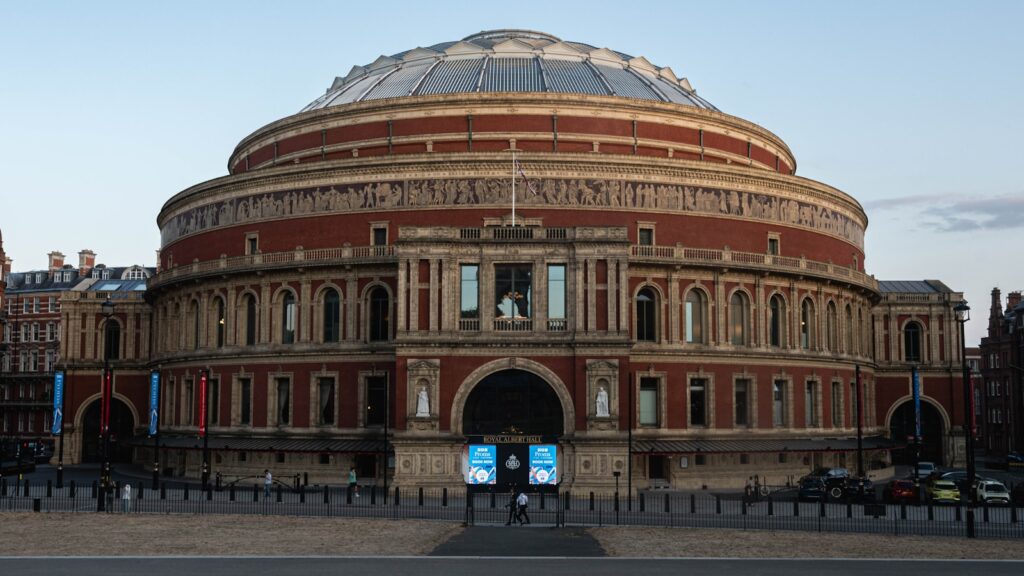
Every official route to Last Night of the Proms 2026 tickets has now closed. The Open Ballot shut at midnight on 9 July. The Five-Concert Ballot went in early June. The general sale came and went in a single July morning. And yet there’s still a way into the Royal Albert Hall on Saturday 12 September that costs £48 all in – you just have to earn it, one £8 concert at a time, and the next window to cash it in opens on 26 August, with one more in September.
In This Article
Nobody at the BBC advertises this route with any enthusiasm, which is partly why it works.
The Last Night is the most oversubscribed event in British classical music by a distance. Around 5,500 people fit inside the Hall, and the demand runs to many multiples of that: 100 Centre Stalls seats and 100 Front Circle seats went into the Open Ballot at £162.20 and £101.96 each, roughly 3,700 seats went into the ballot reserved for people who’d already bought tickets to five Proms, and whatever scraps remained hit general sale at 9am on 17 July and vanished. A whole-season pass at £280 would have guaranteed you entry, but those went on sale back in May. If you’re reading this in late August without a ticket, every one of those doors has shut. The one that hasn’t involves a queue, a fistful of used e-tickets and a Monday morning at Door 12.
The honest way to get Last Night of the Proms 2026 tickets
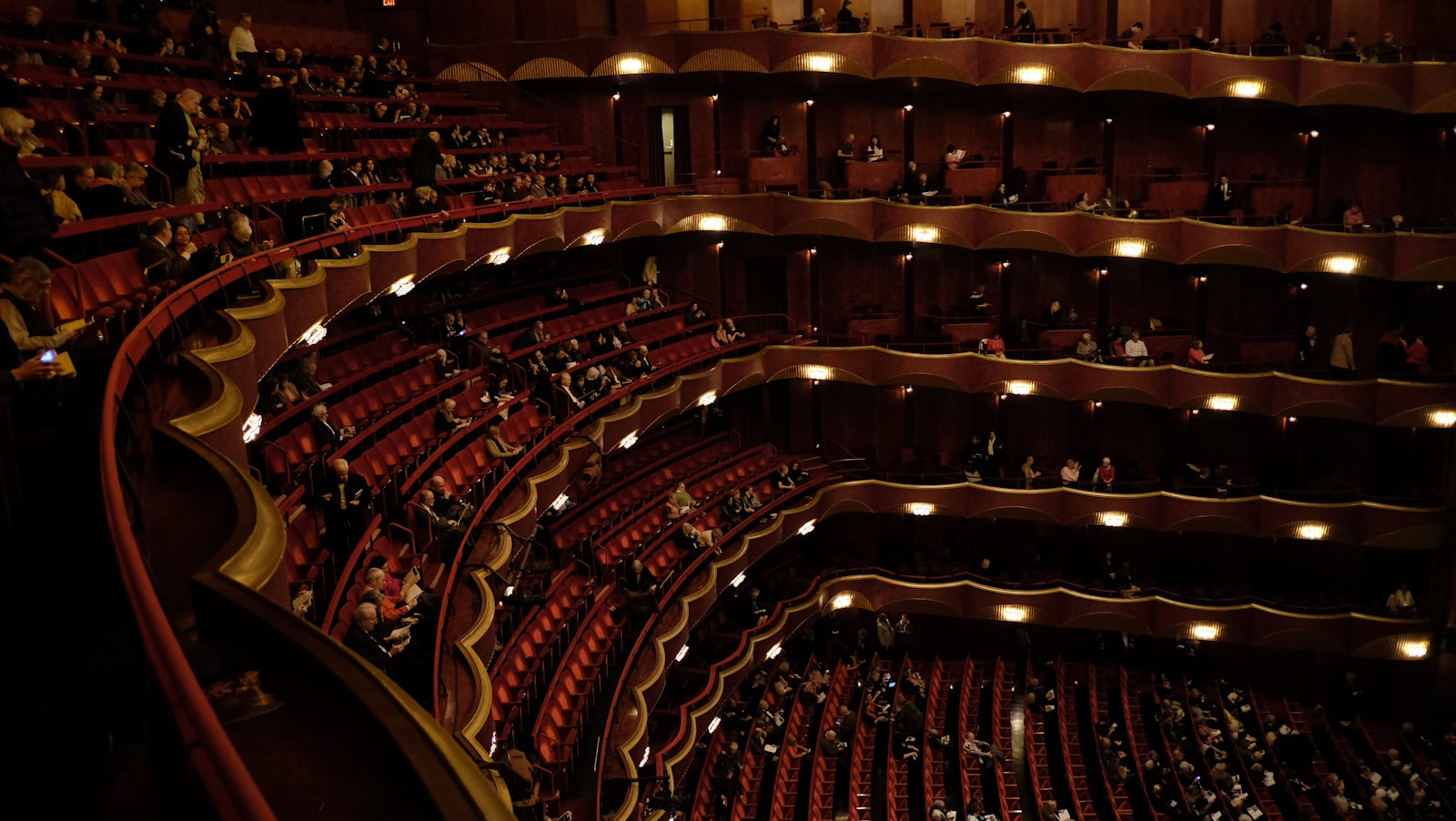
Here’s the mechanism, and it’s gloriously analogue. The Royal Albert Hall reserves a limited number of Last Night standing tickets – priced at £8, the same as any other promming ticket – for people who have attended five or more 2026 Proms in the promming areas, the standing spots in the Arena and Gallery. You turn up at the Box Office at Door 12 with your five used e-tickets, and you can buy one Last Night ticket. One each, no exceptions, no transfers.
Three release dates were set for this season: 23 July, 26 August and 9 September, at 9am sharp, according to Country & Town House’s season guide. The first has gone. Two remain, and the second of them – 9 September, three days before the Last Night itself – is the one most people reading this can still realistically hit. The Hall’s own box office listing is the final word on timings, so confirm before you queue.
Do the sums. Five promming tickets at £8 is £40. The Last Night ticket is another £8. That’s £48 for six concerts at the Royal Albert Hall, one of them the most in-demand night in the British musical calendar, where a balloted seat cost £162.20 for the evening alone. We made the case back in July that the £8 promming ticket is the best deal in British live music, and this is that argument taken to its logical conclusion: the cheapest way into the hardest room in London is to go to more concerts.
Compare it with the other end of the summer. A Reading and Leeds weekend ticket started at £325 this year. For less than a sixth of that, you get six nights with some of the best orchestras on the planet and a finale people enter ballots in April hoping to see.
Can you still do it from a standing start?
Yes, and this is the part that surprises people. The season runs to 12 September and there are concerts most nights between now and then, so five proms in just over a fortnight isn’t a heroic ask. It’s an £8-a-night habit for two and a half weeks.
Around 1,000 promming tickets go on sale online at 9.30am on the day of each concert, and as Londonist’s guide notes, they “cost £8 each (including booking fee)” – a price frozen from last year. You can also chance it in person at Door 12 from 9.30am, where tickets are sold until five minutes before the performance. For most midweek proms, getting one is straightforward. The 9.30am online scramble only gets properly competitive for the star bookings.
But mind the small print. The stubs have to be promming tickets – standing, in the Arena or Gallery. A seated ticket, which starts at £12.20 this season, doesn’t count towards your five. And if you’re aiming at the 26 August release rather than 9 September, you’d need five used tickets within six days, which from a standing start tonight leaves almost no slack. It’s been done. The people who do it are the same people who bring fold-out stools and a flask to the Door 12 queue, and they’re the best company at the Proms, in my experience.
Which five concerts actually earn the stubs
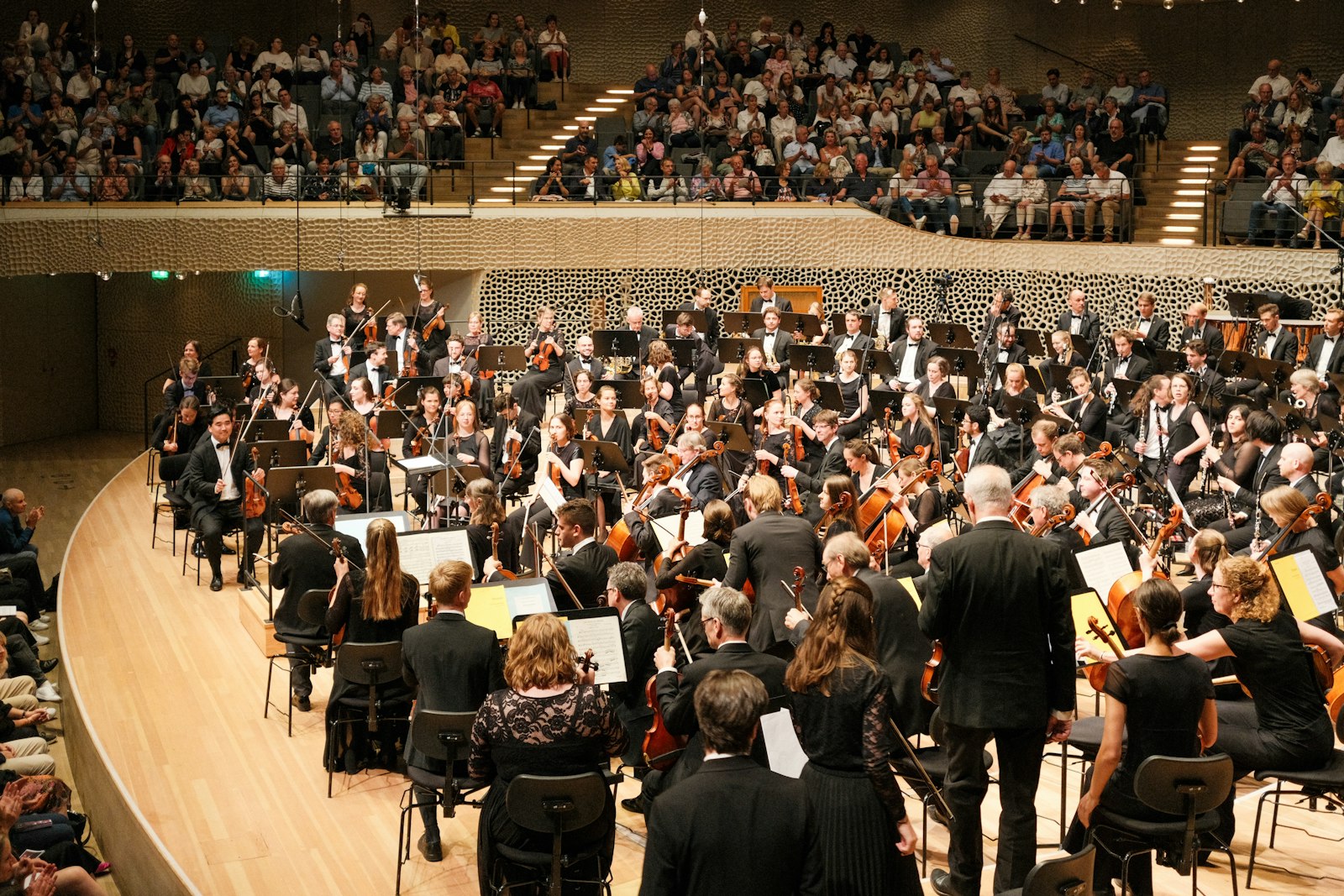
This is where the scheme stops being a loophole and starts being the point. The BBC would clearly rather you discovered the season than sniped the finale, and the closing fortnight of Proms 2026 is strong enough that the qualifying five barely feels like homework.
Tonight, 20 August, is the Miles Davis centenary Prom – a hundred years since the great man was born, marked in a building he’d probably have found hilarious. On 24 August, Marin Alsop conducts American Classics: Rhapsody in Blue, Appalachian Spring, the big open-prairie repertoire this American-themed season was built around. On 26 and 27 August, The Met Orchestra of New York makes its Proms debut under Yannick Nézet-Séguin, which is the kind of booking that would headline an entire season in a normal year. Turkish psych-folk band Altın Gün play a late-night Prom on the 28th. The Alan Menken Disney night on 31 August will be rammed with families singing along to The Little Mermaid. And on 5 September, Martha Argerich – now in her mid-eighties, still the most electrifying pianist alive – plays Beethoven’s Second Piano Concerto with the Munich Philharmonic, almost sixty years to the day since her Proms debut in 1966.
Five of those, standing, for £40. The night after Argerich, Sheku Kanneh-Mason marks ten years since winning BBC Young Musician by premiering a triple concerto alongside Jess Gillam and Ben Goldscheider, then the orchestra plays Dvořák’s New World Symphony. If you only need one more stub by the 8th, that’s the one.
“With 86 Proms across eight weeks, I’m delighted to be announcing a 2026 season that brings together the world’s great orchestras, the finest British talent and an extraordinary breadth of music making,” Proms controller Sam Jackson said when the programme launched in April. He wasn’t overselling it. The back half of this season is better than the front.
What £48 actually buys you on 12 September
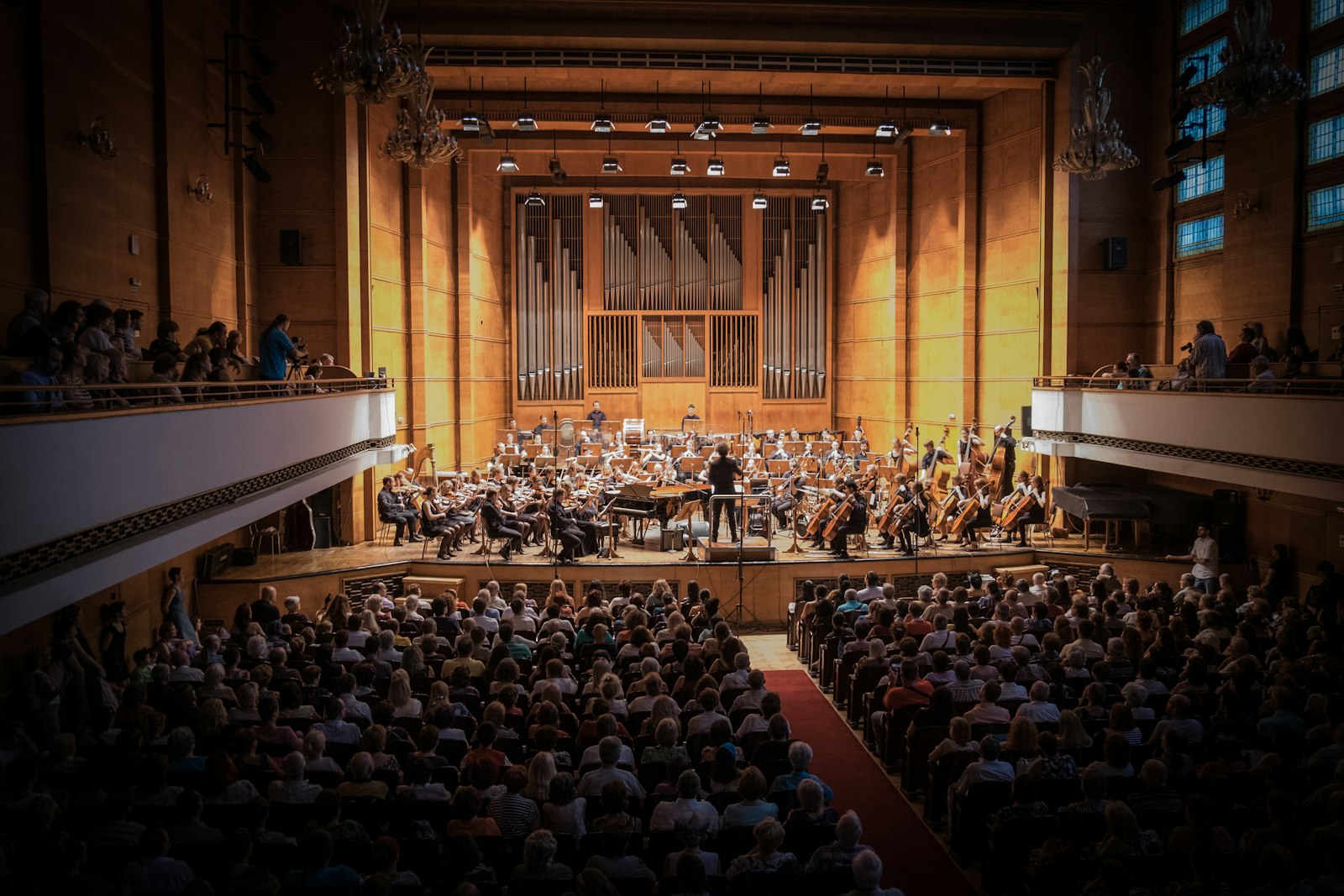
The Last Night itself is Sakari Oramo conducting the BBC Symphony Orchestra and Chorus, with the BBC Singers and the Scottish tenor Nicky Spence – a warm, funny, generous performer who is about as well-suited to this particular circus as any singer Britain has produced. The star turn is Yuja Wang, back at the Proms after three years, giving the first Proms performance of Samuel Barber’s Pulitzer-winning Piano Concerto. In a season built around 250 years of American independence, the concert that ends with Rule, Britannia! opens its arms to an American concerto. Somebody in the programming office has a sense of humour.
Then comes the bit everyone knows: Fantasia on British Sea Songs, Rule, Britannia!, Land of Hope and Glory, Jerusalem, flags, klaxons, the inflatable banana someone smuggles in every single year. If you’re standing in the Arena, you’re inside the television picture rather than watching it.
Now for the unfashionable truth: the Last Night is the worst concert of the entire season. It’s a variety show bolted onto a singalong, the audience is half-cut by the interval, and no serious listening happens after nine o’clock. If what you want is music, the Argerich night will give you more in one concerto than the Last Night manages in three hours. But judging the Last Night as a concert is like judging a wedding as a catering event. It’s the one night British classical music stops worrying about being important and throws a party, and as a piece of national theatre it has no rival. £48, earned over five evenings, is the fair price and the honest route in.
Standing room as a founding principle
The five-stub rule looks like a quirk until you remember what the Proms is named after. When Robert Newman and Henry Wood launched the Promenade Concerts in August 1895, the whole idea was cheap standing tickets for people priced out of the stalls – Wood’s stated aim was “to bring the best in classical music to the widest possible audience”. The festival is still formally called the Henry Wood Promenade Concerts. The standing ticket isn’t the overflow option; it’s the founding document, and the £8 promming ticket of 2026 is its direct descendant.
Which is why the promming areas get the best of the building. Go up to the Gallery and you can wander about, sit down, even lie flat on your back while an orchestra plays far below – regulars bring a cushion and treat the whole thing like a picnic with a symphony attached. Go down into the Arena and you’re standing closer to the conductor than anyone in the stalls, in what’s comfortably the best-value spot in London for hearing a full orchestra at close range. You can bring food in, though any alcohol tends to be confiscated at the door, which given what the Hall charges for a glass of wine feels less like a security policy and more like a business model.
Two nights standing in the Arena will teach you more about why this festival has survived 131 years than any amount of flag-waving on the telly.
Why the queue beats the ballot
There’s something quietly radical about the five-stub system, and it’s worth naming in a year when grassroots venues are closing and arena tickets have become a financial planning decision. Almost every scarce ticket in Britain now goes to whoever refreshes fastest or pays most. The Last Night promming allocation goes to whoever showed up. Not the richest, not the luckiest – the people who were actually in the building all summer. (The Charli XCX 2027 arena on-sale, with a £140.70 standard seat, is this month’s case in point.)
It rewards exactly the behaviour the Proms was invented for in 1895: turning up on a Tuesday for the cheap standing ticket because the music might be good. No resale market can touch it, because the ticket doesn’t exist until you’ve done the concerts. Touts can’t queue at Door 12 with five used e-tickets in someone else’s name.
And it’s a model with lessons beyond South Kensington. Loyalty-based access – earn your way to the scarce thing by supporting the ordinary things – is how small-room shows and struggling venues could think about their hottest nights, instead of handing them to dynamic pricing. The Proms has been running this experiment for decades. It works.
The practical bit, in brief
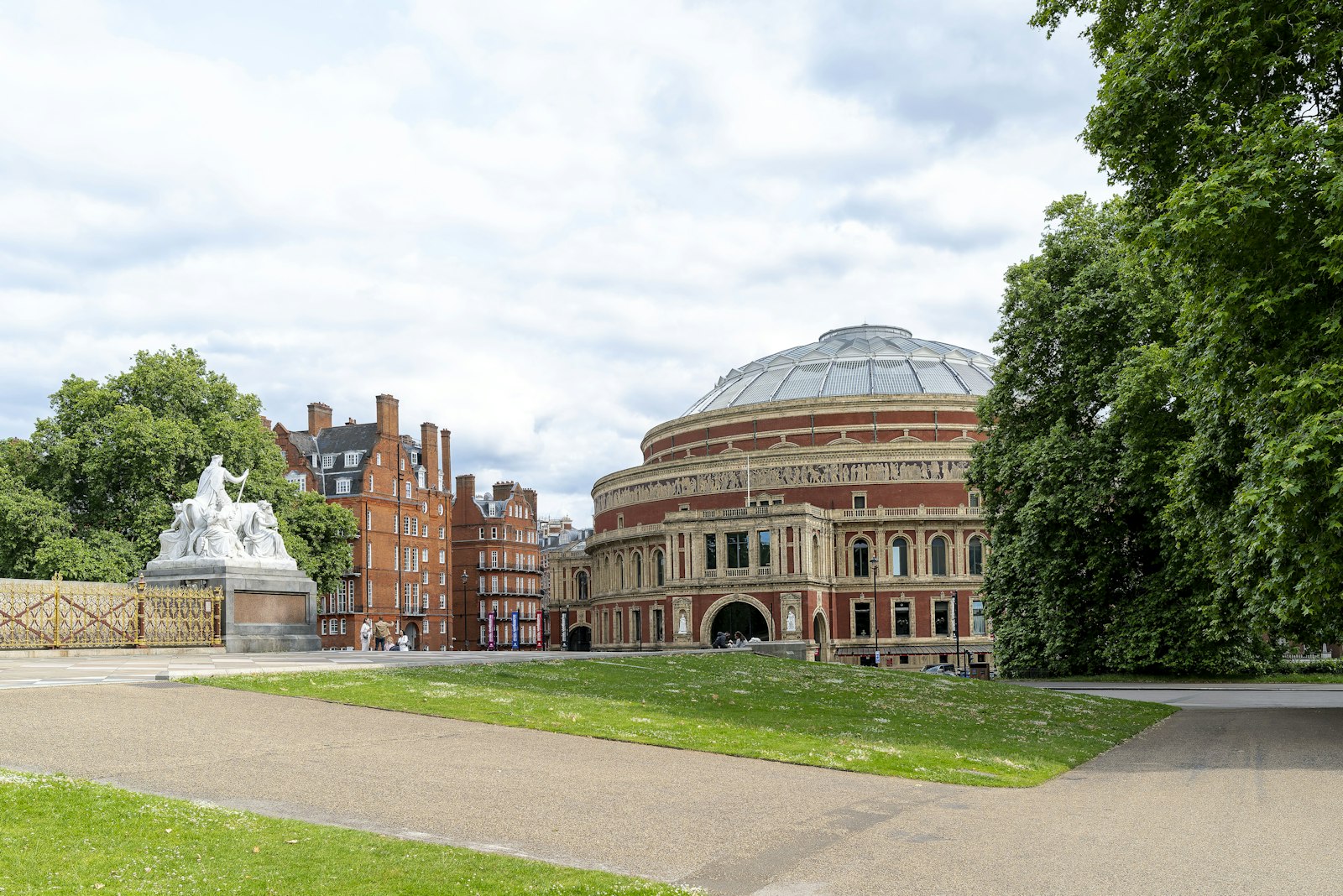
Promming tickets: £8 including booking fee, around 1,000 per concert, online from 9.30am on the day at the Royal Albert Hall site, or in person at Door 12. Maximum two per person. Keep your used e-tickets – they’re your currency.
Last Night stub release: 9am on 9 September, Box Office at Door 12, one £8 standing ticket per person on presentation of five used 2026 promming tickets. The 26 August release runs on the same terms if you’re already qualified. Full ballot and pricing detail is in ianVisits’ ticketing guide.
One honest caveat: the allocation is limited and the Hall doesn’t publish the number, so on 9 September the queue will form early. If it’s oversubscribed, day promming on 12 September itself is the last resort – any unsold standing tickets go online at 9.30am that morning, though for a Last Night that’s a long shot bordering on prayer.
The bigger picture is that a fortnight of the best programming this season has to offer is sitting there at £8 a night, and the country’s most coveted ticket is the free gift at the bottom of the box. So here’s the question worth asking before Monday morning: if the way into the Last Night is six nights at the Royal Albert Hall for less than the price of one arena seat elsewhere, what exactly is stopping you?