Reading and Leeds 2026: The £325 Weekend That Stopped Pretending It’s a Rock Festival
The most revealing name on the Reading and Leeds 2026 poster isn’t a headliner. It’s Skepta b2b Prospa – a grime veteran playing dance records back to back with a Leeds duo, on a purpose-built warehouse stage, at the festival that bottled 50 Cent off in 2004 for the crime of not being a rock act. When the August Bank Holiday arrives (27 to 30 August at Little John’s Farm in Reading and Bramham Park outside Leeds), Britain’s loudest weekend will have six stages, six headliners and a £325 weekend ticket. And almost none of it is built around guitars.
In This Article
This isn’t a complaint. It might be the smartest thing the festival has done in twenty years.
Six headliners, one guitar band
Look at the top line announced last December via NME: Charli XCX, RAYE, Dave, Chase & Status, Florence + The Machine and Fontaines D.C. Depending on how generous you’re feeling about Florence, that’s one rock band out of six. Charli’s slot is her only UK festival appearance of 2026, the kind of exclusive that used to belong to Arctic Monkeys or Foo Fighters at this event. Florence hasn’t played the festival since 2012, back when she was the outlier on a bill of riffs. Now she’s the closest thing to a heritage rock booking on the poster.
Kasabian, the band who would have headlined the Sunday in about 2011, have been given a Thursday night slot at Leeds only – the first Thursday headliner in the festival’s history, at £55 a ticket. There’s something almost poignant about that. The old guard get the warm-up night; the main event belongs to pop, rap and drum’n’bass.
Exclusivity is the real currency of the booking. Florence’s set is also her only UK festival show of the year, which means two of the biggest live draws in the country are available on one weekend and nowhere else. In a summer with no Glastonbury to hoover up the marquee names, whoever holds the exclusives holds the audience. Reading and Leeds holds both.
Compare it with 2025, when Chappell Roan, Travis Scott, Hozier and Bring Me The Horizon shared the top of the bill, and the direction of travel is obvious. The difference this year is that nobody’s pretending otherwise. Festival boss Melvin Benn told NME at Reading last summer that he felt the event was “in a stronger position than I can remember for an awfully long time”, with two of the three nights booked a year out. Strong positions let you stop hedging.
What £325 buys at Reading and Leeds 2026
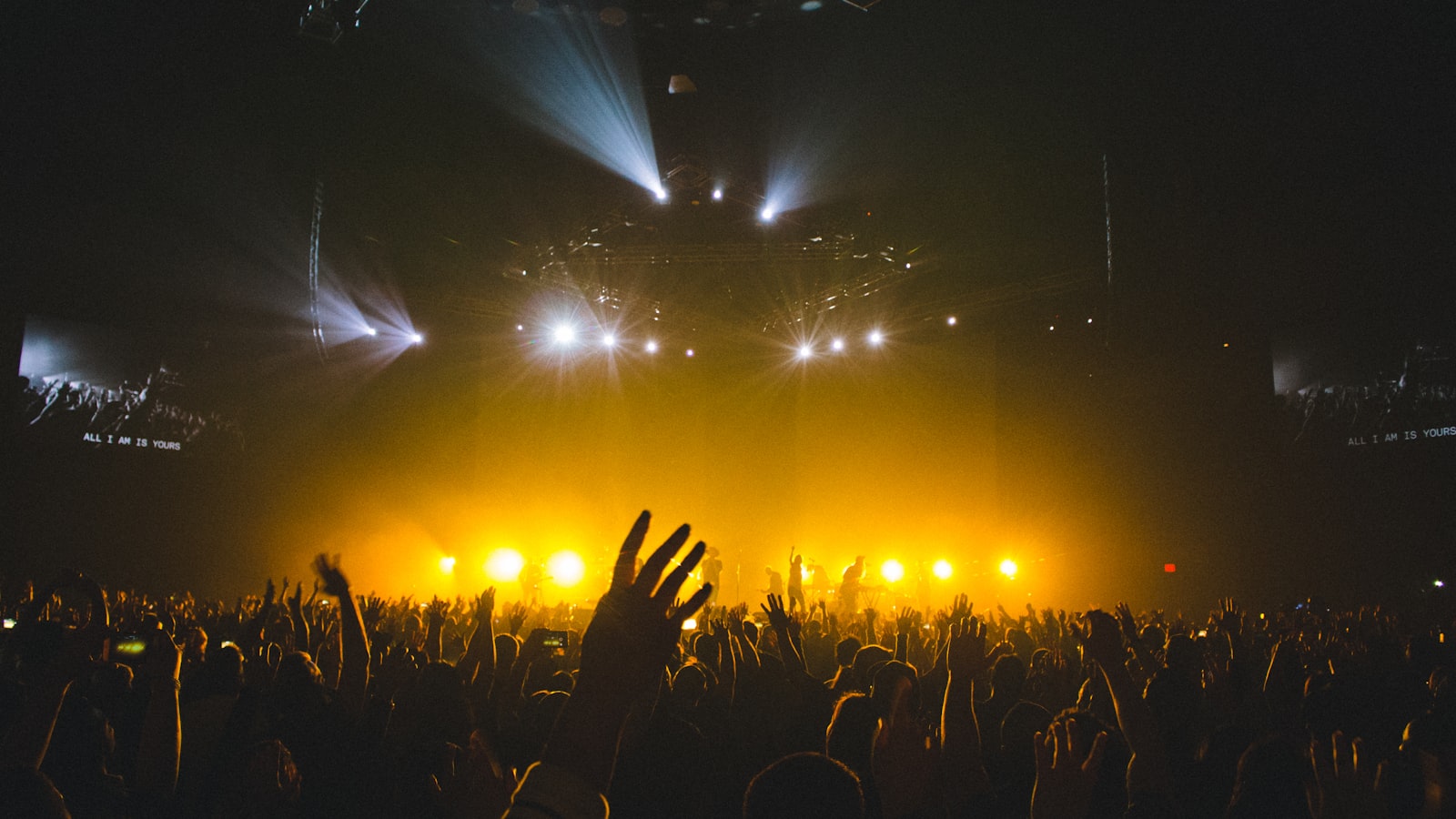
The headline number is £325 for a weekend camping ticket, rising to £361 if you want early entry, with a £295 non-camping option and day tickets at £125, according to the festival’s official info page. There’s a £20 deposit scheme that spreads the rest over seven instalments, which tells you exactly who the audience is: people whose parents are paying, or people paying it off out of a part-time wage.
Here’s the unfashionable opinion: that’s fair money. Not cheap – fair. Four days of music works out at just over £81 a day. A single stadium night this summer will cost you more than that before you’ve bought a warm £7.50 lager; Oasis’s Wembley dates in September priced standing tickets between £74.25 and £206.25 for one band and a support slot. At Reading you can watch Charli XCX on Friday and still have three days left. The £8 Prom remains the best deal in British live music, but among the big camping festivals, Reading and Leeds is not the one gouging.
It helps that the pricing ladder has a bottom rung. The £55 Kasabian Thursday at Leeds is a proper gig at a fraction of arena prices, and the two-day non-camping options at £230 quietly acknowledge that plenty of people over 25 want the music without the campsite. That’s a more honest range of ways in than most festivals of this size manage. Secondary prices will do what secondary prices do as the weekend gets close, so if you’re still deciding, the maths favours deciding soon.
The Lounge upgrade (£57.50 a day, £151.50 for the weekend) is the bit I’d skip. Posher toilets and a viewing platform are lovely, but paying half a day ticket again to avoid the crowd rather misses the point of standing in a field with 90,000 people.
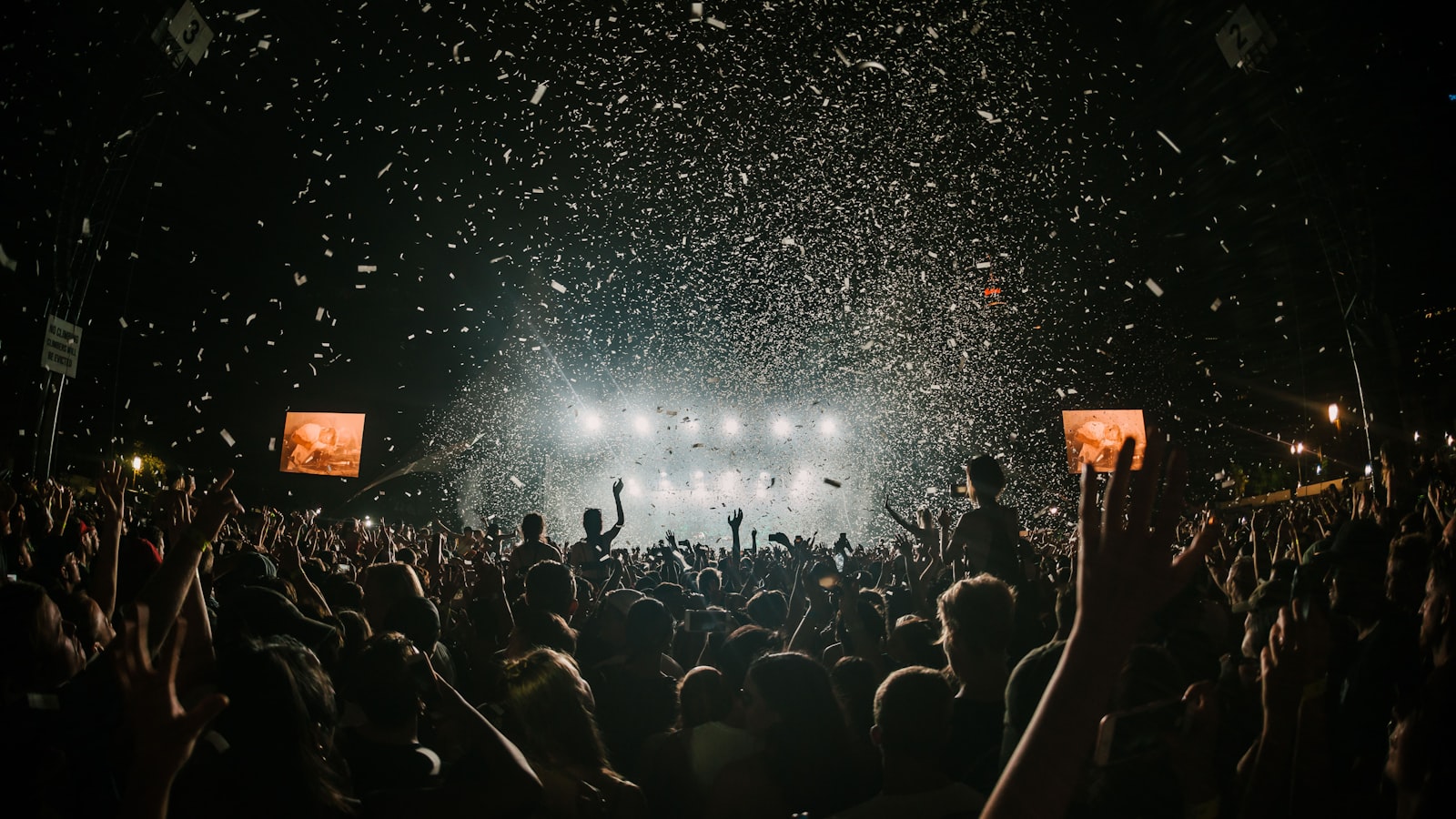
The Warehouse is the tell
Earlier this month the festival announced what NME called the “biggest staging and arena overhaul” in its history. The main stage is now The Grid. There’s a new undercover stage called The Gallery, wrapped in LED production, and a Ballroom with chandeliers for breakthrough acts. Reading gets The Yard, an open-air stage built from shipping containers that promises “the industrial edge of alternative club culture”. Leeds keeps LS23, its late-night fixture, running after the main stages shut.
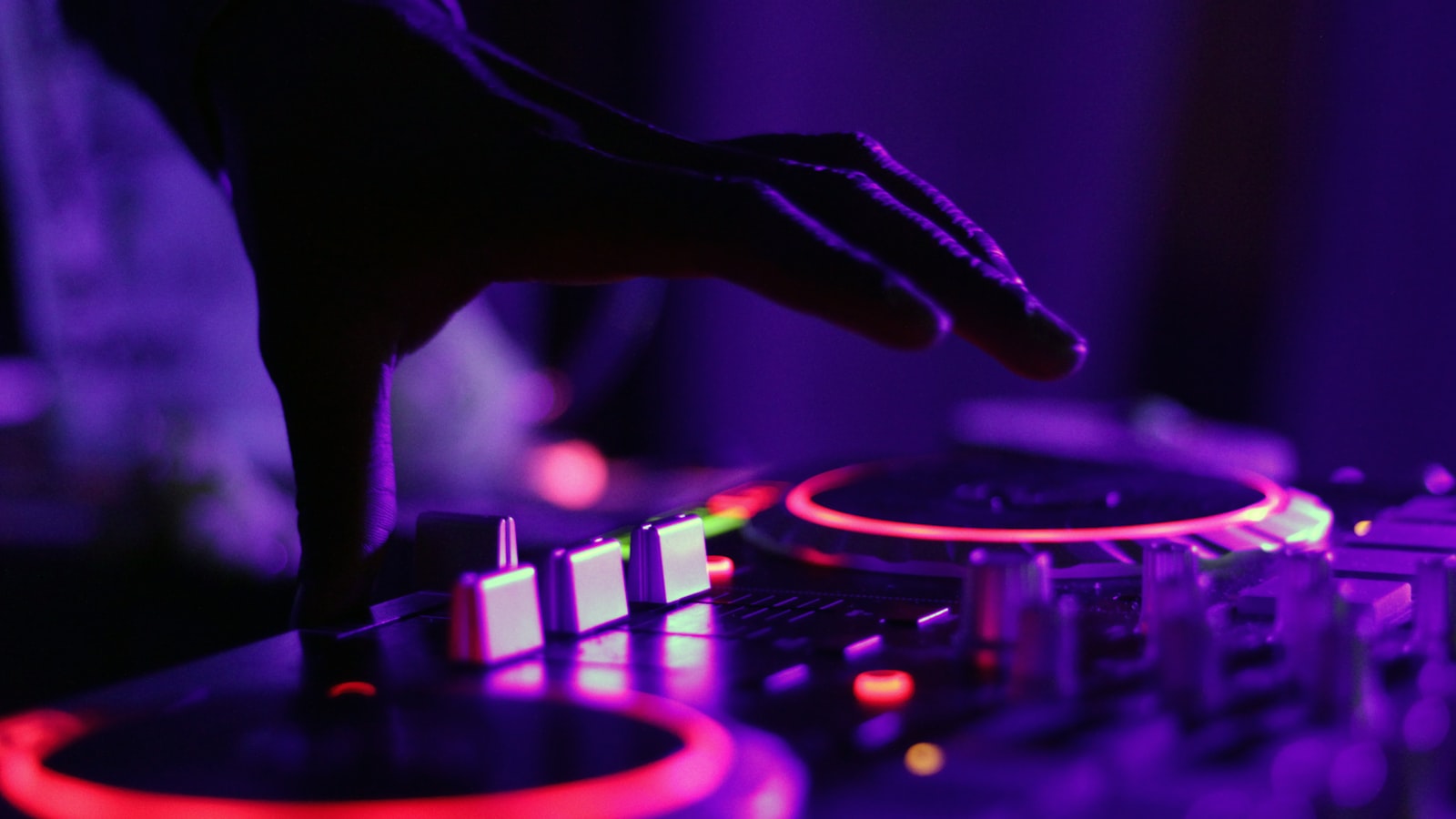
But the one that matters is The Warehouse: a purpose-built home for dance music, with viewing platforms behind the decks and sets from Skepta b2b Prospa, Hybrid Minds, Hedex and Silva Bumpa. Festivals reveal their priorities in infrastructure, not press releases. You don’t build a permanent dance venue into your site plan as a gimmick. You build it because your ticket buyers are eighteen and their formative nights out happened in rooms exactly like it. Drum’n’bass has spent the last few years becoming the default sound of British teenage summers – it’s what’s playing from the speaker in the campsite, not what the campsite is escaping from – and the festival has finally built a room to match.
The Gallery bookings tell the same story from a different angle. At Reading it hosts Geese, Kneecap and Holly Humberstone; at Leeds, Jamie Webster, The K’s and Rose Gray. That’s an American art-rock band, an Irish-language rap trio, a scouse folk singer and a pop songwriter sharing one stage concept, and none of it feels forced. The genre borders that organised this festival for decades have simply stopped mattering to the people buying the tickets.
This has been coming for a while. The dual main stages of 2021 to 2023 were the first crack in the old format. The Chevron stage in 2024, with its floating LED canopy, was built for dance, pop and hip-hop. The 2026 overhaul just finishes the job: a festival redesigned around genres its own marketing used to treat as the undercard.
A British and Irish bill, for the first time in 25 years
Buried in the announcement coverage was a genuinely striking stat: this is the first time in 25 years that every headliner comes from Britain or Ireland. No American superstar flown in to anchor the Sunday. Dave from Streatham, RAYE from Croydon, Fontaines from Dublin, Charli from Essex.
Part of that is the brutal economics of booking US stadium acts in 2026, when a single arena tour eats a festival’s entire talent budget. But it’s also confidence. British and Irish pop is having its strongest commercial run in years, and a bill like this would have looked like a cost-saving exercise a decade ago. Now it looks like a flex. The undercard backs it up: Kneecap, Geese, Skye Newman, JADE, Loyle Carner at Reading, The Lathums and The K’s at Leeds, plus Gene Gallagher’s band Villanelle on the new music stage – the surname alone doing a decent chunk of ticket sales to nostalgic dads.
Whether a fully home-grown bill can pull the same numbers as a Travis Scott year is the £325 question. Early signs suggest it can, not least because of what’s missing from the calendar.
How the days split
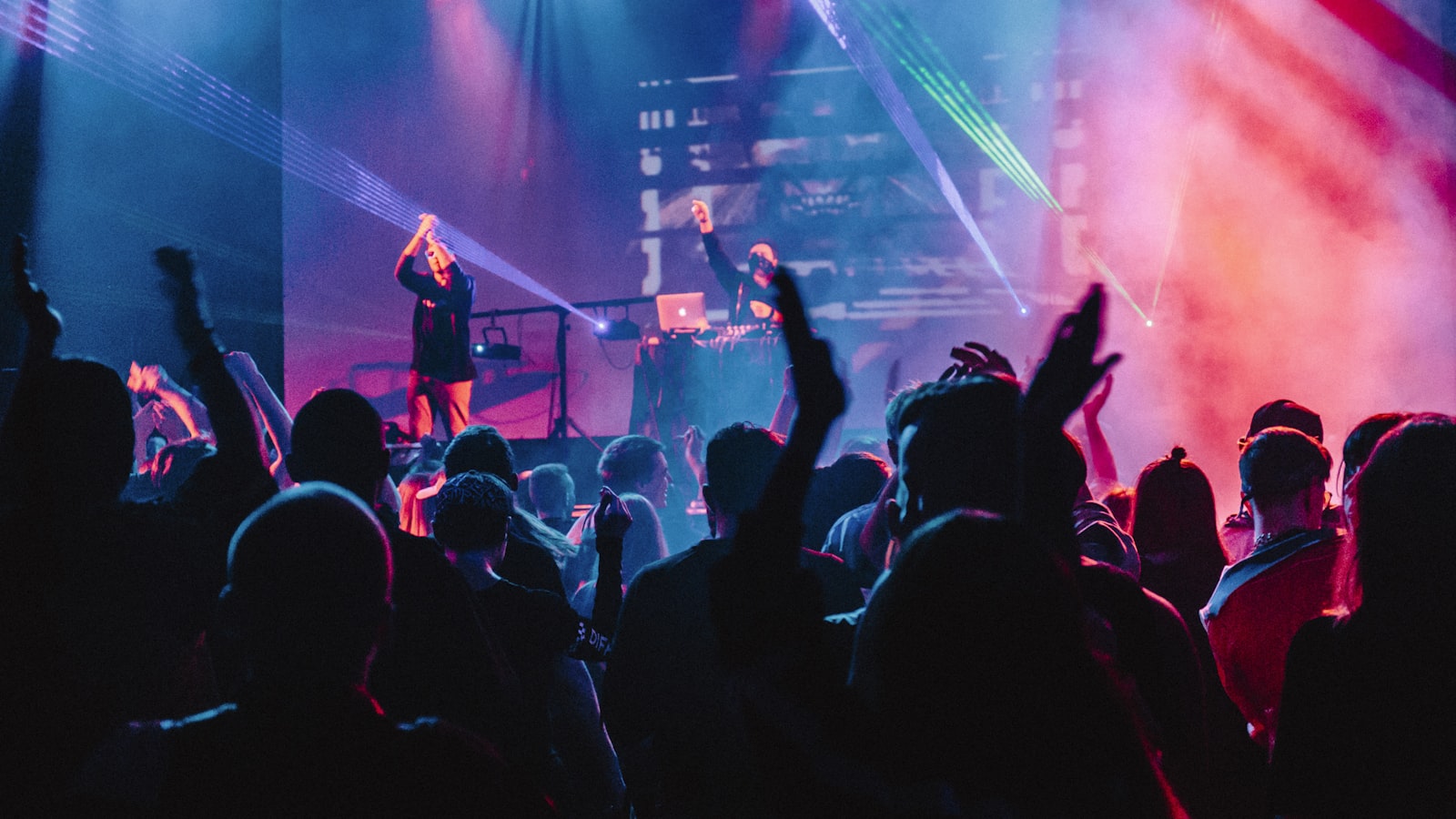
The two sites swap bills across the weekend, as ever, so your day-ticket decision depends on which city you’re closer to and which night you care about. At Reading, Friday belongs to Charli XCX and Fontaines D.C. with Skepta and Geese underneath – comfortably the strongest single day of the weekend, and I’d argue the strongest single day any UK festival has assembled this year. Saturday pairs RAYE – whose six Brit Awards in a single night in 2024 remains the record – with Dave, two South London artists headlining the same stage Nirvana once played. Sunday closes with Florence + The Machine and Chase & Status, with Kneecap and Role Model further down.
Leeds runs the same three bills in a different order (Florence’s Friday, Charli’s Saturday, RAYE and Dave on Sunday), plus the Kasabian Thursday nobody else gets. If you’re buying a £125 day ticket rather than the weekend, the Charli and Fontaines day is the obvious pick at either site – the pairing of the biggest pop auteur of the decade with the best rock band of it is the sort of double-header that used to require two separate festivals.
The Glastonbury-shaped hole in August
2026 is a fallow year for Glastonbury, and the effects have rippled through the whole summer. Festivals that usually fight for attention in Worthy Farm’s shadow have had the run of the season – WOMAD sold out its launch day in hours after moving house, and the August Bank Holiday now stands as the undisputed centrepiece of the festival calendar rather than its afterparty.
Reading and Leeds benefits more than anyone. It’s the last big weekend of the summer, it has the only Charli XCX festival set in the country, and the casual punter who’d normally spend their festival budget in June still has it burning a hole in their pocket. Even the timing plays nicely against the Edinburgh Fringe, which wraps up on 31 August – the two events split the bank holiday between them, one end of the country each.
If this year’s edition sells through, expect the pop-first blueprint to be locked in for good.
There’s a wider lesson in that for the rest of the industry. British festivals spent the last few years wringing their hands about rising costs, cancelled events and an audience that supposedly wouldn’t commit to anything. Then a fallow year opened up some space, a few events made bold calls on their bookings, and the tickets moved. The demand never went anywhere. What changed is that the events willing to rebuild around what audiences actually listen to – rather than what the festival’s own heritage says they should listen to – are the ones collecting the money.
What hasn’t changed
For all the rebuilt stages, the core experience is weirdly untouchable. GCSE results land on 20 August, exactly a week before gates open, and Reading will do what it has done for decades: absorb tens of thousands of sixteen-year-olds having their first unsupervised weekend, in tents that won’t survive it. The Friday scrum at Reading station. The lad three pitches over with a speaker and no shame. The bar running out of cider by Saturday teatime. Rain, somewhere, at some point, guaranteed – it’s the August Bank Holiday, after all.
And the booking team has kept just enough chaos on the bill to honour the old spirit – Kneecap and Viagra Boys will both make a certain kind of columnist furious, which has always been half the point of this festival. (Practical note: phone batteries die fast in a field. A decent power bank beats the charging tent queue every time.)
What’s actually changed is the honesty. Reading and Leeds spent years booking pop acts while insisting it was still a rock festival, and the tension showed. The 2026 edition drops the act. It’s a pop, rap and dance festival with a rock stage, aimed squarely at people born after The Strokes split the atom, and it’s better designed for them than any big UK festival has bothered to be.
The interesting question is what the festival does when this generation ages out. Does The Warehouse become the new sacred tradition someone else complains about in 2040? If you’re heading to Richfield Avenue or Bramham Park this August – what’s the booking that sold you the ticket?