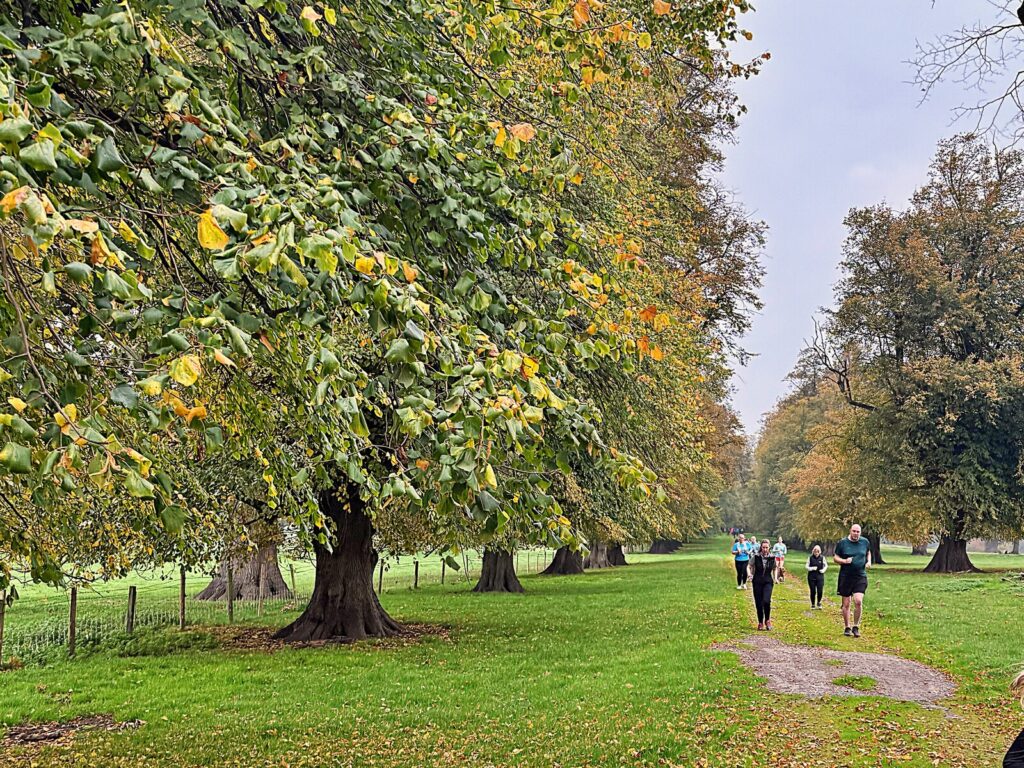
Best Parkruns UK 2026: 9 Courses That Explain Britain’s Saturday Morning Obsession
At nine o’clock on Saturday morning, while most of Britain is still deciding whether to get up, more than 260,000 people will finish a timed 5k in a park, on a beach, through a forest or over a bridge. Nobody pays a penny. Nobody wins anything. And yet parkrun has quietly become the biggest weekly sporting event in the country – bigger than any football fixture, any race series, anything. If you’re hunting for the best parkruns UK courses have to offer in 2026, you’re not alone: travelling to collect them has become a hobby in its own right, with its own jargon, its own spreadsheets and its own gentle obsessives.
In This Article
- Thirteen runners and a stopwatch
- How we picked the best parkruns in the UK
- The scenery heavyweights: Fountains Abbey, Whinlatter and Portrush
- The brutal ones: Woolacombe Dunes and Lyme Park
- Two countries before breakfast: Severn Bridge
- The fast ones: Dulwich and Edinburgh
- The pilgrimage problem with Bushy
- Barcodes, cake and why this works
This is a guide to nine courses that reward the journey. Some are beautiful, some are brutal, one crosses an international border before you’ve had breakfast. But first, a word on how a free run in a suburban London park turned into a national institution.
Thirteen runners and a stopwatch
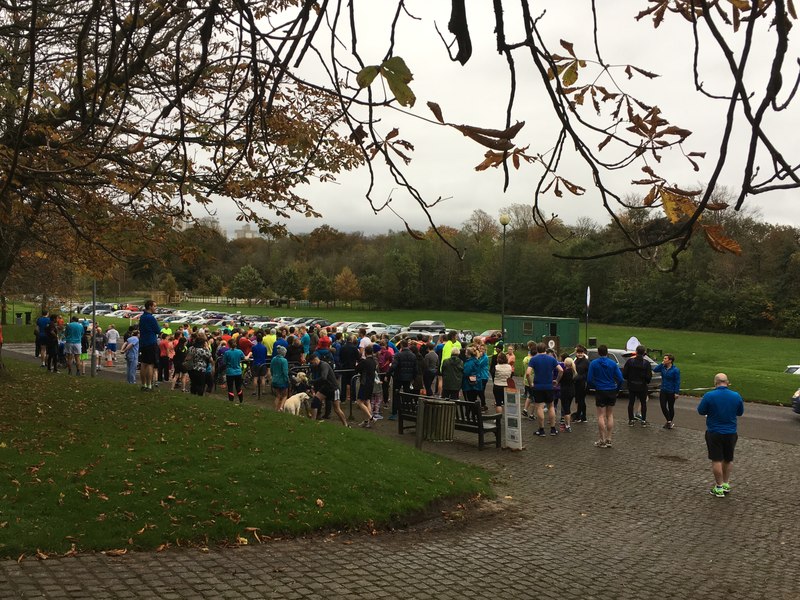
In October 2004, Paul Sinton-Hewitt was injured, out of work and missing his running club. So he set up a free timed run in Bushy Park in south-west London. Thirteen people turned up. He recorded their times with a stopwatch and typed the results up afterwards.
Two decades on, parkrun’s own events listing shows well over 1,300 events across roughly 900 UK locations, with more starting most months. The numbers behind that are hard to take in: over four million people in the UK have finished at least one, and the total finish count has passed 70 million. When Holme Pierrepont parkrun launched in Nottingham in January 2026, 1,279 people showed up to its first ever running – a bigger field than plenty of paid-entry races manage.
The medical establishment noticed. The Royal College of GPs partnered with parkrun in 2018 to create “parkrun practices”, where surgeries link up with their local event and refer patients to walk, jog or volunteer. More than 2,000 GP surgeries have registered – over 16% of all practices in the UK. Your doctor may not prescribe you a park, but they’ll happily prescribe you a parkrun.
The research backs the instinct up. Parkrun has a long-running partnership with Sheffield Hallam University’s Advanced Wellbeing Research Centre, and the pattern in the data is consistent: the biggest gains in reported wellbeing come not from the club runners at the front but from people who were doing little or nothing before they registered. That’s the quiet radicalism of the thing. It looks like a race, and the first thirty finishers treat it like one, but the median parkrunner is getting slower every year – and the organisation regards that as its proudest statistic, because it means the people showing up are the people who need it.
There’s a junior version too – 2k on Sunday mornings for four to fourteen year olds – which explains the number of eight-year-olds you’ll see on Saturdays pacing their parents with visible disdain.
It’s the same instinct driving the rise of zone 2 training: sustainable, sociable exercise that you can actually keep doing into your seventies. A third of parkrun finishers walk at least part of the course. The tail walker – a volunteer whose job is to finish last – means nobody else ever has to.
The Japanese walking method is built on the same logic – interval walking you can keep doing for decades.
How we picked the best parkruns in the UK
Every course is 5k and every course is free, so what separates the best parkruns in the UK from the one at the end of your road? Three things: the setting, the character of the course itself, and whether it offers something you can’t get anywhere else. A flat lap of a recreation ground does the job. It doesn’t get anyone on a train at 6.40am.
And people do get on trains. Parkrun tourism is a proper subculture now. There are “alphabeteers” working through event names from A to Z, and the Cowell Club for anyone who’s completed 100 different events. Tourists talk about their NENDY – nearest event not done yet – the way trainspotters talk about locomotives.
The nine below are the ones tourists cross the country for, drawn from our own visits, the tourist forums, and the courses that keep topping lists like Countryfile’s round-up of the most beautiful routes. One practical note before you set an alarm: check the event’s page and social feed the night before. Courses get cancelled for weather, waterlogging and, in one memorable case, an escaped bull.
The other practicalities travel with you. Buggies are welcome almost everywhere, though the sand and hill courses below will test your pushing arm. Most events allow one dog per runner on a short lead – check the event page, because a handful of courses can’t. And every single one has a tail walker, so the “am I too slow for this?” question has the same answer at all nine: no.
The scenery heavyweights: Fountains Abbey, Whinlatter and Portrush
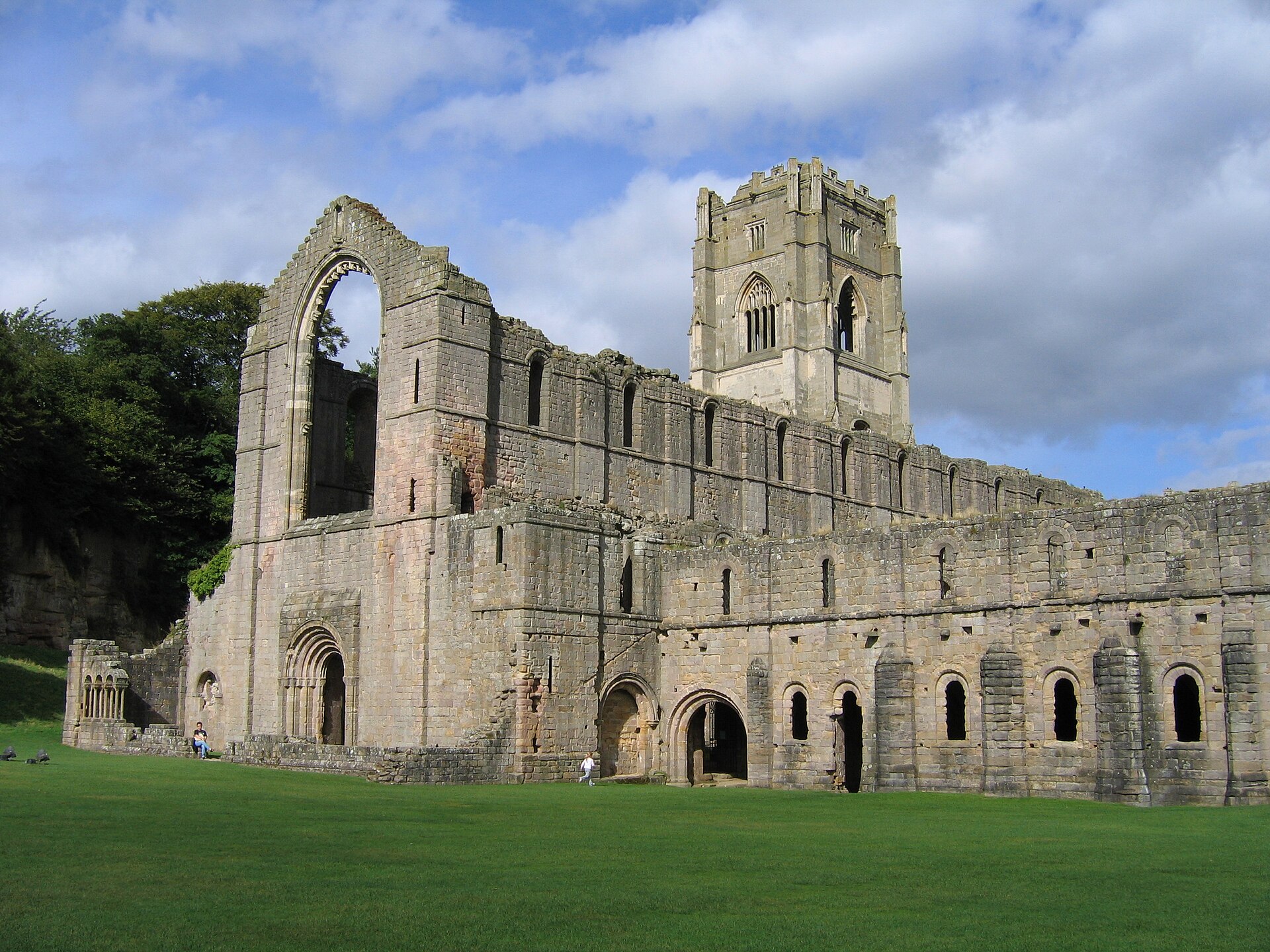
Fountains Abbey parkrun, North Yorkshire, is the one that converts people. The course runs through the grounds of a ruined 12th-century Cistercian abbey and the Georgian water gardens of Studley Royal – a World Heritage Site that tourists pay to enter, and you get to run through before the gates open. On a misty autumn morning it’s absurd. Runners regularly stop mid-course to take photos, which tells you everything about where priorities sit here.
It might be the best free morning out in Yorkshire.
Whinlatter Forest parkrun, Cumbria, takes place in England’s only true mountain forest, near Keswick in the Lake District. It has a strong claim to being the hilliest parkrun in the country, with somewhere around 160 metres of climbing on forest trails. Nobody sets a personal best at Whinlatter. That’s not what it’s for. You go for the views across the fells and the smug feeling that lasts the rest of the weekend.
Portrush parkrun, Northern Ireland, runs on the golden sand of East Strand beach on the Causeway Coast, and pioneered the beach parkrun format. Tide and weather decide how firm the sand is, which means the same course can be a fast dawdle one week and a slog the next. Pair it with a weekend on the coast – it sits within easy reach of the Giant’s Causeway, and makes a strong case for our list of the best UK seaside towns.
The brutal ones: Woolacombe Dunes and Lyme Park
Woolacombe Dunes parkrun, Devon, is run entirely on sand – beach, dunes and a climb through soft stuff that reduces club runners to a walking, swearing shuffle. Times here run five to ten minutes slower than a road 5k, and the event wears that as a badge of honour. It’s the closest thing parkrun has to a rite of passage. Bring shoes you don’t love. Leave the carbon-plate shoes at home for this one; they’re useless on sand.
You won’t PB. Accept that before you travel, not halfway up the second dune.
Lyme Park parkrun, Cheshire, hosted in the deer park that stood in for Pemberley in the BBC’s 1995 Pride and Prejudice, is the other course people mention with a thousand-yard stare. The defining feature is a long, grinding climb that starts almost from the off. The reward is the descent back towards the house, with the Peak District behind it, and the knowledge that your Strava followers will understand what you’ve done.
If you’re doing either of these in summer, treat it like a proper hard session – the advice in our piece on who actually needs electrolyte powder applies to a sand-dune 5k in July more than it does to most gym classes.
Two countries before breakfast: Severn Bridge
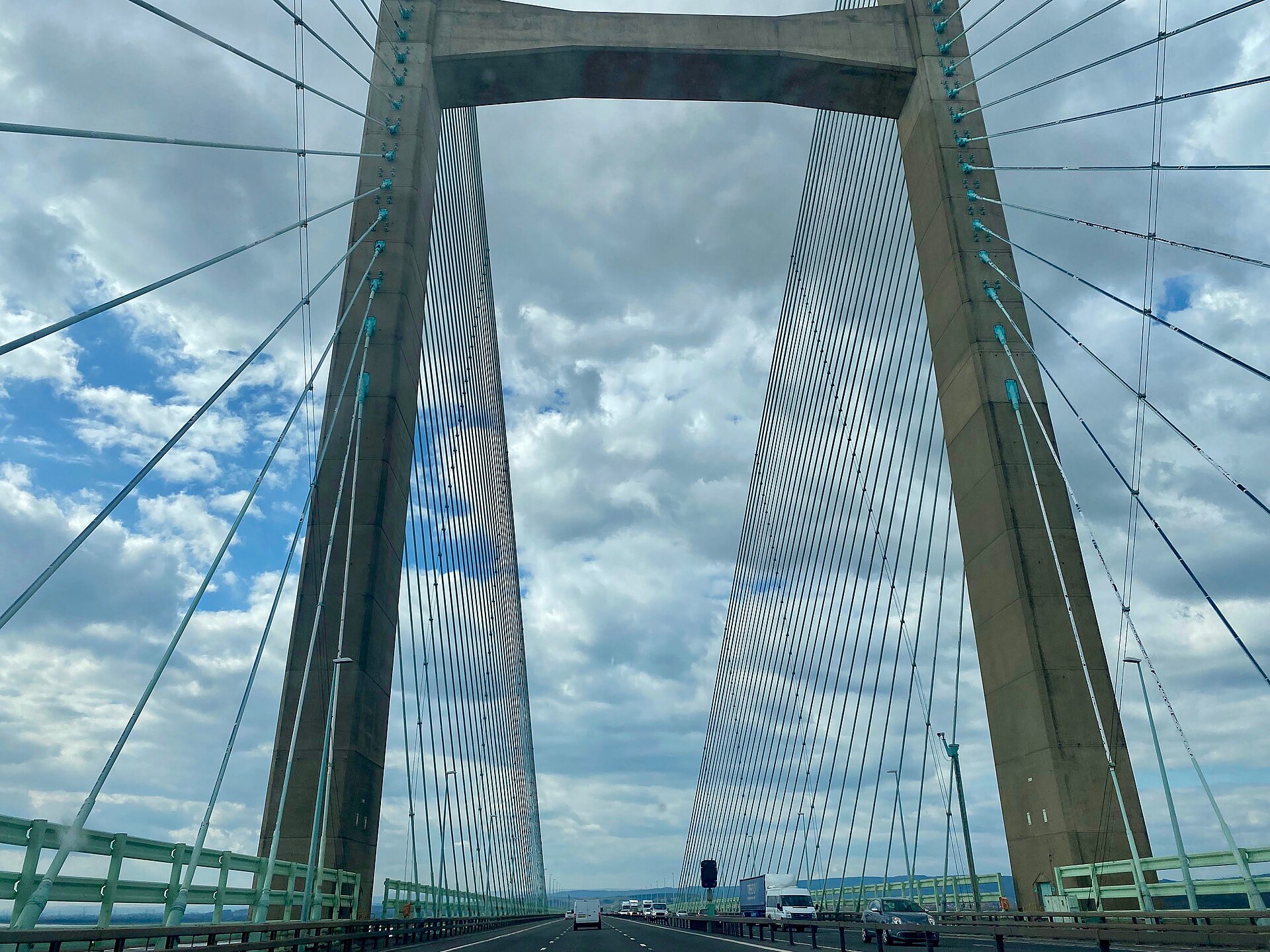
The oddity of the list. Severn Bridge parkrun starts on the Welsh side of the old Severn Bridge, crosses to England high above the estuary, and comes back again – two countries, one 5k, done by 9.45am. The bridge itself is a Grade I listed suspension bridge from 1966, and running across it at height, with the estuary’s huge tidal range below, feels properly strange in the best way.
It’s exposed up there. Wind cancellations happen, and on a bad day the crossing is more of a lean than a run. Check before you travel. But as a story to tell at the cafe afterwards, “I ran to England and back” takes some beating.
The fast ones: Dulwich and Edinburgh
Not every tourist wants scenery. Some want a time. Dulwich parkrun in south London is the UK’s PB factory: pancake-flat laps, good tarmac, and a field quick enough that a 20-minute runner will spend the whole thing being dragged along by someone’s heels. If you’ve been chasing the fitness markers we covered in our piece on VO2 max, this is where you cash the training in.
Edinburgh parkrun at Cramond is the Scottish equivalent – flat, fast and out-and-back along the seafront promenade with views across the Firth of Forth. Sea air, quick times, and a proper breakfast scene in Cramond village afterwards. Arrive early, though – parking at Cramond on a Saturday is its own endurance event.
One thing you won’t find any more is official course records on event pages. Parkrun stripped speed statistics from its website in early 2024, arguing they put off exactly the people the event most wants to attract. Plenty of quick runners grumbled, and the tourist community keeps its own unofficial stats anyway. For what it’s worth, we think parkrun called it right – the event’s genius was never the racing.
The pilgrimage problem with Bushy
Bushy parkrun in Teddington is where all of this started, and every parkrun tourist wants the original stamped in their results list. Here’s the contrarian bit: on an average Saturday, Bushy is one of the least enjoyable parkruns in Britain. Fields of well over a thousand mean you’ll spend the first kilometre boxed in behind a wall of people, the finish funnel is industrial, and the course itself – flat parkland, pleasant enough, deer if you’re lucky – would attract no attention whatsoever if it weren’t the birthplace.
Go anyway. But go the way you’d visit a cathedral rather than the way you’d go for a run: pick a quiet week, start at the back, take it all in, and don’t expect a time. The history is the point. If you want a good London run, Dulwich is twenty minutes away.

A quick word on kit, because it comes up every week: if you can’t run without music, most events ask you to keep an ear open for marshals and other runners – which is precisely the problem open-ear headphones were designed to solve.
Barcodes, cake and why this works
There’s one more way into all of this that doesn’t involve running a step, and it’s arguably the better one: volunteering. Every event needs a dozen or more people in hi-vis each week – timekeepers, barcode scanners, marshals on the far corner clapping strangers in the rain – and the tourist community treats a volunteer credit at a far-flung event as every bit as collectable as a run. If you’re travelling to one of the nine above and carrying a niggle, email the event and offer to marshal. You’ll get the scenery, the cafe and the community, minus the sand in your shoes.
Whichever course you pick, the rules are the same everywhere. Register once at parkrun.org.uk, print your barcode (or get the wristband – about six quid online and it survives the washing machine, unlike the paper one you’ll inevitably put through a hot cycle). No barcode, no time. It’s the one rule volunteers won’t bend, so don’t be the person arguing about it at 9.35am.
And that’s really the whole cost of entry to all of this. While padel charges £40 a court and boutique fitness keeps finding new ways to invoice you, the biggest mass-participation sport in Britain still costs nothing and runs on cake sales and hi-vis volunteers. Fifty-two Saturdays a year, in weather that would cancel most organised events, run by people who ask for nothing except that you clap the tail walker home.
A fair few parkrunners get talked into a half marathon eventually. When it happens to you, our guide to running gels for a half covers the fuelling side nobody mentions in the finish funnel.
Nine courses is a starting list, not a finished one – there are about 900 more, and the tourists would tell you the scrappy ones have their own charm. So, which is it first: the abbey, the dunes, or two countries before breakfast?
And for the drive there, the best UK wellness podcasts are a better warm-up than another motivation playlist.